
Aussies Encouraged to Buy New Build Properties
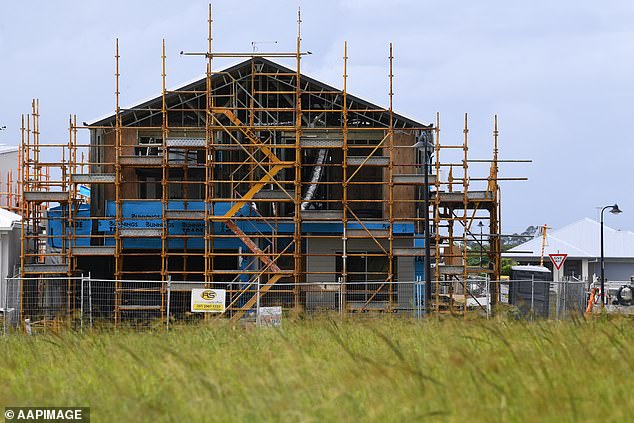
With the recent announcement by the Australian government that negative gearing will only apply to new properties from July 1, 2027, many potential buyers are being encouraged to consider purchasing newly built homes. However, experts warn that this shift in policy also means buyers must be more vigilant than ever when selecting a new build.
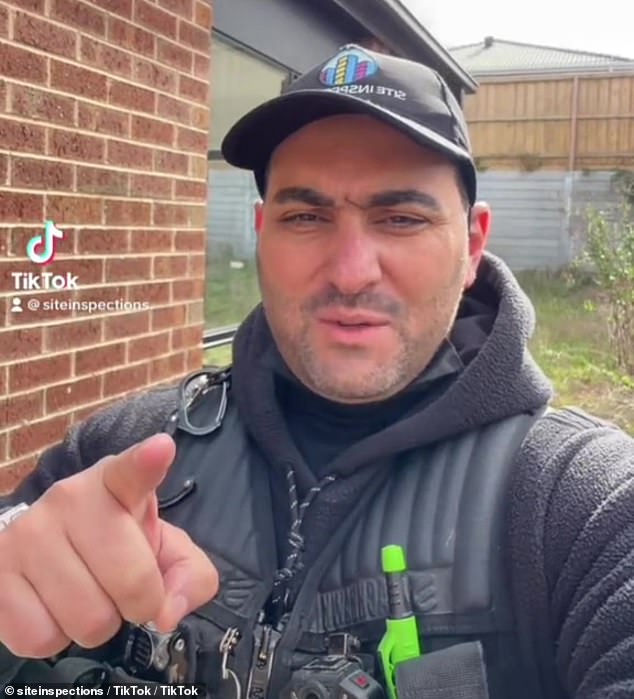
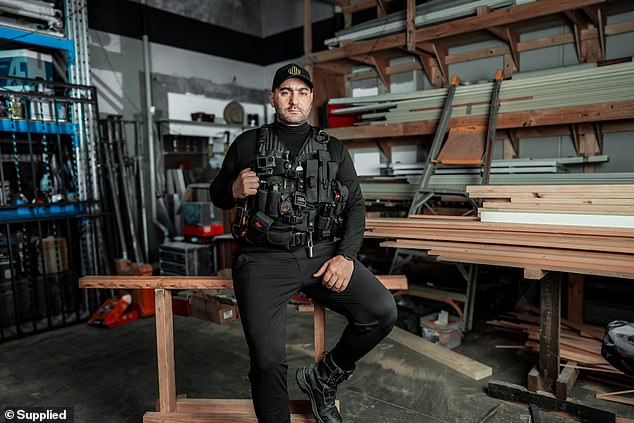
Treasurer Jim Chalmers has made it clear that future investors will benefit from tax deductions only if they buy a new property. This change has sparked discussions about the importance of due diligence when purchasing new builds. One such expert is Zeher Khalil, known as ‘The TikTok Inspector,’ who has spent over a decade in the construction industry and now uses his platform to educate buyers on how to avoid poorly constructed homes.
Clad in his signature black attire, Khalil uses a body camera and phone to document every crack or shaky awning in new properties. His videos serve as both a warning and an educational tool for potential buyers. He runs a Melbourne-based business called ‘Site Inspections,’ where he provides forensic assessments to ensure clients are making informed decisions.
Key Considerations When Buying a New Build Property
Khalil emphasizes that buying a property should be treated as investigative work. He advises buyers to ask themselves: “Am I being tricked or played?” According to him, if something seems too good to be true, it probably is.
Here are seven key things Australians should consider when purchasing a new-build property:
Who Built Your Home?
The first thing a buyer should ask is “who built the property” and “why are they selling it.” If the builder is an owner-builder, there may be additional risks involved. Owner-builders may take shortcuts and lack the accountability that comes with a registered builder. With a registered builder, there are usually checks and balances in place, and they have a reputation to protect.
Do Your Research
Buyers should ask their agent about the builder and conduct thorough research. Check the building and plumbing commission to see if there are any disciplinary actions against the builder. Review court websites to look up any previous cases involving the builder. This step is crucial to ensure the builder is reliable and can be held accountable if issues arise after the purchase.
Check the Paperwork
Sometimes, the contract of sale may not include all the necessary documents. Buyers should check for a building permit, occupancy permit, and insurance details. Scrutinizing the paperwork helps prevent hidden issues from surfacing later, which could lead to costly repairs.
Get an Out Clause
Buyers should ensure that the contract includes a clause that allows them to back out if an inspection reveals major defects. Without such a clause, disputes may arise when trying to resolve issues after the purchase.
The Bathroom
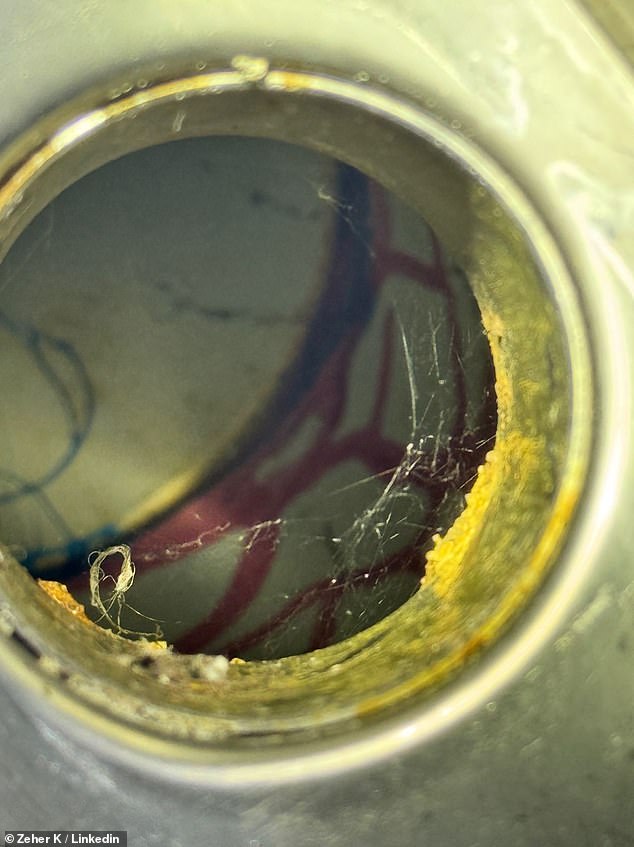
Bathrooms can be a clear indicator of whether there are issues with a new-build property. Khalil shared an example where a bathroom had not been used, evidenced by a spider web in the drain. He advises buyers to run the shower and check for leaks, especially in junctions and corners.
The Balcony
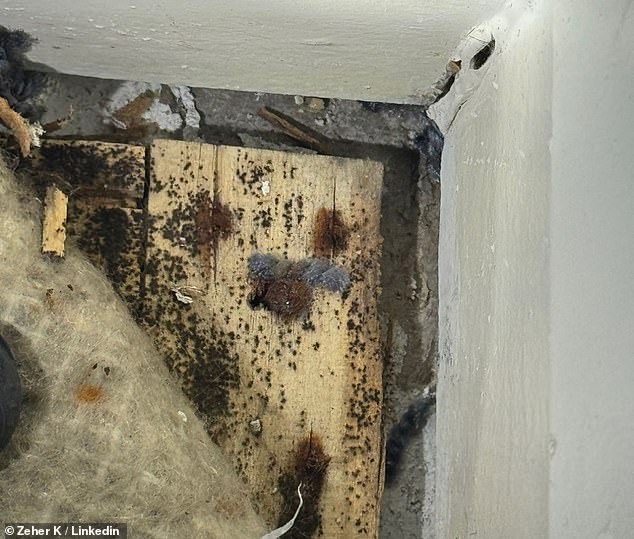
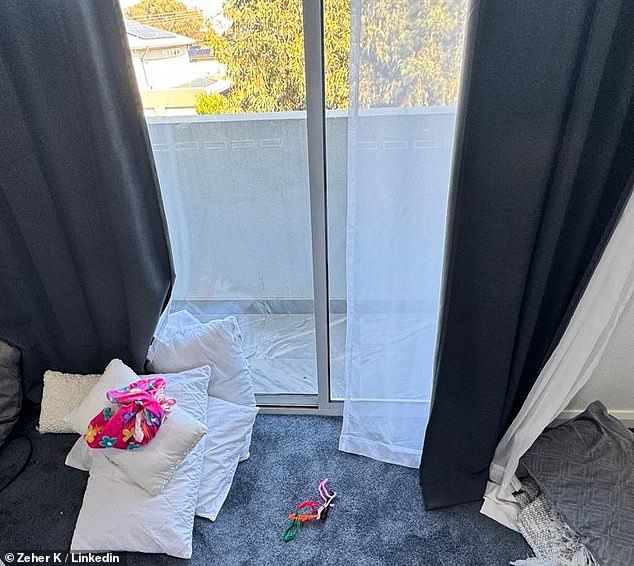
Khalil found a major defect on a balcony during an inspection. Mould and water leaks were present, indicating serious waterproofing issues. Buyers should inspect sliding doors and windows for signs of swelling and check under carpets for rusted nails.
The Kitchen
Bringing a torch to inspect kitchen worktops can help identify patched-up areas. Khalil notes that it’s common for benchtops to be broken and then repaired. Buyers should shine light at an angle to spot these patches. Additionally, turning on the sink tap and dishwasher can help detect leaks and ensure proper plumbing connections.


Related posts:
From Madina Old Road to the marketing boardroom: This is Dinah Asabea Darko

My 33-Year Battle with Idumota Marketers: The Unfiltered Journey of Queen Oluwa
What Governments Must Do Before Transitioning to the 12-Year Compulsory Education Model – Analysts


Beyond the Bill: Can Nigeria’s States Forge Effective Police Forces?