A Stroke, a Legal Battle, and the Question of Medical Negligence
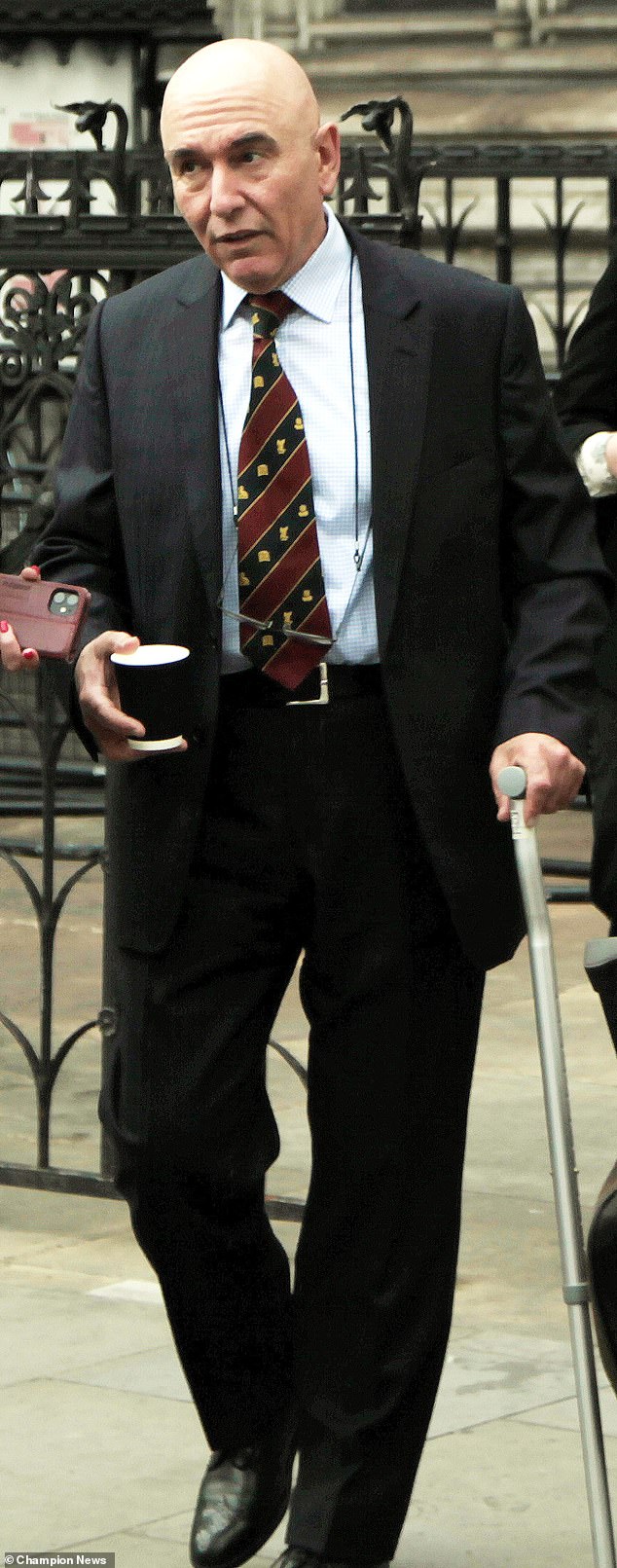
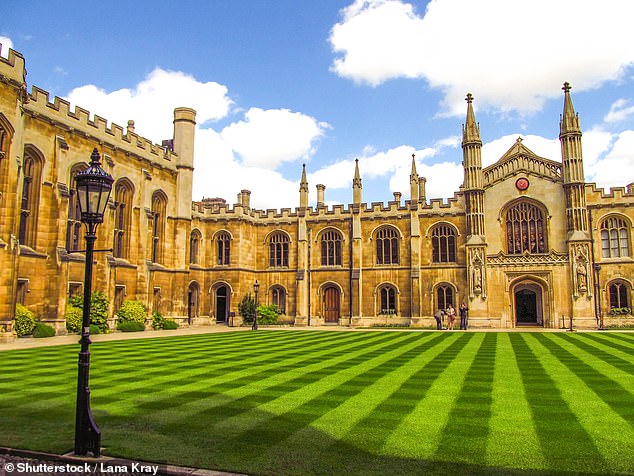
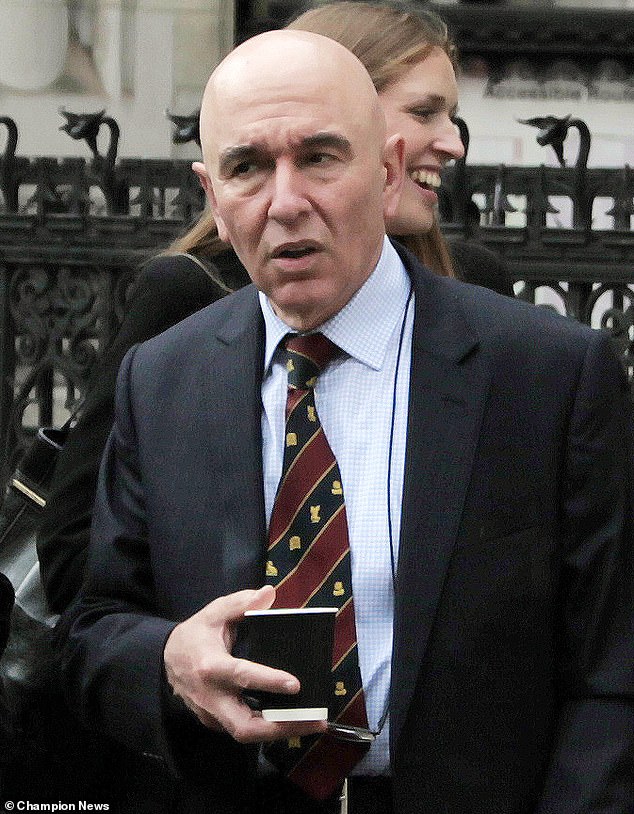
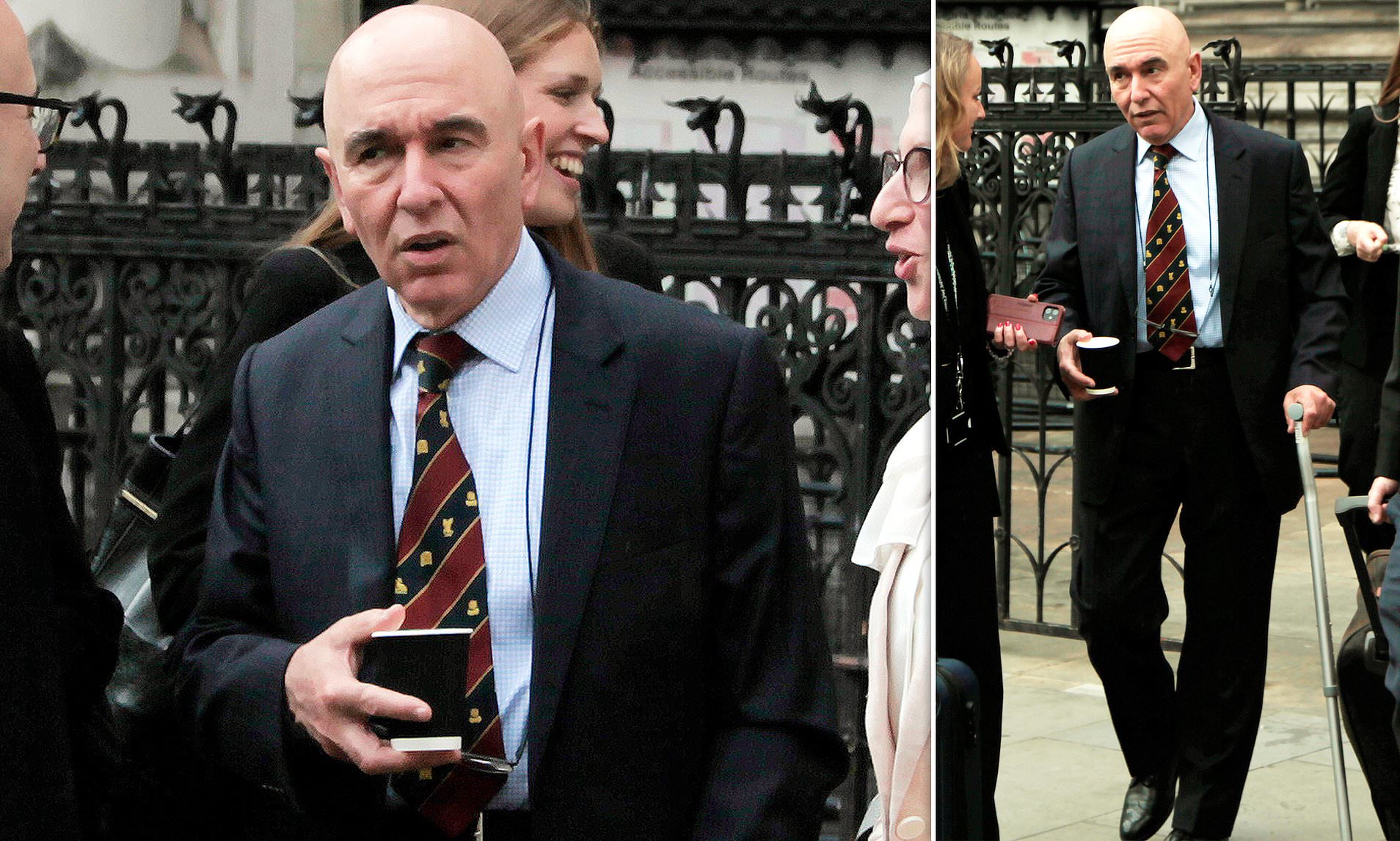
Dr. Mohamed Atef Hakmi, a respected orthopaedic surgeon and lecturer at the University of Cambridge, found himself at the center of a high-profile legal battle with the NHS after suffering a stroke in 2016. The incident led to significant physical and cognitive impairments, ultimately forcing him to abandon his surgical career. However, what began as a personal struggle soon escalated into a complex legal dispute over medical negligence and compensation.
The Stroke and Its Aftermath
In November 2016, Dr. Hakmi suffered a stroke at home, which left him with permanent disabilities. He claimed that the delay in diagnosing and treating the stroke resulted in brain damage and physical limitations. As a result, he sought £1 million in damages from the NHS, alleging that the failure to provide timely care was responsible for his condition.
The NHS, however, contested this claim, accusing Dr. Hakmi of “fundamental dishonesty” based on his poor performance in pre-trial IQ and memory tests. These results placed him in the “borderline mental disability” category, raising concerns about whether he had exaggerated his impairments to bolster his case.
The Court’s Ruling
After a thorough review of the evidence, Judge David Pittaway ruled that Dr. Hakmi had not intentionally performed poorly in the tests. Instead, the judge attributed his subpar results to exhaustion and personal challenges in his family life. “I do not consider that Mr. Hakmi was performing badly on the tests… to exaggerate deliberately the extent of his impairment,” the judge stated.
Despite clearing Dr. Hakmi of dishonesty, the court rejected his £1 million compensation claim. The judge concluded that even if Dr. Hakmi had received prompt treatment, it would not have significantly improved his recovery. Additionally, the hospital’s protocols, including a prior thrombolysis treatment for a previous stroke, made further use of the drug inadvisable due to potential risks.
The Details of the Case
Dr. Hakmi first experienced a stroke in September 2016, which he recovered from quickly after receiving thrombolysis treatment. However, a second stroke in November 2016 proved more severe. When he noticed symptoms while working late at night, he called Lister Hospital and informed them of his condition. Despite this, he was not given the same treatment as before, as an A&E doctor and a remote stroke specialist dismissed his symptoms as possibly migraines or epilepsy.
It was only nine hours later that the hospital diagnosed him with a stroke, by which time the window for thrombolysis had closed. Dr. Hakmi argued that the NHS failed to provide timely care, leading to his current disabilities, including a limp, reduced sensation in his extremities, and cognitive impairments such as short-term memory loss and difficulty concentrating.
The Debate Over Test Performance
NHS representatives pointed to Dr. Hakmi’s poor test scores as evidence of dishonesty. One IQ test score placed him below 86% of the general population, while memory tests revealed similarly concerning results. They questioned how he could continue teaching at a high level if he truly struggled with these tasks.
However, Dr. Hakmi maintained that the tests were exhausting and that he had no intention of misrepresenting his condition. “Anybody can fail a test but they must be given the best chance,” he said. He also emphasized that he had taken steps to mitigate his losses and acknowledged that he was not the same as before the stroke.
The Final Verdict
Judge Pittaway acknowledged Dr. Hakmi’s integrity and the efforts he had made to adapt to his new reality. “He is a proud man against whom a serious allegation has been made which, if found proven, could have serious consequences on his registration and employment,” the judge noted. He also cited statements from colleagues attesting to Dr. Hakmi’s honesty and dedication.
Despite the judge’s favorable ruling on the dishonesty claim, the compensation request was denied. The court also ordered the NHS to cover 15% of Dr. Hakmi’s legal costs.