Overview of the Five-Year Plan and Its Impact on China’s Economy
The five-year plan is expected to reset investment themes and the valuation system on the capital market, according to analysts. Over the past week, investors hoping for an extension of this year’s blistering, tech-led run on Chinese equities have been poring over and reading between the lines of a draft of Beijing’s plan for economic and social development in the next five years.
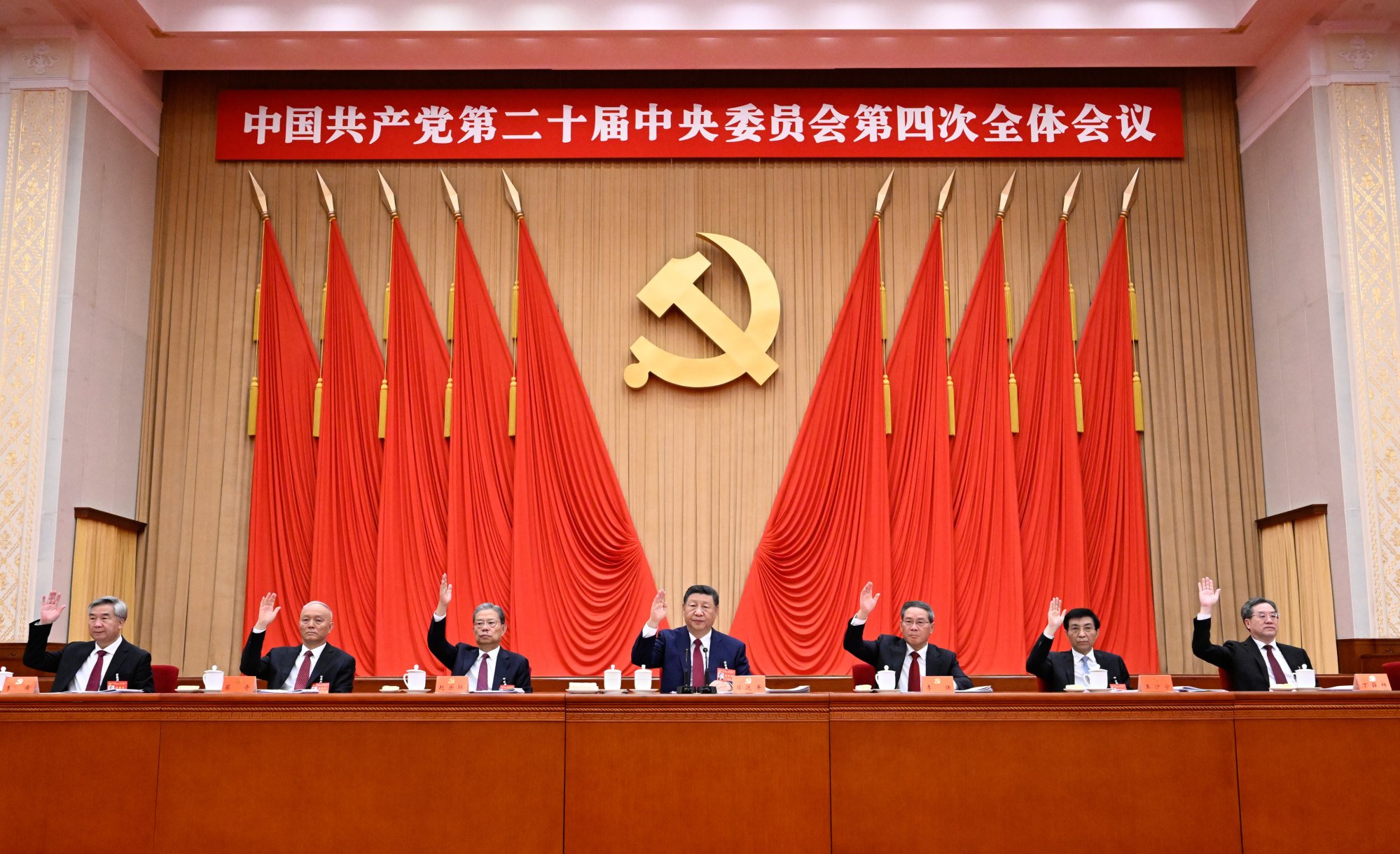
The blueprint emerged from a four-day Communist Party plenum that concluded on October 23, during which party chief Xi Jinping and the all-powerful Central Committee pledged to advance core technologies from semiconductors to artificial intelligence to quantum computing. They also highlighted tech self-reliance, domestic consumption and improving people’s livelihoods as key goals for 2026-2030.
The Communist Party issued a summary of the development goals on the day the plenum ended, and a week later released the detailed proposal. While the five-year plan will not be finalised until the legislative National People’s Congress in March, the initial details are enough to reshape the investment landscape and help traders identify key medium-term opportunities.
“The five-year plan is expected to reset investment themes and the valuation system on the capital market,” said Wang Jun, a strategist at BOC International in Shanghai. “The new productive force represented by tech self-reliance, the green transition and an upgrade of domestic demand may run through the policy front and investment themes in the next five years. We expect long-term capital such as mutual funds and insurance funds to further tilt towards those industries of strategic value.”
Chipmakers, robotics companies, high-end manufacturers and stocks linked to domestic consumption were set to emerge as outperformers in the long run, according to brokerages including Guotai Haitong Securities and Huajin Securities. In a sign of how critical technology will be for China’s growth in the following five years, the proposal had 46 references to the word, compared with 36 in the plan for 2020-2025.
The Role of Technology in China’s Growth
The five-year plan’s importance for investors grew after this year’s bull run – which drove the Shanghai Composite Index of yuan-denominated stocks to a decade high – showed signs of petering out. A twist and turn in China-US tensions, frothy valuations of tech companies and a weak domestic economy threw the durability of the rally into doubt.
Beijing’s call for more tech breakthroughs and a renewed commitment to self-sufficiency should reignite enthusiasm for Chinese technology firms that have led the rally on the broader market this year, reversing years of declines. The surge in tech stocks stemmed from a re-rating triggered by the abrupt ascent of AI start-up DeepSeek earlier in the year and hopes of high-quality domestic products replacing imported products.
The Star Market 50 index of the biggest stocks on the Shanghai exchange’s tech board, including Semiconductor Manufacturing International Corporation (SMIC) and AI chipmaker Cambricon Technologies, has gained 43 per cent this year. Meanwhile, the Hang Seng Tech Index has risen 32 per cent in the period. Both gauges have beaten the mainland and Hong Kong benchmarks.
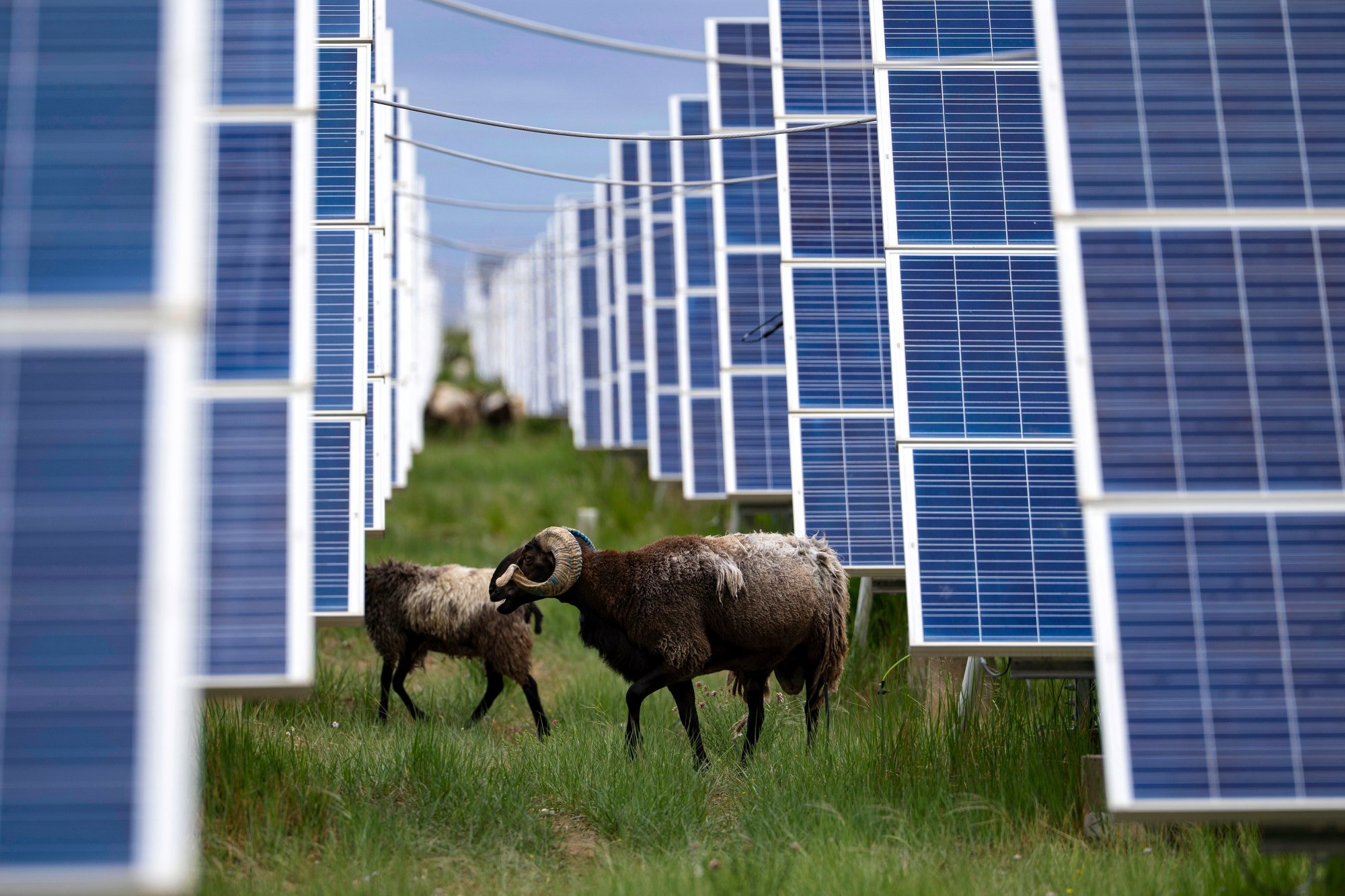
Sentiment this year also shifted towards Chinese tech stocks because Beijing ended a brutal regulatory crackdown on internet platforms that had sparked a massive exodus starting in 2020. Meanwhile, defying US curbs on exports of most advanced technologies, China is making rapid advances in the areas of robotics, AI infrastructure and large-language models as Beijing presses ahead with the self-reliance strategy.
Challenges and Opportunities
However, some observers were more cautious. Charu Chanana, chief investment strategist at Saxo Markets, pointed to high valuations as a hindrance to further gains in Chinese tech stocks. While the Hang Seng Tech Index was cheaper than the Nasdaq 100 on a price-to-earnings basis, its multiple of 20 times earnings was already close to the five-year average, according to Bloomberg data.
The multiples for some leading companies are even more eye-watering. China’s biggest chipmaker, SMIC, was valued at 199 times estimated earnings for this year, and the ratio for Cambricon, dubbed China’s Nvidia, was 271 times, Bloomberg data showed. In comparison, the so-called Magnificent Seven US stocks, including Nvidia and Apple, currently trade at 38 times.
“In this context, policy optimism may already be priced in, leaving the next phase dependent on earnings delivery, particularly from domestic chipmakers, automation firms and AI infrastructure players capable of turning policy momentum into profits,” Chanana said.
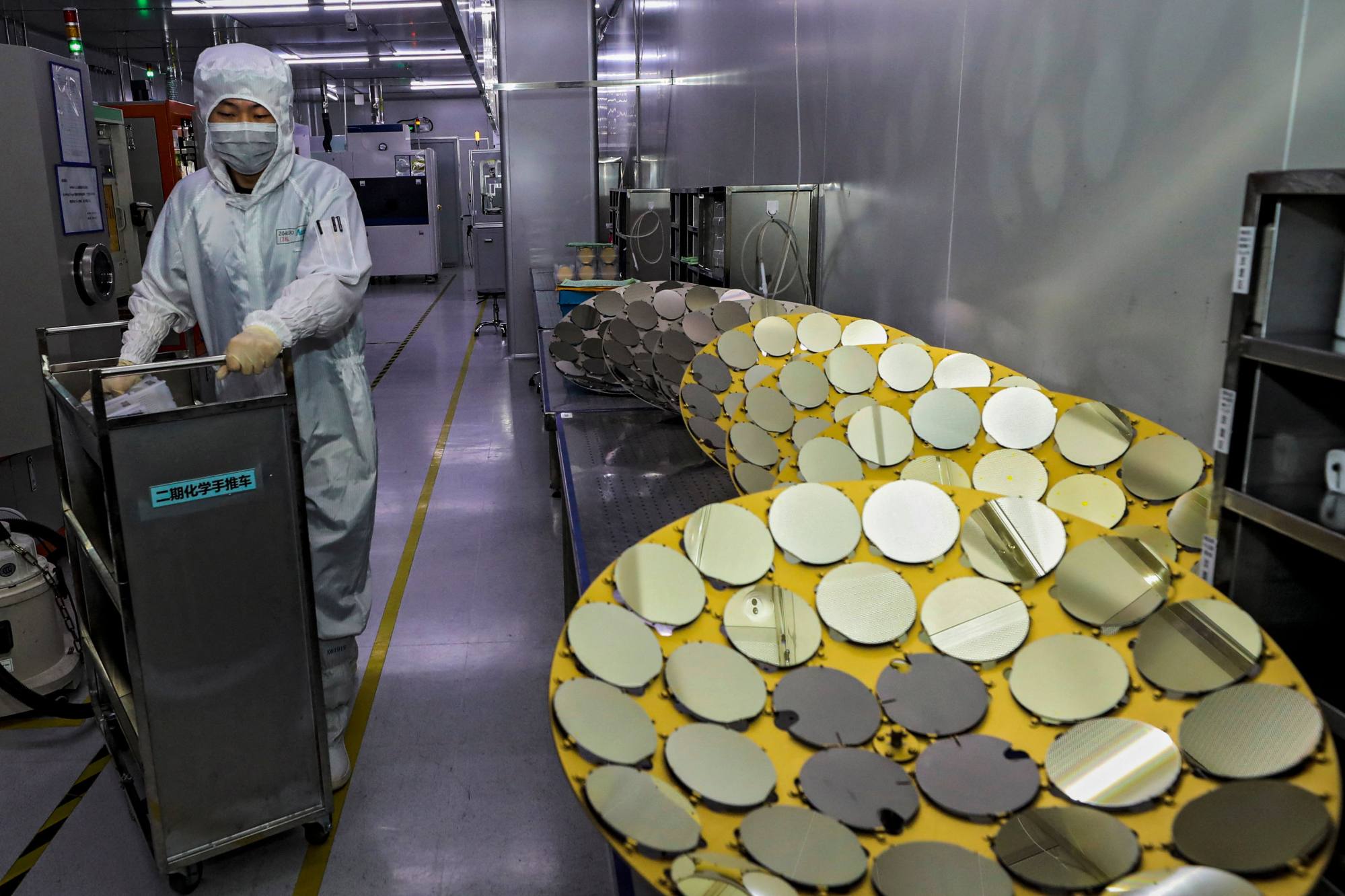
UK-based asset management firm Aberdeen Investments said that it would explore opportunities arising from the green transition in the five-year plan, as it anticipated that China would double down on renewable energy. “Renewable power investment is increasingly being used as a macro-stabilisation lever, which we estimate largely offset the drag from the real estate bubble being deflated over 2023 and 2024,” said Robert Gilhooly, an economist at Aberdeen.
Strategic Focus on Manufacturing and Supply Chain
On top of tech innovation and self-reliance, the five-year proposal also emphasizes maintaining a “reasonable” share of manufacturing in the economy, a strategy interpreted as entrenching China’s dominant position in the world’s supply chain amid geopolitical uncertainty.
Beijing has recently leveraged exports of rare earths – the critical metals used to make everything from weaponry to hi-tech products – in its trade talks with the US. China controls about 70 per cent of global supply and leads the world in refining and processing.
Unlike the preceding five-year plan through 2025, the new proposal devoted limited sections to the embattled property market and the ongoing anti-involution campaign that aims to eliminate obsolete capacity in some of the green-energy industries.

For those who bet on immediate stimulus measures, the plenum may present a short-term trading opportunity. Top leaders’ call for “resolutely” achieving this year’s economic growth target signalled a rapid ramp-up of policy support to arrest the resuming downturn, according to Nomura Holdings.
China would require 4.2 per cent growth in the fourth quarter to meet its annual goal of around 5 per cent, but intensifying headwinds made reaching the target more challenging, said Lu Ting, chief China economist at the Japanese brokerage.
Future Outlook and Investment Themes
The shift implied an annual growth rate of between 4.5 and 5 per cent in the next five-year period, compared with the current target of around 5 per cent, according to UBS Group. The Swiss bank added that China would need to strengthen the yuan and increase per capita gross domestic product by a compound annual rate of 6 to 8 per cent to meet its goal of matching developed countries in that metric by 2035.
For markets, this suggests that cyclical reflation trades tied to property or broad-based stimulus will remain challenged, while targeted industrial sectors aligned with the new development plan, such as robotics, EVs and next-generation manufacturing, could continue to be the relative winners, said Dugan, whose firm advises family offices, wealth managers and ultra-high-net-worth individuals.
Historically, China’s stock markets react positively to the release of five-year development plans. The mainland’s yuan-traded stocks rose by an average of 16.5 per cent one year after the plenums, while key industries seen as policy beneficiaries returned 17.5 per cent on average, according to HSBC Qianhai Securities.
The brokerage recommended that investors focus on stocks associated with tech innovation, consumption and the green transition. The five-year plan would “strengthen the trend of a slow bull market in the longer perspective,” said Deng Lijun, an analyst at Huajin Securities. “Earnings expectations will continue to improve, and proactive policies will expand stocks’ valuations. Risk appetite will get a boost.”


