The Power of Creative Expression in Combating Child Abuse and Exploitation
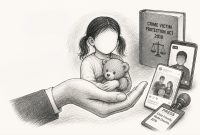
In a world where child abuse and exploitation remain pressing yet often unspoken issues, the role of creative expression in giving voice to the voiceless has never been more critical. While traditional approaches to child protection have focused on legal, social work, and educational frameworks, it is increasingly clear that cultural, emotional, and communicative perspectives are equally essential.
Art, music, theatre, film, poetry, and storytelling have emerged as powerful tools not only for raising awareness about the complex nature of abuse but also for fostering empathy, healing, and advocacy. These forms of expression offer unique ways to address the many manifestations of child abuse, including physical, sexual, emotional, economic, and digital exploitation. According to global estimates, one in four children experiences abuse before the age of 18, with millions more facing child labor, early marriages, trafficking, and online exploitation.
In many communities, these injustices are hidden behind cultural taboos, stigma, and inadequate protective systems. This silence—both imposed and internalized—often becomes a second wound. It is precisely this silence that creative voices aim to break. Through their work, artists, musicians, and storytellers act as intermediaries between trauma and public consciousness, using their platforms to challenge complicity and spark change.
Zimbabwean spoken word artists, for example, have used poetic performances to confront themes of domestic violence and systemic neglect. Similarly, South African visual artist Zanele Muholi has documented the lives of marginalized identities, capturing the vulnerability of youth caught in cycles of invisibility. Music, with its emotional power, has also served as a tool of protest and comfort. In West Africa, musicians like Falz and Angelique Kidjo have used song to critique child marriage and gender-based violence, blending rhythm with messages of rights and justice.
Documentary films and photography have played a vital role in revealing the hidden pain experienced by children. Films such as Everyone’s Child offer poignant depictions of young people’s exploitation in patriarchal and war-torn societies. These stories go beyond entertainment, becoming powerful testimonies that highlight the resilience and strength of children.
Theatre, especially community-based drama, has proven instrumental in rural and marginalized areas. Theatre-for-development programs in countries like Malawi, Kenya, and Zimbabwe use locally rooted plays to explore child abuse in accessible formats. These performances encourage audience participation, collective reflection, and community dialogue, making them more than just artistic expressions—they become catalysts for change.
The digital age has introduced new forms of creative activism. Youth-led podcasts, TikTok reels, digital comics, and animated storytelling are redefining how stories of child vulnerability are shared. In Nigeria, platforms like Safe Kids Zone use social media skits to educate on grooming and abuse, while in Zimbabwe, collectives like Moto Republik provide digital storytelling workshops for youth to share their own realities.
Importantly, creative expressions do not always center on trauma. Many focus on hope, resilience, and transformation, ensuring that children are not reduced to statistics but are seen as whole, capable individuals with the potential to imagine new futures.
Beyond advocacy, the arts serve as therapeutic channels. Art therapy, music therapy, and dance/movement therapy have been integrated into trauma-informed care for children. In post-conflict regions, children have used drawing, singing, and dancing to process grief and rebuild a sense of safety.
Creatives are not just messengers; they are stakeholders in systemic change. Artists and cultural workers have participated in policy forums, curriculum development, and advocacy campaigns. When a theatre group stages a play on corporal punishment in schools, and the Ministry of Education responds with revised guidelines, art has entered the policy space.
Collaborations with psychologists, educators, and child rights experts are crucial to ensure that creative outputs do not re-traumatize or misrepresent children. Ethical considerations must guide all creative interventions in child protection, ensuring that stories are told with consent, sensitivity, and respect.
Child protection is not just a legal or developmental imperative—it is a cultural one. Creatives are uniquely positioned to engage with emotional, linguistic, and symbolic terrains where bureaucratic language often falls short. Whether through painting, poetry, theatre, or digital satire, creative expression can break open the hardest silences and reveal hidden truths.
For these reasons, it is essential that child protection systems recognize and fund creative practitioners as part of the child rights ecosystem. A poem can save a life. A song can shift a law. A drawing can restore dignity.
In the words of Chilean poet Pablo Neruda: “You can cut all the flowers, but you cannot keep spring from coming.” Let creativity be the spring that rises against silence.