The Need for a New Approach to Nigeria’s Public Refineries
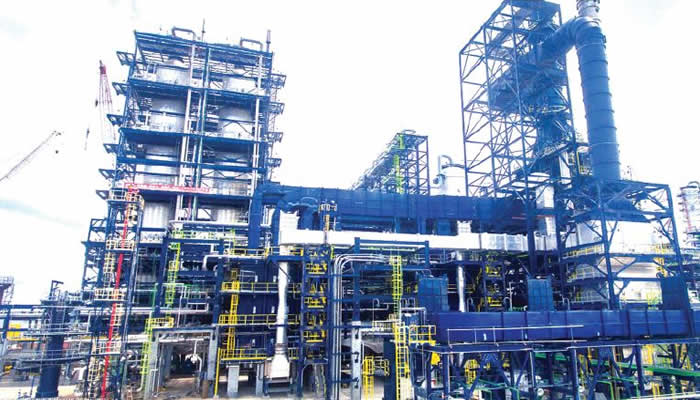
After three decades of stagnation, Nigeria is still grappling with how to revitalize its public refineries. These facilities, located in Port Harcourt, Warri, and Kaduna, have long been a source of frustration for both the government and the private sector. Aliko Dangote, the president of the Dangote Group, has recently reignited discussions on the viability of these state-owned assets, suggesting that they may never operate effectively again. His comments, while seemingly harsh, reflect a realistic assessment of the situation.
Dangote highlighted that despite significant investments—estimated at $18 billion or even $20 billion—into the rehabilitation of these refineries, they remain non-operational. He likened the effort to modernizing an old car that was built 40 years ago, where even if the engine is replaced, the body cannot handle the new technology. This analogy captures the challenges faced by the Nigerian National Petroleum Company Limited (NNPC) in maintaining its aging infrastructure.
In response, the CEO of NNPC, Bayo Ojulari, acknowledged that the company is reviewing its refinery strategies. He also indicated openness to the possibility of selling the refineries, stating that managing these outdated facilities has become increasingly complex. This marks a shift in the conversation around the future of these critical assets.
The idea of privatization has gained traction over the years. In 2007, during former President Olusegun Obasanjo’s administration, a 51% stake in the Port Harcourt and Kaduna refineries was sold to the Bluestar Consortium for $561 million. However, this deal was later annulled by Obasanjo’s successor, Umaru Yar’Adua, who reversed the transaction. Ironically, the Dangote Refinery, which cost approximately the same amount as the failed public refineries, was constructed after this reversal. With a capacity of 650,000 barrels per day, it surpasses the combined nameplate capacity of the NNPC facilities by 46%, highlighting the efficiency gap between public and private operations.
Since the reversal, the two refineries have produced almost nothing for over 17 years. It wasn’t until November last year that the NNPC announced the restart of the Port Harcourt Refinery. Even then, the company has shown a lack of sustainable management practices, raising concerns about the long-term viability of public ownership.
Privatizing the refineries could be a more pragmatic solution. Private sector expertise can bring in modern management practices and technical know-how, leading to more profitable operations with better maintenance and less downtime. This approach would not only improve efficiency but also reduce the financial burden on the government.
Petroleum marketers have also started supporting the idea of privatization, recognizing the need for change. Selling the refineries would stop the financial hemorrhage and allow funds to be redirected to more productive sectors such as healthcare and education.
Public refineries in Nigeria have long been plagued by political interference, nepotism, inflated contracts, and outright corruption. Transferring control to private investors could help curb these issues and encourage a competitive environment. Many countries have moved towards private ownership of refineries, allowing governments to focus on regulation rather than operations.
Countries like the United States, United Kingdom, Canada, India, Germany, South Korea, Japan, the Netherlands, and Singapore all have privately owned and fully functional refineries. Nigeria could learn from these examples and adopt a similar model.
Selling the refineries would attract domestic and foreign investment, enabling modernization and expansion that could significantly boost the economy. Privatized refineries would create stable employment opportunities, stimulate growth in downstream industries, and strengthen the petroleum value chain. This shift could mark a turning point for Nigeria’s energy sector, paving the way for sustainable development and economic growth.