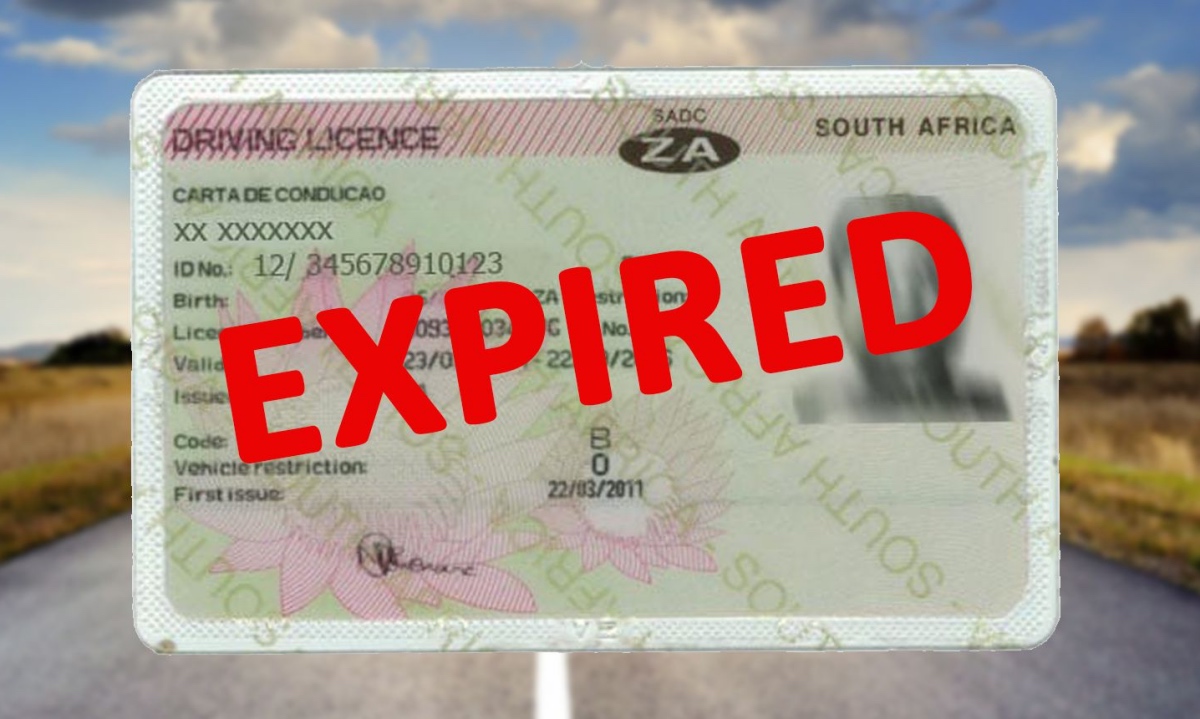
Challenges in Obtaining Driver’s Licences in Nigeria
Motorists across Nigeria are facing significant challenges when it comes to obtaining or renewing their driver’s licences. The Federal Road Safety Corps (FRSC), which oversees the licensing system, has been criticized for delays and inefficiencies that have left many drivers in a difficult situation.
Delays and Frustrations
Many motorists have reported long waits for their permanent licences, with some waiting months after completing the necessary steps. For instance, Paul Samson, a motorist from Nasarawa State, applied for his licence in August 2024 but did not receive his permanent card until July 2025. He described the process as frustrating, especially since his temporary licence expired before he could get the permanent one.
Alice Clement, a driver from Niger State, also shared her experience of delays. She mentioned that each time she visited the FRSC office, officials cited network issues as a reason for the delay. It took nearly nine months for her to collect her licence, which she described as very bad.
Inefficiencies and Harassment
The inefficiencies within the system have led to additional problems for drivers. Mr. Ebere Chukwudi, another motorist, said he had been visiting the Vehicle Inspection Office (VIO) in Gwagwalada for over three months without success. Despite paying and having his data captured, he still had not received his licence. This lack of progress has led to harassment by law enforcers on the roads.
Abdullahi Yahaya, who had an expired licence, made multiple attempts to renew it but was unsuccessful. He noted that officials were unable to provide clear reasons for the delay and called on the FRSC management to explain the issue publicly.
Mixed Experiences
Not all experiences have been negative. Evangelist Simon Edifeh, who processed his licence at the Mararaba office in Nassarawa State, said he did not face any difficulties. He noted that many licences are ready but left uncollected. He suggested that some drivers prefer shortcuts and fake licences, which can cause problems later.
Complex Procedures
Agbo Daniel, a commercial motorist, highlighted the complexities involved in obtaining a driver’s licence. He explained that the process can take up to three days just to confirm a payment. Data capturing is another hurdle, followed by a wait of about a month for a temporary licence. The final step involves waiting for the original document, which can take months.
For fresh licences, applicants must attend driving school and provide a medical report. After that, they have to wait for about three months before making the official payment and going through data capturing. The entire process can be quite lengthy.
Possible Reasons for Delays
A retired FRSC personnel, Abubakar Shehu, suggested that the ongoing upgrade of the driver’s licence might be a contributing factor. He mentioned that even with payments, some licences remain unissued for extended periods.
A VIO official attributed the delays to bureaucratic processes from the FRSC headquarters in Abuja. They recommended reaching out to the FCT sector command for more detailed information.
Historical Context
In 2012, the FRSC introduced a digital driver’s licence scheme, aiming to improve processing times and reduce forgery. However, more than a decade later, many motorists still face similar issues. Complaints about poor data management, network downtime, and central printing backlogs persist.
Mudi Shuaibu, a driver, recalled how the process used to be more straightforward. He mentioned that in the past, licences were issued immediately after passing the test. Today, he claims that licences can be obtained without visiting any office, simply by transferring money to an official and sending a photo.
Consequences of Delays
Expired temporary licences expose drivers to harassment, fines, and sometimes extortion. The driver’s licence also serves as a primary means of identification for banking, voter registration, and regional travel within ECOWAS. These factors highlight the importance of addressing the inefficiencies in the licensing system.
FRSC’s Response
Reacting to the delays, the FRSC’s public education officer, Assistant Corps Marshal Olusegun Ogungbemide, noted that the process involves biometric capturing and backend investigations. He mentioned that there are technical challenges being addressed, with around 228,000 licences yet to be picked up nationwide.
Mr. Felix Therman, the FCT sector commander of the FRSC, stated that over 25,000 processed driver’s licences remained uncollected in the FCT. He admitted that some delays were due to the ongoing upgrade of the licence, which involves changing certain features. He added that the new licences would be available in the next two to three weeks.


