The Enduring Legacy of Motherhood in Music and Tragedy
Dem kill my mama; dem kill my mama; dem kill my mama; political mama; ideological mama; dem kill my mama; dem kill my mama; dem kill my mama…
This powerful refrain, delivered by the legendary Fela Anikulapo Kuti, is a haunting tribute to his mother, Mrs. Funmilayo Ransome-Kuti, whose tragic death during the Kalakuta Invasion remains etched in history. Fela’s song “Kalakuta Show” captures the profound grief and rage that followed the brutal attack on his home, where his 77-year-old mother was thrown from a second-story building and died as a result of the fall. Her death was not just a personal loss for Fela but also a symbol of the broader struggle against oppression.
Fela was not alone in his reverence for motherhood. Across African music, numerous artists have celebrated the divine nature of motherhood. Nico Mbarga’s “Sweet Mother,” Olalekan Olorode’s “Iya lalabaro,” and the works of Chief Ebenezer Obey and Hubert Ogunde all reflect the deep emotional connection between mothers and their children. These songs highlight the universal truth that motherhood is often seen as a sacred bond, one that transcends words and is felt in the soul.
A Mother’s Grief: The Story of Elekia Giwa
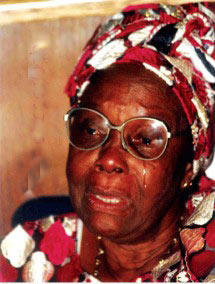
The story of Madam Elekia Giwa, the mother of Dele Giwa, adds another layer to this narrative. Dele Giwa, the founding chief executive and editor-in-chief of Newswatch, was a towering figure in Nigerian journalism. His life was tragically cut short on October 19, 1986, when he was killed by a parcel bomb. This act of violence left his mother, Elekia Giwa, in unimaginable pain. In the aftermath, she continued to grieve, her sorrow echoing through the years as she mourned the loss of her son.
Dele’s death was not just a personal tragedy but a national one. The country was plunged into mourning, with the brutality of his murder leaving a lasting impact on everyone who knew him. For Elekia Giwa, the grief was compounded by the fact that she had lost more than just a son—she had lost a part of herself.
Unanswered Questions and Lingering Pain
The events surrounding Dele Giwa’s death remain shrouded in mystery. Despite the passage of time, many questions about his murder remain unanswered. Who was responsible? What role did the state play in his death? These questions continue to haunt those who loved him.
In the wake of his death, there were concerns about how Dele’s colleagues at Newswatch handled the situation. Some have questioned whether the inner circle of the publication, particularly those who were close to Dele, adequately supported his mother in her time of need. This raises important questions about loyalty, responsibility, and the bonds of friendship.
Five key issues come to mind:
-
The extent to which Dele’s closest friends honored their commitments to him: As the founder and leader of Newswatch, Dele played a central role in the success of the publication. His friends and colleagues, especially those in the inner circle, were expected to support him both professionally and personally. But after his death, did they live up to these expectations?
-
The frequency and sincerity of their interactions with Elekia Giwa: Did Dele’s friends maintain regular contact with his mother, offering her emotional and material support? Or did they fade into the background, leaving her to deal with her grief alone?
-
The consideration of Dele’s case during the transition of Newswatch: When the publication underwent changes in ownership, was Dele’s legacy taken into account? His contributions to the media landscape were significant, yet it seems his name has been largely forgotten in recent years.
-
The efforts of media organizations to uncover the truth about Dele’s murder: Groups like the Nigerian Union of Journalists (NUJ) and the National Press Association of Nigeria (NPAN) have a responsibility to advocate for justice. Yet, despite their influence, little progress has been made in solving the case.
-
The willingness to honor Dele’s memory: Shouldn’t the media community do more to celebrate the life and work of someone as influential as Dele Giwa? His legacy deserves recognition, not obscurity.
A Question of Justice and Remembrance
It is only after these questions are thoroughly addressed that one might believe that Elekia Giwa has found peace. Until then, her sorrow continues, a testament to the enduring pain of loss. And for Dele Giwa, his spirit lives on, a reminder of the power of journalism and the importance of standing up for what is right.


