
The Importance of Blood Tests for Midlife Health
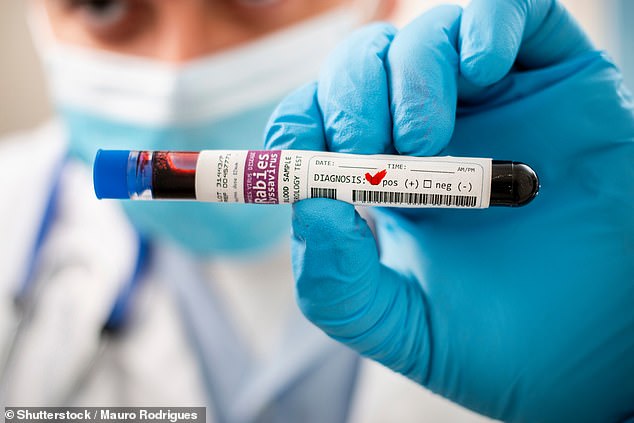
A simple blood test is one of the most effective ways to monitor your health and detect early warning signs of potential health issues before they become serious. According to a leading general practitioner, maintaining good health in midlife is crucial for those aiming to live a long and healthy life.
As we approach the age of 40, our bodies begin to undergo significant changes that can impact our overall health. These changes may provide doctors with insights into how well we are aging and what problems might arise later in life. Dr. Dean Eggitt, a GP and CEO at Doncaster Local Medical Committee, emphasizes the importance of regular blood tests to keep track of internal health markers.
Key Blood Tests for People Over 40
1. Lipid Profile Test: Monitoring Fats and Cholesterol Levels
One of the most important blood tests is the lipid profile, which measures cholesterol and triglyceride levels in the blood. Cholesterol comes in two forms—high-density lipoprotein (HDL), often referred to as “good” cholesterol, and low-density lipoprotein (LDL), known as “bad” cholesterol. HDL helps remove LDL from the body, while high levels of LDL can lead to plaque buildup in blood vessels, increasing the risk of heart disease, stroke, and high blood pressure.
The National Health Service (NHS) recommends keeping non-HDL cholesterol below 4mmol/L and HDL above 1.0mmol/L for men and 1.2mmol/L for women. Triglycerides, another type of fat, should also be monitored, as high levels have been linked to diabetes, obesity, and even cancer.
2. Kidney Function Test: Assessing Renal Health
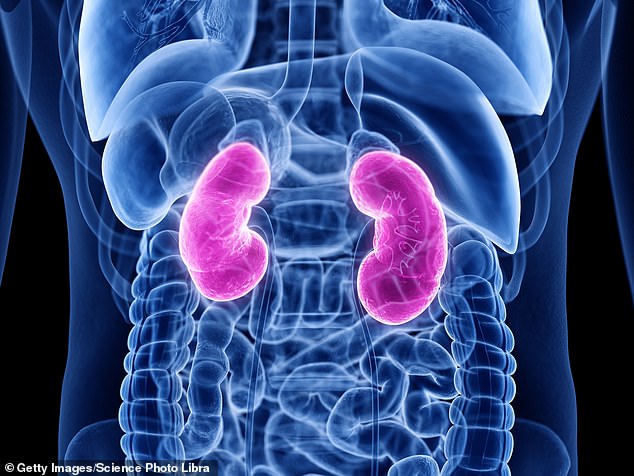
The kidneys play a vital role in filtering waste from the blood, producing red blood cells, and maintaining the balance of water, salts, and minerals in the body. A serum creatinine test measures how effectively the kidneys remove waste and toxins from the blood. If kidney function declines, creatinine levels rise, indicating chronic kidney disease.
Chronic kidney disease often has no symptoms until it’s advanced, making early detection crucial. Regular testing can help identify minor issues before they escalate, reducing the risk of heart attack and stroke.
3. Blood Sugar Test: Detecting Diabetes Risk
High blood sugar levels are becoming an increasing concern, with studies showing a 6% rise in health issues linked to elevated glucose levels. The HbA1c test measures glycated hemoglobin, which reflects average blood sugar levels over the past few months. High HbA1c readings indicate poor blood sugar control and increase the risk of diabetes-related complications such as nerve damage, vision problems, and diabetic ketoacidosis.
Maintaining a balanced diet, managing weight, and exercising regularly can help regulate blood sugar levels. Eating at regular intervals and avoiding skipped meals also plays a role in preventing spikes in glucose.

4. Blood Pressure Test: Preventing Cardiovascular Risks
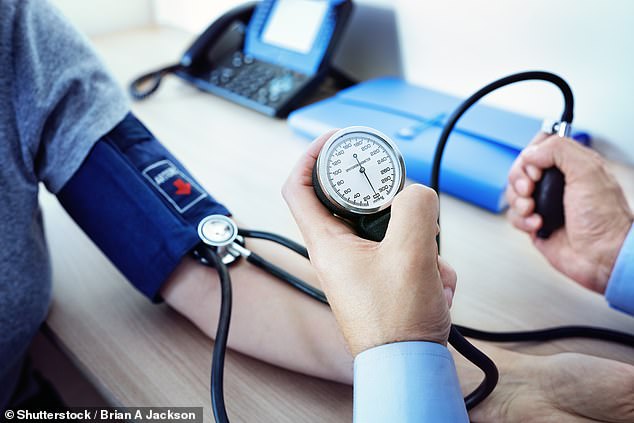
High blood pressure, or hypertension, affects around 14 million people in the UK, with half of these cases going uncontrolled. This condition increases the risk of heart attack, stroke, kidney disease, vascular dementia, and early death. Blood pressure is considered high if it reads 135/85mmHg at home or 140/90mmHg when measured by a healthcare professional.
Healthy blood pressure ranges between 90/60mmHg and 120/80mmHg, with those over 40 aiming for around 115/75mmHg to reduce heart attack risk. Lifestyle changes such as losing weight, eating a balanced diet, and exercising regularly can help manage blood pressure. The NHS recommends at least 150 minutes of weekly exercise, along with limiting alcohol and caffeine intake.
Conclusion
Regular blood tests are essential tools for monitoring health and preventing serious conditions. By staying proactive and tracking key indicators like cholesterol, kidney function, blood sugar, and blood pressure, individuals can take control of their health and reduce the risk of long-term complications. As the population ages, these tests become even more critical in identifying and addressing potential health threats early.


