A Farmer’s Fight Against Indigenous Land Ruling
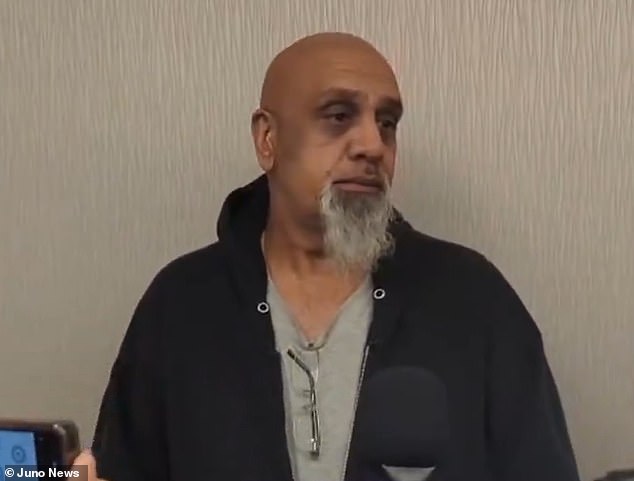
A hardworking farmer in Richmond, British Columbia, is determined to protect his property after a recent court ruling placed his home under the jurisdiction of the Cowichan Tribes. Kal Mattu, a lifelong resident of the area, has vowed to fight back against what he sees as an unfair situation.
At a recent town hall meeting, Mattu expressed his outrage over the decision by the British Columbia Supreme Court in August 2025, which awarded the Cowichan Tribes Aboriginal title over roughly 800 acres of land in the Vancouver suburb of Richmond. The ruling declared that private ownership by the federal government and city of Richmond would be “defective and invalid.”
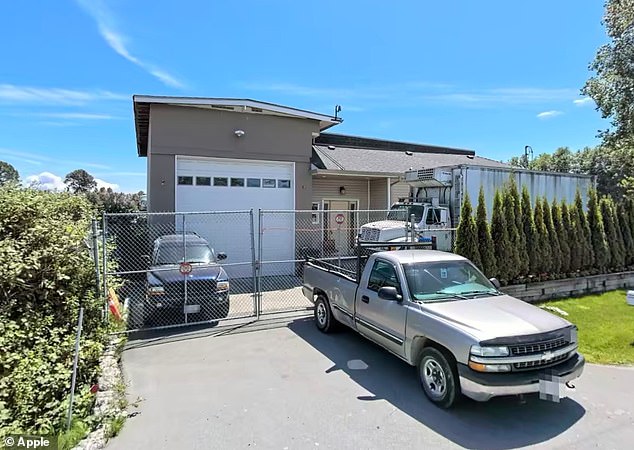
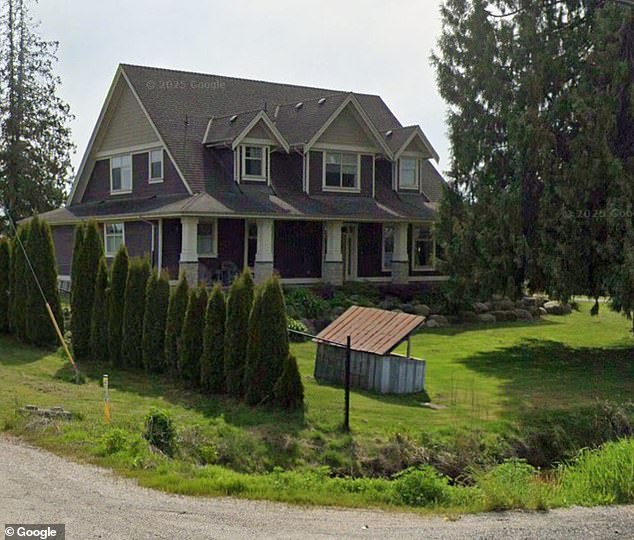
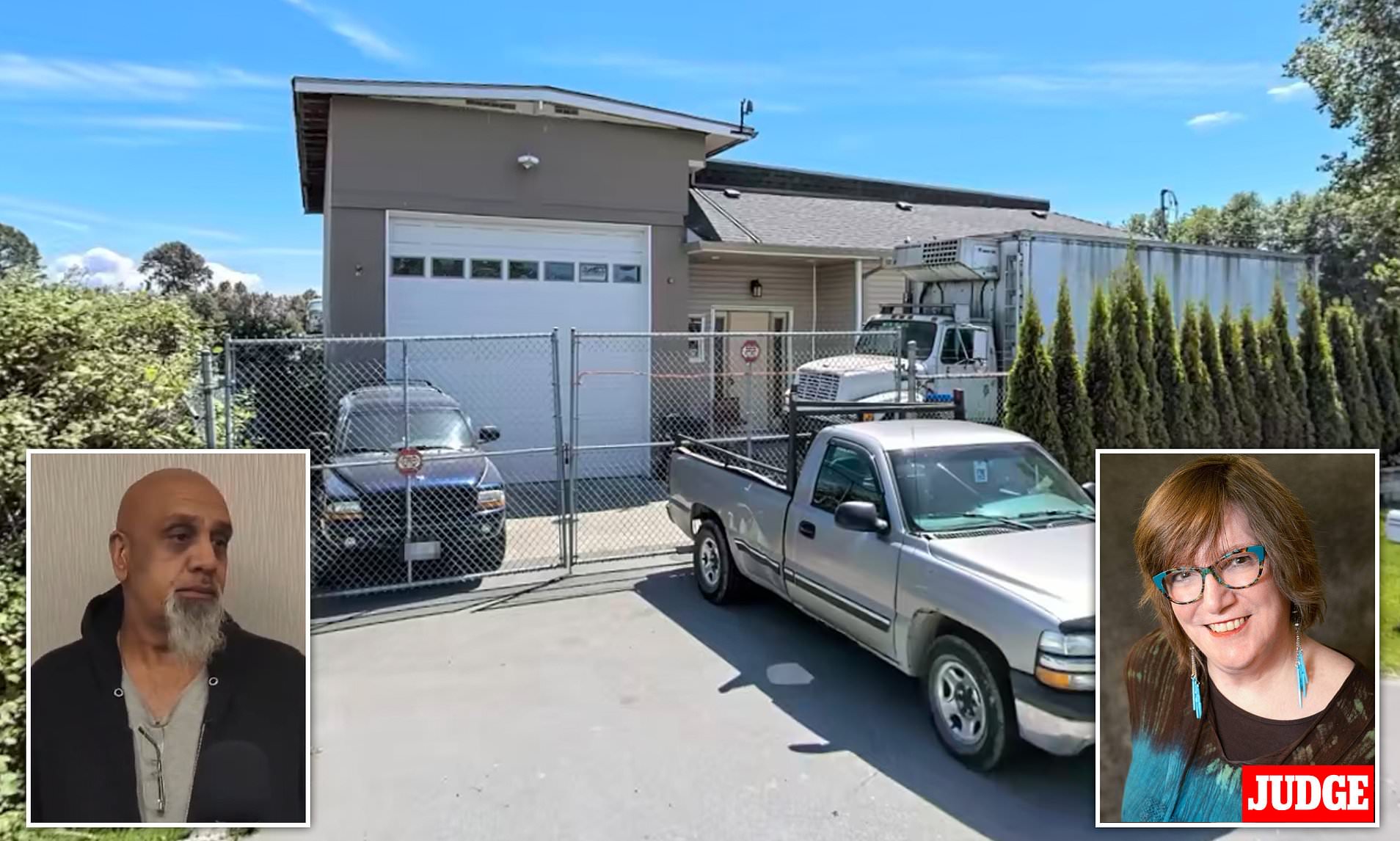
Mattu, who has lived in Richmond for 51 years and owns a $1.6 million blueberry farm, claims that the bank has refused to renew his mortgage following the ruling. He stated, “I paid taxes. I bought my place – and low and behold, I don’t own my place. It’s not fair.” He added that he feels as if he has been paying taxes for “no reason at all.”
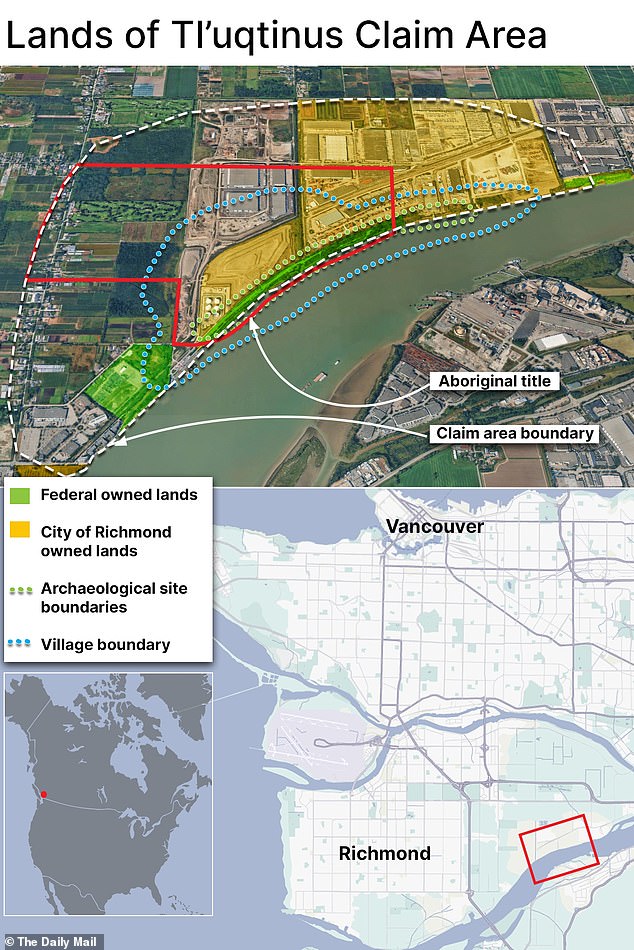
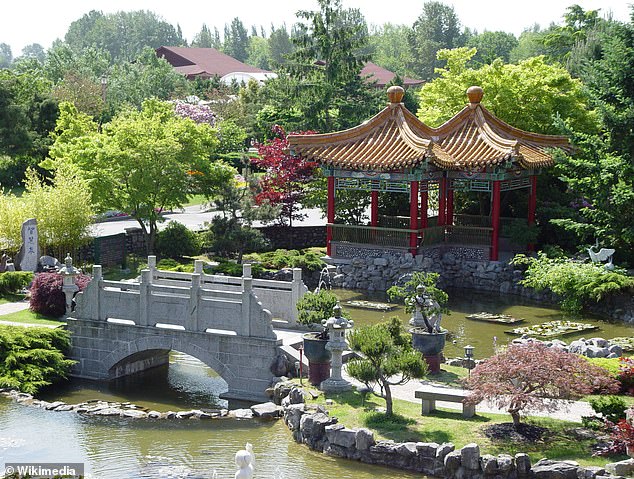
The ruling followed what was billed as the “longest trial in Canada’s history,” awarding the Cowichans ownership of an area known as the Lands of Tl’uqtinus. This traditional village site, located along the Fraser River shoreline, was historically used for trade and fishing. The area is currently home to private residents, small farms, a golf course, and several industrial operations, with land and buildings valued at more than $1.3 billion.
The aboriginal title declaration was suspended for 18 months to allow the tribes, federal government, and city to make necessary arrangements. However, locals are frustrated by the ruling and believe the city, its lawyers, and leadership left them in the dark throughout the legal process.
Action on the aboriginal title case began in March 2014, with the trial starting in September 2019. Residents allege they only received formal notice about the case after BC Justice Barbara Fisher issued her ruling in August 2025. At the town hall meeting, Mattu questioned why the city had not reached out to them, saying, “You’re the mayor. You’re supposed to know everything that’s going on in Richmond. I pay my taxes to you. Why did you not reach out to us?”
City officials claimed they asked the court to notify affected homeowners, but the request was rejected. Capuccinello Iraci argued that landowners suffered a “tremendous injustice” and “denial of fair process,” which will be highlighted in the city’s appeal.
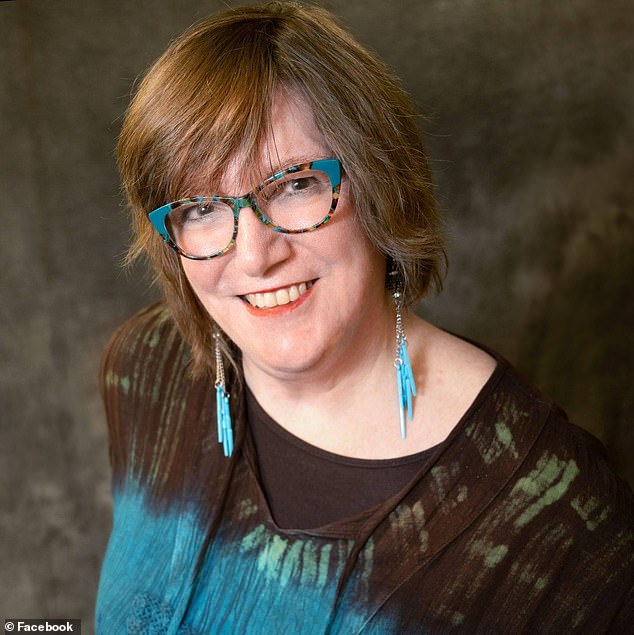
Steven Lai, a Richmond homeowner with a million-dollar mortgage, organized a protest outside the town hall. Although Lai’s home is not included in the Cowichan title area, he said the ruling has left him fearful and confused. “Could you imagine if I have spent half of my life working hard to pay my mortgage off, not to mention paying for the property taxes, and then only to find out that the property doesn’t belong to me anymore?” he asked.
Much of the fallout from the controversy has been aimed at Justice Fisher, who reportedly declined to notify affected landowners of the ramifications as the case was being heard. Fisher acknowledged the impact on those affected but justified it by saying, “Sometimes the hardship will be borne by Indigenous peoples and First Nations and sometimes it will be borne by non-Indigenous Canadians.”
The lawyer representing the Cowichan tribes, David Rosenberg, said his clients are not targeting private property and are allegedly “frustrated and disappointed” with the “misinformation” surrounding the ruling. He added that if the province negotiates in good faith, the “likely outcome” will be a treaty that recognizes the aboriginal title and also allows private owners to hold fee-simple title.
Chiefs from the First Nations on Vancouver Island also released a statement to the Vancouver Sun, alleging the response to the aboriginal title is “provoking unnecessary fear.” They emphasized the need for a just future based on truth and reconciliation.
The Cowichan tribes were displaced from the so-called Lands of Tl’uqtinus in the mid-1800s when the British colonized the area. British Columbia ultimately became a Canadian province, and land in the historical Cowichen territory was sold over the years. The tribes wanted to have ownership of the land returned to them, but did not seek for titles of privately held properties to be declared invalid.
The BC Supreme Court ruled in August 2025 that granting private property ownership rights would “unjustifiably infringe” on Cowichan Aboriginal title. The court further ruled that issues surrounding titles would need to be resolved through negotiation, litigation, or purchase, otherwise the properties would remain under Cowichan title lands.