Understanding the Impact of Words on Individuals with ADHD
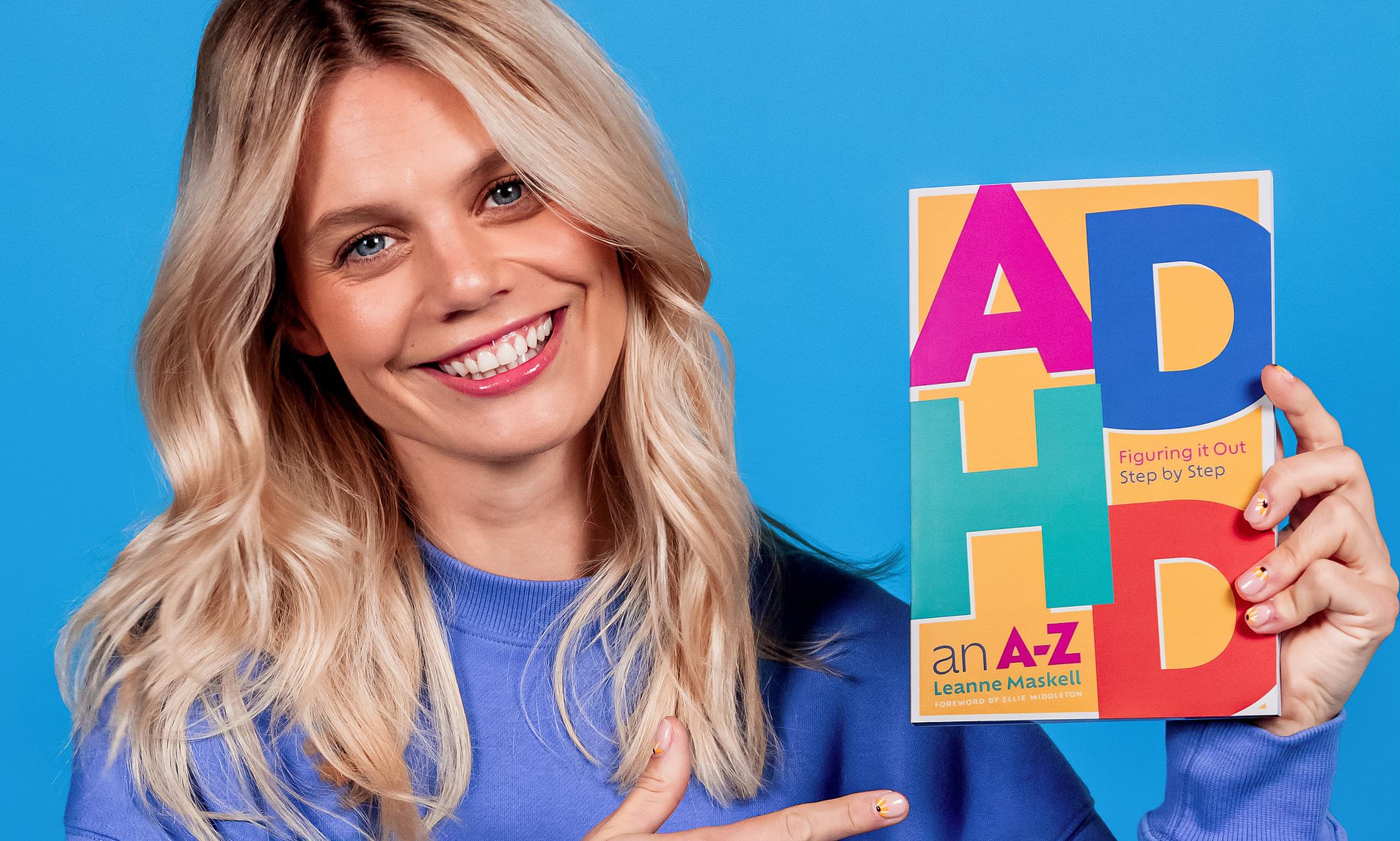
Leanne Maskell, a former fashion model turned neurodiversity advocate, has shared profound insights into the challenges faced by individuals with Attention Deficit Hyperactivity Disorder (ADHD) and autism. Diagnosed in her mid-20s, she has since become an influential voice in the conversation around neurodiversity, authoring two best-selling books: AuDHD: Blooming Differently and ADHD Works at Work. Her experiences highlight the emotional and psychological toll that certain phrases can have on those living with ADHD.
When Leanne was diagnosed, she initially reacted with disbelief, feeling as though she was being labeled as lazy or emotionally unstable. However, the diagnosis provided clarity and a framework for understanding her struggles. She emphasizes that while some phrases may seem harmless, they can be deeply triggering for people with ADHD, often leading to intense emotional reactions.
The Emotional Triggers of Common Phrases
One of the most significant issues for individuals with ADHD is the impact of specific language that can trigger Rejection Sensitive Dysphoria (RSD). RSD is characterized by an intense emotional response to perceived rejection, criticism, or failure. This condition is prevalent among individuals with ADHD, who have often faced years of criticism for being “too much” or “not good enough.”
Leanne outlines five common phrases that can cause distress for neurodiverse individuals:
-
“Can we have a quick chat?”
This seemingly innocuous request can feel like a looming threat to someone with ADHD. It may lead to anxiety, overthinking, and even physical symptoms such as palpitations. Leanne suggests adding context, such as “it’s about X,” to reduce the stress associated with this phrase. -
“We should catch up!”
An invitation to meet up can quickly become a source of anxiety. For someone with ADHD, it may feel like a trap, leading to mental exhaustion from trying to remember names or decide whether to accept the invitation. -
“How was your weekend?”
While this question may seem casual, it can be frustrating for individuals with ADHD. A truthful answer might involve describing a chaotic weekend filled with distractions, which is often not socially acceptable. Leanne finds it infuriating when the only acceptable response is “fine thanks, you?” -
“Can you just…?”
The word “just” can be particularly triggering. It implies simplicity, but for someone with ADHD, it may feel like an insurmountable task. Leanne highlights how this phrase can lead to feelings of inadequacy and frustration. -
“Free…”
The allure of something “free” can be overwhelming for individuals with ADHD due to their need for dopamine hits. However, the executive dysfunction associated with ADHD makes it difficult to manage these impulses, often leading to unnecessary clutter and regret.
The Broader Implications of ADHD Diagnosis
The prevalence of ADHD is increasing, with estimates suggesting 2.6 million people in the UK live with the condition. As more individuals recognize the signs, the number of people seeking formal diagnoses is expected to rise. However, the process of obtaining an assessment is often lengthy, with many waiting for months or even years.
In March, figures revealed that over half a million people in England were waiting for ADHD assessments, highlighting the growing demand for support. Long waiting lists can exacerbate the challenges faced by individuals with ADHD, making it crucial to raise awareness and improve access to resources.
Conclusion
Leanne Maskell’s insights provide a valuable perspective on the lived experience of ADHD. By understanding the emotional impact of certain phrases and the challenges associated with diagnosis, we can foster greater empathy and support for neurodiverse individuals. Her work serves as a reminder that every person’s journey is unique, and that compassion and understanding are essential in creating a more inclusive society.


