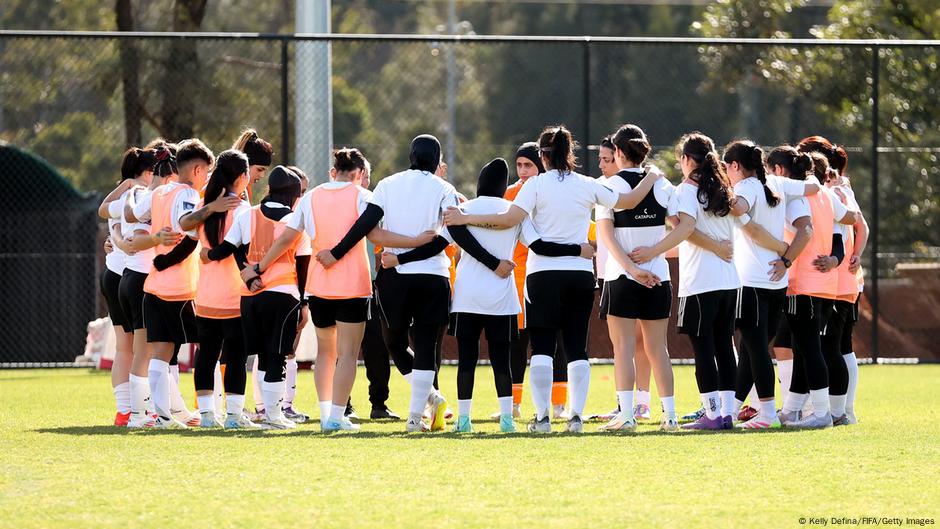
The Struggle of Afghanistan’s Female Footballers
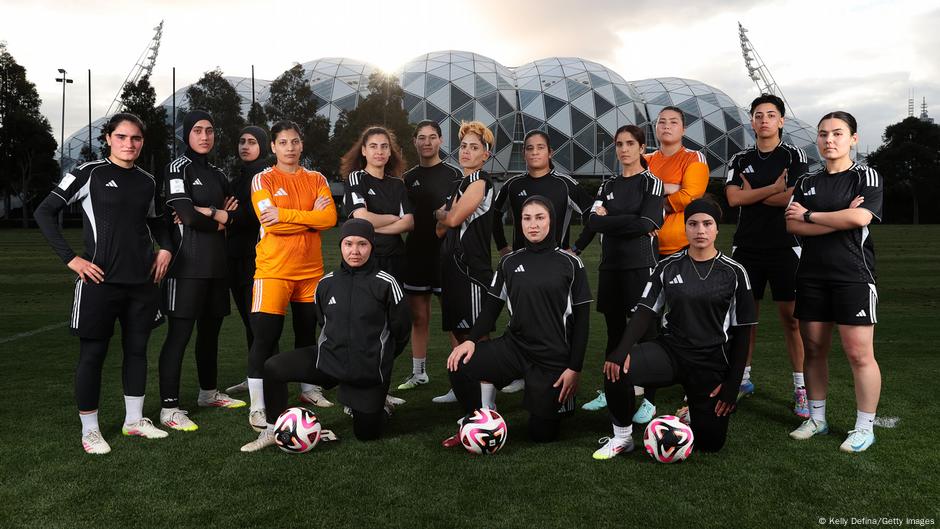
After four years of fighting for recognition, Afghanistan’s female footballers believed they would finally achieve their dream this week. However, instead of stepping onto the field in the United Arab Emirates (UAE), they are now stuck waiting at airports and at home, with their visas to enter the UAE repeatedly rejected.
More than a week after they were supposed to arrive in Dubai for their first FIFA-recognized match since being forced into exile by the Taliban, the Afghan women’s refugee team is left in limbo. Their entry visas have been denied, and FIFA has provided no information on whether the tournament will proceed as planned.
The team was set to play its first match since 2021 against Chad on Thursday as part of a four-team tournament called the “FIFA Unites Women’s Series 2025.” Instead, the squad has been turned away at airports multiple times, leaving them in a state of uncertainty.
Given the flight time from Australia, where most of the players are based, to the UAE is about 14 hours, it seems impossible that the original schedule can be maintained. Yet, the tournament remains listed on FIFA’s website, and the world football governing body has not communicated any decisions or updates.
A History of Struggle and Disappointment
Human rights lawyer Alison Battison helped the players escape Afghanistan in 2021 and later assisted with their documentation for staying in Australia. While FIFA has not allowed the players to speak publicly, Battison said the mood among them is one of frustration and disappointment.
“Without referencing any specific players, I think you could say that there is a general atmosphere of abandonment, trauma, and disillusionment,” she told PasarModern.com.
“The history of this team is such that it’s really not just about sport. It’s about women’s rights and liberty to be who they can be, particularly for Afghan women, but also for women in other repressed societies. There is a lot of pressure on these women to succeed, to prove that they shouldn’t just be back in the kitchen and making babies.”
The Taliban have been especially brutal toward women, with those who play sports facing particular risks. As such, the opportunity for the football team to participate in a FIFA tournament was seen as a significant step forward.
Battison, who deals with visa issues for refugees on a daily basis, explained that the responsibility of issuing visas would have fallen to FIFA. However, it is likely that the UAE has blocked the applications, which can sit indefinitely.
“It is incredibly strange that you would have a FIFA-organized event in the UAE, which includes a team from the UAE and then the entity that is hosting it and has the power to issue visas, hasn’t done so to one team. So there has to be something much bigger than women’s sport in play.”
The Role of the UAE and Diplomatic Ties
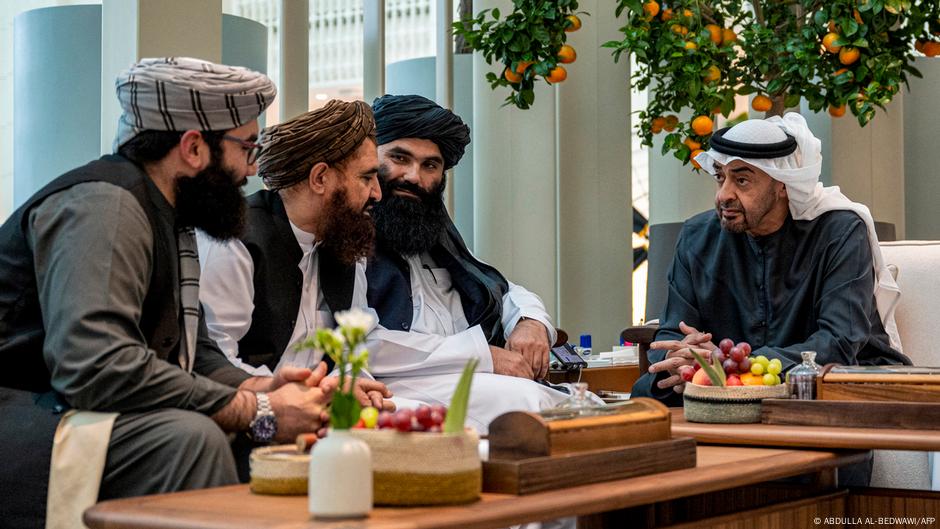
The UAE is one of only a few countries that recognize the Taliban on a diplomatic level. The gulf state accepted the credentials of a Taliban-appointed diplomat as the ambassador of Afghanistan last year and welcomed the Taliban’s minister of foreign affairs, Mawlawi Amir Khan Muttaqi, to the country earlier this year.
The UAE also has a substantial Afghan diaspora population of about 300,000 in a country of about 10 million people. It is not a signatory to the United Nations refugee convention.
The lack of concrete information about why the Afghan players had their visa applications rejected and whether the tournament will still go ahead has left them in a difficult position.
“There’s cultural embarrassment for the women themselves, because they’ve been built up as beacons of hope with a lot of people against them. It just gives ammunition to people who doubted them.”
Personal and Financial Impact
Battison has spent thousands of dollars on travel and accommodation to attend the tournament as a fan but will now likely be unable to watch any football. She added that she also found no way to actually buy a ticket for the opening match.
“I’m going to be flying for 14 hours to not watch a game and stay overnight in the players’ accommodation with no players there and then get up early and fly out. So perhaps not the greatest trip of my life,” she said.
However, she emphasized that her financial losses were insignificant compared to the situation for the players.
“These women aren’t getting paid, so they all have jobs or they’re in school. A lot of them have the best English in their families and the most secure jobs in their families. So taking time off work and from education impacts not only them, but their families as well.”
Ongoing Uncertainty and Concerns
Battison added that, in some cases, players’ families were not supportive of their choice to play football, and their decision to do so still means they are “targeted” by the Taliban.
“For this to happen to the women when they’re meant to be going to their first major tournament really gives support to anyone who doubted them. Has it been worthwhile ripping families apart? Well, at the moment, no. There are other questions about settling in Australia and the UK and other places, but when the basis of it was sport, it’s a pretty dire and psychologically bad situation.”
What happens next is unclear. While FIFA has remained silent, there have been reports that the organization is looking to move the tournament elsewhere, with Qatar and Jordan mentioned. Battison believes this would be a mistake, citing security issues for players and their families as a primary concern, along with the logistics of travel, training, and visas.
Whatever happens, the wait and uncertainty for a group of players that have overcome so much to get to this point continues.


