The Gen Z Movement in Nepal Faces Internal Divisions
Kathmandu, Oct. 12 — The interim government in Nepal is grappling with a complex challenge as it tries to navigate the diverse and often conflicting voices of the Gen Z movement. This generation, known for its activism and demands for change, has splintered into multiple groups, each with its own agenda and perspective on how the government should respond.
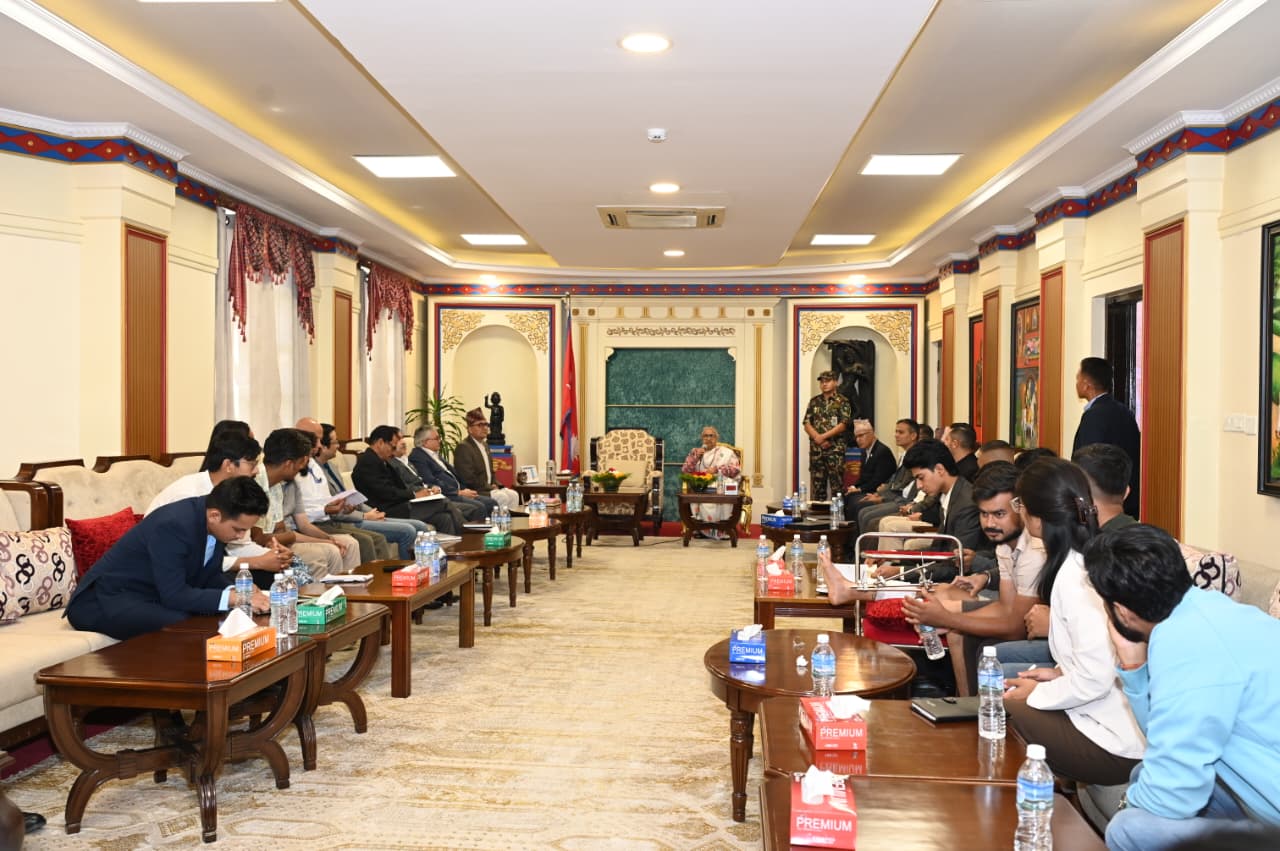
A significant division emerged on Saturday when President Ramchandra Paudel invited a group representing Gen Z for discussions at his office. While one faction led by Sudan Gurung attended the meeting at Sheetal Niwas, another group protested outside, accusing Gurung and his team of being “foreign agents” and “anti-national.”
President Paudel, who was unwell, did not personally engage with the group of 20 Gen Z leaders and representatives but instead directed them to speak with Prime Minister Sushila Karki. However, those who were unable to attend the meeting at the presidential office took to the streets in protest.
On Friday, the president had held discussions with political party leaders, urging them to focus on the upcoming elections scheduled for March 5. The current situation highlights the growing tension within the Gen Z movement, as different factions continue to clash over representation and direction.
Former Prime Minister Baburam Bhattarai, a supporter of the Gen Z movement, expressed concerns about the lack of clarity regarding who truly represents the movement. He stated that it is essential for the interim government to recognize the original leaders of the movement and distinguish between those who supported it from the beginning and those who joined later.
Government’s Response and Criticisms
Prime Minister Karki faced similar challenges during her meeting with Gen Z representatives. Over four hours of discussions, several leaders criticized the government for not addressing the demands of the movement and failing to act on the grievances of families affected by the September protests.
One Gen Z leader even called for Karki’s resignation and left the meeting, according to an aide. Some groups have forwarded different demands to the government, threatening to take to the streets if their concerns are not addressed.
During the meeting, Karki clarified that her government was not formed by “foreign powers” or run by NGOs and INGOs. She emphasized that her administration was established in line with the spirit of the September 8-9 Gen Z movement.
However, the group protesting outside the President’s Office accused the government of sidelining genuine Gen Z activists, claiming that individuals posing as leaders were engaging in inappropriate actions.
Calls for Unity and Clarity
Bhattarai advised the interim government to be clear about the leadership of the Gen Z movement. He suggested that those who initiated the movement should be recognized as main representatives, while those who supported it later should be acknowledged as supporters.
Sudan Gurung, widely seen as a leader of the Gen Z movement, attempted to address the divisions among the groups. In a Facebook post, he mentioned that the movement had spent a month trying to unite different factions without success. He pledged to focus on what benefits the country and avoid seeking approval from any particular group.
Karki emphasized that the government and protesters are two sides of the same coin, advocating for mutual understanding to find a solution. Miraj Dhungana, a leading Gen Z campaigner, said that a new force may emerge from the elections and urged the prime minister to include those who played a significant role in the movement’s success.
Ongoing Concerns and Discontent
After meeting the prime minister, another Gen Z representative, Rakshya Bam, issued a statement calling for all stakeholders to participate in the elections. She highlighted the need for institutionalizing the truth of the uprising and urged political parties to regain people’s trust.
Those left outside the President’s Office expressed outrage, questioning how Gurung, who was seen distributing water to protesters, became a leader. They raised concerns about the selection of representatives, noting that the list included individuals from the “American Embassy Youth Council Nepal” and NGOs rather than genuine Gen Z activists.
Purushottam Yadav, a member of the negotiation team, boycotted the talks, indicating dissatisfaction within the movement. A Gen Z leader noted that the government seemed to be holding discussions in phases due to the fragmented nature of the movement.
Some youths, including Bam, indicated they would present their views through a public statement. Provincial coordinators from Gurung’s group also expressed dissatisfaction, criticizing him for not including them in the talks.
Core Agendas and Government Commitments
During the meeting, most Gen Z representatives reminded Karki of the core agendas: corruption control and action against those responsible for suppressing the movement. Some requested the arrest of former Prime Minister KP Sharma Oli and his home minister Ramesh Lekhak, who were in power during the killing of 19 youths on September 8.
Finance Minister Rameshore Khanal assured the leaders that the government would adopt a zero-tolerance policy for corruption. He mentioned that actions were being taken based on complaints received and that the government was moving forward in line with the spirit of the movement.
Another group of Gen Z representatives issued a public appeal, stating that their demand for the restoration of monarchy had been ignored. Sanatan Rijal, spokesperson for the Gen Z Alliance for Monarchy, warned against giving prominence to those trying to hijack the movement.


