Government Allocates 26.2 Trillion Won to Address Middle East War Crisis
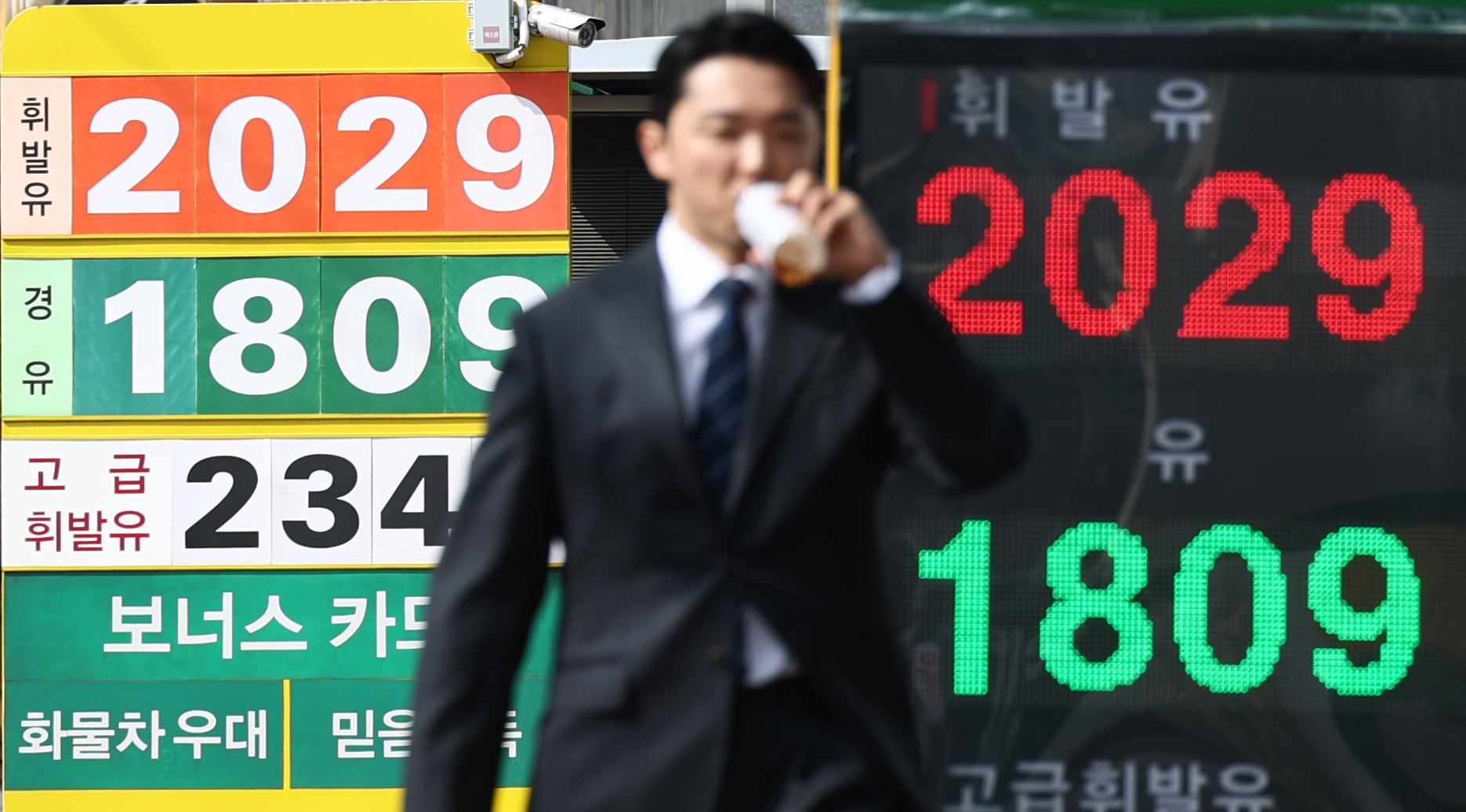
The government has introduced a supplementary budget of 26.2 trillion Korean won to address the economic challenges arising from the Middle East war crisis. A significant portion of this budget, 10.1 trillion won, is allocated to three major packages aimed at mitigating the burden of high oil prices.
High Oil Price Damage Support: Regional Currency Payments for Lower 70% Income Earners
One of the key initiatives under the package is a 4.8 trillion won fund designed to support individuals affected by rising oil prices. This program will benefit 35.77 million people, including those in the lower 70% income bracket, near-poor households, single-parent families, and recipients of basic livelihood security. The payments range from 100,000 to 600,000 Korean won per person, with variations based on region and vulnerability.
Individuals in the capital area who fall within the lower 70% income bracket will receive a base payment of 100,000 Korean won, while non-capital area residents will get 150,000 Korean won. Those in special population-declining regions will receive 200,000 Korean won, and those in preferential regions will get 250,000 Korean won. Near-poor households and basic livelihood security recipients will also receive higher amounts, with some eligible for up to 600,000 Korean won.
Cho Yong-beom, Director of the Budget Office, explained that the income threshold was set at the lower 70% to ensure broader coverage. “Limiting support to the lower 50% would exclude some middle-income earners between 50–150% of the median income. Given that the Middle East crisis has impacted not only low-income but also middle-income groups through inflation and economic slowdown, expanding support was necessary.”
Based on the Ministry of Health and Welfare’s 2025 median income data, a three-person household earning 8,040,000 Korean won monthly or a four-person household earning 9,740,000 Korean won would qualify for the support. The government plans to prioritize rapid disbursement to basic livelihood security recipients and near-poor households using existing data, followed by a second phase for the lower 70% income bracket based on health insurance premiums.
Expansion of Public Transportation Refunds
In addition to the direct financial support, the government will expand public transportation refunds nationwide. The “K-Pass” (basic type) currently offers refunds based on usage frequency, but the refund rate will temporarily increase by 10–30 percentage points for six months. Low-income groups using public transportation 15+ times monthly will see refunds rise from 53% to 83%. Three-child households will see refunds jump from 50% to 75%, youth and two-child households or seniors from 30% to 45%, and general households from 20% to 30%. The government estimates this will attract approximately 650,000 new K-Pass users.
Reserve Fund for Oil Price Cap System
The supplementary budget includes 5 trillion Korean won in reserves to sustain the ongoing oil price cap system. This fund ensures smooth implementation of the oil price cap and addresses potential naphtha supply crises if the situation prolongs. Breakdowns include 4.2 trillion Korean won for oil price cap support, 500 billion Korean won for three months of naphtha supply stabilization, and 300 billion Korean won to cover fuel cost shortfalls.
The 4.2 trillion won for the oil price cap covers settlements for two quarters (March–September). Losses incurred by refiners under the cap will be verified by a committee of accounting, legal, and oil experts before government reimbursement. Settlements for the second quarter (June–September) will take 2–3 months, delaying full disbursement until late this year. A government official clarified, “If the oil price cap extends beyond September, related costs will be included in next year’s budget.”
Support for Vulnerable Groups: Small Businesses, Youth, and Others
The budget allocates 2.8 trillion won to stabilize livelihoods, including support for low-income groups, small businesses, youth entrepreneurship, discounted agricultural products, and cultural subsidies. A Planning Office official emphasized, “In tough economic times, vulnerable groups like youth and cultural workers face disproportionate impacts, necessitating targeted aid.”
Measures include expanding “Just Dream Centers” (providing basic necessities) from 150 to 300 locations and supplying additional emergency funds for small businesses. A 100 billion Korean won “K-New Deal Academy” will be established to help unemployed youth enter the labor market through vocational training led by major corporations. The government also plans to create 23,000 public-sector jobs, including 9,500 tax delinquency management roles and 5,000 agricultural land survey positions.
To stimulate consumption in the culture and tourism sectors, 58.6 billion Korean won will fund discounted movie tickets, performances, and accommodations.
월 5900원 멤버십, 신문 독자에게는 2900원, 조선멤버십
55000원 상당의 신문-잡지 8종 마음껏 보기, 조선멤버십
현금처럼 쓸 7000포인트 받아 알뜰한 쇼핑, 조선멤버십