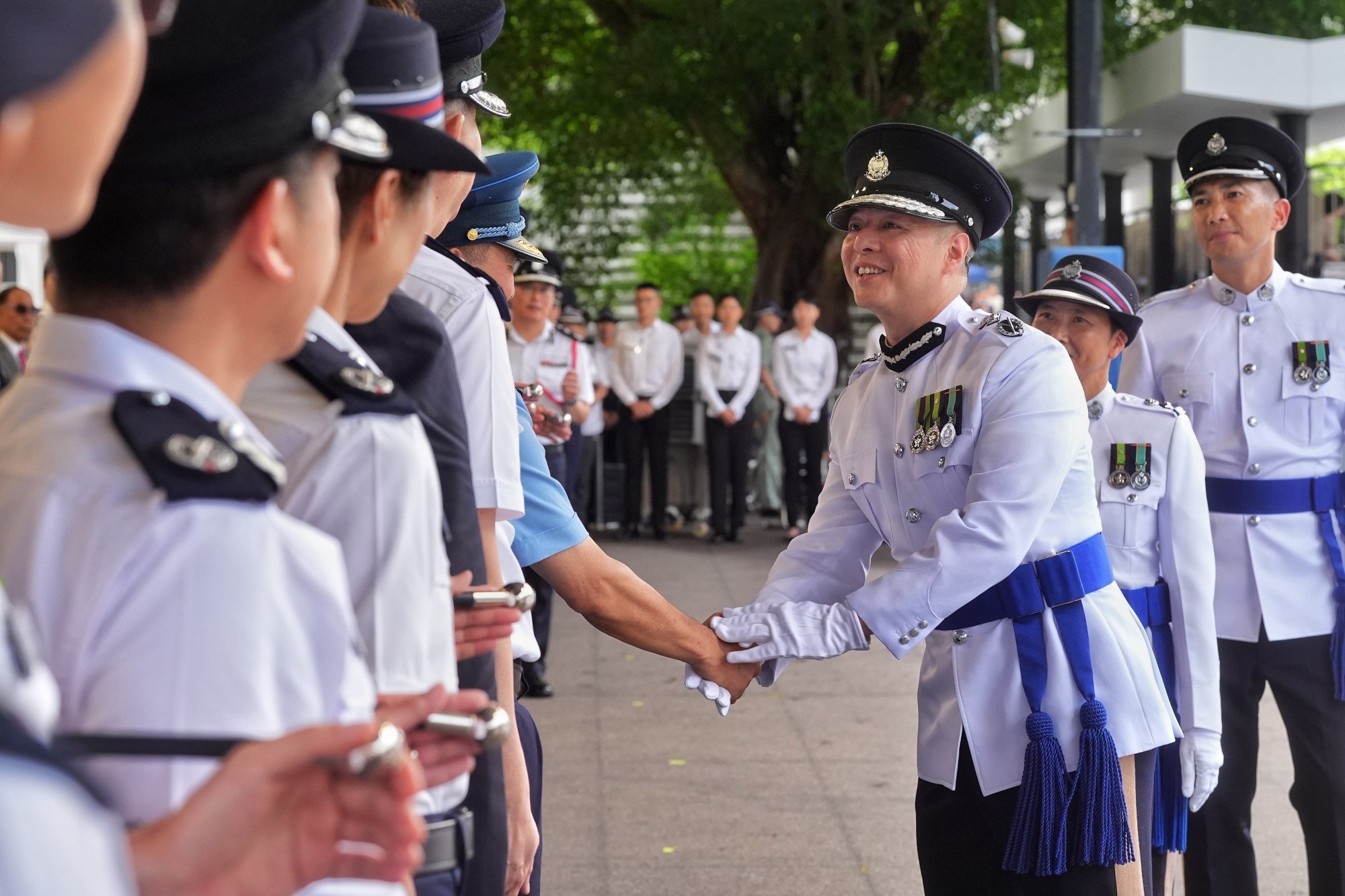
Enhancing Transparency and Public Trust
The public’s growing demand for transparency has placed new challenges on the Hong Kong police force, according to Police Commissioner Joe Chow Yat-ming. He emphasized the importance of keeping residents informed about police operations without compromising ongoing investigations. This approach is part of a broader strategy to build trust and ensure the community understands the role of the police in maintaining safety and order.
Chow highlighted that the rise of social media has significantly influenced public expectations, creating a greater desire for information about police work. “We have to be more transparent to let the public know, to understand our work. So at least after they understand our work, they will assist us,” he stated. This sentiment underscores the need for open communication between the police and the public, which can lead to better cooperation and support.
Strategic Directions for the Police Force
Upon taking office in April, Chow outlined four strategic directions, with community policing being one of them. This initiative involves officers working closely with various stakeholders in the city to foster stronger relationships and collaboration. By engaging with the community, the police aim to enhance their understanding of local issues and improve their ability to address them effectively.
In addition to community policing, Chow emphasized the importance of integrity, professionalism, and values within the force. He mentioned that the police have a dedicated team responsible for investigating misconduct among officers. This proactive approach aims to identify and address any problematic behavior, ensuring that the force maintains high standards of conduct.
Balancing Transparency and Investigation
While transparency is crucial, Chow also stressed the need to balance it with the progress of criminal investigations. He explained that some cases may not be as straightforward as they appear, and premature disclosure could jeopardize the investigation and lead to the loss of valuable evidence. “We are still working on it behind the scenes, and there are still lines of inquiry that we have to be very careful about,” he said.
This balance is essential to maintain the integrity of the investigative process while keeping the public informed. Chow assured that the police would communicate openly about any wrongdoing by officers, doing so in a fair and transparent manner. This commitment to accountability is vital in rebuilding trust and demonstrating the force’s dedication to justice.
Addressing Officer Misconduct
Chow expressed his zero-tolerance stance on officer misconduct, calling the arrests of members of the force “heartbreaking and unacceptable.” He emphasized the importance of integrity during foundational and in-service training for officers. By instilling these values from the beginning, the police aim to cultivate a culture of responsibility and ethical behavior.
Recent data shows that 22 officers have been arrested for suspected involvement in criminal offences this year up to the end of June. Over the past five years, the annual average number of officers arrested was 39. These figures highlight the ongoing efforts to address misconduct within the force and maintain public confidence.
Strengthening Internal Cohesion
Internally, Chow introduced the concept of “One Force” to unite officers and reinforce teamwork as a core value. With a force of 27,000 members, fostering a sense of unity is crucial for effective collaboration and operational success. Chow, who has served on the force for nearly three decades, believes that teamwork is fundamental to the police’s mission.
Data provided to the Legislative Council indicates an increase in resignations over the past few years, with 247 resignations recorded in the 2024-25 financial year up to the end of February. However, Chow described the numbers as fluctuating and not alarming. He emphasized the importance of providing good career development opportunities to retain officers, highlighting the diversity of job rotations available within the force.
Training and International Collaboration
Chow has worked to send officers overseas and to mainland China for training opportunities, aiming to enhance their skills and knowledge. He noted that while there may be differences in the environments, the fundamentals of policing remain consistent. “You just can’t differentiate [that] the mainland and overseas are different. Actually, policing is policing,” he said.
Despite challenges faced by the police force, including strained relations with the public during the anti-government protests in 2019 and the rise of scams in recent years, Chow remains optimistic about the current relationship. He believes that the police have made significant efforts to keep the city safe, and residents can appreciate the work through the sense of security they experience daily.
Conclusion
The path forward for the Hong Kong police force involves a commitment to transparency, integrity, and community engagement. By addressing public concerns, maintaining high standards of conduct, and fostering internal cohesion, the force aims to rebuild trust and ensure the safety and well-being of the community. Through continuous improvement and collaboration, the police hope to strengthen their role as guardians of peace and order in Hong Kong.