A Growing Divide: Progressive Voices Advocate for Cutting Ties with Trump-Supporting Family Members
In recent discussions among progressive circles, a controversial idea has gained traction: the notion of cutting off family members who support Donald Trump. This approach is being championed by some as a necessary step to protect one’s mental and emotional well-being in an increasingly polarized society.
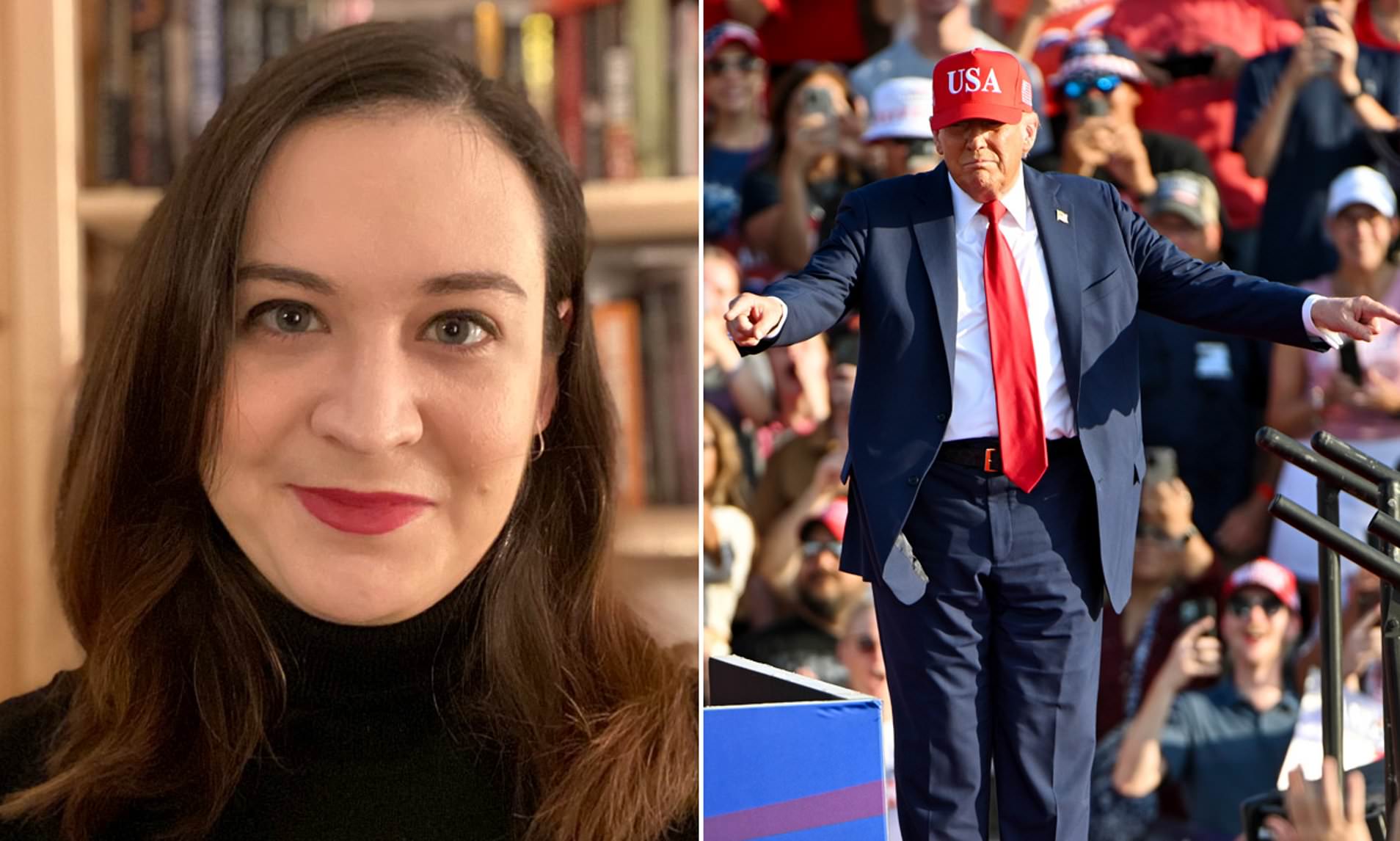
Sarah Jones, a writer for New York Magazine, has been vocal about her belief that severing ties with right-wing relatives is sometimes the only viable option. She argues that maintaining relationships with family members who hold opposing political views can be emotionally taxing and even harmful. “Sometimes the act of knowing a person leaves you with no choice but to move on without them,” she wrote. Her perspective was shaped by personal experiences, as she comes from a conservative family and has faced challenges in navigating these differences.
Jones emphasized that while shunning may not serve as an effective political strategy, it can have natural consequences for how people interact and behave. She shared a link to her article on social media, stating, “Should you cut off your MAGA relatives? That’s up to you, in the end, but I think it’s a perfectly reasonable choice to make.”
Her comments were a response to a guest essay by David Litt, a former Obama speechwriter, who argued for reaching across the aisle when dealing with family members with differing political views. Litt shared a personal anecdote about reconnecting with his anti-Covid vaccine, Joe Rogan-loving brother-in-law through their shared interest in surfing. He warned that shunning could play into the hands of demagogues, making it easier for them to divide people and even incite violence.
However, Jones criticized Litt’s approach as “so naive it borders on malice.” Her stance has sparked heated debates online, with many users expressing disagreement. Some argued that cutting off family members over political differences would ultimately hurt the person making the decision. One commenter noted, “Seriously, the only one that would be hurt over time in this situation is you.” Others suggested that finding common ground and avoiding political discussions could be a more constructive approach.
The debate around this issue is not limited to Jones. MSNBC host Joy Reid previously interviewed Dr. Amanda Calhoun, a child psychiatry fellow at Yale University, who expressed similar sentiments. During an interview on The Reid Out, Calhoun discussed coping strategies for those upset by Trump’s election win. She stated that there is no societal obligation to spend time with family members who vote for Trump, emphasizing that family should not automatically be entitled to one’s time.
This growing trend reflects a broader cultural shift in how people are handling political disagreements within their families. According to a study by The Harris Poll, half of American adults are estranged from a relative, with one in five citing political differences as the reason. The phenomenon has become more pronounced since Trump returned to office, highlighting the deepening divides in American society.
While some see cutting ties as a form of self-preservation, others view it as a loss of connection and understanding. The question remains: where does one draw the line between protecting oneself and maintaining family bonds? As political polarization continues to shape public discourse, the challenge of navigating these complex relationships will likely persist.