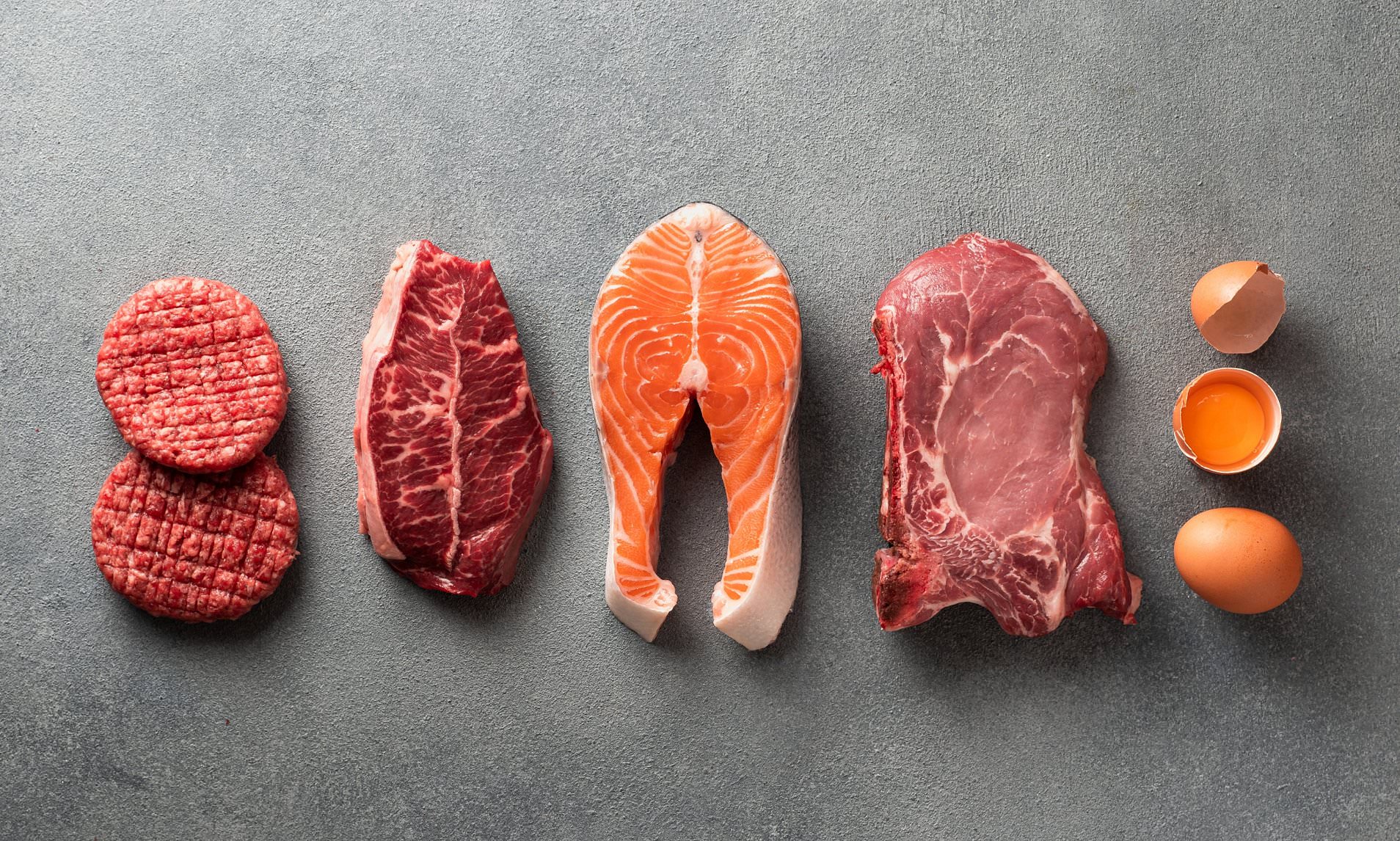
The Growing Obsession with Protein and Its Potential Risks
In recent years, the message to consume more protein has become a common refrain, especially among men who often prioritize it over other macronutrients. However, experts are now warning that this advice might not only be misleading but could also pose serious health risks if taken to extremes.
According to reports, around half of adults in 2024 increased their protein intake, and the number of supermarket products labeled with “added” protein has seen a significant rise. This trend is further supported by the global protein bar market, which is projected to reach £5.6 billion by 2029, as per Fortune Business Insights.
Social media platforms are also flooded with influencers like Joe Rogan and Bear Grylls promoting high-protein diets. These messages target a wide range of people, from menopausal women experiencing muscle loss to fitness enthusiasts aiming to build strength.
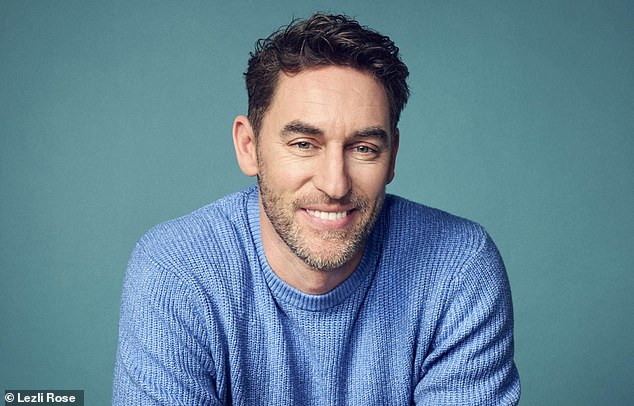
However, Rob Hobson, a registered nutritionist and author of Unprocess Your Life, emphasizes that protein should not be viewed in isolation. He highlights that carbohydrates and fats are equally important for overall health.
‘While protein is essential for health, strength, and maintaining muscles as we age, most people in the UK are already getting more than enough,’ Hobson explains. ‘On average, adults in the UK consume around 1.2g of protein per kilogram of bodyweight a day, which is already above government guidelines of 0.75g/kg/day.’
Men typically need around 60g of protein daily, while women require about 54g. For those over 50, the recommendation increases to approximately 1g per kilogram due to decreased absorption rates.
The Dangers of Excessive Protein Consumption
Protein is one of the three essential macronutrients, along with carbohydrates and fats, that the body needs for growth, development, and repair. It serves as the building block for every human cell, found in muscles, bones, tissues, skin, hair, and virtually every other part of the body.
It also plays a crucial role in enzymes that power biochemical reactions and is vital for the formation of hemoglobin, which carries oxygenated blood throughout the body. While adequate protein intake is essential to prevent malnutrition and preserve muscle mass, consuming too much can lead to serious health complications, including kidney stones, heart disease, and even cancer.
‘The problem is that online messaging often takes these upper figures meant for small, specific groups and applies them universally,’ Hobson said. ‘For the average person, there’s no evidence that going far beyond your individual needs provides extra health benefits, and if anything, it may come at the expense of other key nutrients like fibre, vitamins, and minerals.’
Kidney Failure
When protein is consumed, it is broken down into amino acids used for tissue growth and recovery. This process produces waste products such as urea calcium, which are filtered out by the kidneys. However, excessive protein intake can place unnecessary strain on the kidneys, leading to kidney stones and even early-stage kidney failure.
The Menopause and Protein Needs
Dr. Federica Amati, one of the scientists behind the popular diet app ZOE, previously mentioned that our protein needs change over time, and it’s not always necessary to increase protein intake to compensate for the changes our bodies undergo as we age.
For example, women going through menopause face a higher risk of developing osteoporosis, a condition that weakens bones and makes it harder to maintain muscle mass. However, Dr. Amati warns that simply increasing protein intake won’t address this issue.
Research shows that a high intake of animal protein in midlife could increase the risk of cancer. A 2014 study from the University of Southern California involving over 6,000 adults over 50 found that a high-protein diet—where protein accounted for roughly 20% of total calories—was linked to increased risks of cancer, diabetes, and mortality.
Cancer Risk
In this study, adults with the highest protein intake were four times more likely to die of cancer compared to those on a low-protein diet. Other research suggests that tumours, including melanoma and breast cancer, may grow faster if a patient is on a high-protein diet.
This is thought to result from the overstimulation of a key cellular pathway responsible for growth, given that cancer is the uncontrolled proliferation of cells. However, it’s not just the volume of protein that’s to blame, but the type of protein being consumed.
As Professor Charles Swanton, a leading oncologist and chief clinician at Cancer Research UK, explains: bowel cancer risk is ‘much higher’ if you eat red or processed meats every single day. An unhealthy obsession with protein powders has also been linked to an increased risk of bowel cancer, as they alter the gut microbiome, triggering inflammation and releasing toxins.
How to Achieve the Right Balance
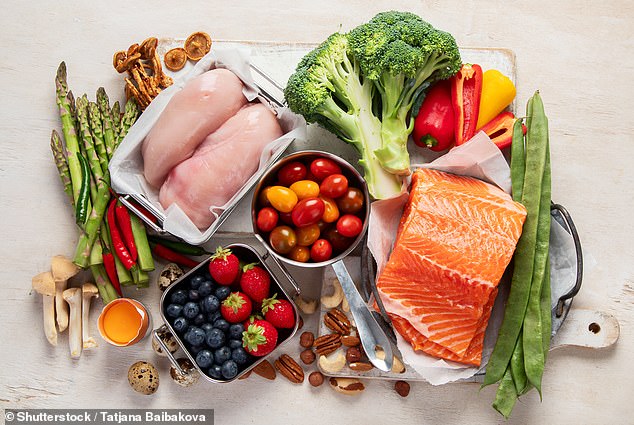
Rather than focusing solely on numbers, Hobson advises emphasizing a diverse range of high-quality protein sources. He recommends including a mix of plant and animal-based proteins, such as lentils, eggs, soy, nuts, fish, poultry, and dairy, to easily meet protein goals.
For example, sprinkling nuts and seeds on your yogurt in the morning can ensure you start the day with over 10g of protein. A small chicken breast contains around 30g of protein, making it a great choice for lunch or dinner.
You can also boost your protein intake throughout the day by snacking on nuts, cheese, and fruit with nut butter if you’re concerned about meeting your goals.
‘Remember, most of us don’t need more protein, we just need better protein with a balanced diet,’ Hobson said.


