The Struggle for Igbo Representation in Nigerian Politics
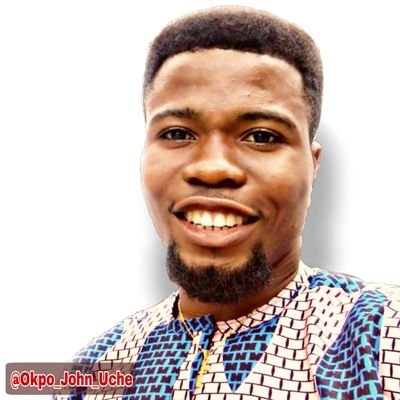
Chief John Uche, the first president of Ohaneze Ndigbo in Lagos State, has been vocal about the challenges faced by the Igbo people in achieving political representation at the national level. In an interview, he discusses the alleged political conspiracy against the Ndigbo and the difficulties in securing an Igbo presidency.
Why is it Difficult for the South-East to Produce a President?
The Igbo people have consistently tried to secure a presidential position, but they have not succeeded yet. Chief Uche believes that this time around, things will change. He emphasizes the need for the Igbo to align with other ethnic groups to achieve their goals. According to him, the Igbo are the most populous tribe in Nigeria, especially in Lagos State. He respects President Tinubu, citing his efforts during the 2006 census when he organized his own count, which showed that the Igbo population was 9.2 million out of a total of 17.8 million in Lagos.
In 2023, according to INEC records, the Igbo population in Lagos is 4.8 million out of a total of 6.6 million. Chief Uche argues that the Igbo should be able to win over Alausa, but they are respecting the law of the land. He asserts that in every free and fair election, the Igbo people will win. However, he also points out that religion and tribalism are major obstacles in Nigeria.
The Role of Ohaneze Ndigbo
Ohaneze Ndigbo was not initially established as a political group. It was formed after the civil war in 1975 as a socio-cultural organization. Prior to its formation, there was the Igbo State Union (ISU), which was proscribed in 1965. Traditional rulers and eminent Igbo personalities were the handlers of Ohaneze until political parties like the NPA and NPP introduced politics into the group, leading to a crisis.
After the crisis, Ohaneze continued as the apex socio-cultural group for the Ndigbo. The formation of political parties like APGA and PDC was a result of the need for the Igbo to have their own political voice. Chief Uche recalls how the All Progressives Grand Alliance (APGA) was formed due to the marginalization of the Igbo in Lagos politics.
The Rise and Fall of APGA
APGA was registered as a political party after several attempts and changes in name. Chief Uche explains that the party was initially named UPGA, but due to the opposition from former President Obasanjo, it was renamed to APGA. The party had some success, winning states like Imo and Anambra. However, internal conflicts and leadership issues led to its decline.
Chief Uche left APGA for the Labour Party due to leadership tussles. He now supports the Labour Party and also works with the ADC, a coalition party founded by Ralph Nwosu, a former APGA member. He believes that the ADC can serve as a platform for the Igbo people to gain more political influence.
Political Preferences and Current Challenges
When asked about his preference between Vice President Atiku Abubakar and Peter Obi as a coalition candidate for the ADC, Chief Uche emphasized that the focus should be on the interests of the Igbo people rather than individual ambitions. He acknowledges Atiku’s strengths but believes that moral considerations are important in politics.
Regarding President Bola Tinubu’s administration, Chief Uche notes that while there have been improvements, the Igbo people still feel marginalized. He criticizes the lack of federal presence in the South East, pointing out the poor state of infrastructure and the absence of federal industries in the region.
Conclusion
Chief Uche’s insights highlight the ongoing struggles of the Igbo people in Nigerian politics. Despite their numerical strength, they face challenges related to tribalism, religion, and political marginalization. The formation of political parties and coalitions like APGA and ADC represents efforts to address these issues. However, sustained efforts and unity are essential for the Igbo to achieve their political aspirations.


