Rural Industrialisation and the Rise of Masawu in Muzarabani
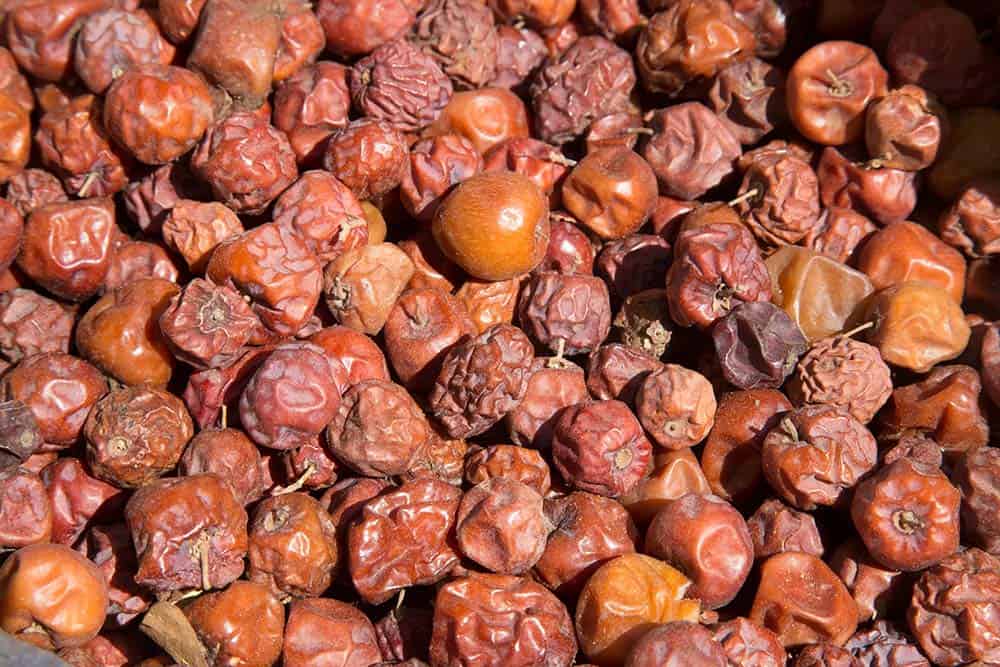
President Mnangagwa’s rural industrialisation initiative is creating new economic opportunities, with villagers in Muzarabani now generating income by harvesting and processing wild masawu fruits. This initiative is part of a broader strategy to advance rural development and create economic hubs in remote areas. The approach seeks to bridge the urban-rural development gap by encouraging value addition and decentralising economic activity.
In Zimbabwe, several key policies and projects have been implemented under President Mnangagwa’s administration to support this vision. These efforts are primarily driven by the devolution agenda, which aims to empower local communities and foster sustainable growth. One of the most notable examples of this strategy is the transformation of the masawu fruit into a valuable commodity in Muzarabani.
Blending Tradition and Innovation
The programme in Muzarabani is blending traditional knowledge with modern scientific methods to turn the collection of indigenous fruits into a viable livelihood. This effort is part of a larger Government drive to stimulate growth in rural communities. Masawu, the hardy, tangy wild fruit that dots the valleys of Muzarabani, has become a symbol of hope and prosperity as communities rally to protect the trees from destruction.
The transformation has been inspired by a new wave of rural industrialisation led by the Bindura University of Science Education (BUSE). What was once a seasonal fruit collected casually from the bush has now become a valuable raw material powering an emerging rural economy. Through its Innovation Hub, commissioned by President Mnangagwa in 2022, BUSE began experimenting with masawu-based products, from juices to jams, blending traditional knowledge with modern food science.
Economic Opportunities and Community Impact
The Masawu Value Addition Plant in Muzarabani is part of a broader rural industrialisation programme championed by President Mnangagwa, which seeks to create jobs and opportunities closer to where people live. For the people of Muzarabani, masawu is now more than just a fruit; it is the root of a new livelihood.
As the valley turns golden with ripe masawu, villagers have every reason to guard the trees, not only for their fruits but for the future they promise. About 45 kilometres from Muzarabani Centre, in Sohwe Village, families were busy picking fruits beneath the sprawling masawu trees when our news crew visited.
Mrs Lowin Kasamunzira said every family now fences off its trees to protect them from animals and outsiders. “Cattle and goats feed on masawu because of the perennial droughts we experience in Muzarabani,” she said. “Now that we have struck gold with masawu, we move from our homes and set up camp close to the trees during the masawu season.”
The masawu season runs from July to November, with August being the peak month. During this period, villagers spend entire days picking fruits. Mrs Nyengeterai Madziwa said families even build makeshift shelters near their gardens to stay close to the trees. “One can pick seven or more buckets a day. We have a collection point in the village, where BUSE officials buy the fruits,” she said. “We grade them according to size, and a bucket costs up to US$3. We are paid cash on the spot; sometimes, one can go home with US$300 or more.”
Economic Transformation and New Markets
Before BUSE’s intervention, the community sold masawu to traders from Mbare Musika in Harare. Mr Max Matisika recalled how that trade was costly and inconvenient. “Sometimes we took the fruits to Mbare ourselves. We paid fees at the boom gate, on the bus, and again at the market. BUSE’s masawu plant is a huge advantage to us because now we sell locally without those expenses,” he said.
Mr Matisika added that villagers now stock the fruit like grain, as it also feeds their livestock. “We eat masawu, we make maheu (gununzvi), and sometimes exchange it for grain with communities in higher rainfall areas. In the past, people even brewed illicit beer (kachasu) from masawu.”
Mr Matisika laughed as he explained that men are not good pickers. “Men climb the trees and shake off the fruits for their wives to collect. But we accompany the women to protect them from other men,” he said.
Institutional Support and Future Prospects
BUSE Vice Chancellor Professor Eddie Mwenje said the project has not only sparked economic activity but also transformed local attitudes towards the masawu tree. “The trees are now fiercely protected as villagers realise their newfound economic value,” said Prof Mwenje. “Families are collecting fruits from various parts of the valley and selling them to the university. The income they earn helps parents send their children to school and buy household essentials. It’s a clear demonstration of how innovation can uplift rural livelihoods.”
He said the university’s initiative was guided by the Government’s Vision 2030 call for universities to lead innovation and drive industrialisation. “When His Excellency encouraged universities to establish innovation hubs and industrial parks, the vision was to turn ideas into industries,” said Prof Mwenje. “Through our Innovation Hub, we started producing juices based on masawu fruits, which are abundant in our province. Government saw it fit that we establish a plant that will produce masawu juice for consumption across Zimbabwe and, hopefully, beyond.”
Currently, the Masawu Value Addition Plant in Muzarabani is 94 percent complete, marking a major milestone in BUSE’s efforts to commercialise indigenous resources. “We have more than four flavours of masawu juice — masawu-baobab, masawu-tamarind, masawu-ginger and masawu-honey,” Prof Mwenje said. “Government supported us with funding to set up the plant, and the equipment is being manufactured in China. We look forward to its commissioning by His Excellency.”
At the construction site, project manager Mr Cephas Nzara said civil works were nearing completion, with final touches focusing on site drainage ahead of the rainy season. “Our construction phase is at 94 percent. We are working on drainage because the site has uneven terrain. Once that’s complete, we’ll move to equipment installation. We expect to finish by early October,” he said.
Job Creation and Social Impact
The construction project has also created job opportunities for locals, many of whom had never been formally employed before. Ruth Marikeza from Sohwe Village said the six months she has worked at the masawu plant have changed her life. “Jobs of this nature are not easy to come by in Muzarabani. The six months I’ve worked here have transformed my life. I’ve joined a lending and savings society so I can continue improving my life,” she said.
Another worker, Prisca Muchina, said employment opportunities for women are helping tackle social challenges. “Empowering women through jobs is a positive step towards ending domestic violence, child marriages and drug abuse,” she said.
For the people of Muzarabani, the musawu tree has become a symbol of dignity, resilience, and transformation.


