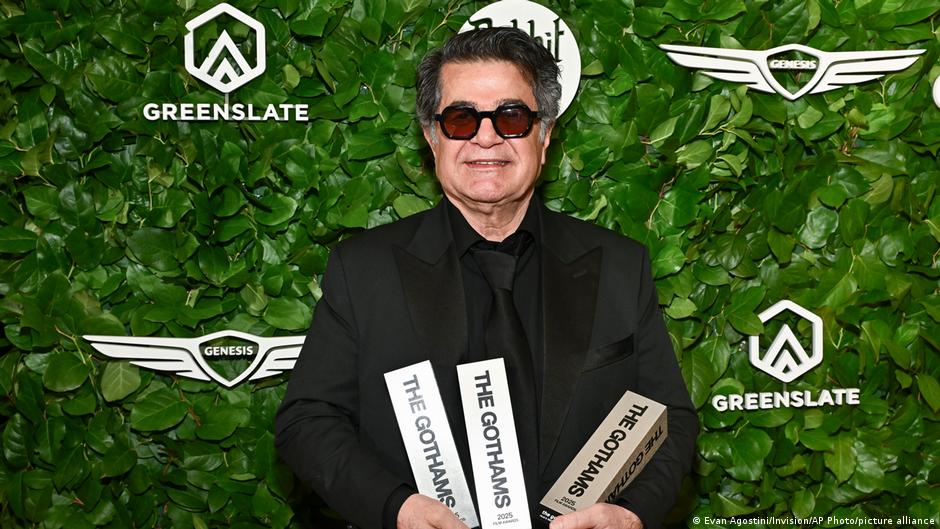
A Filmmaker’s Defiant Journey Through Censorship and Imprisonment
Jafar Panahi, an Iranian filmmaker known for his bold political narratives, has faced numerous challenges throughout his career. Recently, the Iranian Revolutionary Court sentenced him in absentia to one year in jail for engaging in “propaganda activities.” This is not the first time Panahi has encountered legal trouble; over the years, he has experienced censorship and imprisonment in his home country of Iran.
Panahi never intended to become a political filmmaker. In his own words, “In my definition, a political filmmaker defends an ideology where the good follow it and the bad oppose it.” However, his films often reflect the systemic issues within Iran, showcasing characters who are shaped by the system rather than personal choice.
A Career Marked by Resistance
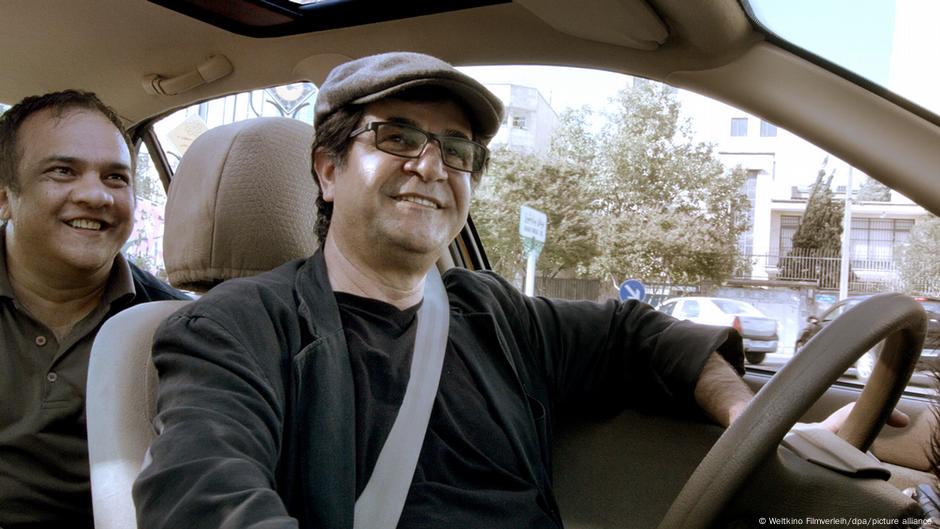
Following his support for the opposition Green Movement protests, Panahi was handed a 20-year ban on filmmaking and international travel in 2010 by Iranian authorities. Despite this, he found innovative ways to continue his work. He turned his living room into a movie set and used a car as a mobile studio, producing films like “This Is Not a Film” and “Taxi,” which won prestigious awards.
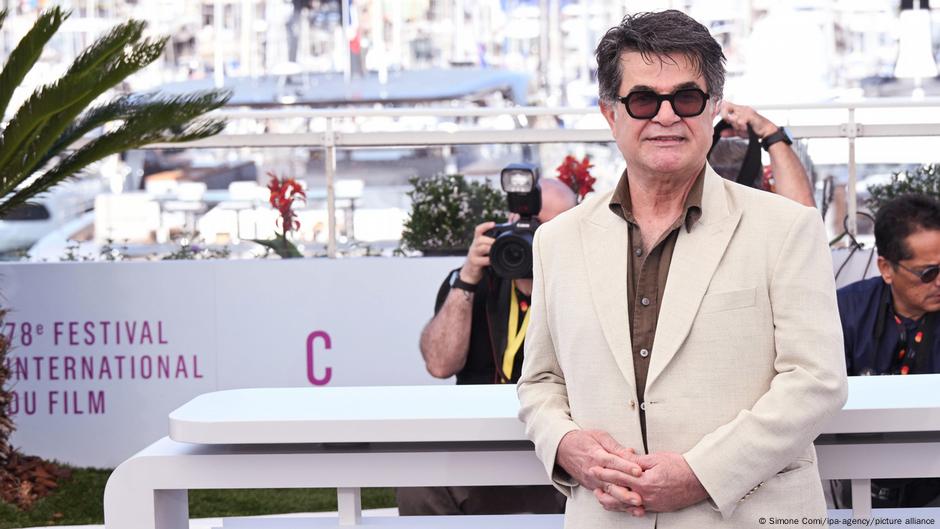
In 2025, Panahi received the Palme d’Or at the Cannes Film Festival for his film “It Was Just an Accident.” This achievement marked a significant moment in his career, especially considering the challenges he has faced.
From Prison to the Palais
Panahi’s journey to success has been anything but smooth. He was arrested in July 2022 and detained in Tehran’s Evin prison. After nearly seven months and a hunger strike, he was released in February 2023. His legal battle continued, with the Supreme Court overturning his original 2010 sentence.
Despite being legally free, Panahi remains bound by a system he refuses to submit to. “To make a film in the official way in Iran, you have to submit your script to the Islamic Guidance Ministry for approval,” he explains. “This is something I cannot do.”
A Thriller That Cuts Deep
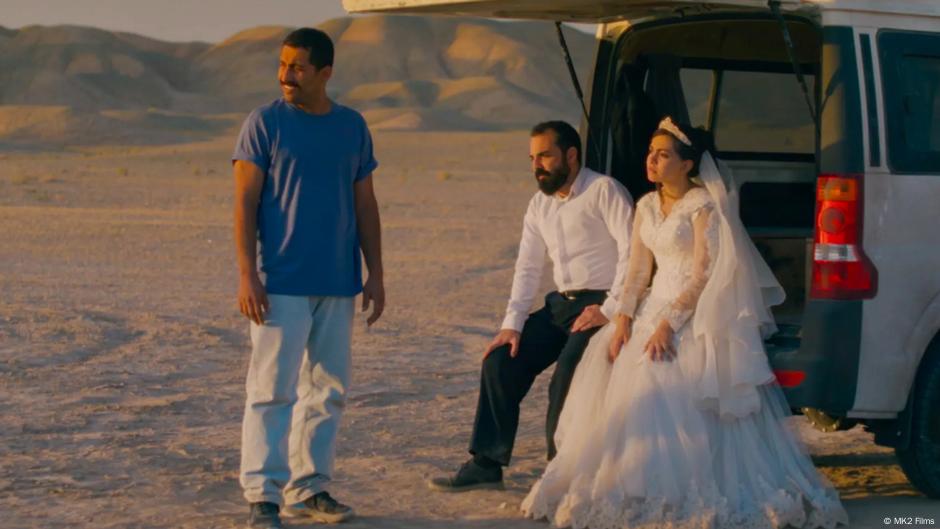
“It Was Just an Accident” is a sharp departure from Panahi’s previous works, featuring a taut, 24-hour drama that unfolds like a psychological thriller. The film opens with a banal tragedy — a man accidentally kills a dog with his car — and spirals into a reckoning with state-sanctioned cruelty.
The story follows Vahid, a mechanic who believes he has found his former torturer. As he seeks revenge, the film delves into the brutal experiences of those who have suffered under the regime. Panahi draws from his own experiences in prison, where he recalls being blindfolded during interrogations.
Filmmaking as the Only Option
Despite a career defined by resistance, Panahi insists he is simply doing what he knows best. “During my 20-year ban, even my closest friends had given up hope that I would ever make films again,” he said at the Cannes press conference for “It Was Just an Accident.”
He emphasizes that filmmaking is his only option. “I can’t change a lightbulb. I don’t know how to do anything except make films.” This dedication has kept him going, even during his lowest moments.
No Exile, No Escape
While many Iranian filmmakers have fled into exile, Panahi has no plans to join them. He finds it difficult to adjust to another society, stating, “I’m completely incapable of adjusting to another society.” He explains that filmmaking in Iran is a communal act of improvisation and trust, something he cannot replicate elsewhere.
Conclusion
Jafar Panahi’s journey is a testament to his resilience and commitment to his craft. Despite facing censorship, imprisonment, and legal challenges, he continues to create powerful films that challenge the status quo. His work serves as a reminder of the importance of artistic freedom and the power of storytelling in the face of oppression.


