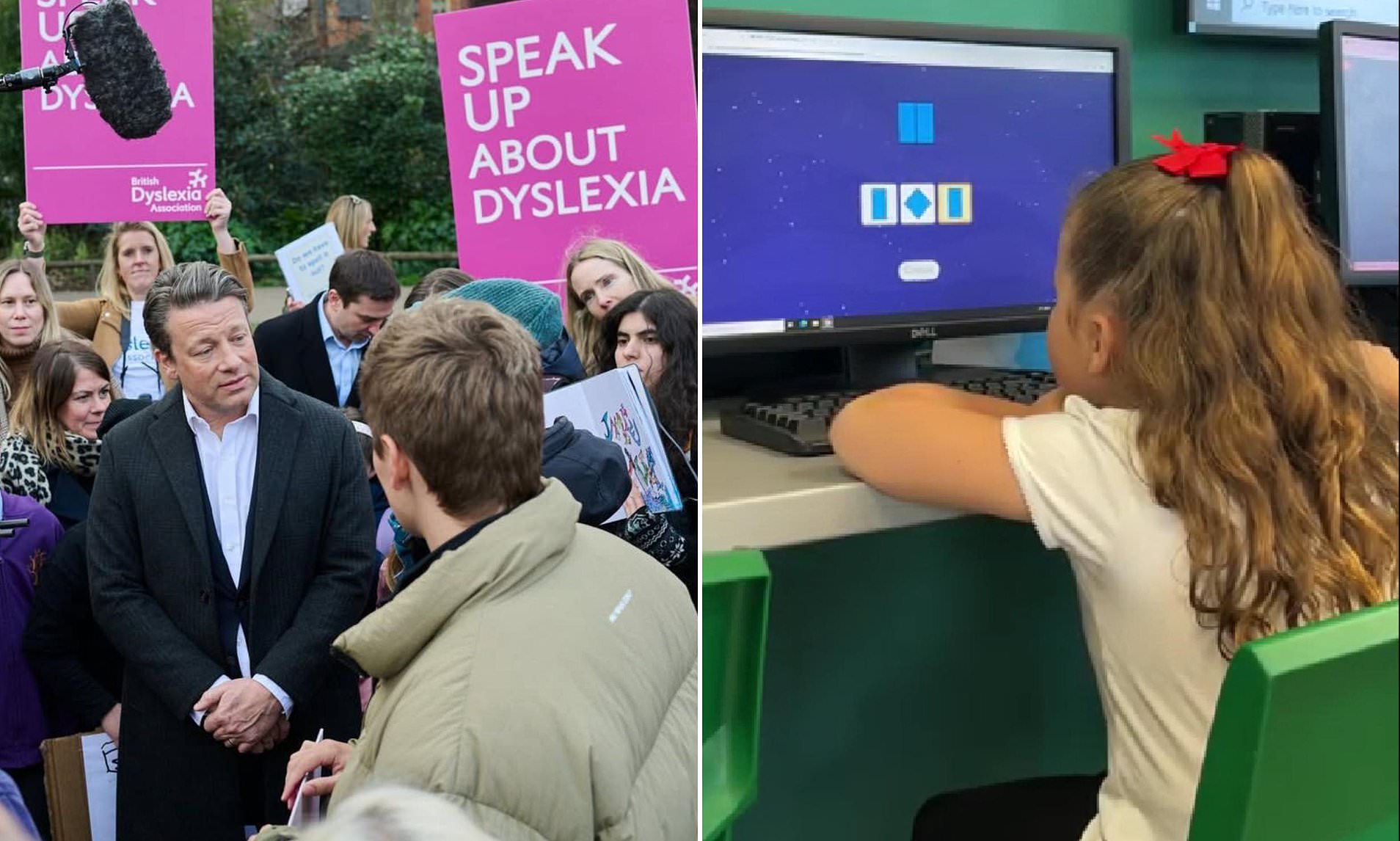
A New Tool for Early Dyslexia Screening
An innovative and affordable screening tool for dyslexia has been introduced, offering parents a more accessible way to identify learning difficulties in their children. This development comes as concerns grow over the high costs and long wait times associated with traditional diagnostic assessments.
The new tool, named Talamo, is a 45-minute digital test that provides a detailed analysis of a child’s cognitive abilities. It is significantly more cost-effective than conventional methods, which can cost up to £800 and take weeks to complete. Priced at just £60, Talamo tests memory, reading, spelling, and problem-solving skills through a series of puzzles and questions. The results are generated almost instantly, giving parents a clear understanding of their child’s strengths and areas needing support.
This assessment not only helps determine if a child may have dyslexia but also offers practical recommendations for teachers to better support their learning. The tool is being used in 560 schools across the country to screen entire classes, aiming to detect dyslexia early and provide tailored assistance to students who need it most.

The Importance of Early Detection
Dyslexia affects approximately 6.3 million people in the UK, making it the most common learning difficulty. Around 10 to 15% of schoolchildren are believed to have the condition, yet studies show that four out of five cases go undiagnosed. This lack of identification can lead to long-term consequences, including lower academic achievement, fewer job opportunities, and increased mental health challenges.
Currently, formal assessments require three hours of testing by an educational psychologist or trained specialist, followed by a detailed report. These evaluations are rarely available on the NHS, leaving many families without access to necessary support.

The Vision Behind Talamo
Talamo was developed by Jamie Wace, a 30-year-old tech entrepreneur who was diagnosed with dyslexia at the age of 14. His personal experience inspired him to create this tool, aiming to ensure that all children, regardless of their family’s financial situation, can receive the support they need.
Wace shared his thoughts on the importance of early diagnosis: “Things started to change for me when I got my diagnosis – it was actually a relief because I’d previously thought I was just a bit stupid.” He emphasized that while Talamo cannot officially diagnose dyslexia, it can serve as a valuable starting point for intervention.
How Talamo Works
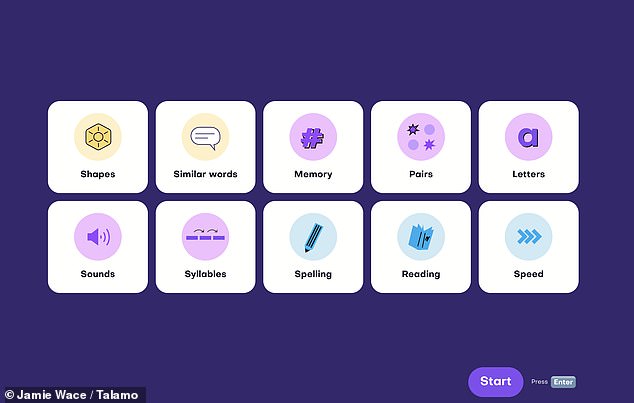
Talamo begins with a free initial questionnaire that helps parents determine if their child may benefit from the full assessment. The test, developed in collaboration with 50 specialists, covers ten key areas of cognitive function, including spatial reasoning, spelling, reading, memory, processing speed, and non-verbal reasoning.
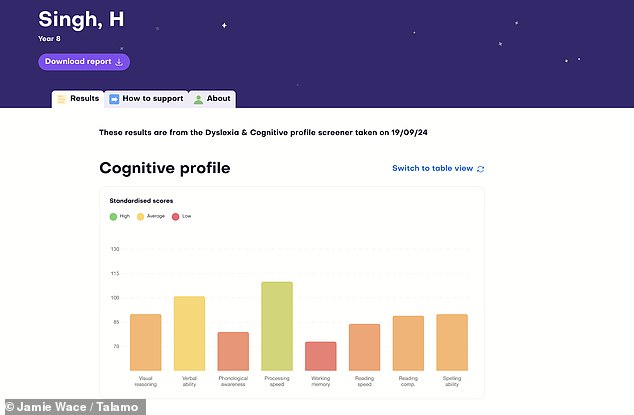
Once completed, the results are presented in a comprehensive report that highlights the likelihood of dyslexia and identifies specific weaknesses. The report also includes guidance for parents on how to support their child at home and suggestions for teachers to implement appropriate strategies in the classroom.
Real-World Impact
Michelle Catterson, headteacher at Moon Hall School, a specialist institution for children with dyslexia, has incorporated Talamo into its not-for-profit assessment center. She highlighted the tool’s potential to reduce the financial burden on families and improve access to support.
“Many parents don’t want to pay £600 for an assessment only to find out their child isn’t dyslexic,” she said. “This gives them confidence to proceed in the right direction.”
The Role of Advocacy
Celebrities such as Sam Thompson and Frankie Bridge, both of whom have a connection to dyslexia, have become ambassadors for Talamo. Their involvement, along with support from investors like Simon Squibb and Simon Rogerson, underscores the growing interest in improving dyslexia awareness and support.
Jamie Wace plans to expand access to Talamo through the Dyslexia Heroes campaign, which aims to bring the technology back to schools and provide training from the British Dyslexia Association.
Conclusion
As the demand for early and accessible dyslexia screening continues to rise, tools like Talamo offer a promising solution. By providing a quick, affordable, and informative assessment, they empower parents and educators to take proactive steps in supporting children with learning differences. With continued advocacy and investment, these innovations could play a crucial role in transforming the educational landscape for dyslexic students.


