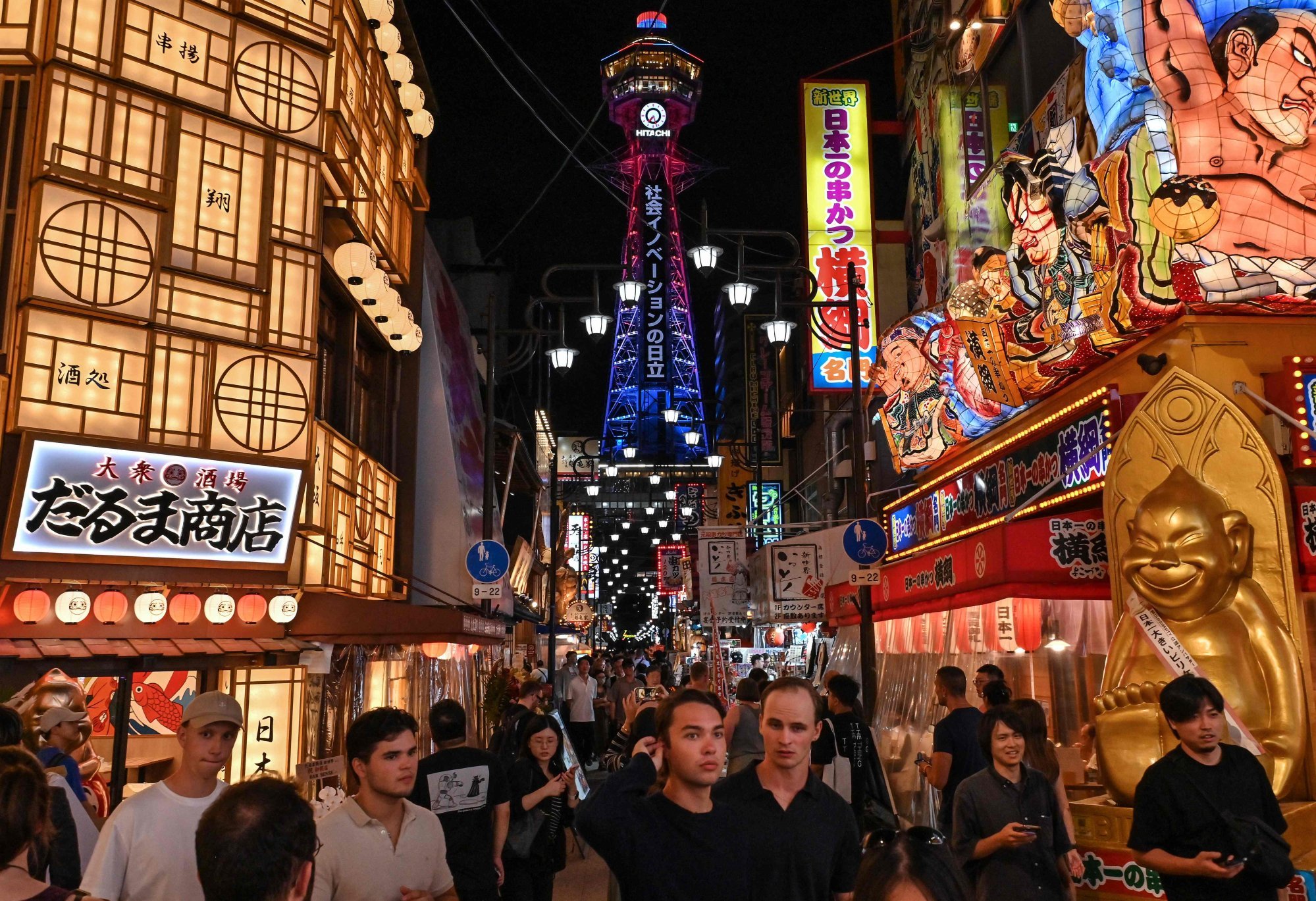
Shifting Attitudes in Japan Delay Visa Reforms for Chinese Tourists
Japan is experiencing a shift in public and political sentiment that has stalled plans to ease visa requirements for Chinese tourists. Despite the potential economic benefits of such reforms, concerns over overtourism and rising anti-foreign sentiment have kept the proposal on hold.
A long-awaited initiative aimed at granting 10-year multiple-entry visas to high-income Chinese travelers, extending group tour stays from 15 to 30 days, and simplifying paperwork for elderly visitors has yet to be implemented. Originally expected to roll out in spring, the delay has drawn attention from Japanese media and diplomatic sources. According to Kyodo News, the government had to push back the plan after a “sharp reaction within the ruling party,” as reported by a diplomatic source.
The proposal was first announced by Foreign Minister Takeshi Iwaya during a visit to Beijing in December. A government source described it as “a card played to get China to resolve pending issues,” referring to Beijing’s then-unresolved ban on Japanese seafood imports.
However, members of the foreign affairs committee of the ruling Liberal Democratic Party (LDP) criticized the move as “premature” and warned it could worsen overtourism. A senior Foreign Ministry official confirmed that the timeline for visa easing remains “undecided,” stating only that the government “will continue careful examinations.”
Industry experts had hoped the scheme would be in place before Japan’s peak summer travel season. Instead, implementation remains suspended due to concerns over public reaction and a broader debate about the impact of tourism on daily life.
Tourism Tensions
A 2024 Genron NPO poll revealed that 89% of Japanese respondents held negative views toward China, a sentiment that underpins LDP concerns over easing entry. Critics within the LDP argued that any perception of opening the floodgates to Chinese visitors could erode public support, especially at a time when the party was already vulnerable due to corruption scandals and declining popularity.
“Why was this decision rushed? What was the necessity?” asked Tsuyoshi Hoshino, chair of the LDP’s foreign affairs committee, reflecting wider intraparty unease.
Chinese tourists remain a significant portion of Japan’s inbound travel. In July alone, nearly 975,000 of the 3.44 million foreign arrivals were from China, making them the largest single national cohort.
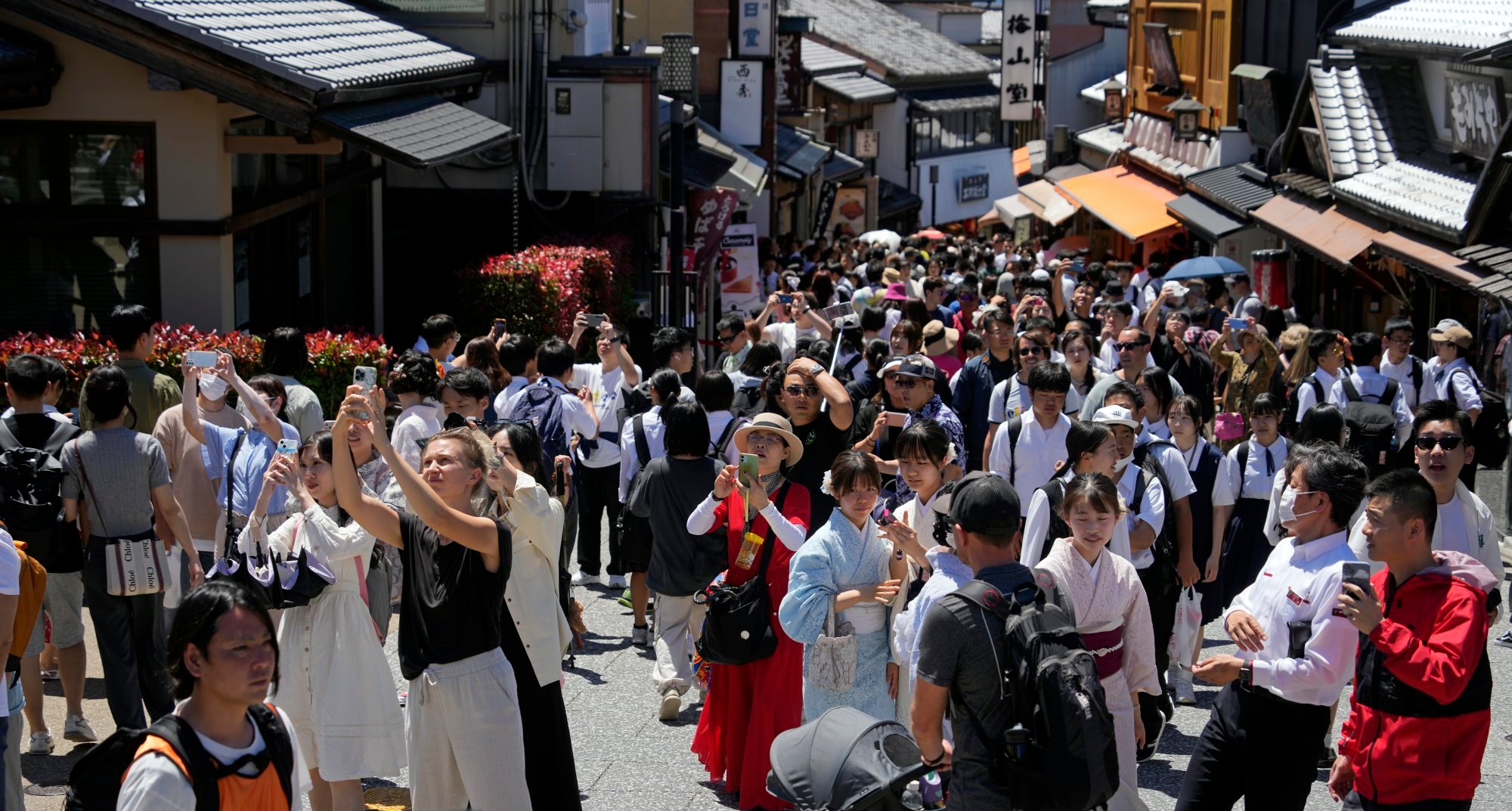
Despite the potential economic benefits, momentum for liberalization has stalled as public frustration over overtourism intensifies. More cities are taking direct action to manage its impact.
In Kyoto, where crowds of visitors have led to complaints of harassment towards geisha and blocked access to heritage sites, city authorities have introduced sweeping restrictions. Starting next March, the city will impose the country’s highest-ever hotel tax—up to 10,000 yen (US$68) per person per night at luxury accommodations—as part of a broader effort to ease tourism’s burden on local infrastructure.
In Otaru, Hokkaido, security guards were deployed in January after a 61-year-old Chinese tourist was fatally struck by a train while taking photos of the sea from a restricted section of railway tracks near Asari Station. Local officials warned that social media had turned the site into a “viral photo spot,” prompting dangerous trespassing. Following the incident, crowd control staff were positioned in high-risk zones, and warning signs were reinforced.
Last year, local officials in Yamagata Prefecture’s Ginzan Onsen instituted limits on day trippers, especially during peak winter hours, in part because crowds on the town’s narrow roads have at times blocked access for ambulances, making emergency response difficult.
Rightward Shift in Politics
Japan’s political landscape has shifted further following the election of Sanae Takaichi as the LDP’s new leader, paving the way for her to become the country’s first female prime minister. Known for her hawkish positions and nationalist credentials, Takaichi has signaled a tougher line on immigration and foreign visitor policies.
During the campaign, Takaichi courted controversy with remarks critics called xenophobic. Referring to viral videos of tourists pushing or kicking the sacred deer in Nara Park, she told reporters: “There are some outrageous people who kick them … If there are people who come here from abroad to visit and deliberately try to hurt something that is important to the Japanese people, don’t you think that something has gone too far?”
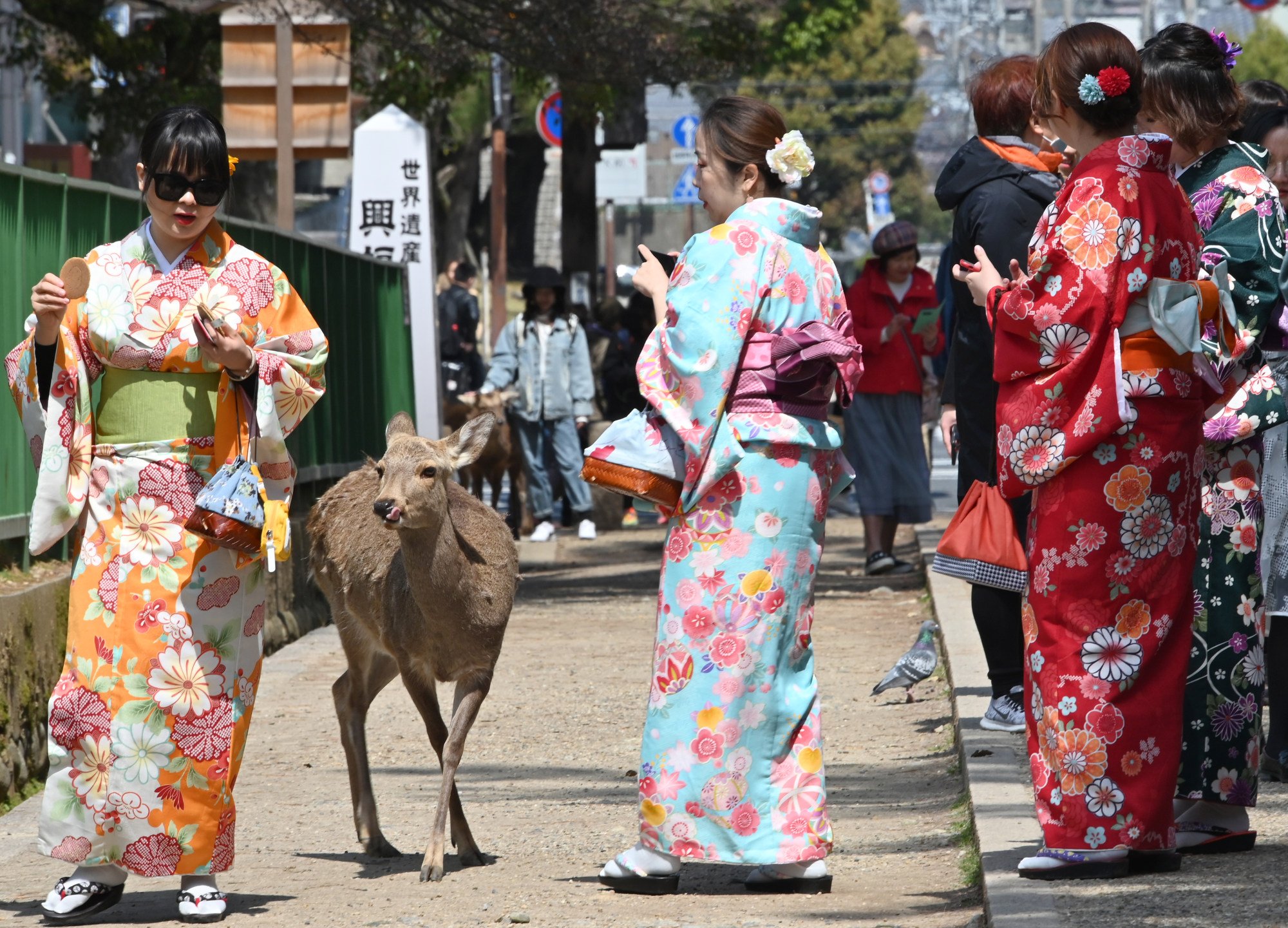
Although she did not cite evidence, her comments were widely interpreted as targeting foreigners and quickly drew backlash. Akira Koike, secretary general of the Japanese Communist Party, accused her of “fuelling prejudice against foreigners and xenophobic debate,” while Japanese media outlets noted that no foreign nationals had been associated with the incidents.
Takaichi’s ascent comes at a time when far-right rhetoric is gaining ground in mainstream politics. In July’s upper house election, the Sanseito party—known for its anti-immigration stance and “Japan First” messaging—made unexpected gains, securing 14 new seats and bringing its total to 15 in the 248-member chamber. The party campaigned on fears of a “silent invasion” and opposition to foreign labor, resonating with disaffected voters beyond its traditional base.
“Anti-foreign sentiment that was considered maybe taboo to talk about so openly is now out of the box,” said Jeffrey Hall, a lecturer at Kanda University of International Studies who specializes in Japanese right-wing politics, in an interview with Reuters on July 17.


