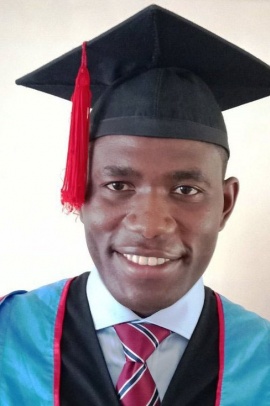
From Activist to Administrator: The Rise of Dr. Ouma Oluga
Dr. Ouma Oluga’s journey from a defiant young doctor to one of Kenya’s most influential public servants is a story of transformation, resilience, and strategic positioning. His evolution reflects not only his personal growth but also the shifting dynamics between activism and governance in the country.
Early Days and the Power of Advocacy
In the early days of his career, Oluga was known as a fiery union leader, standing up for the rights of medical professionals. He led street marches, faced riot police, and demanded better pay and working conditions for Kenyan medics. This period marked him as a passionate advocate for change, driven by a desire to improve the lives of those in the healthcare sector.
His activism gained momentum when he was elected secretary-general of the Kenya Medical Practitioners, Pharmacists and Dentists Union (KMPDU) in 2015. During this time, the health sector was in turmoil, with doctors on strike and hospitals understaffed. Oluga became a prominent voice, combining professional idealism with sharp political critique. His efforts during the 2016–17 doctors’ strike were particularly notable, as he endured arrests and vilification but ultimately secured improved pay and working conditions for medics.
A Strategic Move into Governance
In 2020, Oluga made a surprising move by resigning from KMPDU to join the Nairobi Metropolitan Services as chief officer for health. Many were taken aback by this decision, questioning how a former activist could work within the very system he had criticized. However, those close to him saw it as a strategic step—a chance to test reform from within.
At NMS, Oluga was involved in a bold initiative to build health facilities in informal settlements, recruit medical staff, and restore trust in a devolved health system. Within two years, he helped operationalize several hospitals across Nairobi’s slums, bringing primary healthcare closer to the people. Colleagues described him as results-oriented, often visiting construction sites and clinics unannounced.
A New Chapter in Government
Oluga’s work at NMS positioned him for a national role. In April this year, President William Ruto appointed him Principal Secretary for Medical Services in a reshuffle aimed at strengthening service delivery. His appointment symbolized more than bureaucratic change—it was a political statement that the administration wanted “doers, not just loyalists,” in key positions.
Political analysts describe Oluga as a consequential figure nationally and within the Luo nation. His rise has been meteoric, and President Ruto’s trust in him following the Cabinet reconstitution after the Gen Z-led protests speaks volumes about his competence. Oluga is also among the few Luo professionals who earned Raila Odinga’s confidence.
Health Reform and the Road Ahead
Health reform is a pillar of Ruto’s Bottom-Up Economic Transformation Agenda. Central to it is the rollout of the Social Health Authority and the Taifa Care programme—a replacement of the old NHIF model with a more inclusive insurance system. As PS, Oluga’s task is to translate this ambitious policy into tangible results: financing hospitals, securing medicine supply chains, and digitalizing health records.
He has promised to “shift focus from bricks to medicines”—a subtle rebuke of past regimes that prioritized buildings over essentials like drugs and staff welfare. “Kenyans don’t need new hospitals without medicine,” he recently remarked. “They need functioning facilities with drugs, equipment, and motivated workers.”
A Bridge Between Government and Professionals
Oluga’s union background has proven invaluable. Within the ministry, he commands rare respect from doctors, nurses, and county executives—a bridge between government and the professionals implementing its agenda. His influence was evident when, after Raila’s passing in India, the Odinga family included him among key figures that accompanied the former Prime Minister’s body back to Kenya.
Insiders say Oluga played a pivotal role in convincing the state to posthumously honor Raila with the country’s highest civilian award—the Chief of the Order of the Golden Heart (First Class). Although he insists he is “a public servant, not a politician,” Oluga’s ascent is undeniably political—positioning him for a potential future role in both Luo and national leadership.
A Symbol of Change
In a government under constant pressure to deliver amid economic strain, President Ruto’s elevation of a former union leader with reformist credentials was both strategic and symbolic—co-opting a potential critic while reinforcing the image of a reform-driven administration.
Analysts see in Oluga the archetype of a new-generation technocrat: a professional who can design policy while carrying the moral weight of activism. His presence lends credibility to the administration’s promise that Universal Health Coverage (UHC) is not just a slogan but a serious reform agenda.
“Oluga’s appointment neutralised a potential source of resistance,” says governance scholar Robert Ongaro of Kenya Methodist University. “Instead of fighting unions, the government brought one of their brightest to the table.”
Challenges and Opportunities
Still, the honeymoon may be short. The Ministry of Health remains one of Kenya’s toughest bureaucracies—marred by alleged cartels and intergovernmental friction. Reforming it will demand both technical acumen and political courage, qualities Oluga is said to possess in rare measure.
Beyond bureaucracy, his journey mirrors Kenya’s evolving political landscape—the integration of professional activism into governance. His story illustrates how the state can absorb critics and turn them into agents of change. Yet it also raises enduring questions: does joining the system blunt one’s reformist edge? Can an insider truly challenge the structures that sustain the status quo?
For now, he stands as one of the most intriguing figures in President Ruto’s administration—a symbol of continuity between activism and policy, and proof that Kenya’s public service is gradually opening its doors to younger, reform-minded professionals.


