Economic Challenges Facing the UK
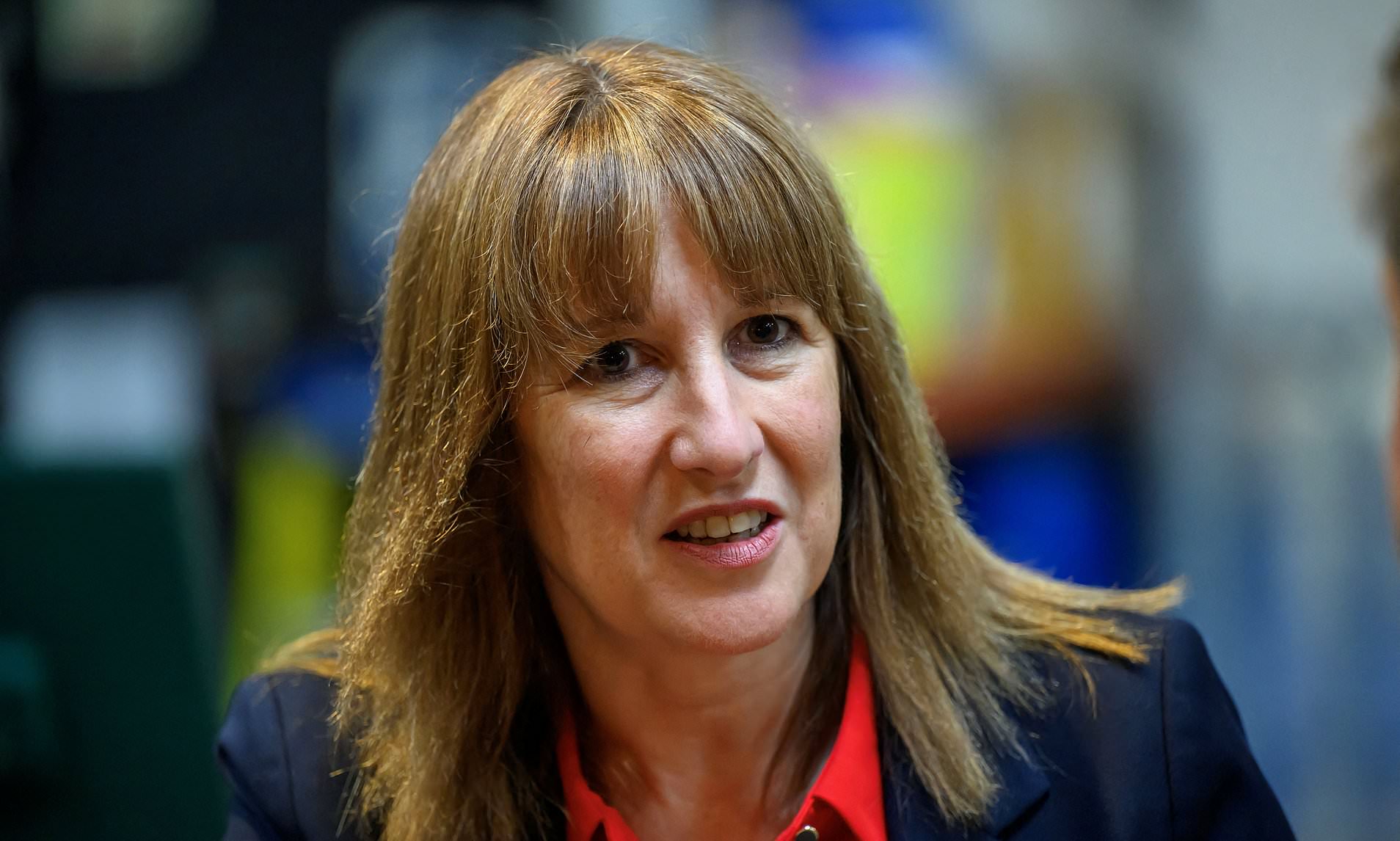
The United Kingdom is currently experiencing a series of significant economic challenges that are putting immense pressure on Chancellor Rachel Reeves. These issues include high inflation, stagnant growth in living standards, rising unemployment, and slowing wage growth. The situation has become even more dire as the International Monetary Fund (IMF) released a report indicating that the UK will have the highest inflation among advanced economies this year.
IMF Report Highlights Concerns
According to the IMF, the UK’s inflation rate is expected to reach 3.4% this year and 2.5% in 2026, surpassing other G7 nations. This forecast highlights the growing concerns about the cost of living crisis. The IMF chief economist, Pierre-Olivier Gourinchas, noted that inflation in Britain appears to be moving in the wrong direction. He suggested that while this could be temporary, the cost of living squeeze may persist due to increased employment costs, partly attributed to Labour’s employer national insurance hike.
This situation has led to a sense of uncertainty among households and businesses, with many becoming less confident that inflation will decrease quickly. As a result, the Bank of England must exercise caution when considering interest rate cuts, which could negatively impact millions of borrowers.
Growth and Living Standards
The IMF also pointed out that the UK is failing to meet its pledge of delivering the fastest growth among G7 countries. The economy is projected to grow by 1.3% this year and next, falling behind the US and Canada in 2026. When considering population increases, the UK will have the lowest growth per head at 0.5% next year, the lowest in the G7.
Barret Kupelian, chief economist at PwC UK, emphasized that too much of the UK’s future growth still relies on population growth. This dependency raises concerns about the sustainability of economic progress.
Unemployment and Wage Growth
Recent data from the Office for National Statistics (ONS) revealed a rise in unemployment to 4.8%, the highest since 2021. This increase is primarily driven by younger people, with joblessness among 25-34 year olds reaching the highest rate since 2020. The situation is partly attributed to firms not hiring due to the National Insurance hike for employers.
Wage growth has also slowed to 4.7%, the weakest since 2022. In the private sector, pay increases have slowed to a near four-year low of 4.4%, while the public sector saw salaries rise by 6%, the strongest in over a year.
Bank of England Warnings
Bank of England rate-setter Alan Taylor warned that the risk of a ‘hard landing’ is increasing, with the possibility of recession dynamics kicking in. He highlighted that the economy has been flirting with zero growth, and the realization of negative readings could change the future path for the UK.
Political Responses
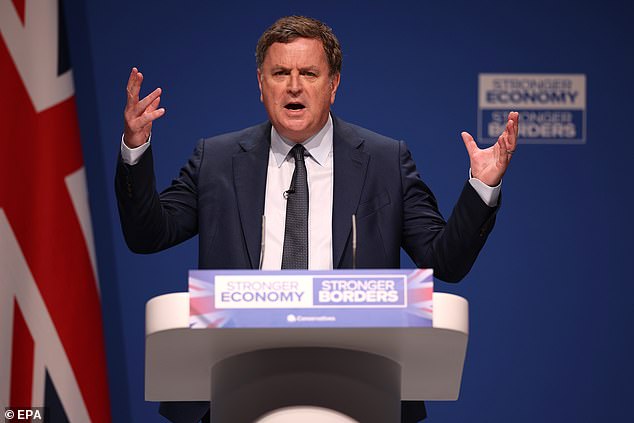
Shadow Chancellor Sir Mel Stride criticized the IMF assessment, stating that inflation in the UK is set to be the highest in the G7 this year and next. He attributed this to the choices made by Rachel Reeves, leading to rising costs, debt, and business confidence.
Chancellor Rachel Reeves is expected to deliver a bullish message during her visit to Washington for the IMF’s annual meetings, claiming that Britain is a ‘beacon of stability and growth.’ However, the current economic climate poses significant challenges for her administration.
Conclusion
As the UK faces these economic hurdles, the upcoming Budget is expected to bring further tax hikes to address the £30 billion black hole in public finances. The situation underscores the need for careful policy decisions to stabilize the economy and support both businesses and consumers. With inflation remaining too high and growth and productivity figures underperforming, the pressure on the government to implement effective measures is mounting.


