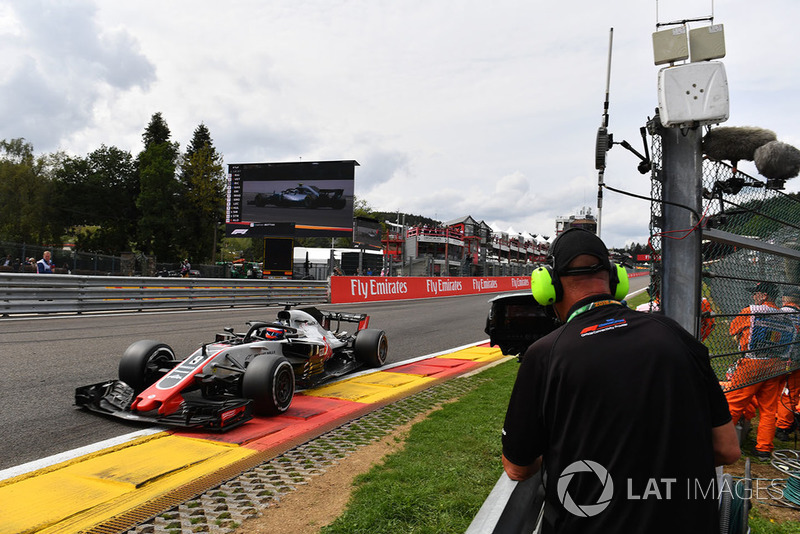
The Evolution of Formula 1 Broadcasting
If the fingers-in-the-air guesstimations are correct, Apple’s new five-year deal to carry Formula 1 on its streaming platform is worth around $140 million a year. Now, imagine a world in which broadcasting grands prix on TV was considered irksome and even damaging to the business.
Bernie Ecclestone remains a polarising figure, but it was he who turned F1 from a niche sporting category into a cash cow with a global footprint, and he did it by going against prevailing wisdoms of the time. Indeed, those who remember him solely as the guy who kept F1 off social media and told the youth demographic to take a hike until they could afford a Rolex are overlooking his history of swashbuckling innovation.
The Early Days of F1 on TV
Filmed coverage of motor racing predates widespread television ownership, dating back to the days when the only way to watch the news was to go to the cinema. There, the main picture would be preceded not by exhortations to buy noisy comestibles at the concession stand, but by a supporting package including newsreel footage of recent events, including sports.
In the postwar era, national broadcasters became more ambitious as more households bought televisions. Despite the primitive technology available, they began to dabble in producing more extensive live sports coverage, as well as highlights packages. Until videotape became more widely available during the late 1950s, these were usually produced by training a film camera on a screen showing the live footage (a process known as telerecording) and then cutting the film manually.
It’s difficult to establish definitively which races were broadcast, when and how since not all the footage remains extant. TV listings in various countries give a guide, but there is no guarantee that shows proceeded as billed. Film stock degrades if improperly stored, can be lost or stolen, or otherwise vanish into private collections, while early videotape was so expensive that programmes were routinely wiped after broadcast so the tapes could be re-used.
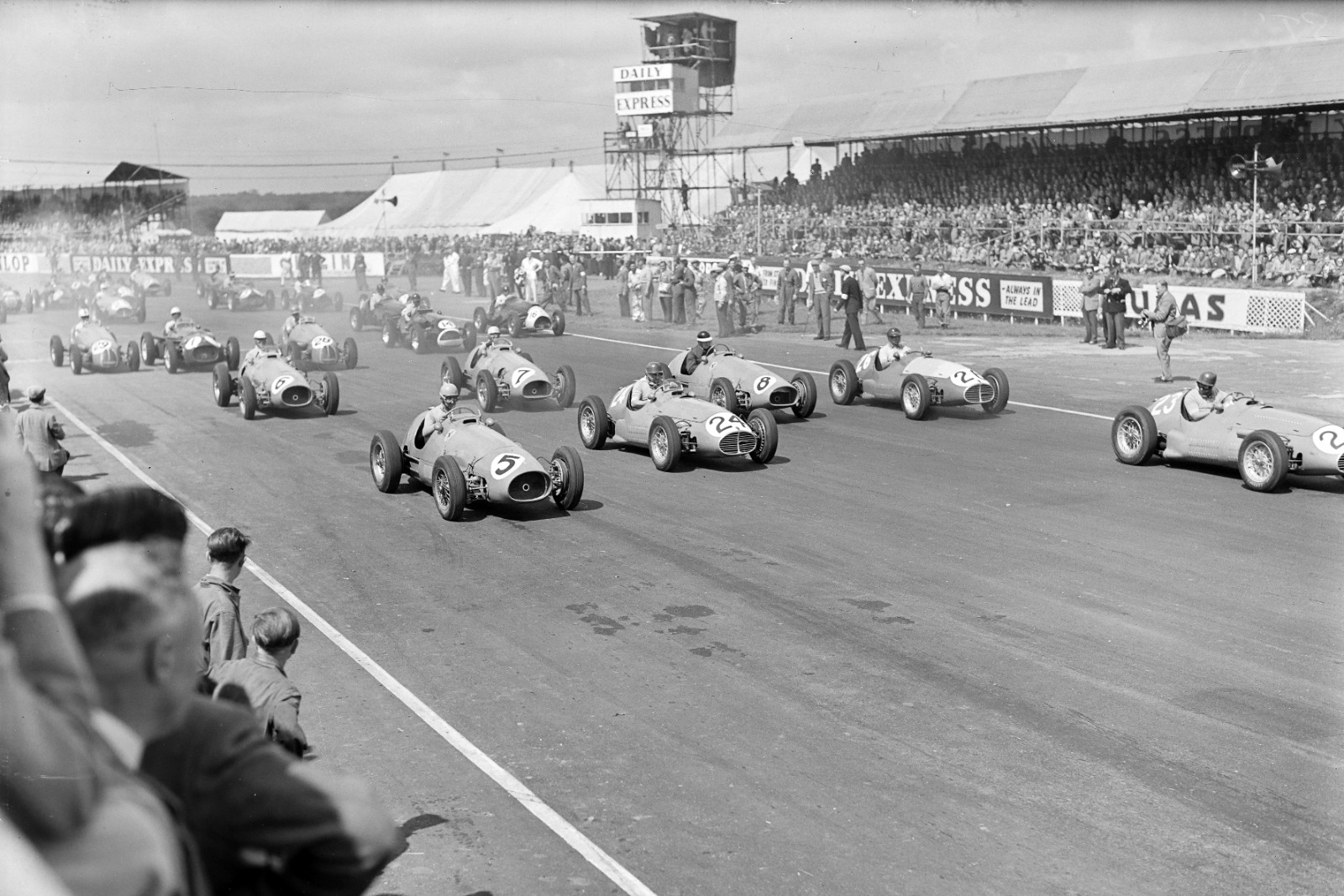
The Radio Times from 12 July 1953, freely available online via the BBC Genome project – you’ll have to click through a disclaimer saying you may encounter old-fashioned and offensive content – gives a snapshot of how UK viewers might have got to see live coverage of grand prix racing. Or not.
This was the British Grand Prix meeting, held on a Saturday of course, so as to preserve the bucolic country peace on Sundays. Depending on whether the races actually aligned with the planned slots, at 10am viewers would have been able to see Stirling Moss beat Eric Brandon and Stuart Lewis-Evans in the 500cc F3 support race, with commentary by Raymond Baxter. Then it was off to the main sporting business of the day – no, not the British GP, but the horse racing at Ascot.
The Rise of Global Coverage
Between the King George VI and the Queen Elizabeth Stakes, the Princess Margaret Stakes, and the Sandringham Stakes, the schedule cut back to Silverstone at 3.30pm, 4pm and 4.35pm for “excerpts from the International Sports Car Race”. Later on, after Reginald Tate played the lead role in The Quatermass Experiment, at 10.35pm there was “a telerecording of some of today’s racing at Silverstone”.
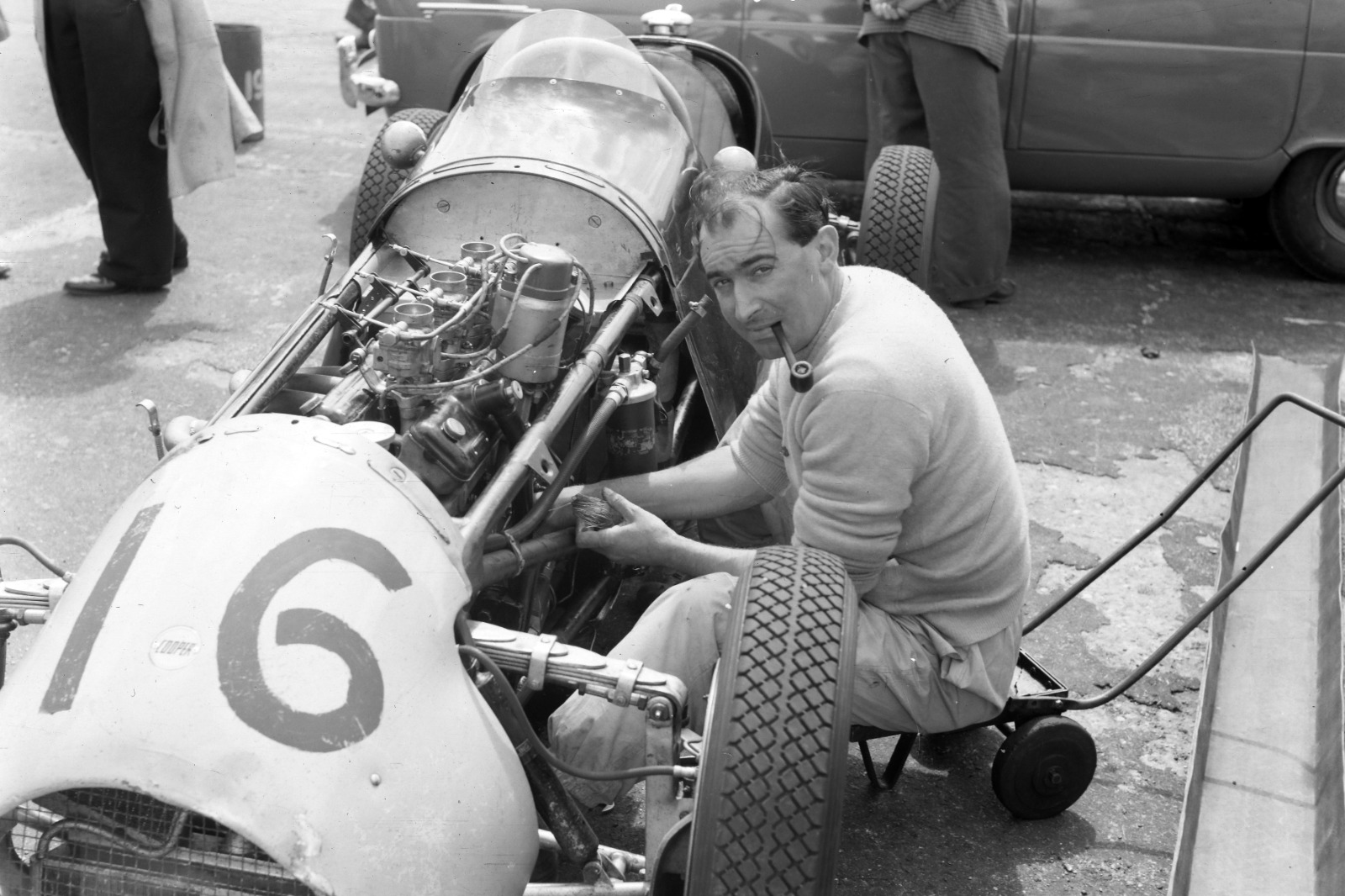
It’s believed grand prix racing made its first live appearance on Italy’s national channel, Programma Nazionale, on 13 September 1953 with three visits to Monza interspersed with cuts to other programming. Whether the live slots coincided with the dramatic last lap where Alberto Ascari made a rare mistake and spun out of the lead is unknown.
Coverage of races in their entirety did not come along until much later, as the cost of equipment came down and more TV channels came into being. Co-operation between members of the European Broadcasting Union gradually led to more races being shown to international viewers, facilitated by satellite relays after the launch of Telstar 1 in 1962. But complete seasons? Forget it.
Ecclestone Gets a Grip
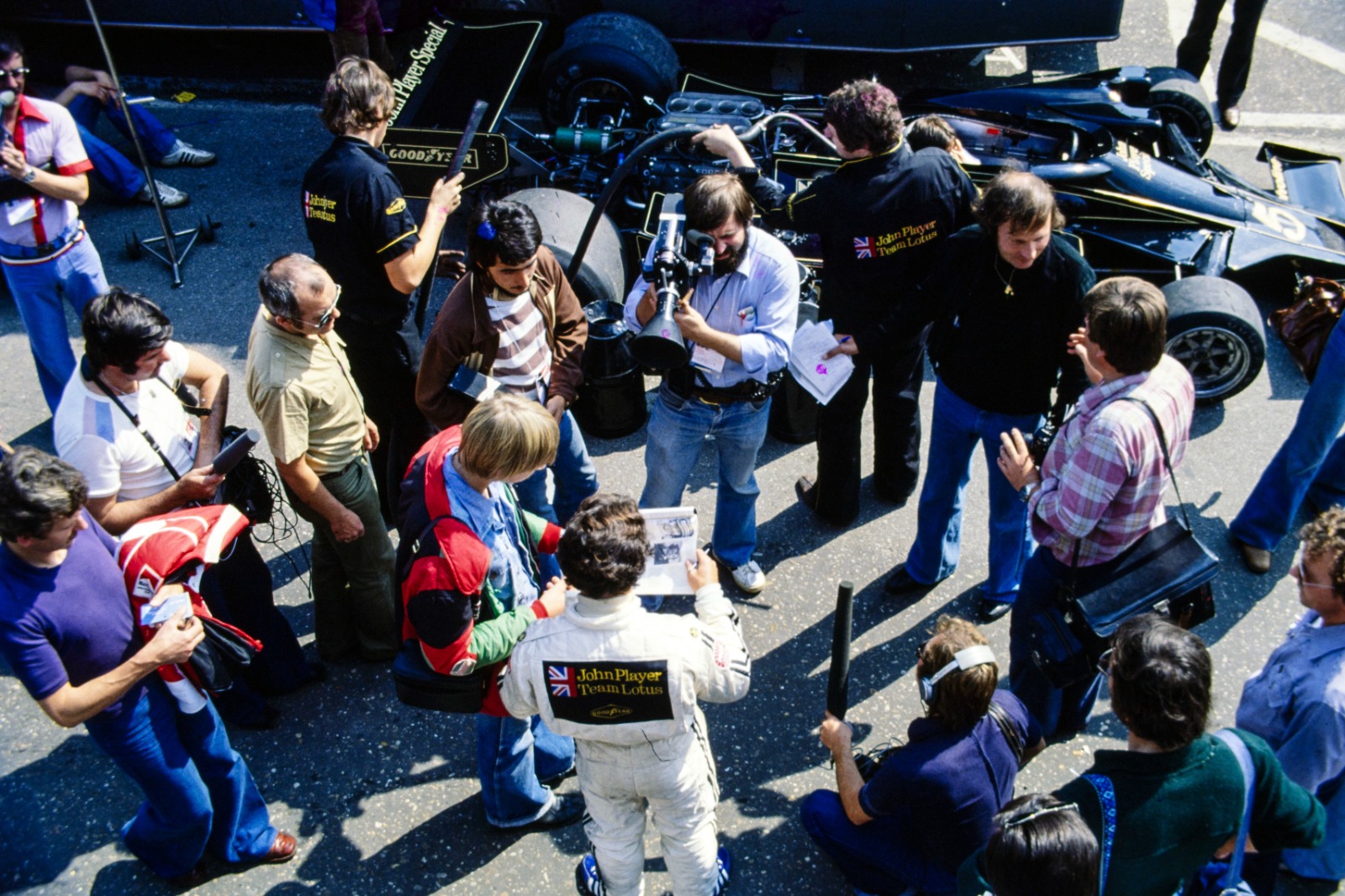
Individual race promoters, usually national motor clubs, held much of the commercial power until Ecclestone and Max Mosley unionised the teams under the Formula One Constructors’ Association to fight for better terms in the mid-1970s. There was no central prize pot: teams negotiated individually for ‘starting money’, in effect an appearance fee based on their power to generate ticket sales.
The prevailing opinion among these clubs – usually superintended by blazer-wearing old buffers – was that televising races was a horrendous idea on the grounds that ticket sales would suffer. Why pay to attend when you can watch the race at home, for free?
The Battle for Control
So, races continued to be broadcast on a piecemeal basis, with no commitment to cover entire seasons, although some national broadcasters would perhaps slot more races into their schedules if a driver from their country was doing well and had a high public profile.
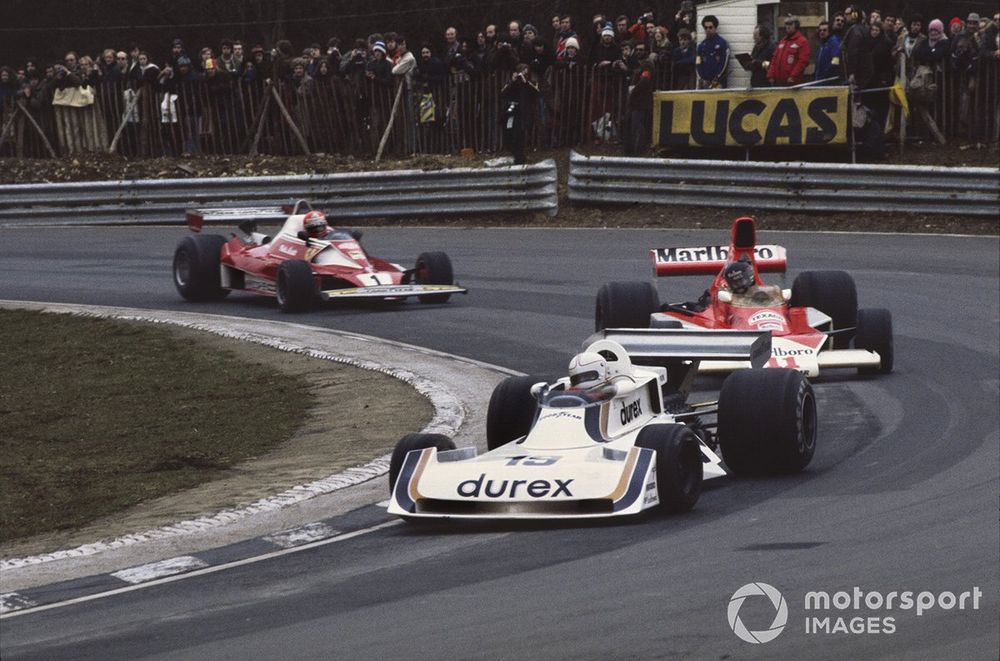
For some state broadcasters – and even commercial ones – the prominent sponsorship on F1 cars was problematic; famously, the BBC packed up its cameras at the 1976 Race of Champions at Brands Hatch when John Surtees refused to remove the Durex condoms logos from his cars. Even the ITV network got sniffy: at the height of James Hunt mania, coverage of the British Grand Prix that year was tucked into a short slot in the following weekend’s World of Sport show.
‘Auntie Beeb’ would ultimately get over itself and screen the dramatic season-ending Japanese Grand Prix, the first F1 round outside Europe to be broadcast live by satellite. But this race also provided a sharp lesson that Ecclestone would factor into his thinking as he annexed F1’s commercial rights: when the start was delayed owing to bad weather, it left broadcasters carrying the live feed having to fill ‘dead air’.
The Package Deals
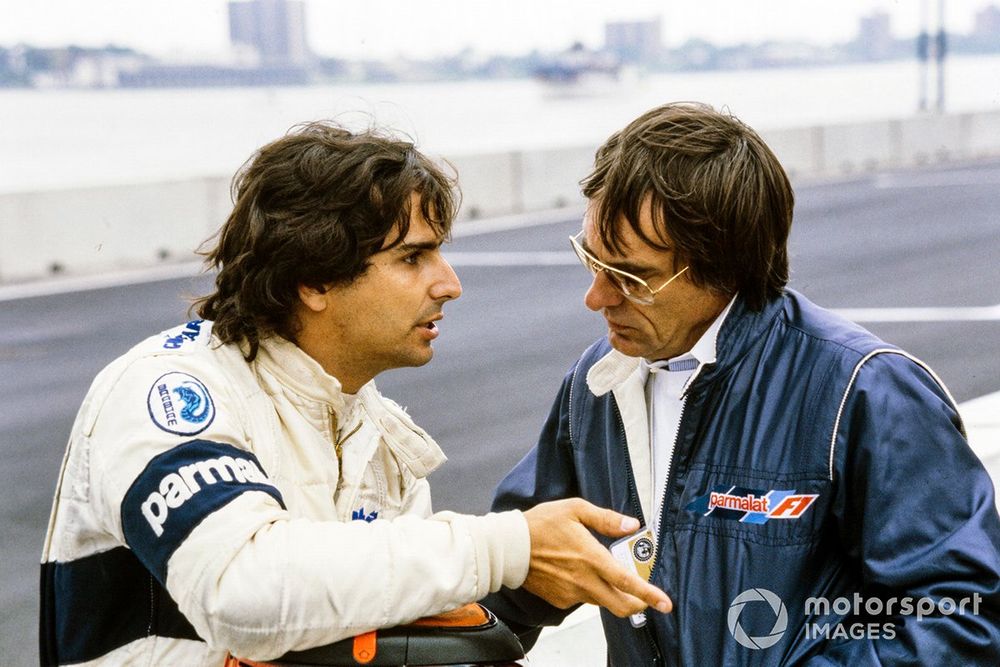
Ecclestone successfully pulled together the threads and began to sell the newly reminted world championship as a package, negotiating deals in which broadcasters committed to entire seasons rather than screening individual races on an ad hoc basis. But his influence would grow beyond this.
There’s a story about Ecclestone’s days as owner of the Brabham team that may or may not be true, but people choose to believe because it’s so beautifully illustrative of the personalities involved. It’s said that the window of Gordon Murray’s design office had Venetian blinds that existed in an almost permanent state of entanglement, Murray being a gifted engineer with a preference for an unstructured way of working – and little interest in keeping the office tidy.
Ecclestone, on the other hand, was compulsively neat. When he ran a motorcycle dealership his product always sat in neat echelons. So, the story goes that one day he grew tired of being repeatedly triggered by the Venetian blinds and sent someone in to straighten them out and then concrete them in place.
The Digital Experiment
As global interest in F1 grew, so too did Ecclestone’s power and wealth. The price of the TV contracts went up, sometimes by a staggering amount. When the commercial network ITV outbid the BBC for the British broadcast rights from 1997 onward, it agreed to pay over six times more per year – £14 million as opposed to £2.3 million – than before.
You always had to be on your toes when dealing with Ecclestone, as ITV’s production team discovered when they went to FOM outlining how many paddock passes their crew would require, only to be told that passes hadn’t been included in the deal and would cost more.
The Future of F1 Broadcasting
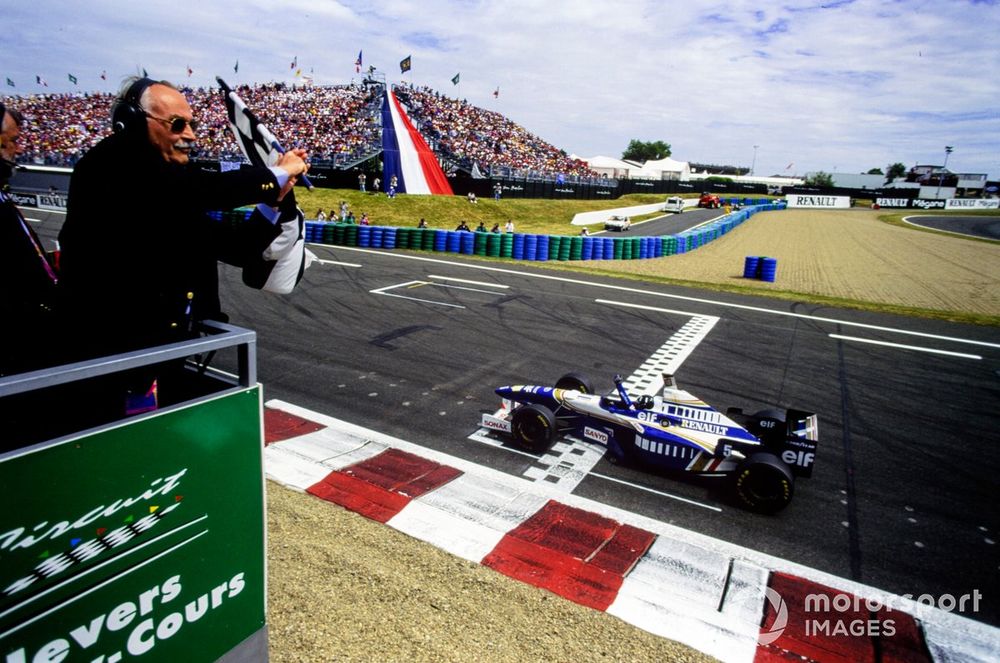
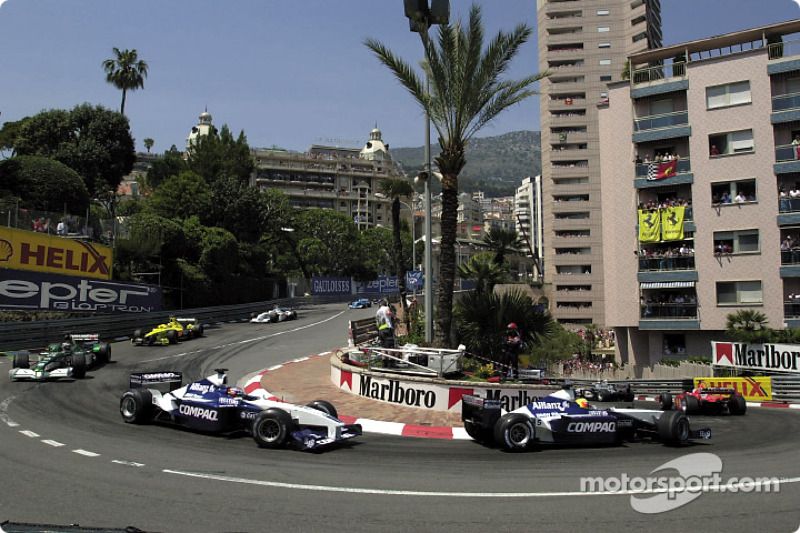
The shift in broadcaster was controversial at the time but ITV’s coverage – though it included ad breaks – was transformative. The BBC might have made the middle eight of Fleetwood Mac’s portmanteau track The Chain iconic as the theme tune to its long-running F1 show, but often the coverage was shoehorned in around other programming and given little love. Commentators Murray Walker and Hunt didn’t always have a budget to travel to races, and some rounds in far-flung time zones were presented in hybrid format, with a rapidly put-together highlights package jump-cutting to the final laps presented live. If rain at Wimbledon meant matches were played over the middle weekend, the poor old French Grand Prix would be demoted to a highlights slot on BBC2.
ITV brought an immediate upgrade with longer programmes covering both qualifying and the races, along with more pundits and a more polished look and feel. But it ended up overpaying in the 2000s and was caught out by the global financial crisis, triggering an exit clause in 2008, which led to the coverage briefly returning to the BBC – at a cost of £40 million per year – until Sky moved in and acquired the rights from 2012 onwards.
The Digital Plus Misstep
The value of that deal, in which Sky devotes an entire channel to F1 and covers every session per weekend along with other bespoke programming, is widely reported to be £200 million per year, although its remit covers several territories.
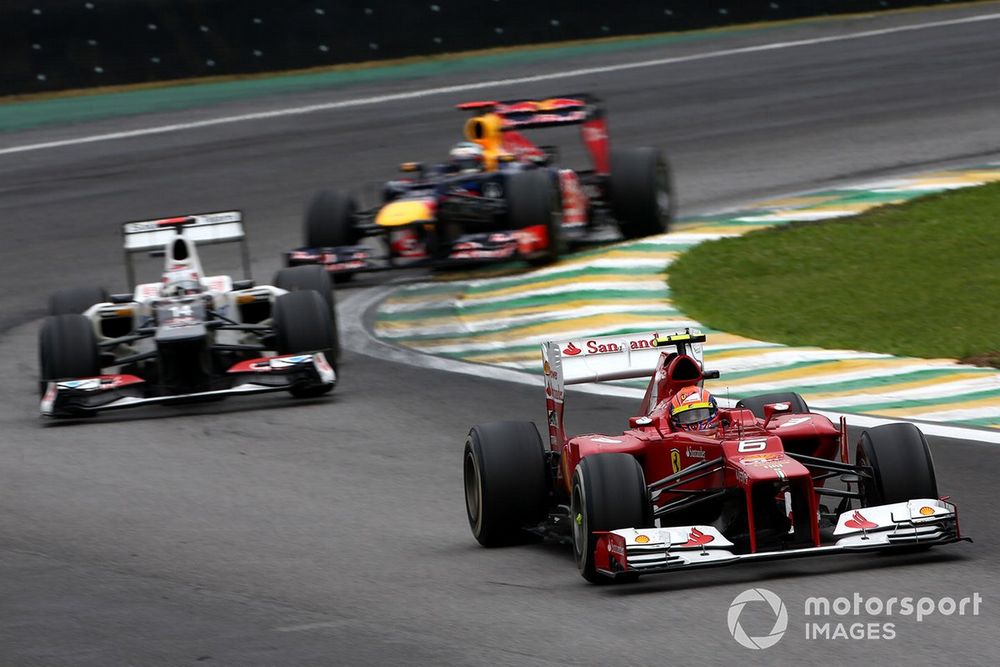
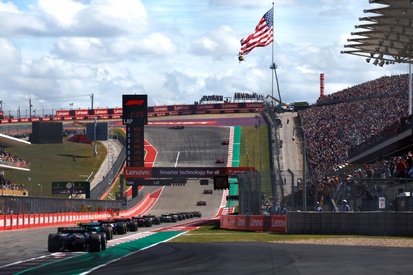
In this context Apple’s purchase of the US rights for $140 million per year, up from incumbent broadcaster ESPN’s $90 million, is entirely in keeping with F1’s trajectory into telephone-number figures.
And just as ITV and Sky significantly improved the breadth and quality of the coverage, Apple is expected to push much harder than ESPN, which has shown peculiarly little interest in F1.
The Digital Plus Experiment
Ecclestone arguably made just one mis-step (in terms of F1 on TV at least; the passing around of the commercial rights like a tray of cakes would take up an entire book on its own). As part of the ongoing process of taking the world TV feed ‘in house’, Ecclestone invested heavily in digital technology in the hope of establishing a separate pay-per-view enterprise, which would offer fans a higher tier of coverage, with separate commentary and in-car channels.
Initially offered in Switzerland, Germany and Austria, via the DF1 channel in 1996, F1 Digital Plus widened its reach to Italy, Spain and France, then eventually the UK via Sky in 2001. It was a remarkable step up from the standard feed, although cynics claimed that FOM had deliberately made that less appealing by giving it less pacy editing and reducing the number of in-car shots.
Customer take-up was poor, though, and no further national pay-TV platforms came forward with offers, while the existing ones reached for exit clauses in their contracts. Hardly surprising given that the asking price in the UK alone was £12 per race, which would be considered steep in 2025, let alone 2001.
Producing the extra coverage required a huge and expensive dedicated on-site facility, staffed by around 200 people, so by 2002 Ecclestone canned the experiment, concluding he had probably jumped into this field too early.
Fingers burned, Ecclestone maintained an aversion to new technology – indeed, anything in which customers expected a product for free – until Liberty Media acquired the commercial rights in 2016 and, not long after, clamped the gold watch on his wrist and escorted him off the premises.


