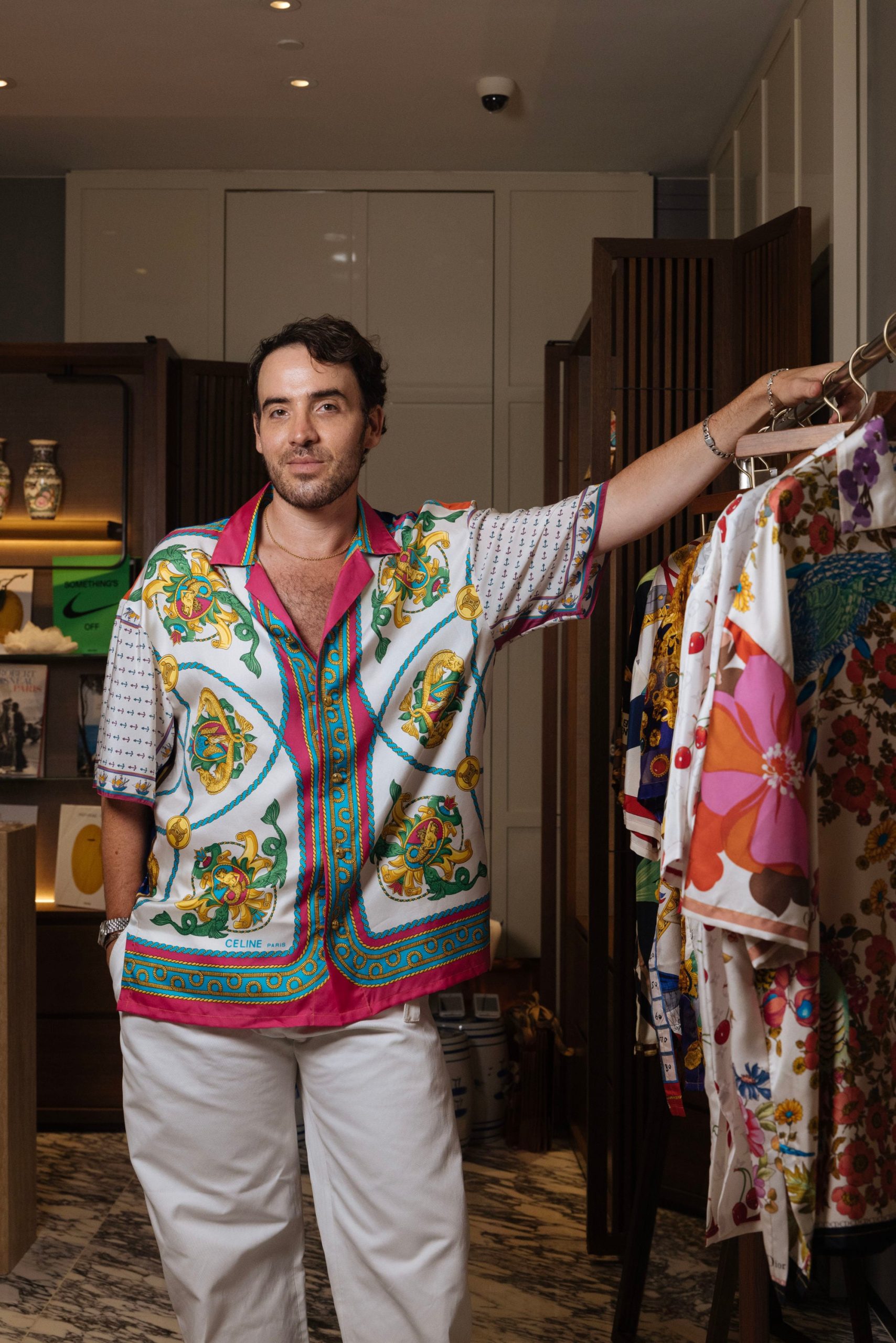
Loved by celebrities like Travis Kelce and Dwyane Wade, J. Logan Home now offers a curated selection of reworked pieces at Beaureguards in Rosewood Hong Kong
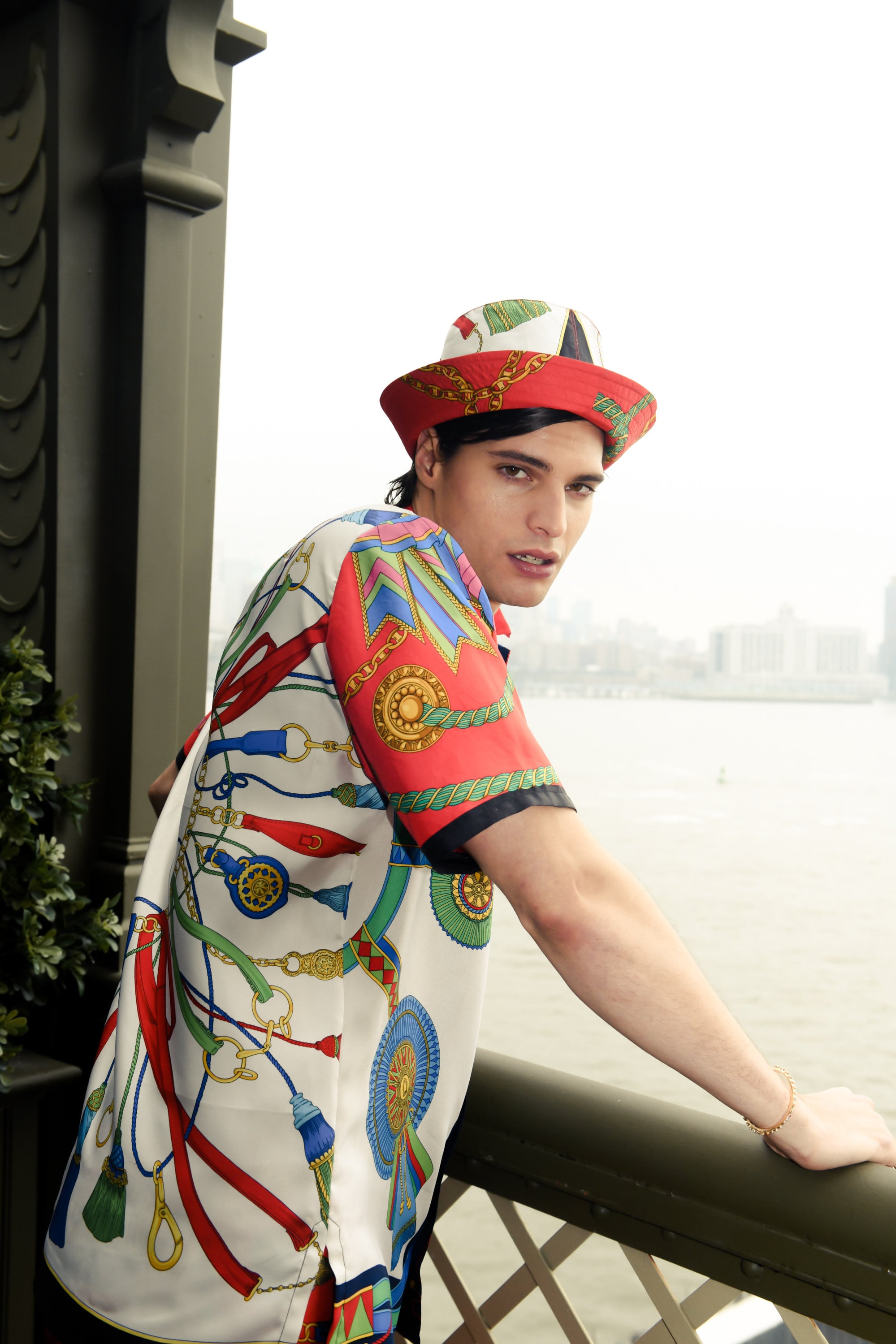
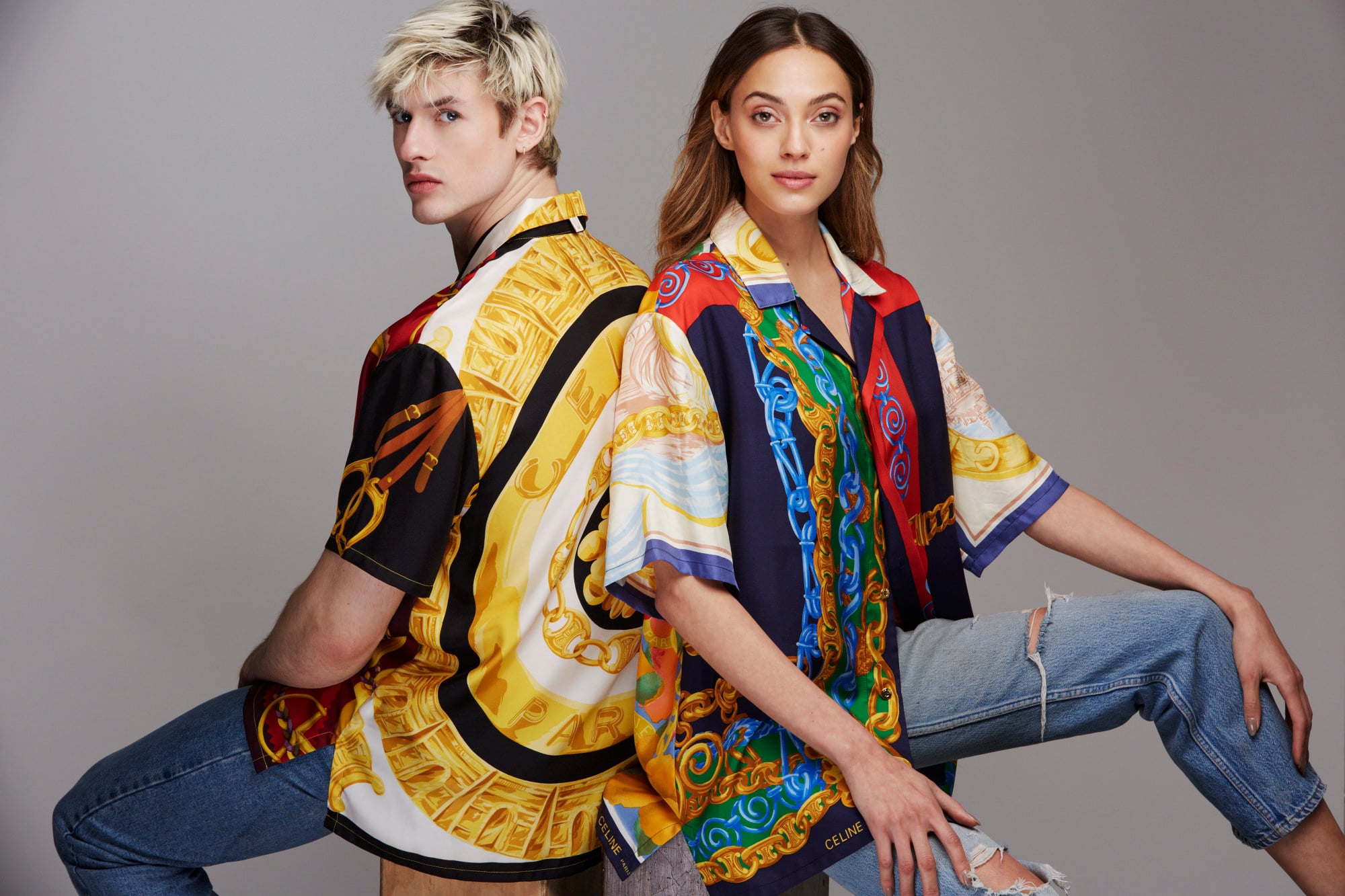
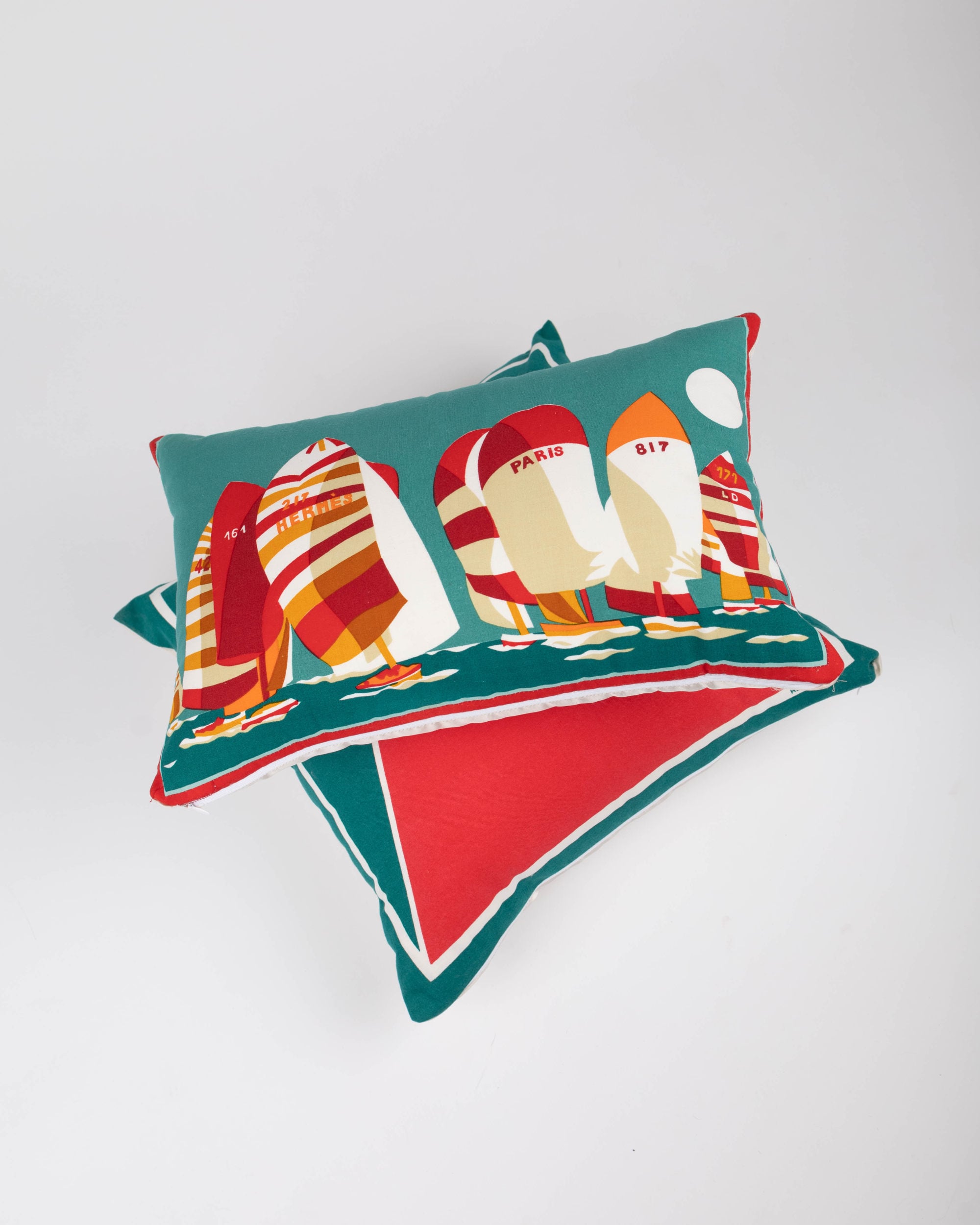
Former fashion buyer and celebrity stylist Logan Horne has been making quite the splash with his latest venture, J. Logan Home, known for its vibrant cabana shirts, accessories and homeware made from upcycled luxury scarves. It may come as a surprise, then, that the designer himself – who prefers to be called a fashion “artist” – is colour blind.
“That gives me a unique eye when it comes to pattern, colour and all that,” Horne said in a recent interview in Hong Kong, where a curated selection of his pieces is now available at the Rosewood Hong Kong’s luxury boutique, Beaureguards. “I really see things outside the box.”
That’s exactly why J. Logan Home has become a hit with male style stars like Taylor Swift’s new husband, American football player Travis Kelce, and basketball player Dwyane Wade, among a host of other celebrities. The Florida-born Horne shares how he went from styling in Los Angeles to working in New York to running a farm in his home state and eventually launching his brand in Palm Beach.
Do you have questions about the biggest topics and trends from around the world? Get the answers with SCMP Knowledge, our new platform of curated content with explainers, FAQs, analyses and infographics brought to you by our award-winning team.
How did J. Logan Home get started?
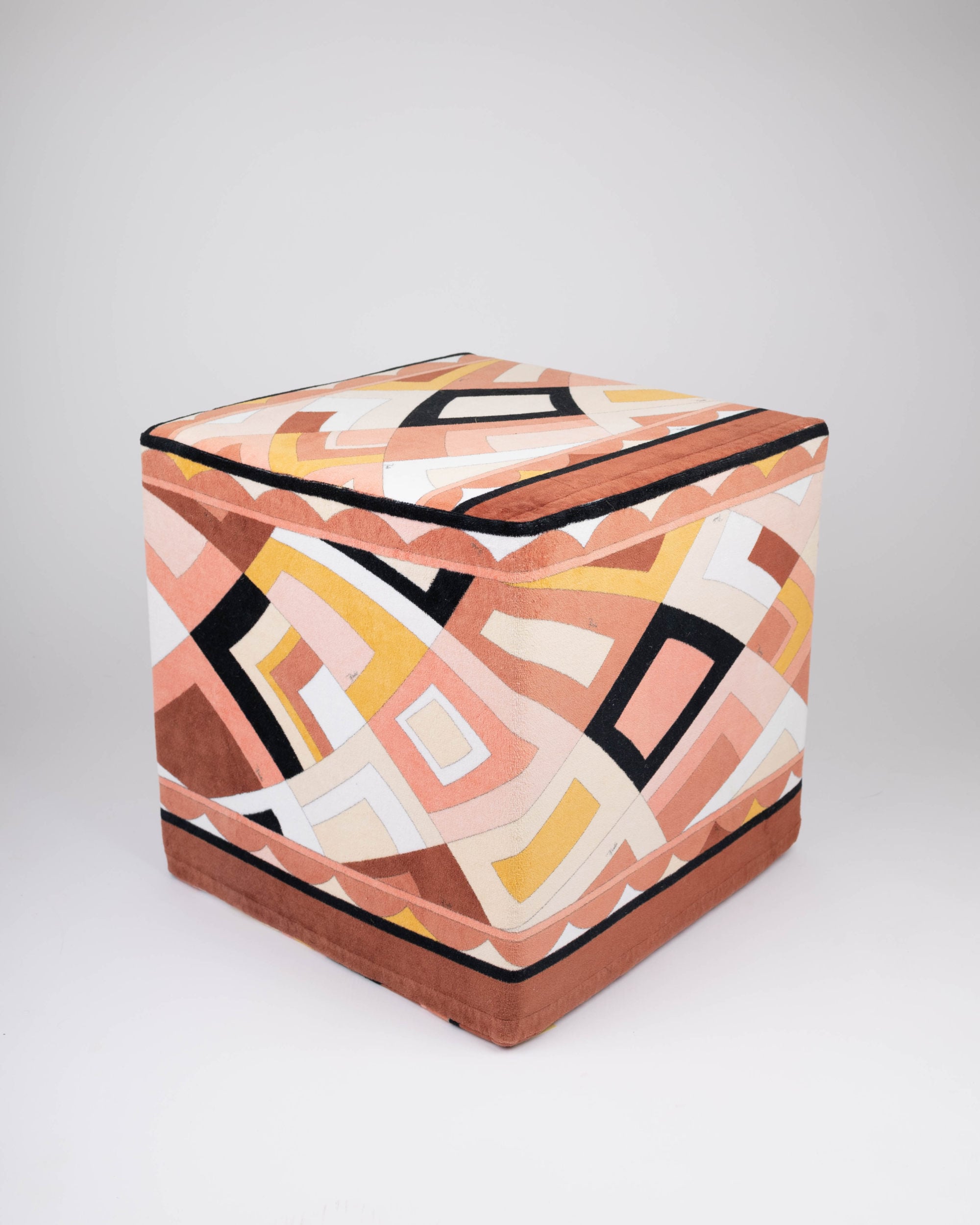
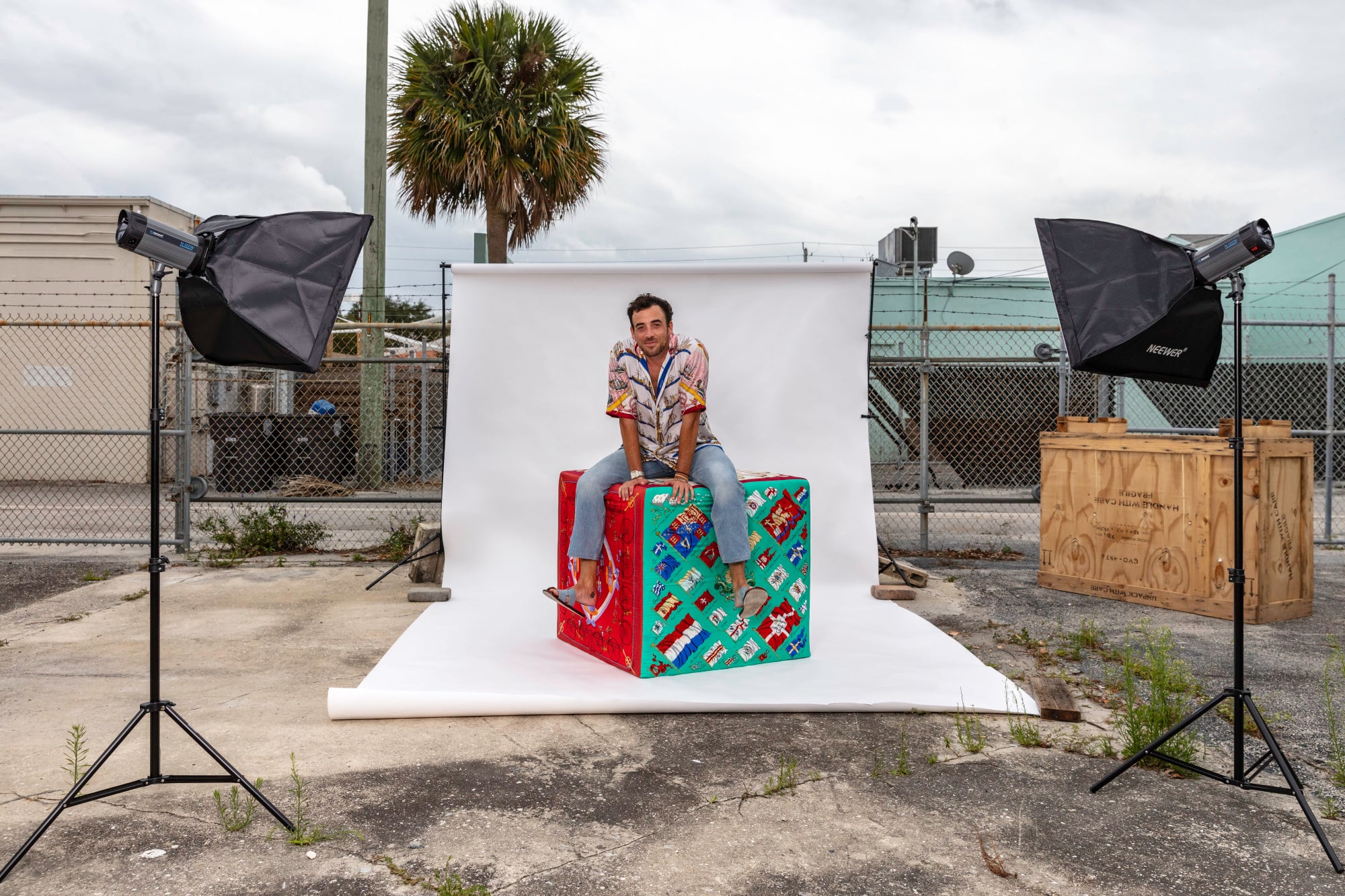
During the pandemic, I was doing a lot of online shopping, especially pre-owned. That’s when I started to notice just how many scarves were out there. I saw an influx of Gucci pocket squares on The RealReal, all brand new with tags. These aren’t vintage – this is an overproduction problem. Obviously they’re trying to find new ways of offloading this inventory. I got a good price on cool scarves from the Alessandro Michele era, so I made my first [item], The Block, my stool/ottoman ‘futon,’ whatever you want to call it.
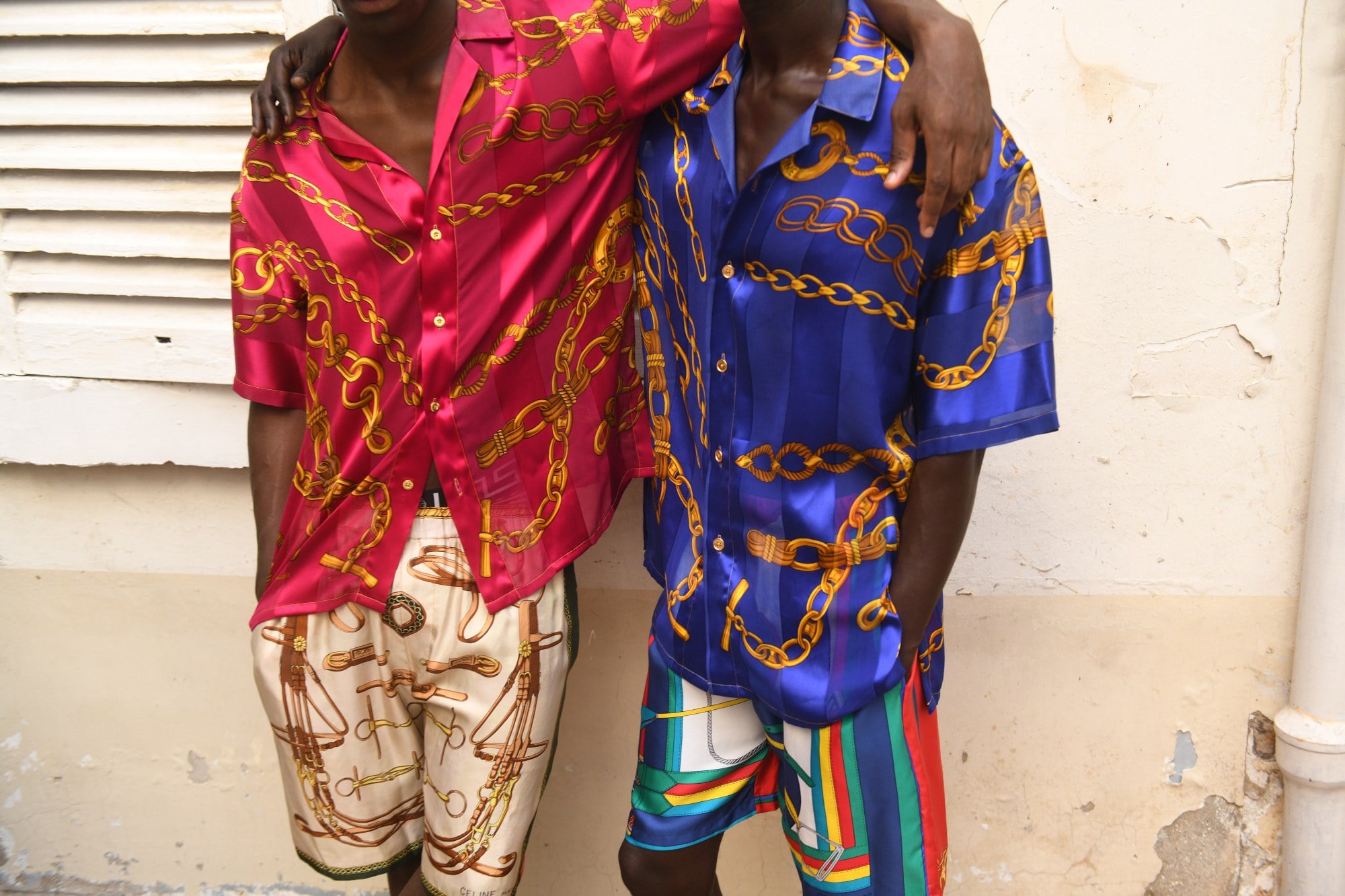
From there I started collecting larger scarves, looking for unique prints and stories, to give these a new life – speaking to the greater trend I saw in menswear of scarf print shirts. There are so many because brands are still producing them at such a rate. I don’t think about waste as just excess inventory. I see pre-owned as waste too. [J. Logan Home] was always meant to be an homage to these brands I’ve adored since I was a kid, when they weren’t as accessible as they are now. When I bought my first Louis Vuitton piece, we had to go to Europe. Now there’s a Louis Vuitton in every mall in America.
Upcycled homeware is what makes J. Logan Home unique. How did that come about?
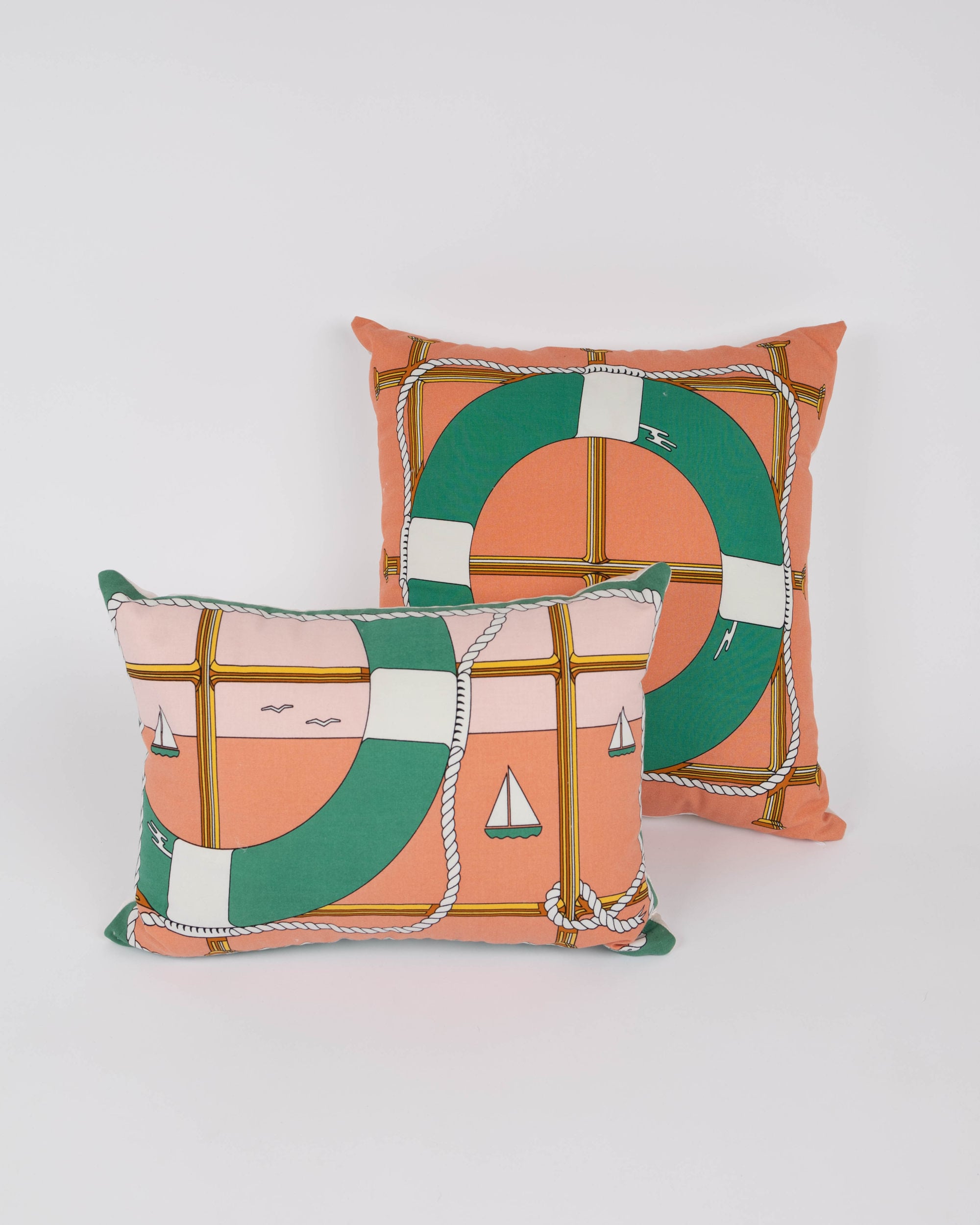
I’ve always been interested in upholstery. I’d been living in a one-bedroom apartment in New York and didn’t have a lot of room for seating, so my idea was creating this modular piece you could stack in the corner. [J. Logan Home] truly was born from boredom. If it hadn’t been for the pandemic, I don’t think I would’ve gone down this road.
How did connections help when it came to launching your brand?
I [styled] Gossip Girl star [Leighton Meester], and she put me on the map. That was a very fashion-centric show, so I had all the brands at my fingertips – getting to go to Paris Fashion Week in my early 20s. I was always trying to find new brands. I remember being one of the first stylists to put Charlotte Olympia shoes on an American actress. Emilio de la Morena, all these big UK designers, even Christopher Kane in the early days. US stars were not wearing those brands on the red carpet.
I began my fashion career in retail and worked my way up to being a buyer when I was still in high school, having appointments at St John [Knits] and Missoni. My plan was to move to New York and go to fashion school, but I pulled the plug and moved to LA. I was intrigued by Hollywood and [those were] the early days of paparazzi pictures – Perez Hilton. In the early 2000s, the coolest brands were coming from Los Angeles: Juicy Couture, 7 [for All Mankind] jeans.
My first job in LA was [at] Miu Miu and that’s where I got introduced to styling, in the time of Rachel Zoe. I assisted top Hollywood stylists on nights and weekends, whenever I wasn’t working retail or going to school. Then I learned LA wasn’t the place for high fashion – I went to FIDM, where Lauren Conrad went. There was this influx of kids who just wanted to be on MTV! That’s when I moved to New York. I worked for several high-profile publicists and designers: Kelly Cutrone, Tara Subkoff. All those experiences informed where I am now.
Why did you launch your brand in Florida?
I got stuck there during the pandemic, living with my parents. I found a local job [at] an aquaponic farm in my hometown, a very small sustainable operation. The woman who hired me actually quit a month after, so I inadvertently ended up running a farm I knew nothing about, growing micro radish and arugula, distributing to local restaurants and organic markets. That, too, was part of what led to this brand because I [thought], if I can do this – I built them an e-commerce platform, saved [them] during a really tough year – then I can do anything I want in fashion. I was going to go to business school, then when the pandemic didn’t seem like it was going anywhere, I just [decided] to start my brand.
What unexpected challenges did you face?
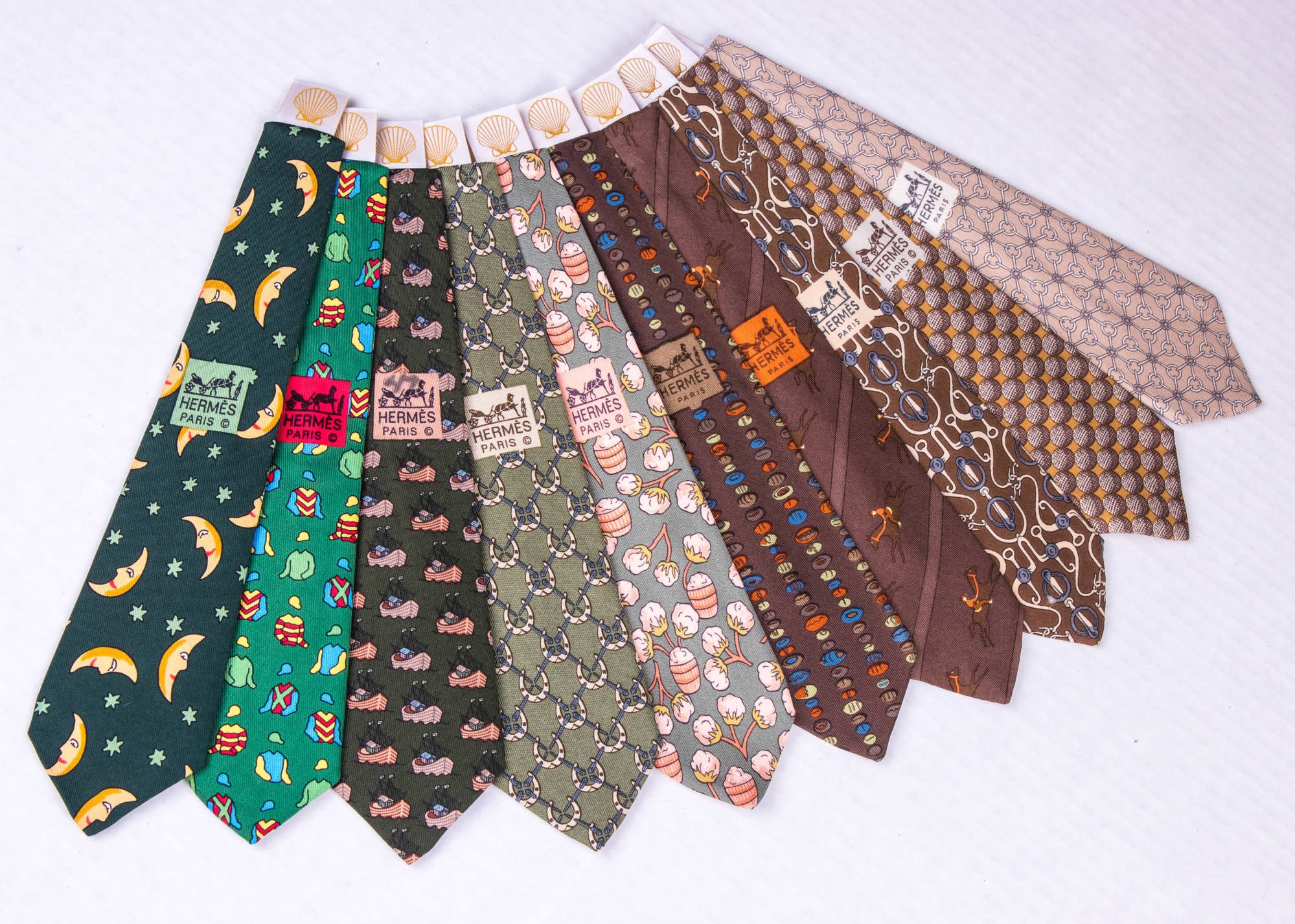
We got a cease-and-desist [letter] from Chanel a few years ago. I didn’t think about intellectual property and thought if I buy it and own it, I can do whatever I want. I ended up writing a letter to the CEO and that resonated with them. I agreed to stop using their products, but we never went to court. I’m very lucky because they do come for people all the time. That was two years ago and came on the heels of a lot of press after Travis Kelce started wearing my brand. Having been in this industry for 20 years and having deep ties to a lot of brands helped my case. I was never trying to create a Chanel garment and pass it off as my own.
Speaking of Travis, has menswear been a big source of business for you?
Men are taking way more fashion risks than they used to. Once a trend happens, you see the brands fall in line. Travis and other athletes are the ones really having fun with fashion, wearing non-gendered clothing and rocking handbags. Even more than Hollywood stars – you see pretty straightforward menswear on the red carpet. Travis found my brand shopping at The Webster in Miami. That’s [also] how Future, 2 Chainz, [other] rappers, NBA players and NFL stars found me. The Webster picked me up when [my brand] was barely five months old. They sold out of my first collection in the first week.
I’ve never had to gift anyone anything. I can’t, as a small brand. My costs are very high. I’m working with really rare materials; I make everything in Florida. I don’t have the freedom to do large giftings like private equity[-funded] brands. It’s to their detriment. They end up on Poshmark.
Have you learned anything else about running a small business?
I’ve been a supporter of Thom Browne since the early days, and I discovered him at Barneys, the fashion mecca as far as I was concerned as a teenager. He candidly gave me [the advice to] “go slow”. Brands have a little bit of success and start showing at fashion week, and it really is a rat race. If it’s too big too fast, it becomes hard to sustain.
Where else is J. Logan Home available?
We found most success in these niche multi-brand boutiques, [and] a lot of upscale hotel properties that have [experiential] retail: the Four Seasons, Rosewood, specialty stores. E-commerce is not my world. I got picked up by FWRD, which is great, but I get lost in the shuffle. Why we’ve had so much success at hotels in particular is because people are on vacation. They want something to take home that’s sentimental, that’s unique. The Webster is my biggest retailer. I’m in all 11 stores [across the United States]. I’m spread pretty thin because I don’t make that much product.
More Articles from SCMP
Josh Kerr ready for US$150,000 Ingebrigtsen battle, but Scot not planning to chase paydays
Brazil scraps tax on small parcels as Chinese platforms lose US and EU access
China’s robotic lawnmower industry sets its sights on EU amid bare domestic market
Hong Kong Medical Council rejects proposal on time frame for handling complaints
This article originally appeared on the South China Morning Post (www.scmp.com), the leading news media reporting on China and Asia.
Copyright (c) 2026. South China Morning Post Publishers Ltd. All rights reserved.

Related posts:


Japan’s protest over Russian soldier statue aggravates ‘summer of tension’

Nepal announces ‘scholarship bank’ for children orphaned or displaced by floods

Pakistan’s Enduring Commitment to Religious PluralismPublished on: September 10, 2026 4:31 AM

63% reject Yong Hye-in nomination, 47% criticize Kim Seung-won’s