The Evolution of Luxury Leather in High-End Fashion
Leather has always played a starring role in the history of luxury brands, from Hermès’ beginnings as a saddle maker to Prada’s first collection of leather handbags launched in 1913. With a luxe feel yet also durable, this functional material has long been prized for its beauty and versatility, making it the perfect foundation for a range of items from luggage to small goods and accessories.
While leather goods are available across various price points, a small group of luxury brands have taken this humble material and transformed it into an enduring symbol of artistry, heritage, and craftsmanship. The choice of leather defines a brand’s quality and capacity to stand the test of time, according to Morgane Halimi, global head of handbags and fashion at Sotheby’s. “Apart from quality, a brand will also create a signature leather that will make it recognisable from others.”
Though leather can be made from any animal hide or skin, cow leather is easily the most ubiquitous. According to Halimi, the majority of luxury brands source their skins from Europe—specifically Italy and France. While selecting the right raw materials is critical, the real transformation happens in the ateliers, where artisans draw on decades of expertise to experiment and create new fabrications and textures. The result is a range of leathers that are not just unique and aesthetically beautiful but that showcase innovative techniques and unbridled creativity.
“Leather is just a flat material without a craftsman—they are the real masters who bring it to life and shape it,” adds Halimi. “The finishing will impact [the final look]. For instance, shiny or precious [leather], which is often better for night looks, versus matte for a more contemporary look. The knowledge of the craftsman and their technique are key to its value.”
Today, various luxury maisons have become as well known for their leathers as for their finished products. Many of these leathers remain exclusive to each house and have gone on to become signatures. Some are even reserved for one-of-a-kind items and collectors, making them still more alluring.
Bottega Veneta: The Intrecciato Weave
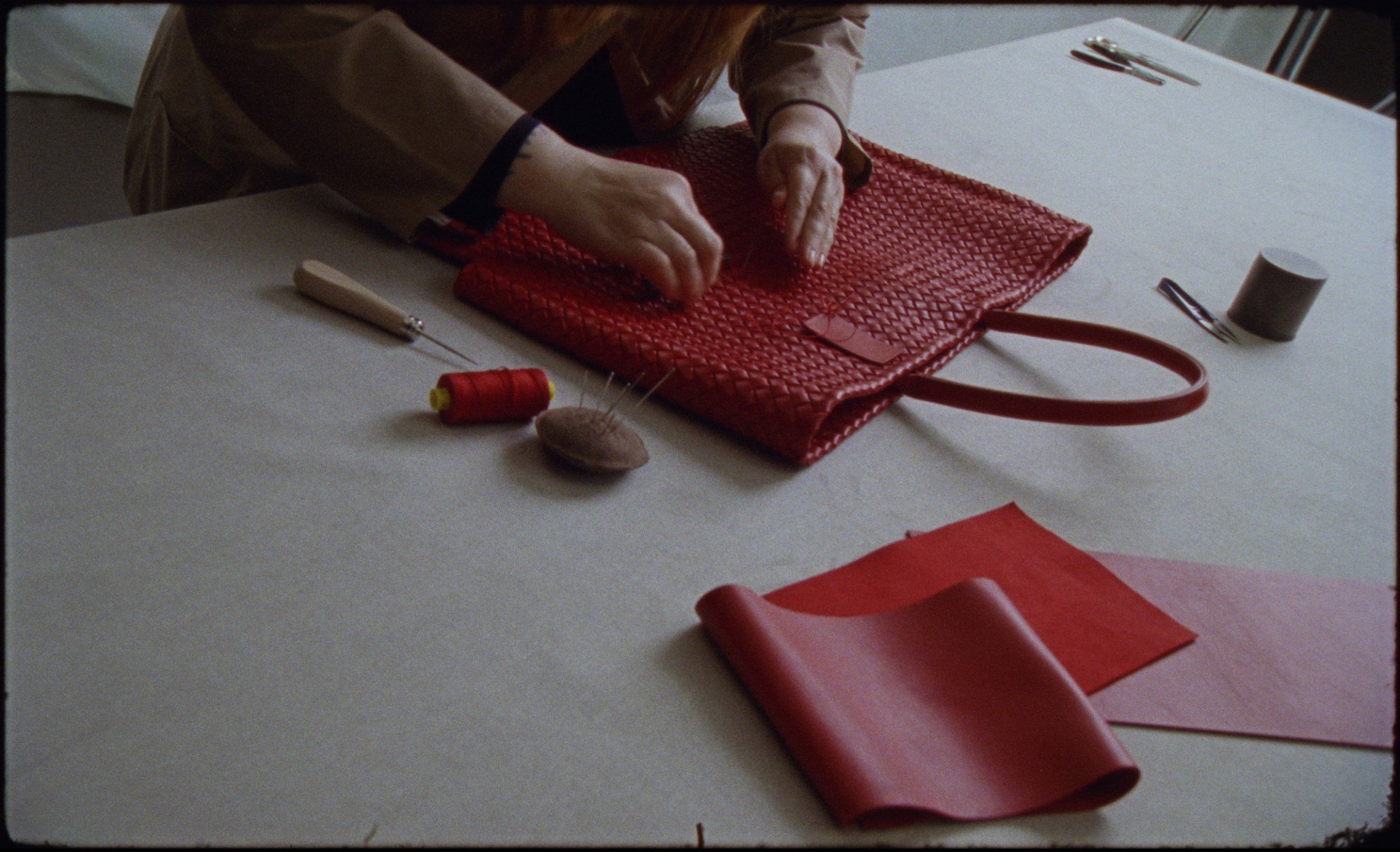
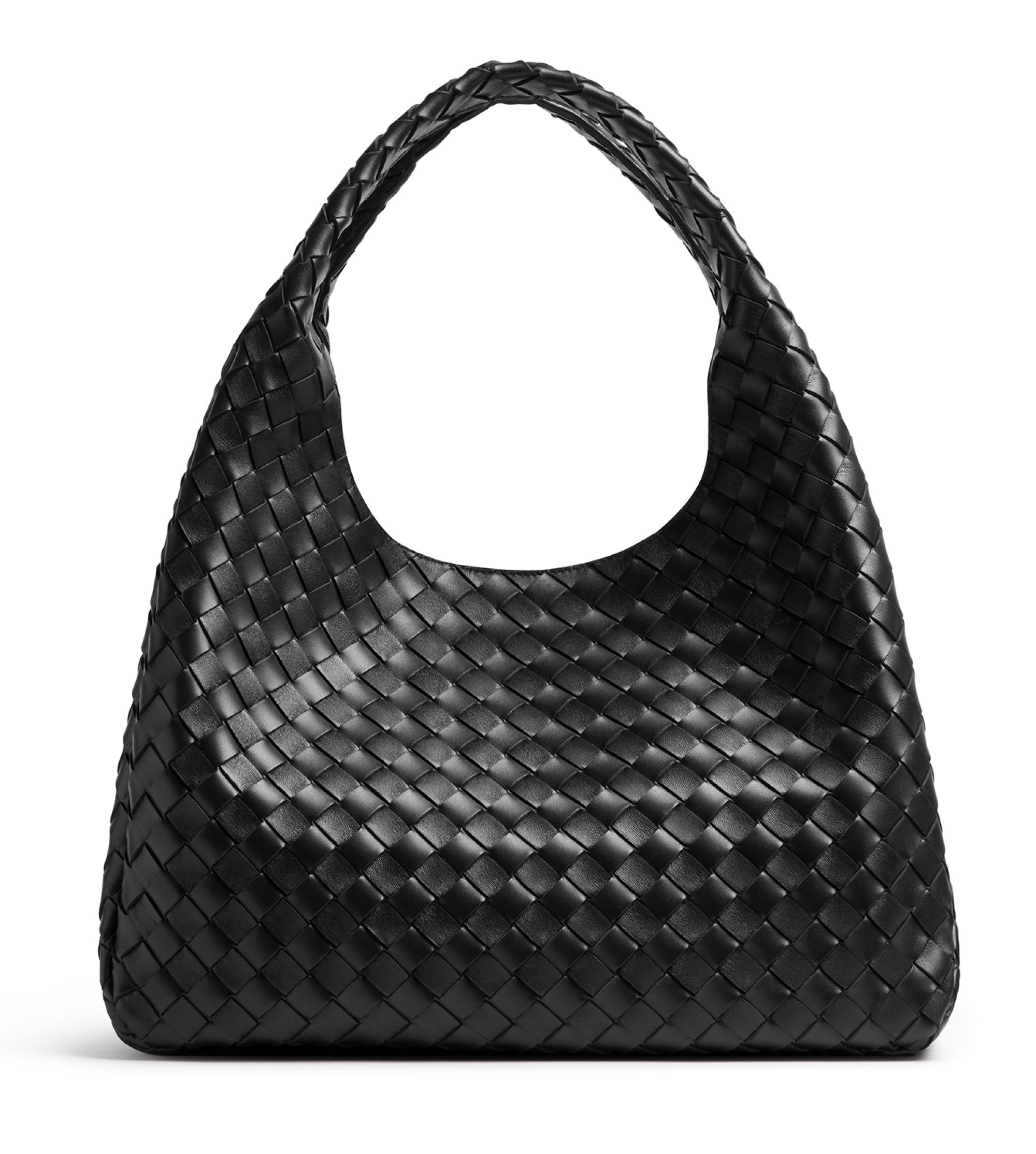
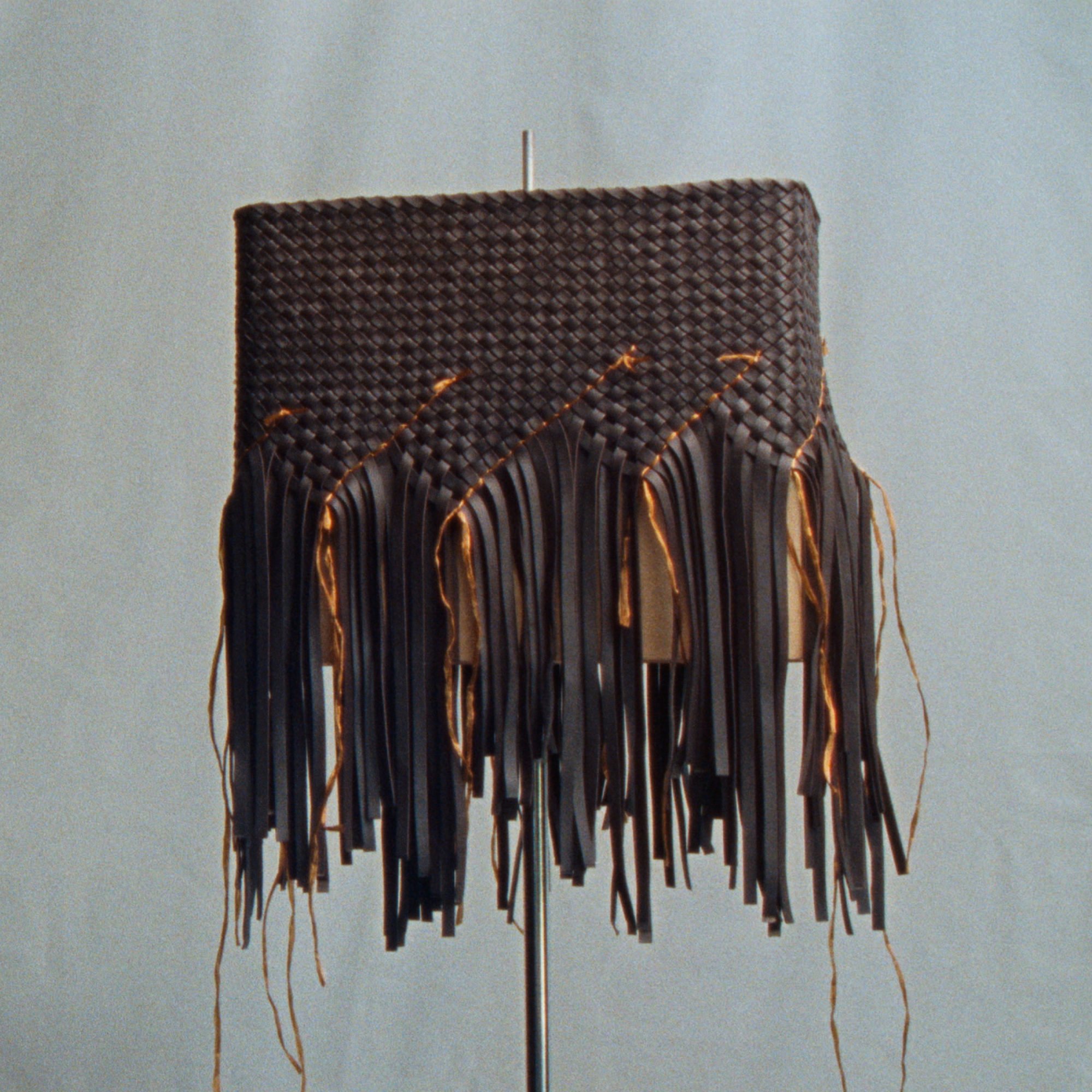
This year marks the 50th anniversary of the Italian maison’s Intrecciato weave, a craft that has become so iconic to the brand, that it’s considered by many to be its default logo. First introduced in 1975, Intrecciato draws on a long tradition of weaving and leatherworking expertise from the brand’s native Veneto region. Slender leather strips, called fettucce, are woven into a leather base panel or around a wooden mould, a technique that takes hours and sometimes days to perfect. The weaves are then arranged diagonally, mimicking the curves of the body.
The craft has been reimagined in more than 50 different expressions over the years and continues to evolve as a new generation of artisans experiment with fresh constructions, proportions, and other details. For example, the recently launched Campana tote uses slightly wider fettucce to create a more fluid form while the Andiamo is unlined so the weave is visible on the inside of the bag.
Chanel: From Lambskin to Caviar
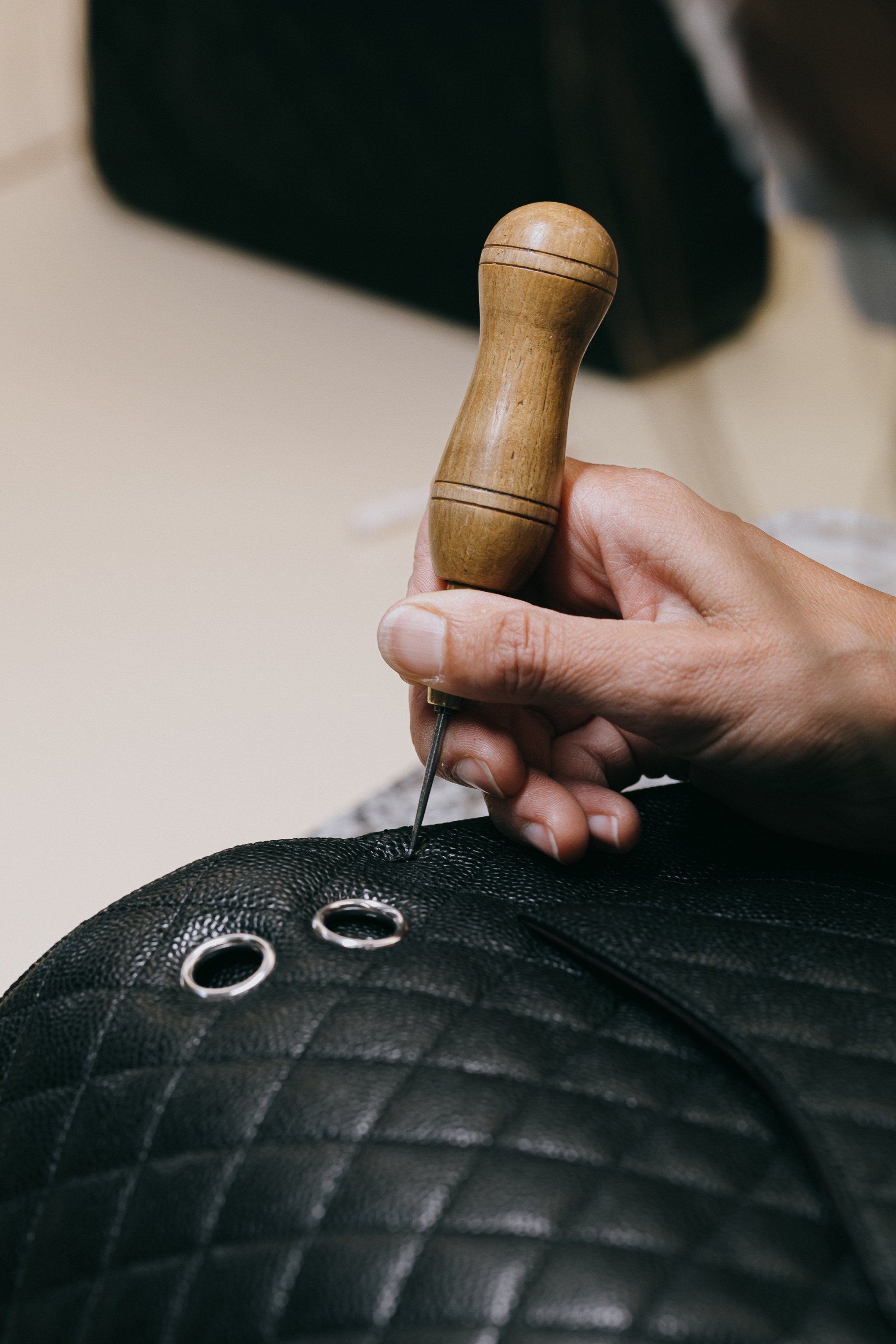
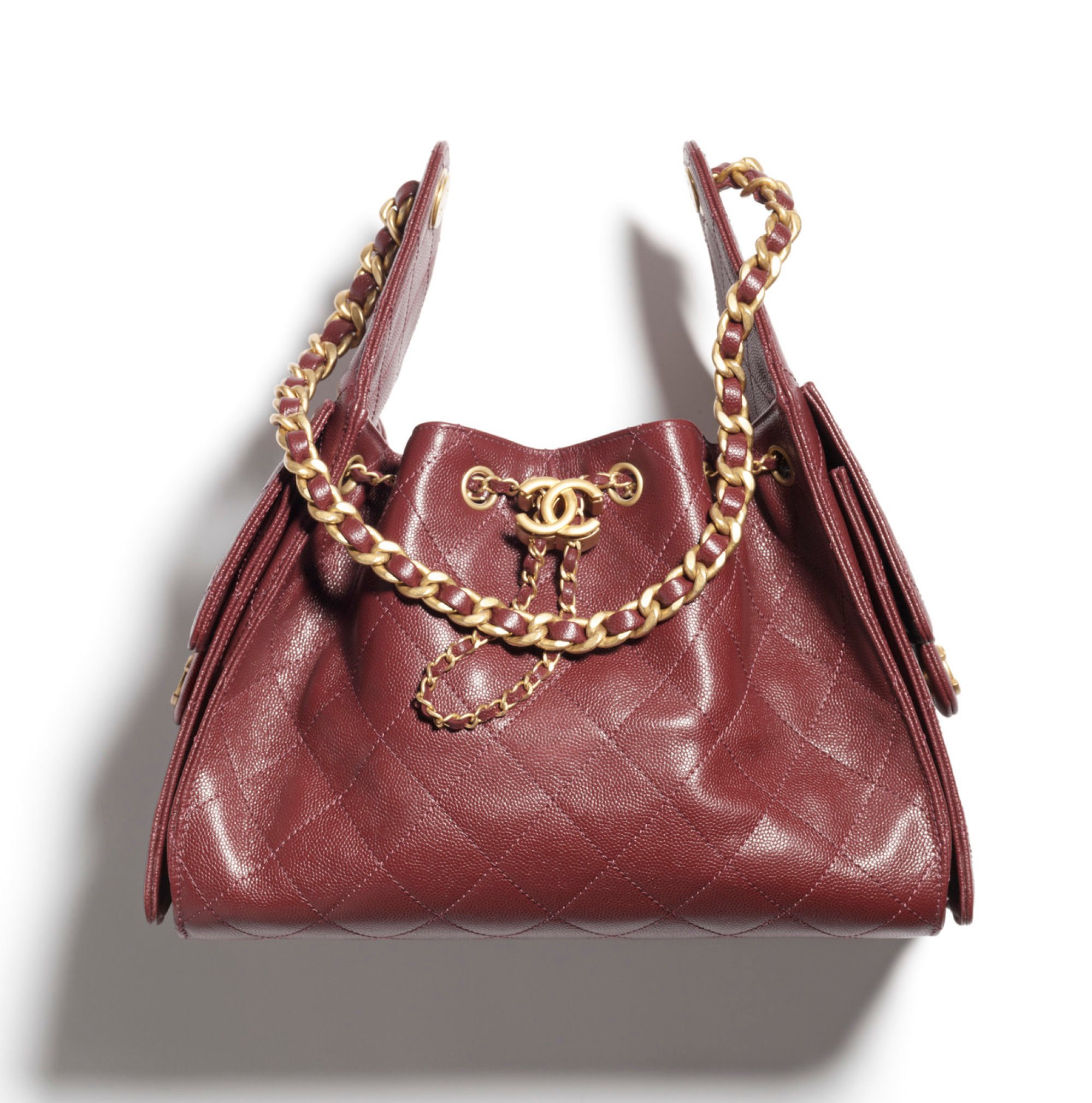
Gabrielle “Coco” Chanel launched her first handbag in 1929, but it was a later creation—the now classic 2.55 shoulder bag—that was considered more revolutionary. Instead of fashioning it from jersey as she had done with previous styles, she chose to swathe the bag in soft lambskin leather, a material that was traditionally the preserve of glove makers.
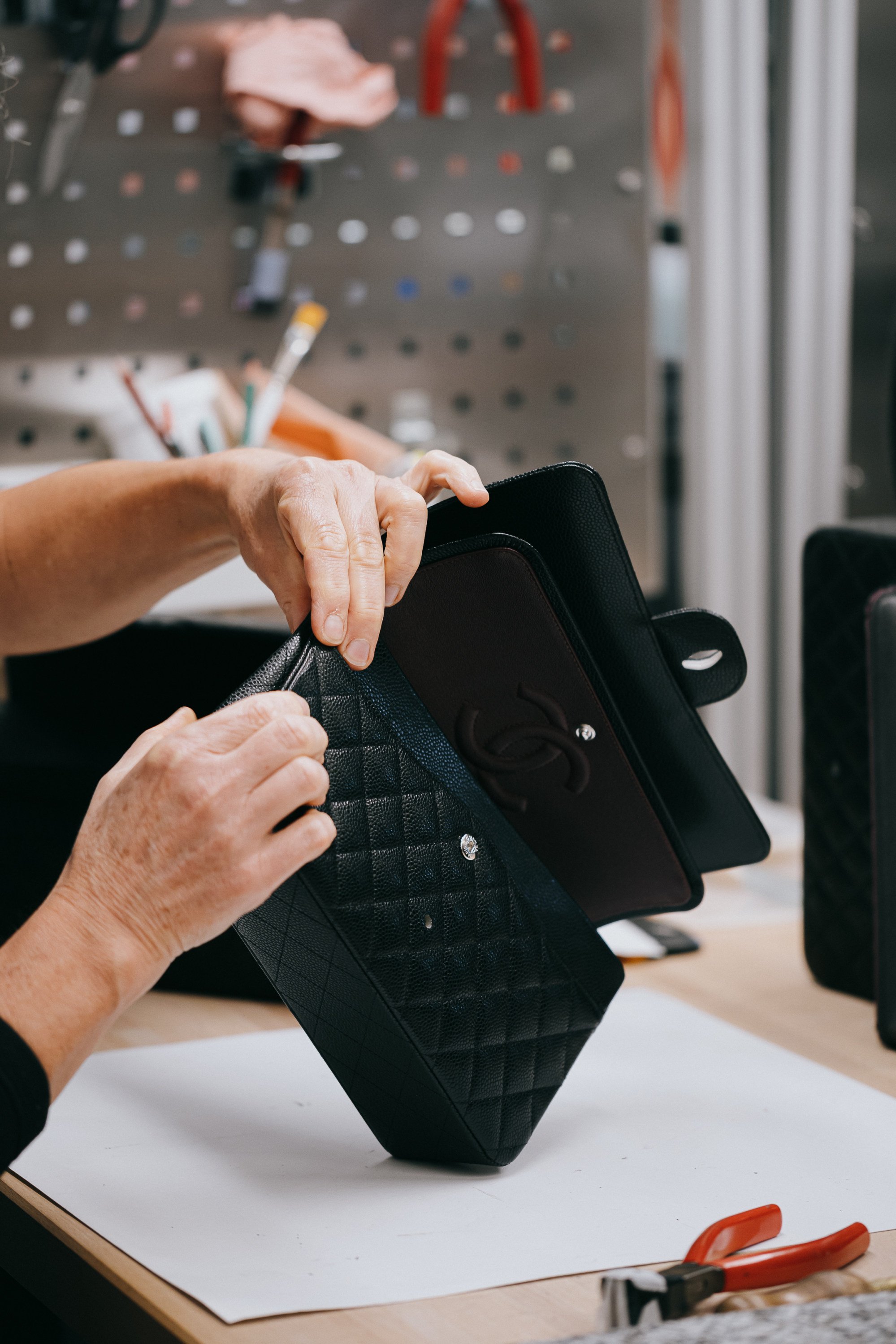
While the smooth and buttery leather would go on to become a staple in the French fashion house’s collections, it also spurred the development of another innovation: a grained calfskin, simply referred to as “Caviar.” Caviar leather is essentially calfskin with a pebbled finish that resembles the texture of tiny beads of the famous delicacy. Its visible grains not only create an opulent look but also make the finish sturdier and more durable. It’s become popular among collectors as it is considered more practical and less prone to scratches and blemishes compared to softer plain lambskin.
Over the years, Chanel has continued to develop a range of covetable Caviar finishes, from matte and soft to shiny, that have been used on signature styles including the Boy bag and the 11.12. Technical advancements have also resulted in a more lightweight version, as seen on the Chanel 25 bag.
Hermès: A Legacy of Exquisite Leathers
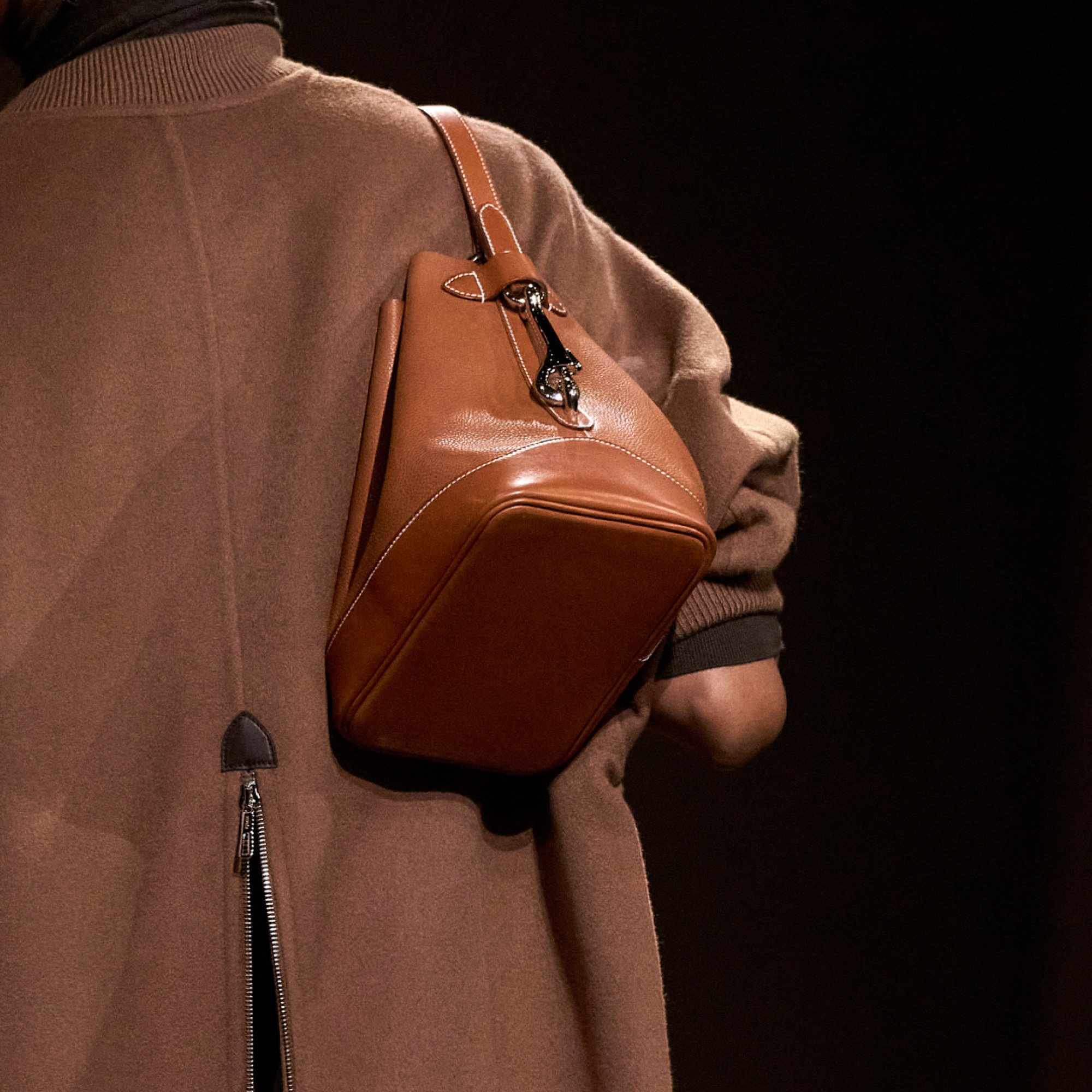
Leather has been a key component in Hermès creations since it was founded in 1837, making it as much a part of the maison’s legacy as its famous bags like the Birkin or Kelly. Over the years, the brand has produced a wide range of exquisite leathers, all of which have their own unique qualities.
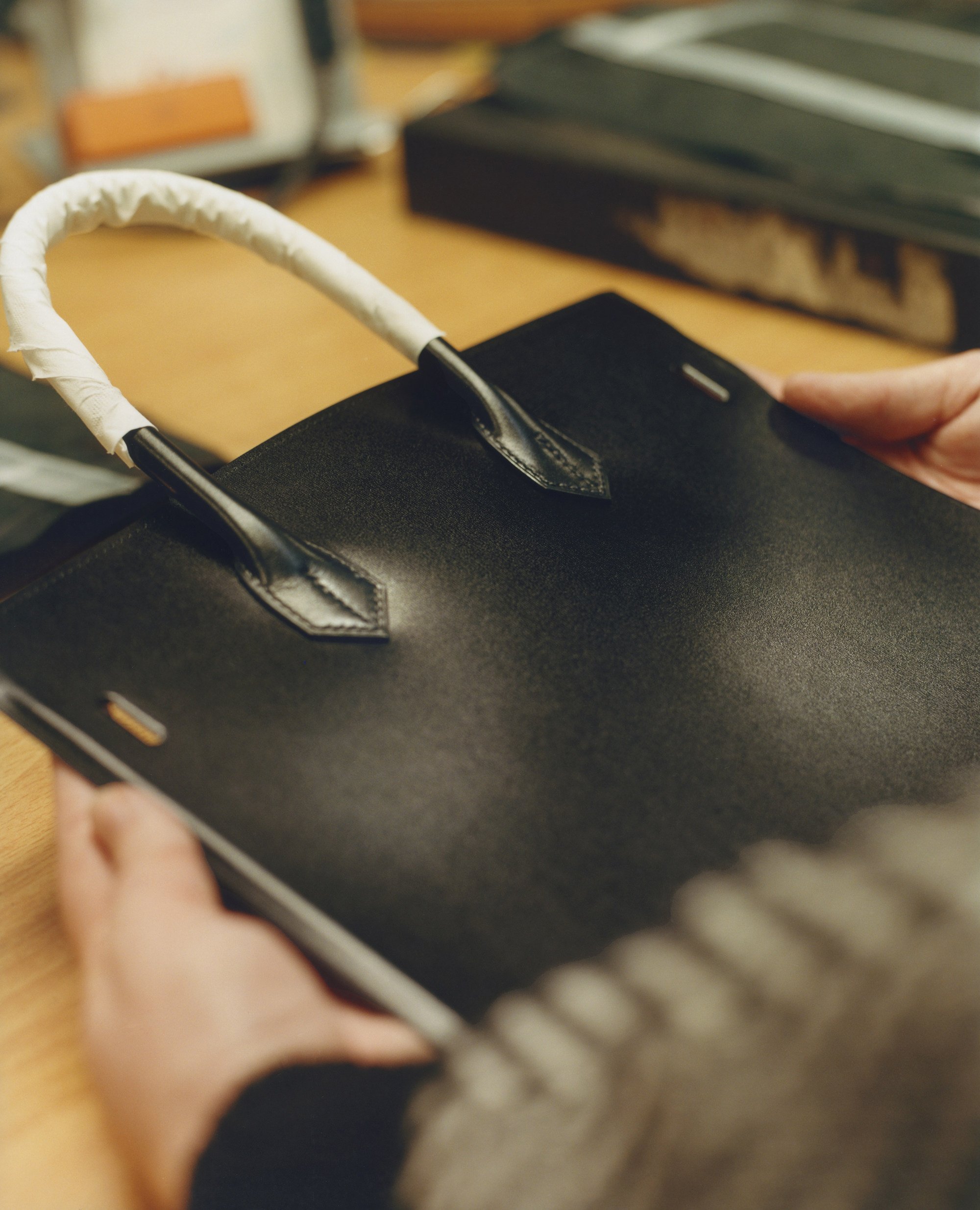
Hermès has 15 artisan-developers responsible for developing the house’s signature leathers. The range is so extensive that each collection can include around 40 different leathers. When it comes to handbags, there are certain stand-outs. One of the most revered and oldest leathers is the elegant box leather, also known as “the king of leathers,” because it develops a beautiful patina over time. It has a supple yet firm feel and soft sheen. Equally luxurious is swift leather, a soft, smooth calfskin that is more delicate but lends itself well to vibrant, rich colours.
When it comes to practicality, you can’t beat Togo leather, crafted from baby calfskin and featuring a distinctive pebbled texture that is soft to the touch. Also durable but no less stunning is the lightweight Epsom leather, known for its embossed calfskin texture that creates a fine, uniform grain and sleek matte finish.
Louis Vuitton: The Timeless Epi Leather
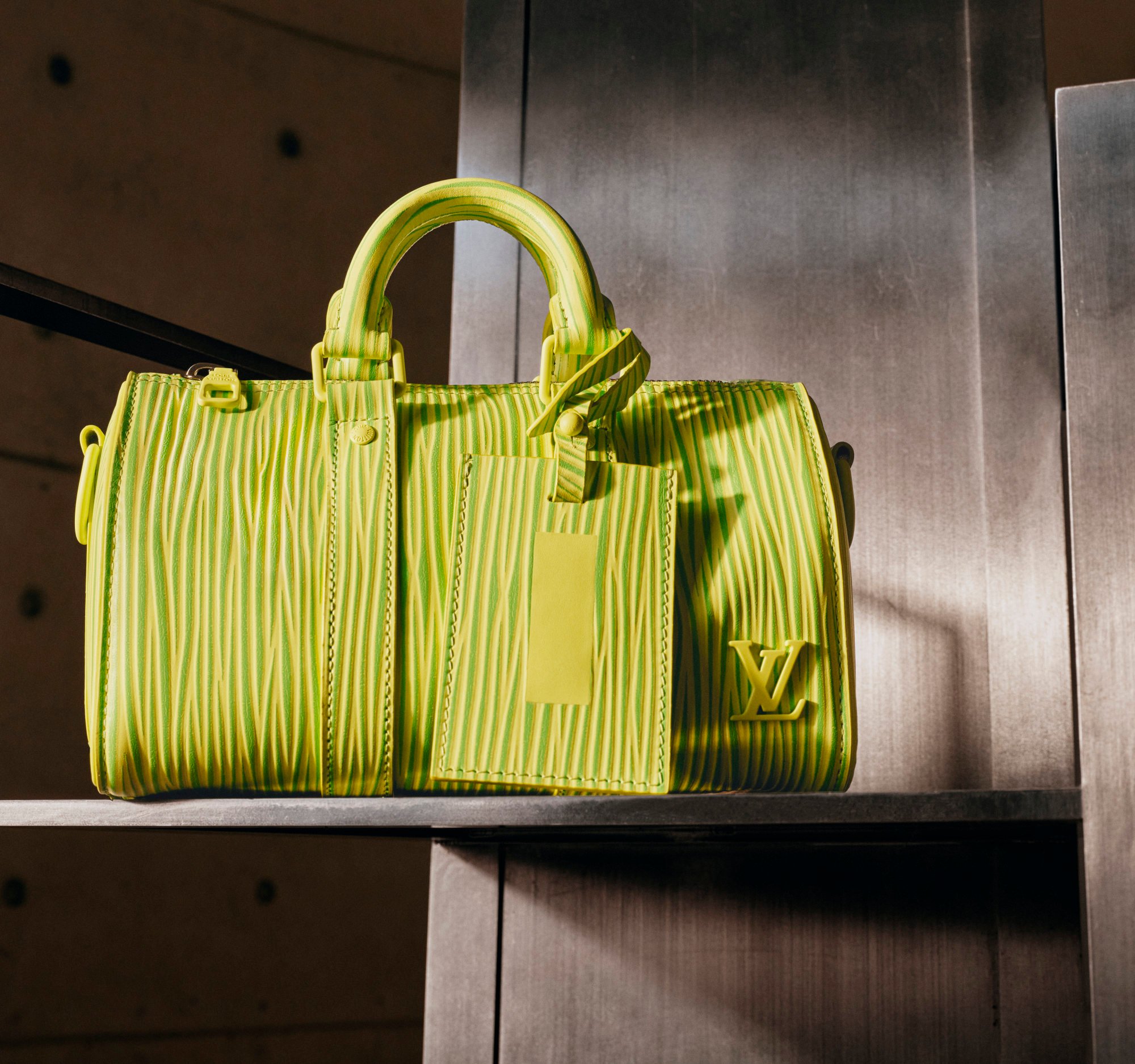
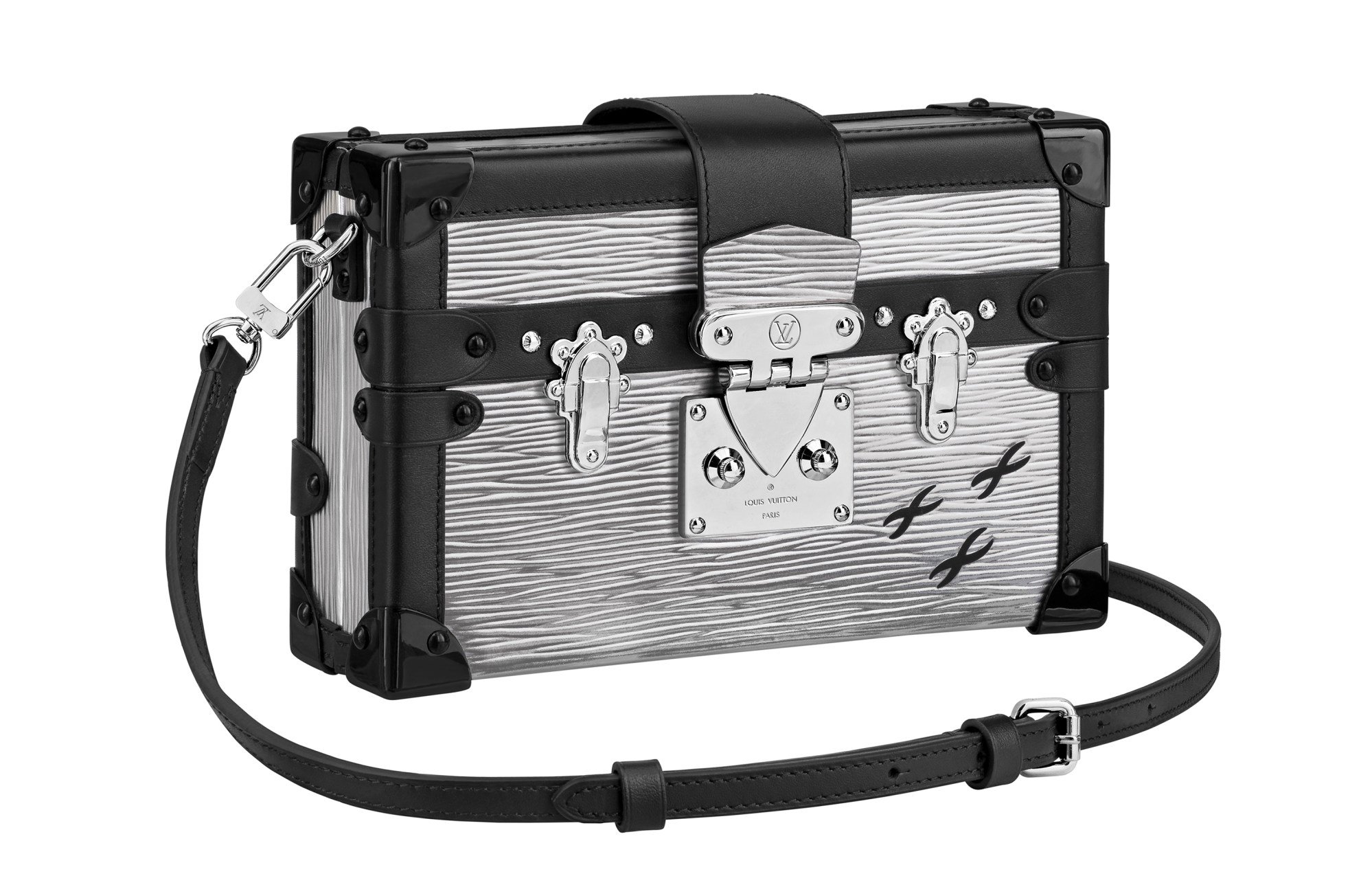
Its eye-catching monogram canvas may be instantly recognizable, but Louis Vuitton’s luxurious epi leather has also become one of its most timeless signatures. Created by Georges Vuitton and his son Gaston-Louis in 1920, the design, which features distinctive horizontal lines, was inspired by fields of wheat rippling in the sunshine. It wasn’t until 1985 that the brand launched its first full epi collection to fill a demand for a more durable leather that would lend itself well to everyday use and travel.
Featuring a three-dimensional embossed fine-grain cowhide leather, epi leather is both durable and lightweight. It softens over time and gains a rich patina, giving it a unique character. As such, it’s been used on everyday bags over the years, including more structured styles like the Alma and the popular Twist shoulder bag.
Although less well known than epi leather, Vuitton’s taiga leather is also gaining popularity thanks to its smooth texture and subtle grain. Made from high-quality cowhide leather, it is scratch and moisture resistant but still understated and refined, making it ideal for items like luggage.
Prada: The Saffiano Legacy
The Italian luxury brand may be best known for its nylon handbags and edgy runway collections, but it made its fame and fortune with exquisitely crafted leather goods. Prada was founded in 1913 by Mario Prada and his brother Martino, who opened a leather goods shop called Fratelli Prada in Milan. It was Mario who would go on to invent and patent Saffiano leather, now a Prada signature.
This leather is known for its distinctive crosshatch pattern and wax finish, giving it a luxurious yet durable quality. To create its unique motif, fine-grained calf leather is heat-pressed with a specific steel plate and then treated with a specialized wax finish. This makes the leather more resistant and less likely to scratch while the coating ensures that it is water repellent.
Saffiano leather is extremely versatile and lends itself to an extensive color palette from dark to vibrant tones. It’s also a tough yet elegant material that is perfect for daily use without compromising style or elegance. Today, it appears on a range of styles including the Galleria bag, which exemplifies Prada’s century-old excellence in luxury leather craftsmanship.


