Concerns Over Scotland’s New GP Walk-In Centers
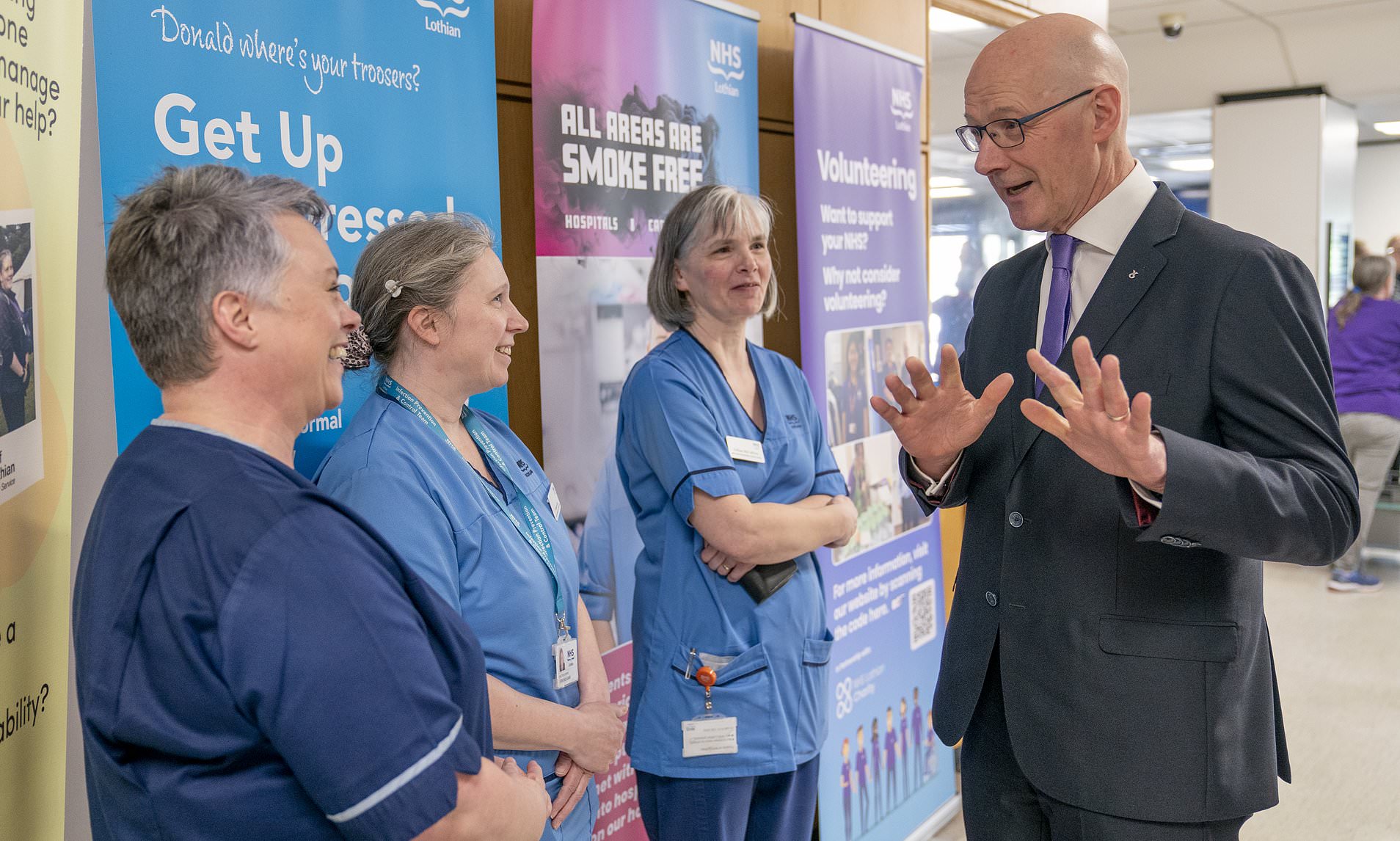
A proposed network of walk-in general practitioner (GP) centers in Scotland has sparked significant debate and criticism from medical professionals and opposition leaders. John Swinney, the First Minister, has been warned that this initiative may not be sufficient to address the morning rush for appointments and could even be unfeasible due to existing challenges within the healthcare system.
The plan, introduced during the SNP conference, aims to establish 15 walk-in clinics that would provide one million appointments annually. However, many experts argue that this target may not be realistic or effective in solving the broader issues facing primary care in Scotland.
Feasibility and Staffing Challenges
One of the main concerns raised is the lack of clarity regarding staffing and operational details. The Royal College of General Practitioners (RCGP) Scotland highlighted the absence of concrete information about who will staff these clinics, their locations, and how they will integrate with existing services.
Dr. Chris Provan, chairman of RCGP Scotland, emphasized that there is currently no real clarity around the plans. He pointed out that GPs and their teams already handle approximately 4.4 million patient encounters in a single month. Adding one million annual appointments through walk-in clinics may not make a meaningful difference in overall access to care.

Dr. Chris Williams, vice chairman of RCGP Scotland, questioned where the additional GPs and nurses would come from, noting that there are already shortages in the system. He stated that GPs have very intense workloads, and it is unrealistic to expect them to simply add more hours to their schedules.
The One Million Appointments Target
The target of one million appointments per year through the 15 clinics equates to an average of 66,666 appointments per center annually, or 183 per day. However, critics argue that this number may not be enough to significantly impact the current demand for GP services.
Dr. Williams noted that the weekly activity in general practice involves 720,000 patient contacts. While one million appointments may seem ambitious, he expressed concern that this could create an extra lane of activity without improving existing services. There is also a fear that it might generate additional demand when the system is already struggling to meet current needs.
Workforce Shortages and Funding Issues
The Scottish healthcare system is already grappling with significant workforce shortages. According to the General Practice Workforce Survey 2025, 3.8% of GP posts were vacant at the end of March this year. An Audit Scotland report highlighted a decrease in the number of whole-time equivalent (WTE) GPs between August 2017 and March 2024. The Scottish Government’s goal of increasing the number of GPs by 800 by 2027 is considered unlikely to be met.
Additionally, the number of GP practices in Scotland has declined from around 1,000 in 2011 to 889 in 2023. The number of patients per WTE GP has increased from 1,500 to 1,715 over the same period, according to British Medical Association data.
Criticism From Opposition Leaders
Dr. Sandesh Gulhane, a practicing GP and Scottish Conservative health spokesman, criticized the policy as “back of a fag packet stuff” and a pre-election stunt. He argued that the SNP’s mismanagement has led to overwhelmed colleagues and suffering patients, with no clear vision to address the ongoing crisis in the NHS.
Government Response and Future Steps
Health Secretary Neil Gray defended the plan, stating that a record 1,200 GPs are currently in training. He believes the Scottish Government can work with the profession to ensure the new sites are staffed by GPs, advanced nurse practitioners, and practice nurses. When asked about the criticism, he acknowledged that the new appointments may be a “drop in the ocean” but emphasized that the centers will build on existing capacity.
Gray also mentioned that the Scottish Government wants to work with the RCGP ahead of piloting the initiative, despite the lack of prior consultation.
Ongoing Debate
As the debate continues, questions remain about whether the new walk-in clinics will be a viable solution to the GP crisis or if they will exacerbate existing challenges. With staffing shortages, funding constraints, and skepticism from medical professionals, the success of this initiative remains uncertain.