The Nature of Market Cycles
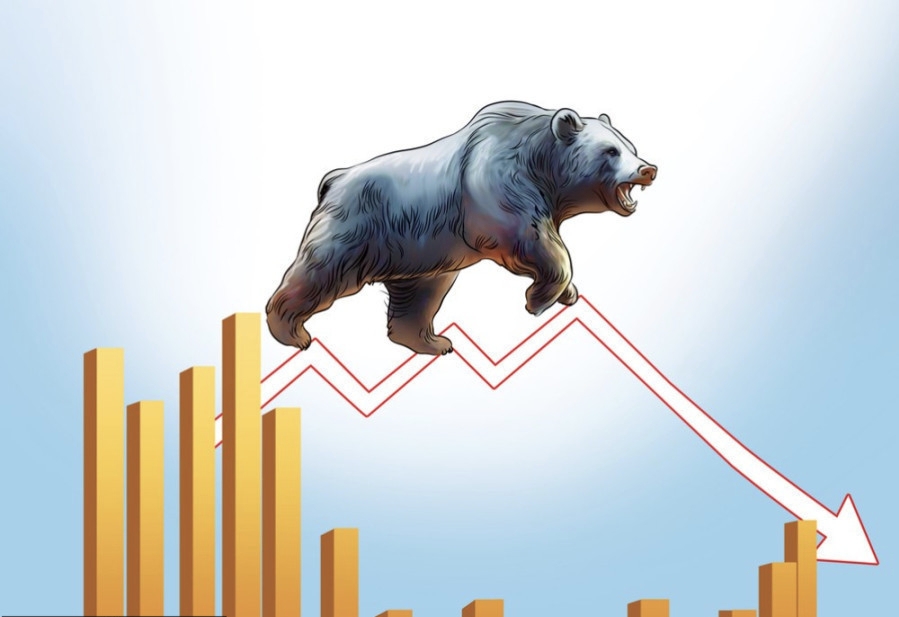
Warren Buffett once famously said that investing is simple but not easy. This sentiment captures the essence of market behavior, which is often dictated by cycles of greed and fear. Bulls and bears take turns in shaping the financial landscape, and while it’s a cliché, it remains true that no asset class—whether equities, fixed income, commodities, real estate, or derivatives—can remain at a peak forever. A bull market continues as long as there are “greater fools” willing to pay higher prices, expecting even higher returns. However, when this confidence wanes, the cycle shifts, and the market begins to move in the opposite direction.
In a typical market, the majority tends to favor the long side, benefiting from rising prices. When markets are on an upward trajectory, few complain, regardless of how overhyped or disconnected from intrinsic value the prices may be. But when the market starts to decline, people often look for someone to blame. This tendency is especially pronounced in immature markets, such as Nepal, where equity investing has only been around for just over three decades.
Recent Developments in Nepal’s Stock Market
The recent meeting between various investment groups and Finance Minister Swarnim Wagle highlights the concerns of investors in Nepal. These groups, including the Stockbroker Association of Nepal, have expressed their worries about the declining investor confidence. The Rastriya Swatantra Party (RSP)-led government was formed on March 27, and before the parliamentary elections on March 5, the Nepal Stock Exchange (NEPSE) experienced a rally that peaked at 2,970 before falling to 2,670 by April 6. While this drop might seem minor in the grand scheme of things, it has raised alarm among industry professionals.
This kind of behavior by market participants indicates that the market is still in its early stages. It’s not uncommon for investors to seek intervention from officials whenever the index drops significantly. However, this approach is not sustainable in the long run.
The Role of Technical Analysis
Technical analysis plays a crucial role in understanding market trends. In Nepal, there have been instances where finance ministers and Nepal Rastra Bank governors were pressured to loosen regulations. For example, the central bank faced criticism for the NEPSE peak in August 2021, when the 2021-22 Monetary Policy introduced a restrictive margin policy. Despite the index tripling in just over two years, critics failed to recognize the signs of rampant speculation.
There have also been cases where ministers acted more like politicians than economists. Bishnu Poudel, the former finance minister, visited NEPSE headquarters in September 2024 after the index dropped from over 3,000 to over 2,500 within a month. This shows how sensitive the market can be to political influence.
Historical Trends and Market Movements
The NEPSE first crossed 3,000 in June 2021, reaching a peak of 3,227 in August 2021. After a period of selling, the index fell to 1,807 in June 2022. It then fluctuated between 1,800 and 2,200 for over a year before a significant breakout in July 2024, reaching 3,048 in August 2024. However, the bulls could not sustain the momentum, leading to another sideways movement between 2,400 and 3,000. These movements are influenced by technical factors and historical patterns.
If the 3,000 level is decisively broken, it could trigger a wave of technical buying. Additionally, if short selling were allowed, it could further boost the market by encouraging shorts to cover their positions. Short sellers borrow shares, sell them immediately, and buy them back later to return to the original owner, profiting from the price difference. While this practice can help balance the market, it is not always accurate, and if the price rises instead of falls, it can lead to a squeeze, forcing shorts to buy back and pushing the price higher.
Addressing Toxic Practices
In any market, having only an upward bias is not ideal. The ban on short selling in Nepal creates a lopsided environment that favors long positions. This is compounded by the legality of margin trading, which allows investors to leverage their capital. While this can amplify gains during an upswing, it also increases the risk of losses during a downturn. Leverage is a double-edged sword, and if a client fails to meet a margin call, their account can quickly become unstable.
Short selling acts as a counterbalance to margin trading. Introducing short selling would help Nepal’s stock market mature and expand its range of tools for investors. The introduction of derivatives such as options and futures would further enhance the market’s capabilities. These are the areas that industry groups should focus on when seeking government support, rather than relying on measures that artificially inflate prices.
The Path Forward
The NEPSE, which began in January 1994, has grown significantly, with its market cap increasing from millions to trillions. However, it still lacks basic tools and infrastructure. The index remains heavily weighted towards banks and insurance companies, and major players like Ncell have yet to be listed on the main board.
Finance Minister Swarnim Wagle deserves credit for not being overly accommodating during these investor meetings. If he gives in to pressure, it could set a dangerous precedent. In the past, finance ministers have made unrealistic promises, often driven by the need to secure votes. The recent election saw voters nearly giving the RSP a two-thirds majority, hoping for a complete overhaul of entrenched practices.
Wagle should avoid repeating the mistakes of his predecessors. His role is not to simply push for higher stock prices, but to focus on policies that promote sustained economic growth. Such growth will naturally reflect in the stock market over time.