London’s Police Front Desks Face Major Cuts Amid Budget Constraints
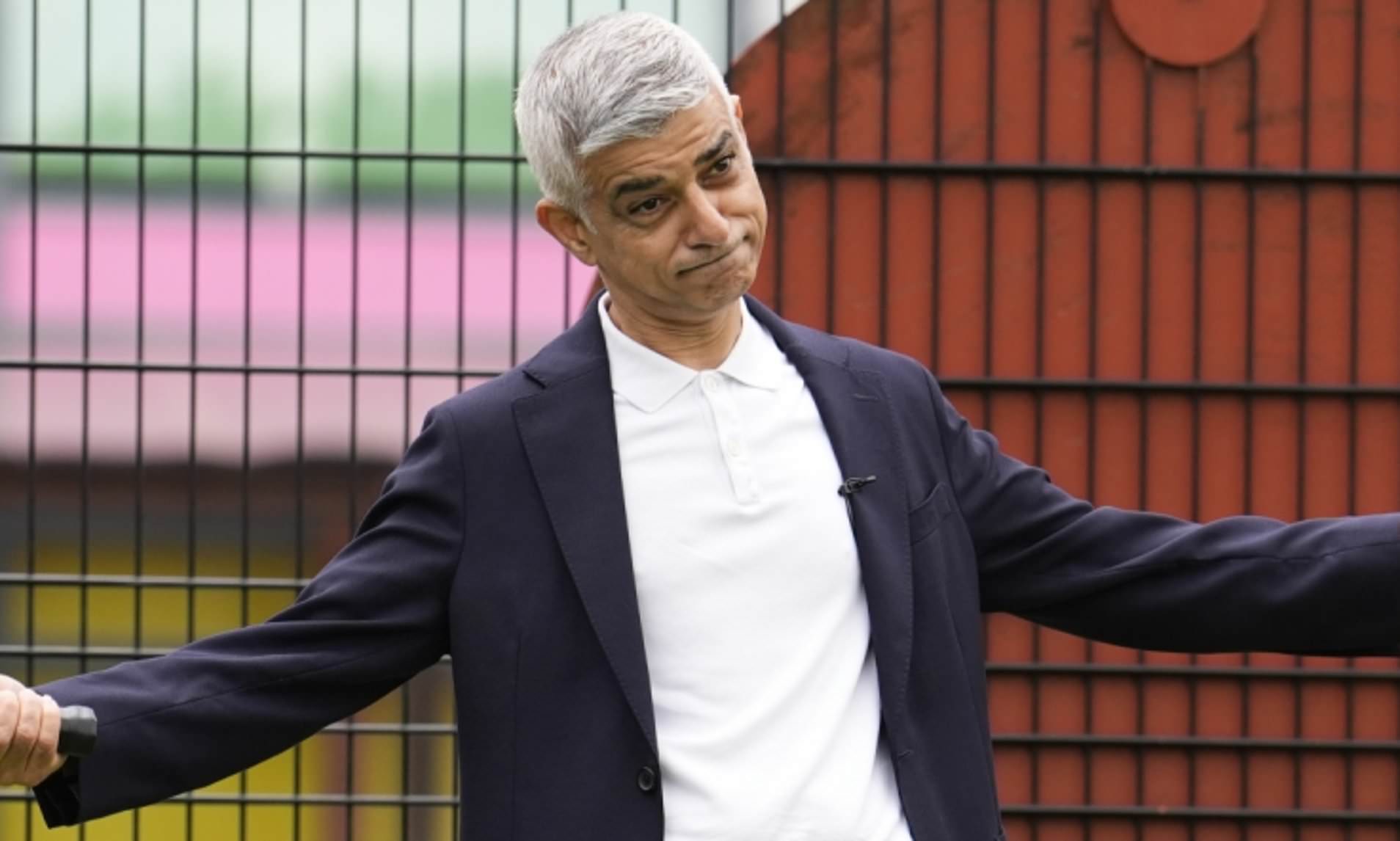
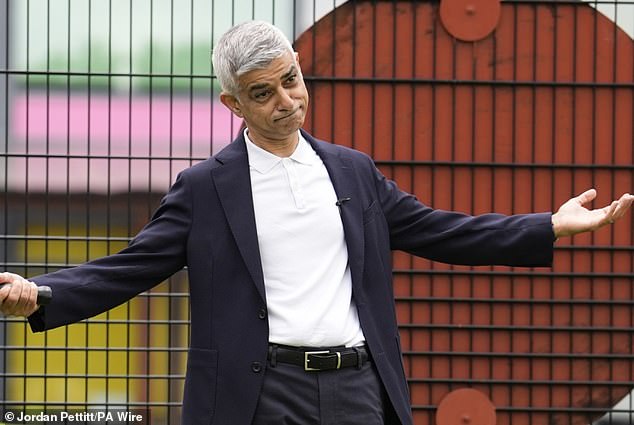
Londoners are witnessing a significant reduction in the availability of police station front counters, with only two 24-hour service points remaining operational. This move contradicts a previous promise made by Sadiq Khan, who had pledged to ensure at least one 24-hour counter in each of the city’s 32 boroughs.
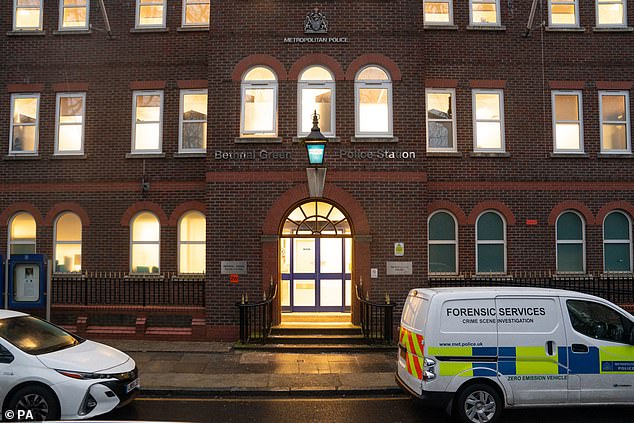
The decision is part of a broader cost-cutting strategy aimed at saving £260 million, which has involved reducing the number of officers and staff by 1,700. The police force has reduced the number of front desks from 37 to 27, with only the busiest locations—Charring Cross and Lewisham—remaining open 24 hours a day. This change is expected to save £7 million, which accounts for less than three percent of the Met’s budget shortfall.
Currently, there will be 25 front counters across London, operating Monday to Friday from 10 am to 10 pm, and on weekends from 9 am to 7 pm. The closure of these desks has sparked widespread concern among residents, activists, and community leaders.
Impact on Public Safety and Trust
Campaigners argue that the closure of police station front desks could lead to an increase in crime. One police staff member described the desks as “always busy,” with additional officers often called in to manage the workload. Another revealed that staff cannot take breaks due to the lack of coverage, leading to heightened stress levels.
Domestic abuse charity Refuge has expressed serious concerns about the impact of these closures. They highlighted that for some individuals, particularly survivors of abuse, the front desk is the only way to contact the police. Emma Pickering, head of tech-facilitated abuse at Refuge, explained that many survivors feel their phones are monitored by abusers, making them hesitant to call the police. She added that some survivors reported that their abusers work in the police force, further eroding trust in the system.
Gareth Roberts, a member of the London Assembly Police and Crime Committee, criticized the plan, stating that it would have “real consequences” for vulnerable groups such as the elderly, disabled, and non-English speakers. He warned that the loss of physical police stations could severely impact public confidence in the force.
Political and Union Reactions
Assistant Commissioner Matt Twist defended the changes, stating that the Met must reduce its operations to stay within budget. He emphasized that resources are being directed toward visible and responsive policing on the streets. However, he acknowledged that more front counters will remain open than initially proposed, following public feedback.
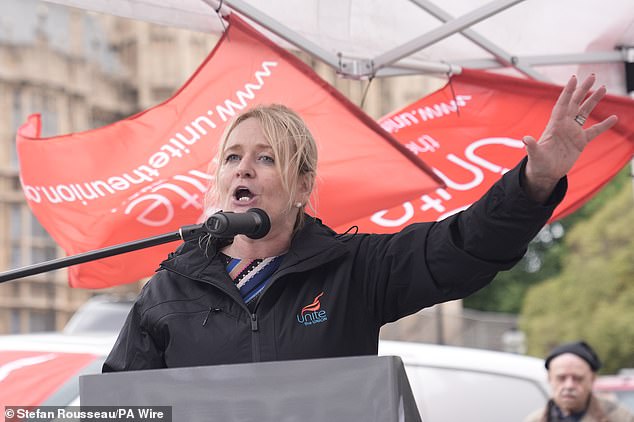
Unite general secretary Sharon Graham condemned the cuts, calling them “short-sighted” and warning that they could lead to increased crime and higher levels of unreported offenses. She criticized the lack of consultation with union members and vowed to fight the changes through protests and advocacy.
A front desk worker shared similar concerns, stating that people may stop reporting crimes if they no longer have access to in-person services. This, they argued, could make London’s streets more dangerous.
Broader Implications for Policing
The cuts extend beyond front desks, with reductions in forensic services, historic crime units, mounted police, and dog teams. The Flying Squad, responsible for tackling organized crime, may also lose its firearms. These changes raise questions about the future of specialized policing in the city.
Sadiq Khan attempted to justify the decisions during Mayor’s Question Time, claiming that the Met has the authority to make operational choices regarding front desks. However, his past pledge to maintain 24-hour counters in each borough has drawn criticism. When asked about this contradiction, he responded, “When the facts change, I change my mind.”
Questions About the Future of Policing
As the debate continues, several critical questions remain: Could the closure of half of London’s police front desks lead to a rise in crime? Will the drastic cuts to policing services weaken the city’s ability to combat serious crime? And what does this mean for the trust between the public and the Metropolitan Police?
These concerns highlight the complex challenges facing London’s law enforcement as it navigates budget constraints and shifting priorities.


