New Zealand’s Secrecy Over US Critical Minerals Talks Sparks Political and Environmental Concerns
New Zealand’s government has faced growing criticism for its lack of transparency regarding discussions with the United States on critical minerals. Opposition parties have accused the ruling coalition of keeping voters in the dark, raising concerns about potential environmental damage and foreign influence. The secrecy surrounding these talks has intensified as analysts note that Wellington is avoiding any formal agreement with Washington or public debate on the issue.
Despite this, both governments have confirmed they are “exploring further opportunities” on critical minerals cooperation. A joint statement released after a meeting in Washington on February 2 highlighted their commitment to deepening collaboration on critical minerals, energy, emerging technologies, and the digital economy “to ensure economic resilience and mutual prosperity.”
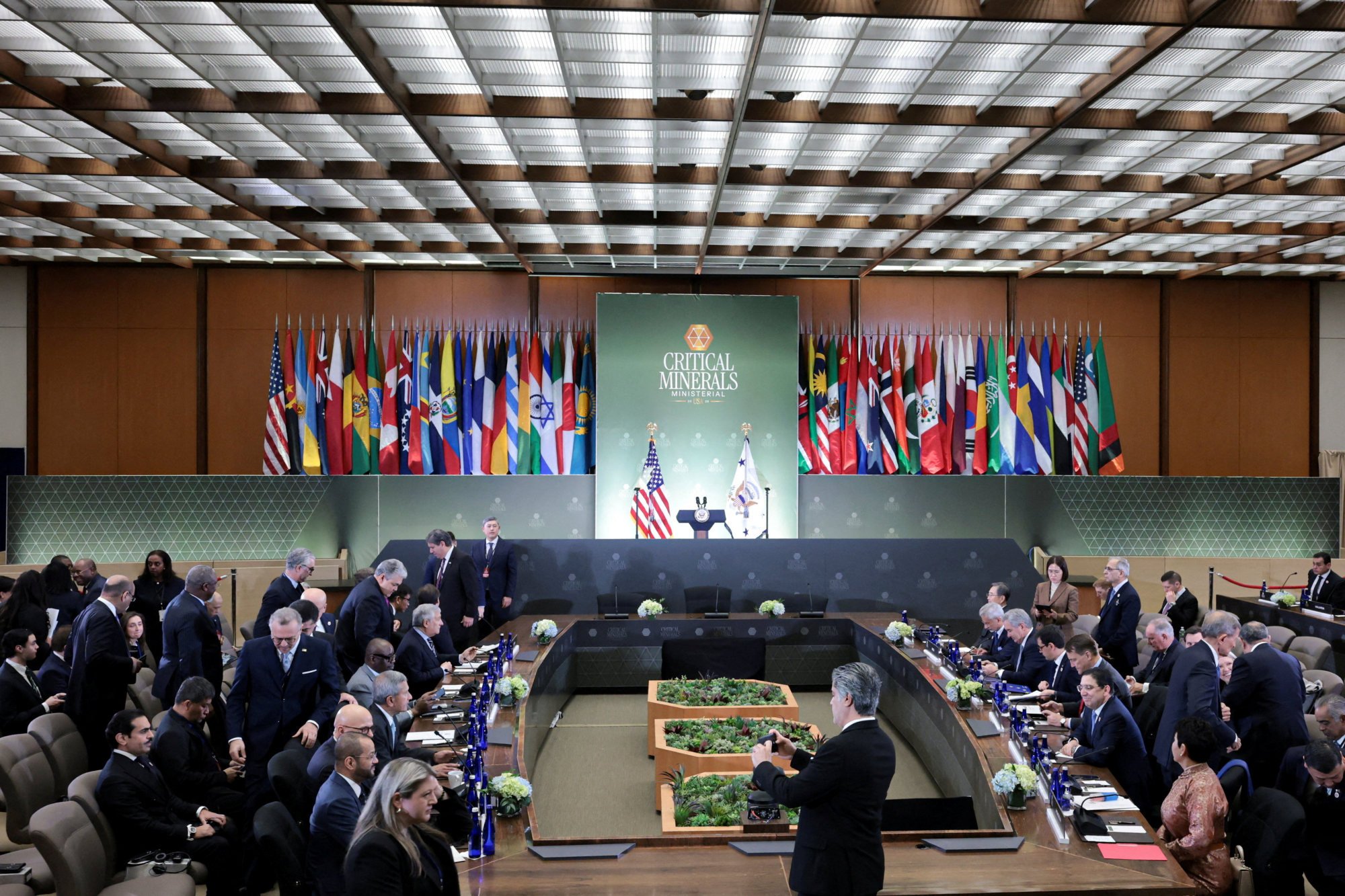
The discussions included the creation of a US-New Zealand Critical Minerals Framework, with US Deputy Secretary of State Christopher Landau welcoming Wellington’s participation in the US-hosted Critical Minerals Ministerial held later that same week. This event, hosted at the US State Department on February 4, was chaired by Secretary of State Marco Rubio and featured keynote remarks by Vice-President J.D. Vance. Delegations from over 50 countries, including India, Japan, Germany, Britain, Australia, and the Philippines, attended.
“Every single one of us represented in this room has become dependent on arrangements that we cannot control. We all face the same vulnerability,” said Vance, proposing the creation of “a preferential trade zone for critical minerals, protected from external disruptions through enforceable price floors.”
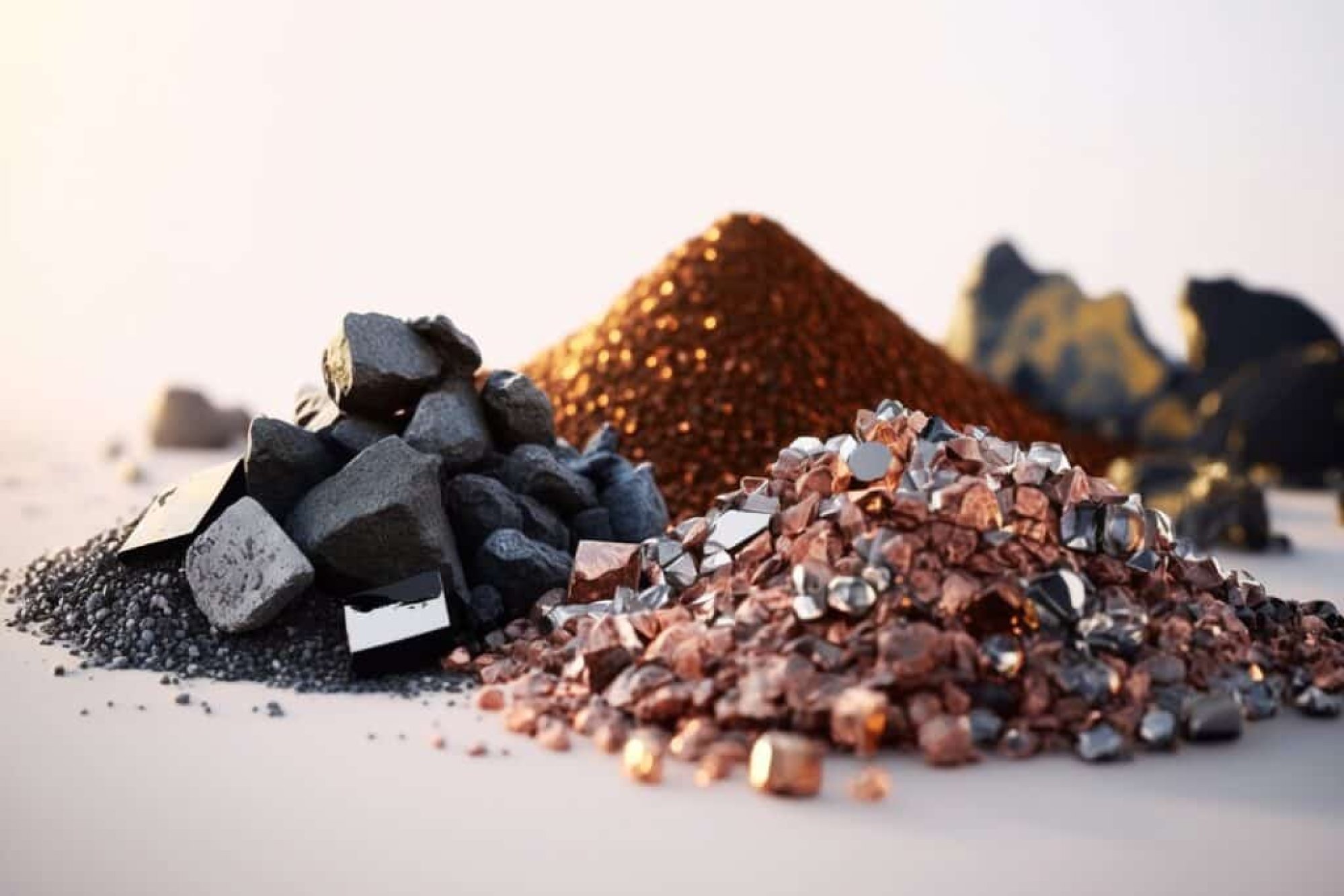
Critical minerals are essential for industries ranging from defense manufacturing to emerging technologies such as artificial intelligence. New Zealand’s Prime Minister Christopher Luxon sought to downplay earlier media reports about possible supply agreements with the US, describing them as “speculative and hypothetical.”
“I think the commentary, frankly, is probably a bit frothy and a bit ahead of itself,” Luxon told broadcaster Radio New Zealand before that day’s joint statement.
Opposition Parties Raise Concerns About Transparency and Environmental Risks
Opposition parties have accused the government of keeping New Zealanders in the dark over the talks with Washington, with the Labour Party warning of “environmental and climate risks with no public scrutiny.” Labour’s energy and resources spokeswoman Megan Woods stated that most New Zealanders would be upset that talks about mining and exporting critical minerals are taking place without transparency or accountability.
Chloe Swarbrick of the Green Party was more forthright, asking: “Do we really want to be using our critical minerals to effectively power the United States’ national security interests?”
Critics have warned that Wellington risks prioritizing foreign partnerships over domestic environmental protections. Jane Kelsey, an emeritus professor of law at the University of Auckland, said the government’s secrecy reflected its unwillingness to provoke Washington or face a politically charged debate at home. She described the government as “spineless” when it came to criticising the administration of US President Donald Trump.
“It [the government] seems to think that keeping its head down will protect it from tariffs or other negative impacts,” Kelsey said. “That is naive, as the Trump administration’s approach to individual countries varies almost by the day.”
Economic and Political Considerations
The US now imposes a 15 per cent baseline tariff on most imports from New Zealand, though recent exemptions have lifted that levy for key agricultural products. Kelsey noted that the New Zealand government does not seem concerned about environmental damage, pointing to recent “fast track” legislation covering projects such as mining proposals previously rejected by the courts on environmental grounds.
Luxon’s ruling coalition has also pushed forward at least two controversial seabed mining proposals, reinforcing perceptions that the current administration in Wellington favours short-term economic and resource development over stricter conservation measures.
Robert Patman, an international relations professor at the University of Otago, said any minerals deal with Washington was unlikely in the near term, given political and diplomatic constraints. “It’s an election year in New Zealand and Luxon’s comments about discussions over a minerals deal have been couched cautiously in exploratory terms,” he said. “Trump’s declining domestic position will not do anything to accelerate such discussions.”

Strategic Implications and Trade Relations
New Zealand is set to hold a general election in November. In the US, recent polls have shown that 58 per cent of adults disapprove of Trump’s job performance, especially his administration’s aggressive immigration enforcement raids, while consumer confidence has weakened amid fears of price increases linked to his tariff policies.
Patman added that Wellington was likely to be conscious of the terms of its upgraded free-trade agreement with China, its largest trading partner, which was signed in 2021 and implemented the following year. That deal removed tariffs on 98 per cent of New Zealand exports to China and introduced new provisions covering e-commerce, competition policy, and environmental cooperation.
New Zealand’s government will be keen to make sure any understanding with Washington does not undermine the trade framework it has built with Beijing, according to Patman. The minerals discussions could nonetheless serve as part of a wider strategy to secure New Zealand’s interests in an emerging, high-stakes sector.
Resource-Rich Nation and Future Prospects
New Zealand is regarded as resource-rich, with official assessments identifying 37 critical minerals—including rare earth elements, lithium, and cobalt—that are needed for clean energy development and advanced technology manufacturing.