The Impact of the Nigerian Resident Doctors’ Strike
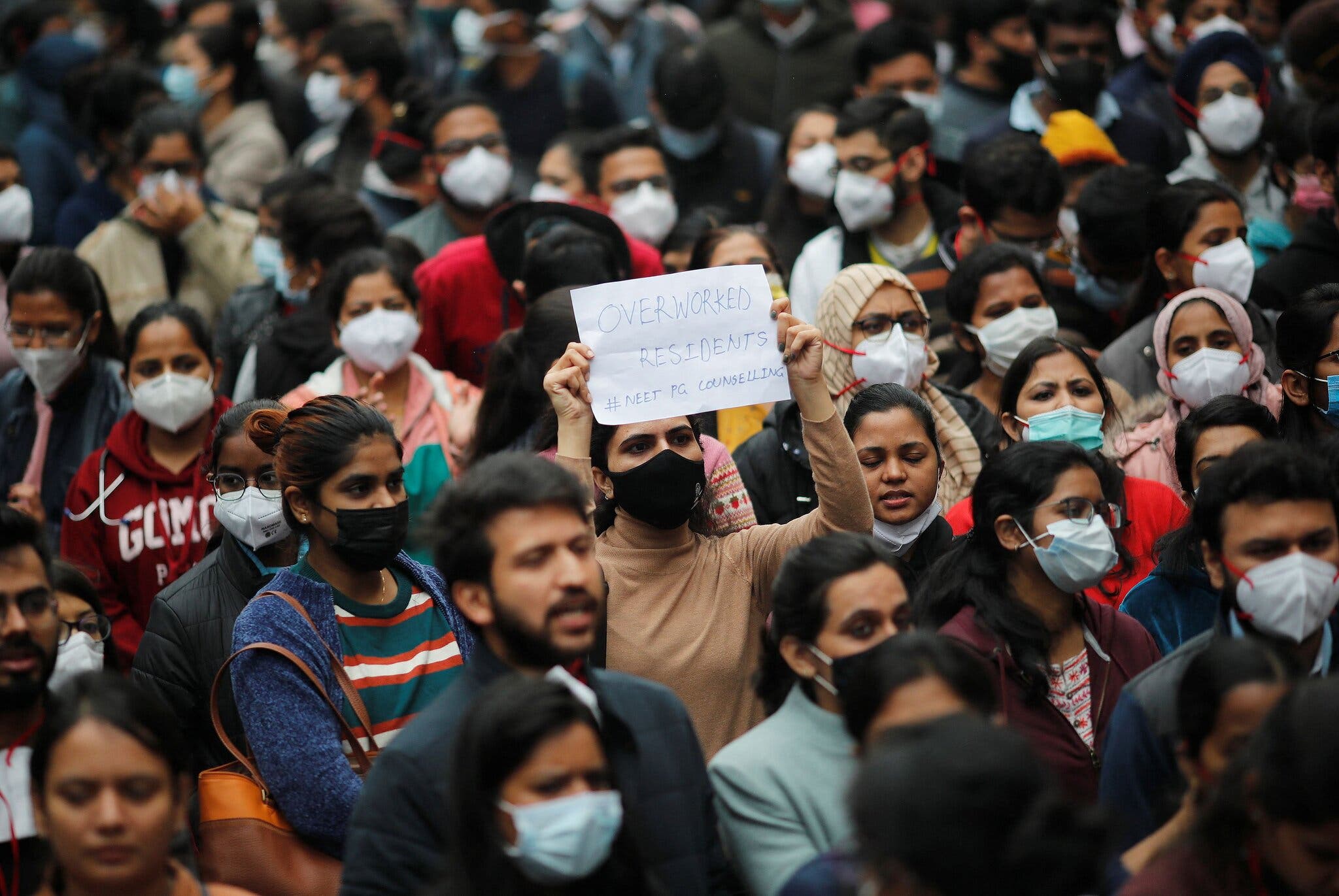
The nationwide strike by the Nigerian Association of Resident Doctors (NARD) has had a significant impact on healthcare services across Nigeria. Beginning on 1 November, the strike followed years of unmet demands and broken promises by the federal government. Hospitals in major cities like Lagos, Abuja, and Kaduna have been operating at minimal capacity, with many departments shut down.
Hospitals in Lagos Face Skeletal Services
At the Lagos University Teaching Hospital (LUTH), Idi-Araba, the situation is dire. A few nurses are attending to already-admitted patients, while new admissions have stopped. Mrs Nafisat, a patient at the Labour Ward, said she is receiving care but has not seen any new patients. A student nurse in the Oncology Unit confirmed that nurses are still rendering services to admitted patients, though it’s unclear if new cases are being taken in.
The ARD Secretariat at LUTH was empty when reporters visited, but a staff member mentioned that some resident doctors still come around in the mornings briefly. At the Lagos State University Teaching Hospital (LASUTH), Ikeja, patients arriving for appointments found locked consulting rooms and empty waiting halls. Major departments like the Medical Emergency Unit were deserted.
Adekemisola Dike, a mother who came for her baby’s check-up, was unaware of the strike and had to leave immediately. Another patient, an elderly man, was told to return in two weeks for his endocrinology appointment. Rebecca Onasanwo, who accompanied her husband to the Surgical Outpatient Department, also left without seeing a doctor. Despite these challenges, some sections like paediatrics continued to operate on a limited scale.
Abandoned Patients in Abuja
At the Federal Medical Centre (FMC), Jabi, services were partially disrupted. Resident doctors were absent, leaving nurses and consultants to handle emergency and maternity cases. Adaeze, a pregnant woman, arrived early for an appointment but was disappointed. She said the strike is indefinite and no one has attended to her.
In the emergency unit, nurses were seen working around patients, while a resident doctor who spoke on condition of anonymity said the department was running with very limited manpower. “We can’t abandon emergencies entirely,” he said. “Some of us come to assist in emergencies.”
At the National Hospital, Abuja, wards such as Oncology and the General Outpatient Department were filled with patients waiting to be called in small batches. One patient’s relative from Gwarimpa said only 10 patients were being attended to each day. Another woman at the oncology department said her mother was among the few fortunate patients being attended to after arriving very early in the morning.
Kaduna Hospitals Affected
At the Ahmadu Bello University Teaching Hospital (ABUTH), Shikka-Zaria, Kaduna State, a senior consultant in the Accident and Emergency Unit said the strike had severely affected operations. “We only treated four patients today with minimal cases and didn’t admit them,” he said. He added that those who refused to work risked being replaced.
However, at the Major Ibrahim Abdullahi Hospital in Zaria, services continued largely uninterrupted. Hulera Abdullahi, who brought her baby for immunisation, said she was not aware of the strike. Cornelius Ndubisi, who came for his HIV medication, experienced only minor delays due to staff shortage.
Background of the Strike
The strike began on 1 November following what NARD described as years of unmet demands and broken promises. The association listed unpaid arrears from the 25 and 35 per cent CONMESS review, unpaid allowances, delayed promotions, and poor working conditions among its grievances.
The Federal Ministry of Health and Social Welfare recently announced the approval of N11.9 billion to settle outstanding arrears and pledged mass recruitment of health workers across federal institutions. However, NARD dismissed the government’s claims, describing them as “fiction detached from reality.” The association accused the health ministry of misinforming President Bola Tinubu and the public, saying most of its 19 longstanding demands remain unmet.


