Japan, South Korea and Singapore made the cut, leaving key partners like India and Vietnam – and even New Zealand – on the sidelines
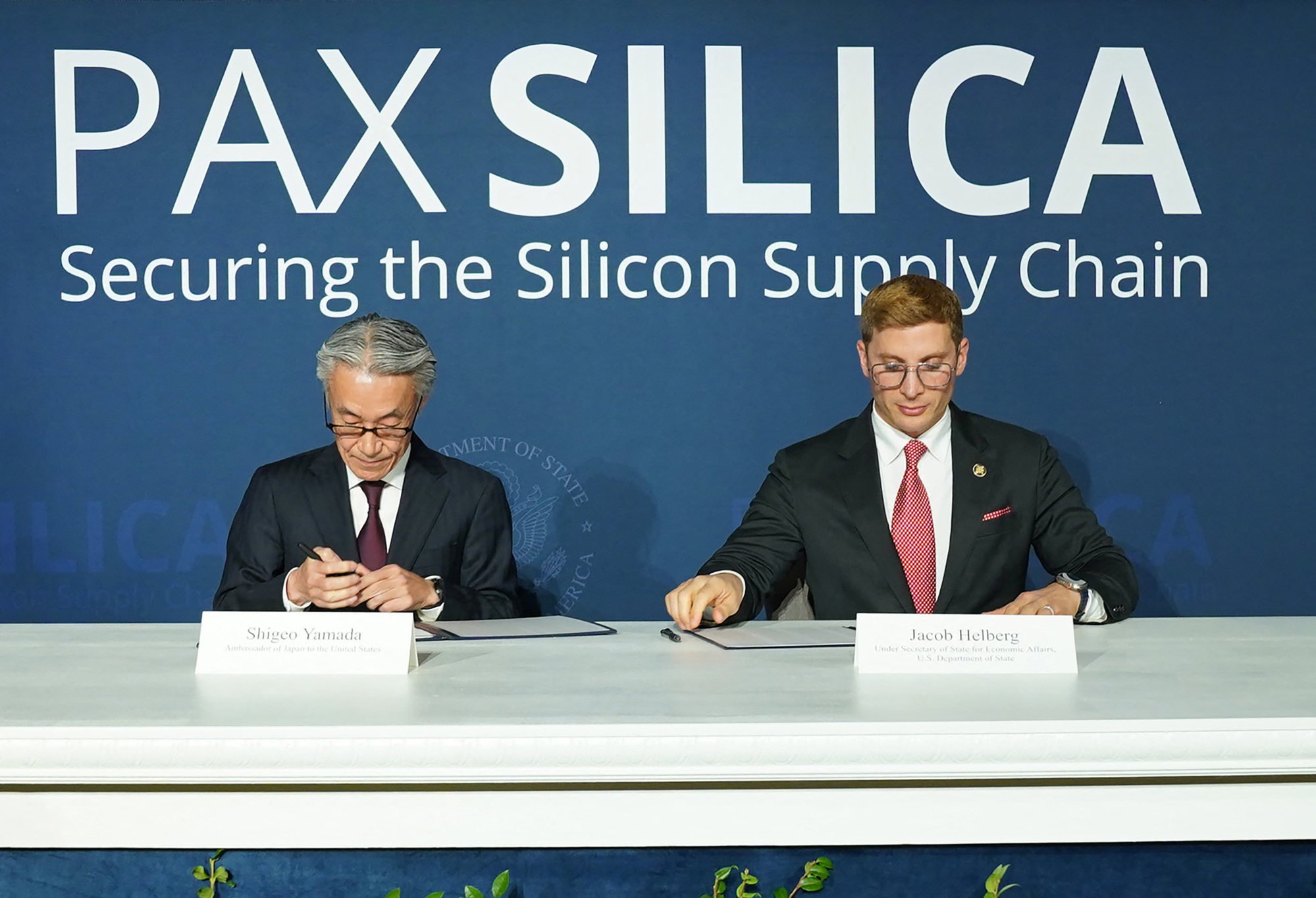
When Washington unveiled its “Pax Silica” initiative earlier this month, the absence of countries like India and Vietnam spoke almost as loudly as the presence of Japan, South Korea and Singapore. The message? America’s new vision for the AI supply chain will begin with only its most trusted hands.
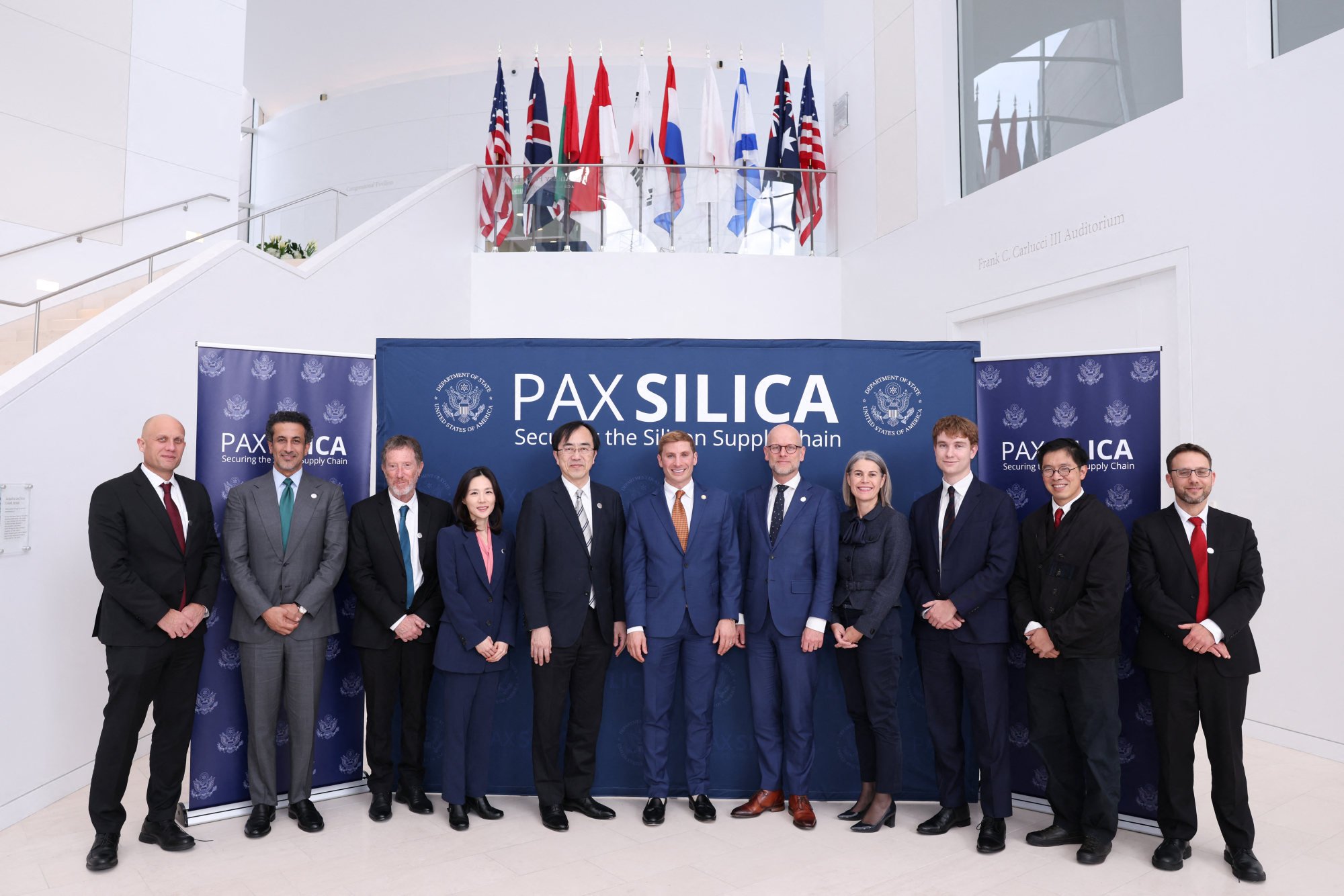
The Pax Silica Declaration, signed at a summit held in the United States on December 12-13, brought together a carefully chosen group as founding signatories. Alongside the host nation and its East Asian allies were Britain, Australia, Israel and Singapore.
Non-signatory participants include the Netherlands, the European Union, Canada and the United Arab Emirates, with guest contributions from the Organisation for Economic Co-operation and Development and Taiwan.
The initiative’s carefully curated membership list, which excludes a number of major Indo-Pacific economies, reveals the US’ “tiered” alliance-building strategy, according to Kevin Chen, associate research fellow at Singapore’s S. Rajaratnam School of International Studies.
“The limited selection may point to Washington doubling down on a tiered approach to its foreign partners, prioritising those that are more willing to collaborate and contribute to US economic security,” Chen said.
Political affinity is not the only measure at play, however. Each Pax Silica member brings a distinct capability to the AI supply chain: Japan’s precision manufacturing, South Korea’s semiconductor giants, Australia’s mineral wealth and Singapore’s logistics and financing capacity.
The Netherlands’ ASML, meanwhile, is able to contribute advanced lithography technology critical to chip production.
Singapore has a history of endorsing American-led initiatives, from the Biden-era Indo-Pacific Economic Framework to the first Trump administration’s Artemis Accords on outer space conduct.
These moves “not only signal Singapore’s willingness to cooperate with the US and its broader network of allies and partners, but are also a conscious effort on the part of Singapore’s leadership to keep the US engaged in the region”, Chen said.
But the exclusion of other Southeast Asian nations from Pax Silica, particularly Vietnam – which signed a comprehensive strategic partnership with Washington in 2023 and has cooperated on semiconductor development – stood out.
Chen called this development “concerning”, while adding that it was possible some countries had simply chosen to stay out of the initiative for now, leaving room for future expansion.
Peace and chips
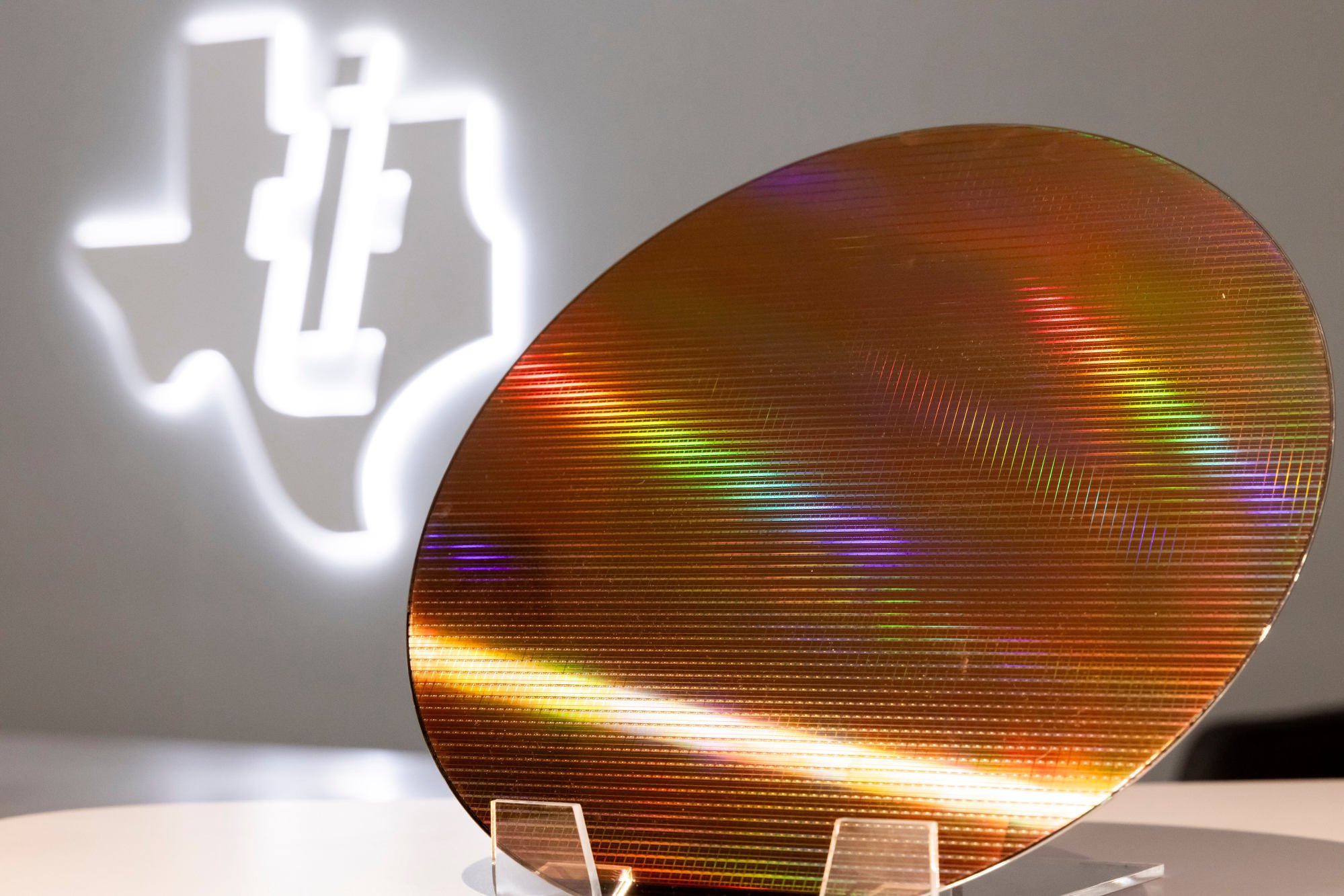
Pax Silica, a neologism that combines the Latin word for peace and stability with a reference to one of the key elements in the production of computer chips, aims to bring together a coalition to build “a secure, resilient, and innovation-driven ecosystem across the entire global technology supply chain”, according to the US State Department.
Its members “host the world’s most advanced technology companies to unleash the economic potential of the new AI age”, it said in a statement.
Under the initiative, members are expected to coordinate on semiconductor design and fabrication, launch joint ventures and align investments in supply-chain resilience for artificial intelligence development and the critical minerals that underpin it.
China was not explicitly mentioned in any official statements emanating from the Pax Silica Summit, but references to “coercive dependencies” and “the importance of fair market practices” were widely seen as referencing the country’s dominance in rare earth production and refining.
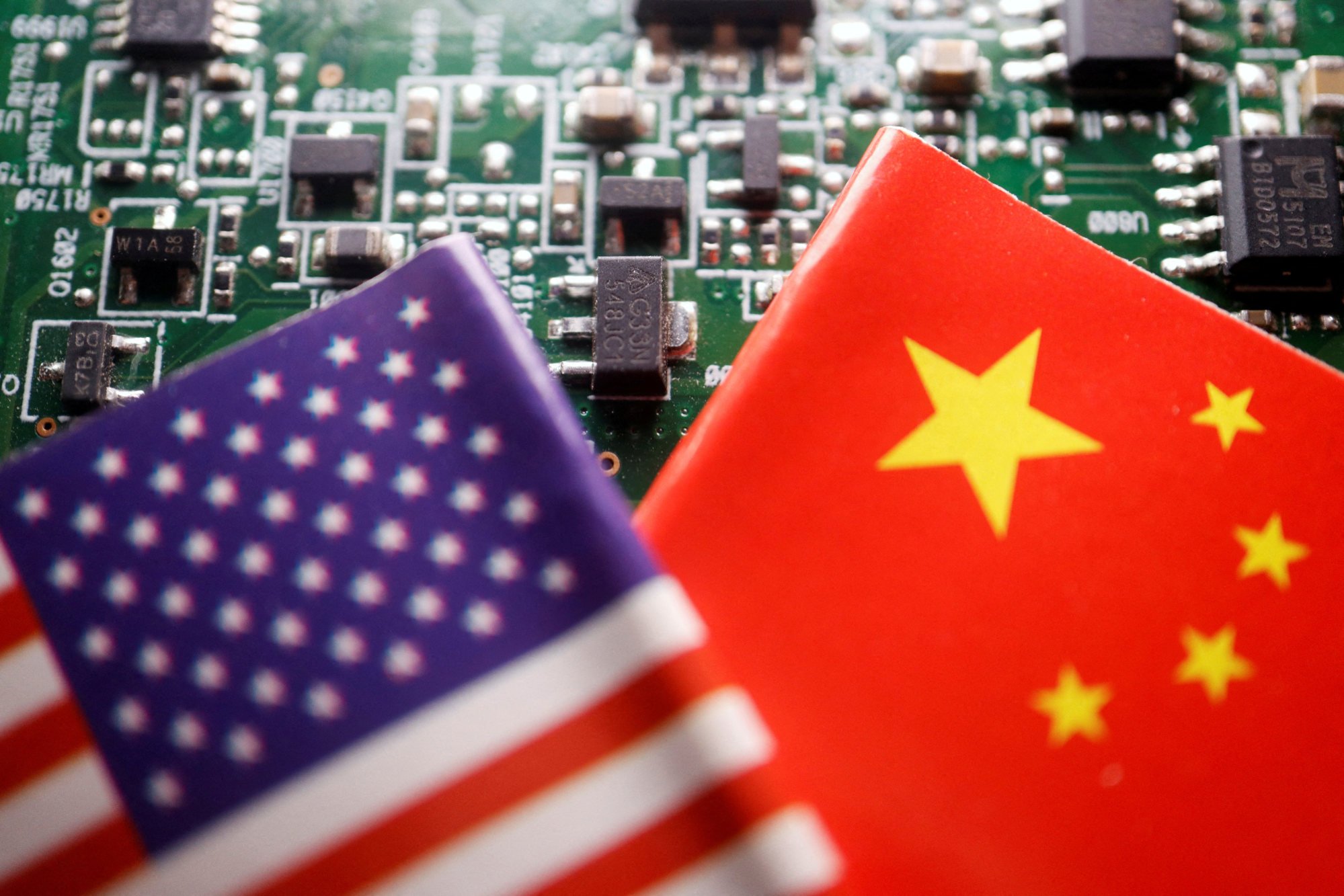
“If China perceives this initiative as an offensive move against its interests, there is a possibility that it may respond accordingly,” said Dongkeun Lee, a policy fellow at the Asia-Pacific Leadership Network, a Seoul-based think tank.
Lee said Pax Silica could be seen as part of a broader US manoeuvre to implement its recently launched National Security Strategy, which calls for rebalancing trade ties with China while deepening coordination with European and Asian allies.
Beijing’s official reaction was measured, with a Chinese Foreign Ministry spokesman on December 12 urging those involved to “adhere to the principles of a market economy and fair competition”.
State-run tabloid Global Times was more direct, calling the move an attempt to “decouple” China from the global semiconductor supply chain – a disruption it warned would drive up costs.
Notable absentees
From Washington’s perspective, the Pax Silica project is both economic and strategic – a policy tool to cement alliances, safeguard technology supply chains and redraw the map of global interdependence before the AI era fully takes hold.
Mihaela Papa, director of research at the Massachusetts Institute of Technology’s Centre for International Studies, said that the project’s true measure of success would be how quickly it “moves beyond rhetoric to shape both government and private-sector behaviour”.
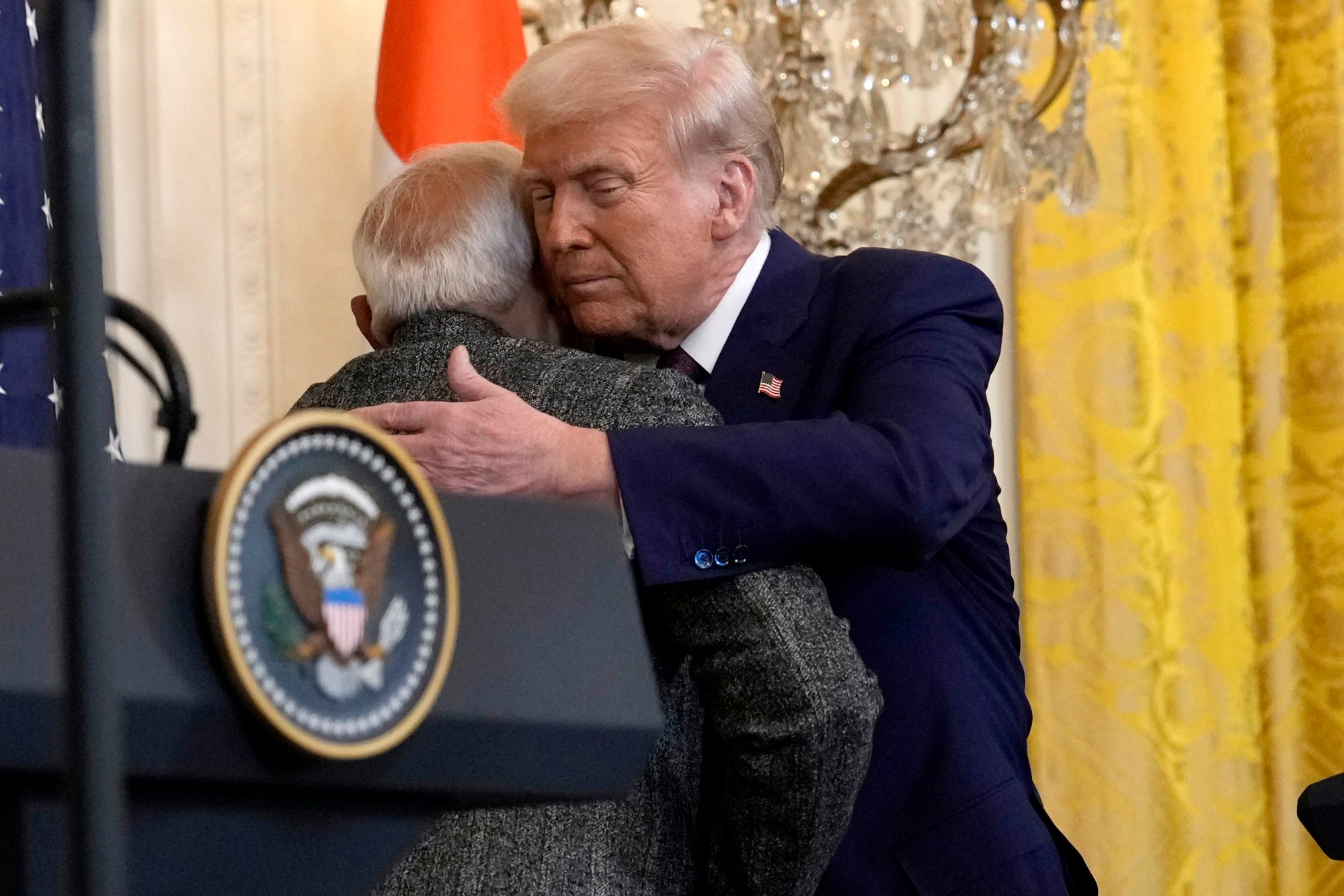
India’s absence was “notable”, she told This Week in Asia, especially given the country’s AI ambitions and its growing importance to both the global technology supply chain and US strategic planning.
Papa suggested that Washington might have withheld an invitation from New Delhi to “reduce strategic overreliance” and retain negotiating leverage in ongoing trade talks, “while leaving room to bring India in later under more beneficial terms”.
Other absentees that analysts said could later be brought into the fold include New Zealand, a “Five Eyes” intelligence partner with the US that has nonetheless often pursued a more independent foreign policy towards China.
“The New Zealand government is open to closer cooperation with the US … particularly in defence and space technology,” said Geoffrey Miller, an independent geopolitical analyst based in the South Pacific nation.
But unlike Singapore, with its established logistics and semiconductor expertise, or Israel and its cybersecurity capabilities, “it is harder to see what New Zealand could directly offer Pax Silica on the technological front”, he said.
Observers like Chen see Pax Silica as a functional successor to the supply-chain agreements forged under the Indo-Pacific Economic Framework in 2023, only with a “narrower, more specific” focus on semiconductors, critical minerals and AI.
Both initiatives, he said, sought to mobilise investment among participants and address supply chain vulnerabilities.
Chen added that Beijing would likely view Pax Silica as yet another US-led containment effort, though he predicted it would respond by deepening cooperation through existing regional mechanisms and pushing harder for accession to the Comprehensive and Progressive Agreement for Trans-Pacific Partnership rather than creating a rival bloc.
China, for its part, has long promoted deeper technology cooperation and supply chain coordination through Brics and the Shanghai Cooperation Organisation, while stressing that neither grouping is anti-US and warning against “zero-sum thinking”, according to Papa.
“By the same logic,” she said, “the Trump administration’s priority is to advance US interests without being inherently adversarial across all its operations.”
More Articles from SCMP
Festive decorations dazzle reckless selfie-takers at Hong Kong’s Peninsula hotel
J-16s vs Rafales: Chinese air force puts jets to the war-game test
BWF World Tour Finals: An beats Wang in epic, Shi photo drops hint after loss
Meet Laura Lynne Jackson, clairvoyant and psychic medium to Kim Kardashian and Gwyneth Paltrow
This article originally appeared on the South China Morning Post (www.scmp.com), the leading news media reporting on China and Asia.
Copyright (c) 2025. South China Morning Post Publishers Ltd. All rights reserved.