Qatar’s Prime Minister Condemns Iran’s Actions Amid Escalating Regional Tensions
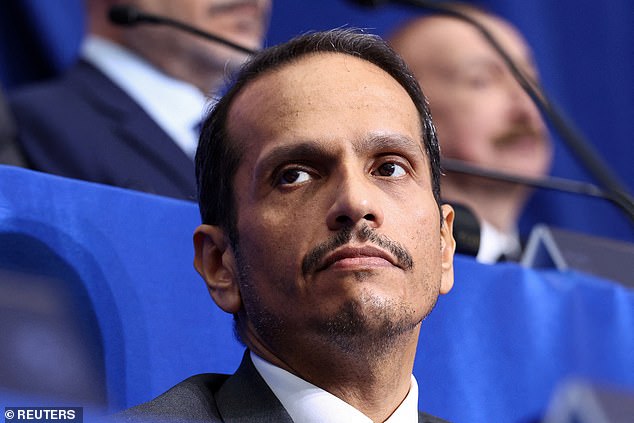
Qatar’s Prime Minister, Sheikh Mohammed bin Abdulrahman Al Thani, has issued a strong rebuke against Iran, calling the country’s military actions a “dangerous miscalculation” and expressing a sense of betrayal. This statement marks a significant shift from Qatar’s traditionally neutral stance in regional affairs, as tensions continue to rise between Gulf states and Iran.
The PM emphasized that Qatar has repeatedly urged for peaceful resolutions and de-escalation, stating that the country does not want to be involved in any attacks or wars against its neighbors. He highlighted that the recent attacks on Gulf countries were pre-planned and occurred shortly after the conflict began, which he described as a major setback for relations with Iran.
A Shift in Tone
This is the first time the Qatari leader has spoken publicly about the ongoing conflict, and his words reflect a growing frustration with Iran’s actions. He directly addressed the Iranian public, urging them to stop the attacks immediately and emphasizing that continued aggression would isolate Iran further. The Prime Minister also reiterated Qatar’s commitment to dialogue and de-escalation, despite the current hostility.
In addition to his criticism of Iran, the PM praised the UK for its support, particularly highlighting the Royal Air Force’s role in shooting down an Iranian drone headed towards Qatar. This positive remark comes amid a contrast to the previous administration’s criticisms of the US, showcasing a more balanced approach in international relations.
Regional Impact and Civilian Toll
The conflict has had a significant impact on civilian populations, with Bahrain accusing Iran of targeting a desalination plant essential for drinking water. The Arab League chief has also condemned Iran’s “reckless policy” of attacking neighboring countries, including those hosting US forces.
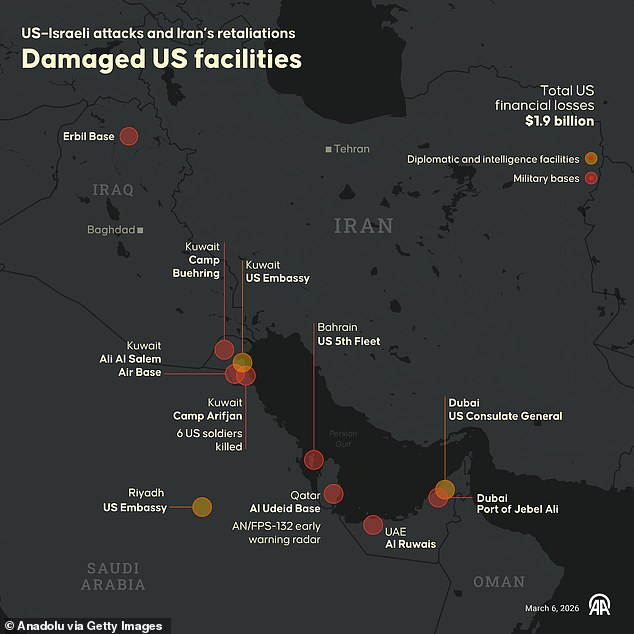
Gulf countries have been hit by hundreds of missiles and drones since the war began on February 28. Saudi Arabia reported its first deaths, with a projectile striking a residential area and killing two people. These incidents highlight the growing danger posed by the conflict, which is affecting both military and civilian targets.
Escalation of Attacks
On Saturday, Tehran launched a series of retaliatory strikes across the Middle East, targeting Qatar, Iraq, Saudi Arabia, and Israel. Despite the attacks, Qatar’s air defenses intercepted nine out of ten drones, with the tenth hitting an uninhabited area. No injuries were reported, but the situation remains tense.
The Qatari Ministry of Defence confirmed the interception efforts, underscoring the country’s preparedness to defend itself against further aggression. However, the ongoing conflict continues to pose a threat to regional stability and security.
Economic Concerns and Energy Crisis
The energy minister of Qatar, Saad al-Kaabi, has warned that the war could lead to a new crisis, with oil prices potentially surging to over $150 per barrel. This would mark a significant increase from the pre-war levels and could have far-reaching economic consequences.
Al-Kaabi told the Financial Times that a rise to $150 would “bring down the economies of the world,” as higher energy prices could lead to shortages and disruptions in global supply chains. He also warned that if the war continues for several weeks, GDP growth worldwide could be impacted, with energy prices rising across the board.

Long-Term Implications
Even if the conflict ends soon, it may take weeks or months for production cycles to return to normal, according to al-Kaabi. Gulf energy exporters could face shutdowns, which would further drive up oil prices. This scenario highlights the potential long-term economic fallout of the ongoing conflict, with implications for both regional and global markets.
As the situation continues to evolve, the focus remains on de-escalation and diplomatic solutions to prevent further loss of life and economic damage. The Qatari government’s call for peace and dialogue underscores the importance of maintaining stability in the region, even amidst growing tensions.