Australia’s Stance on Middle East Conflict and Its Consequences
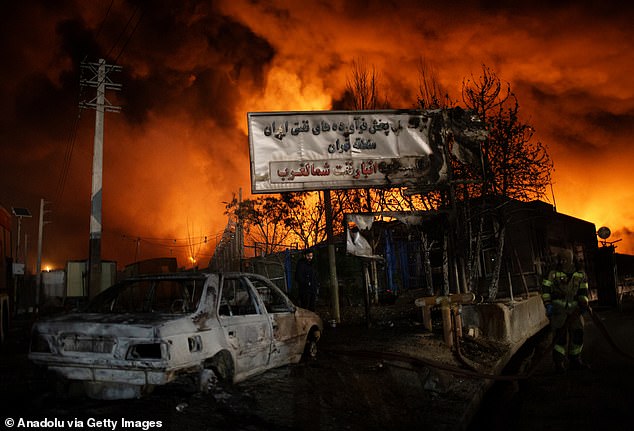
The Australian government, led by Prime Minister Anthony Albanese, has publicly supported the recent military strikes against Iran by the United States and Israel. This decision has raised concerns among experts who warn that such support could place Australia at risk of future attacks.
After the joint US-Israeli missile strikes on Iran on February 28, Albanese expressed his full backing for the military action. He emphasized the importance of preventing Iran from acquiring a nuclear weapon and ensuring international peace and security. “A regime that relies on the repression and murder of its own people to retain power is without legitimacy,” he stated.
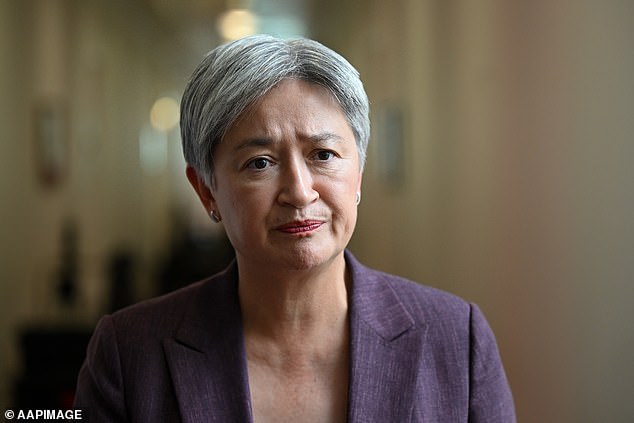
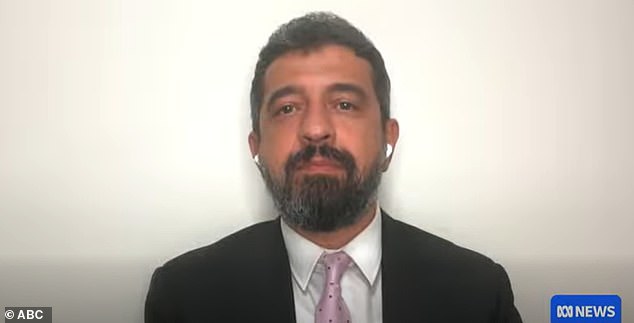
Foreign Minister Penny Wong mentioned that the government is considering requests for protection from nations affected by Iran but ruled out sending troops. However, Dr. Ali Mamouri, a former strategic communications advisor for Iraqi Prime Minister Mustafa al-Kadhimi, cautioned that any involvement of Australian troops in the region could make the country a target.
“If Australia gets involved with troops on the ground, not necessarily inside Iran, even in any US military bases in the region, that will put them in danger,” Mamouri said. “Iran would see it as a legitimate target.”
Another concern is the potential vulnerability of Australia if it continues to support actions that may violate international law. The International Commission of Jurists recently condemned the attack as a “grave violation of the United Nations Charter and international law.” Mamouri warned that supporting such actions could leave Australia in a difficult position if another nation decided to act against it.
“Imagine if a country like China or Indonesia or any other neighboring country decided to violate Australian territory and undertake an attack against Australia. How could – and how would – Australia rely on the international law that it supported breaching?” he questioned.
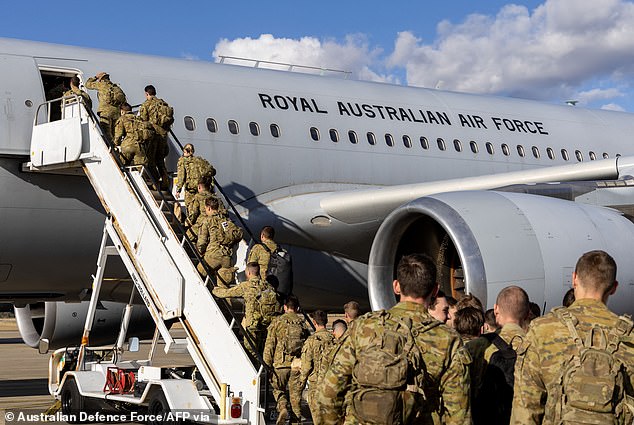
Wong indicated that Australia is considering providing military assistance to allies in the region. “You would anticipate, as a consequence, that we have been asked for assistance, and we will work through that carefully,” she said. The support might involve technology to detect or intercept missiles and drones.
While troops are not being considered, there is a possibility of deploying fighter jets or assisting in the safe passage of oil through the Strait of Hormuz, where one-fifth of global supplies travel.
Dr. Mamouri is not alone in his criticism of the government’s decision. Professor Mark Beeson, an international politics expert, noted that Albanese has ignored the violation of international law. “What’s interesting about Albanese is he has conveniently ignored that it’s a flagrant violation of international law,” Beeson said. He also highlighted the dangers of unilateral interventions by the US and the impact on Australia’s reputation.
Former senior Defence official and diplomat Allan Behm warned that following the US blindly could damage Australia’s credibility with neighboring allies and citizens. “There are lots of people who think direct intervention by any country in assassinating the leadership of another country is actually not a great idea,” he said.
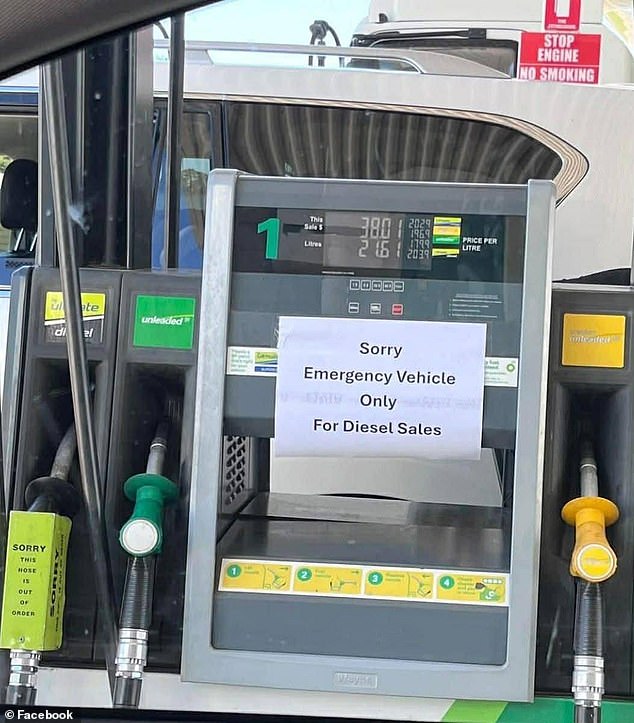
Behm also pointed out that supporting the conflict could lead to rising fuel prices, affecting ordinary Australians. “That is an immediate impact worrying the treasurer (Jim Chalmers) because he’s got a budget coming up soon,” he added. Additionally, he warned that Iran might retaliate against America, potentially leading to increased acts of violence against Americans worldwide.
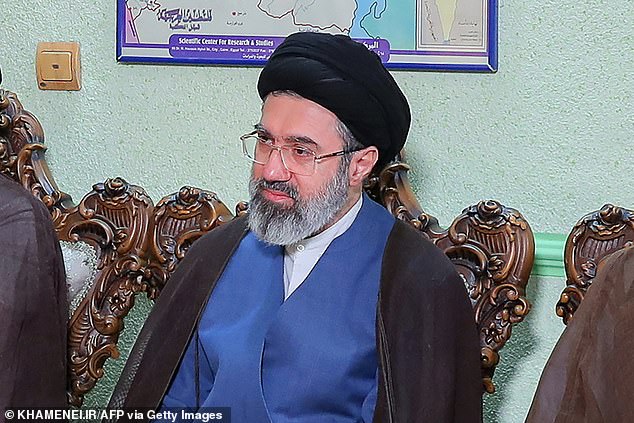
In a significant development, Mojtaba Khamenei, the second oldest son of Iran’s late Supreme Leader Ali Khamenei, was named as the new leader. Mojtaba, 56, has strong ties to the Iranian Revolutionary Guard Corps and was chosen under pressure from the group, according to Iranian opposition outlet Iran International.
Professor Beeson suggested that the change in leadership may not bring significant changes. “I don’t know if that’s going to be a big change that they are hoping for. It’s just bonkers,” he remarked.