
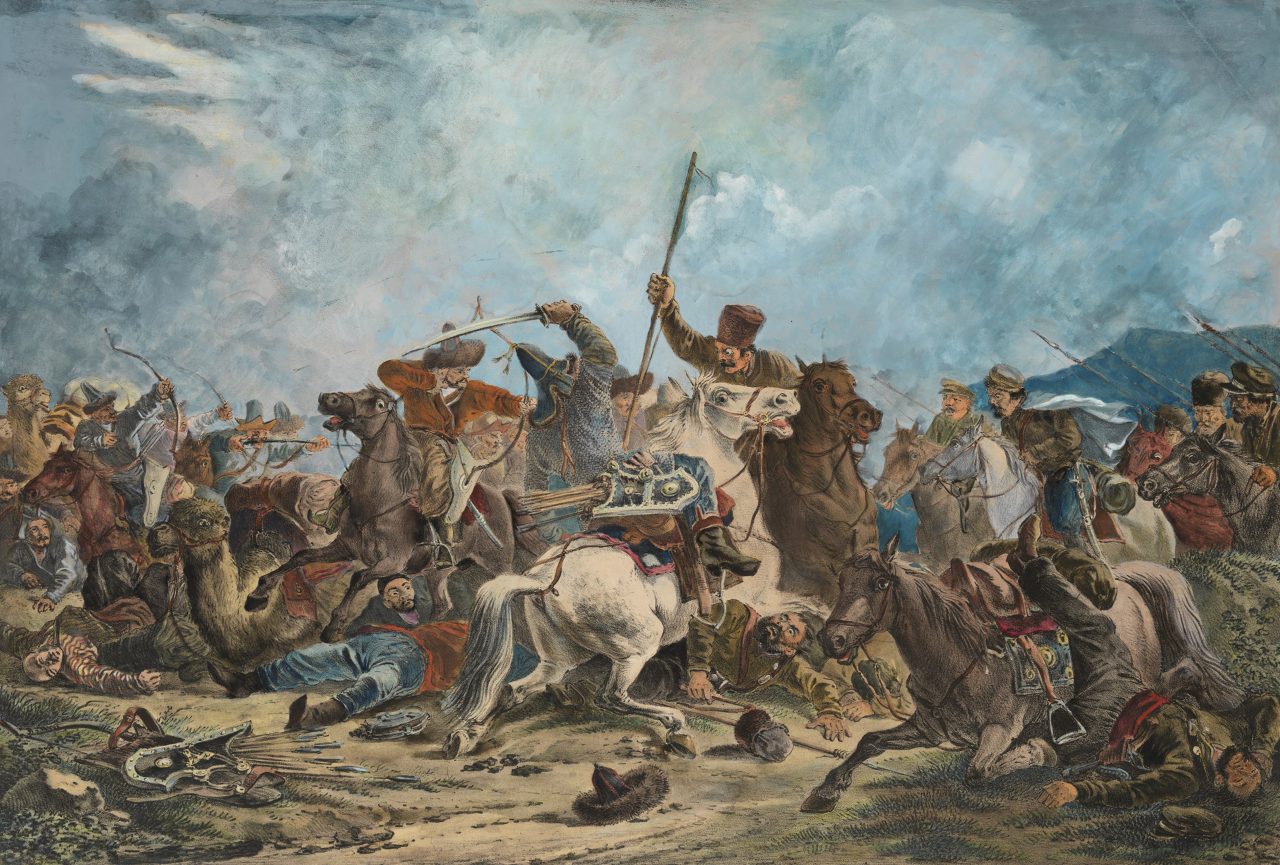
: horses and donkeys.
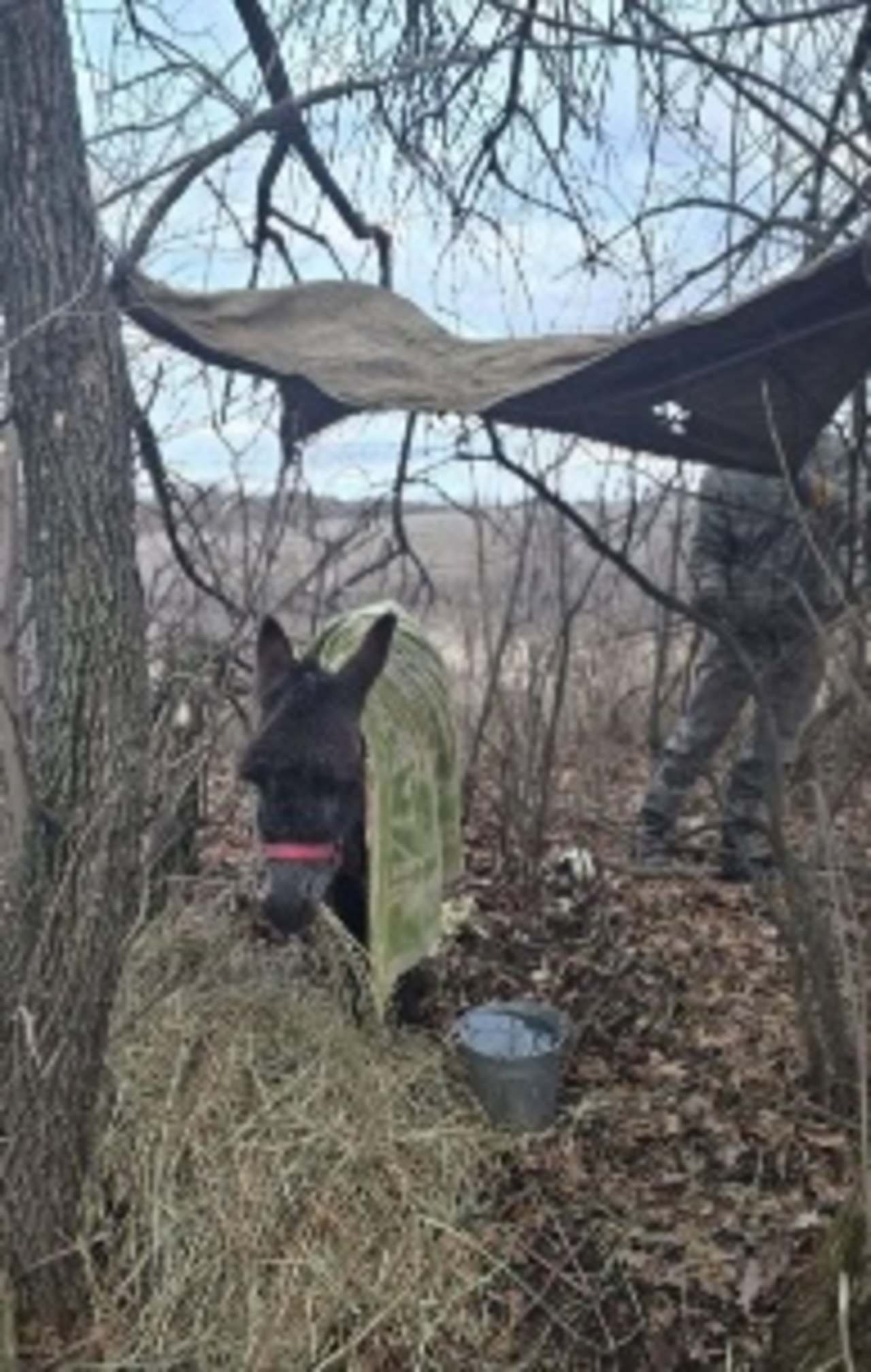
The hoofed mammals carry supplies and soldiers to avoid the attention of drones, which can easily spot and strike armored and other vehicles moving near the front lines.
.
or electronic jammers aimed at downing the craft. Others have been more rough and ready, from shotguns to blast them out of the sky to crude mesh shields welded onto vehicles.
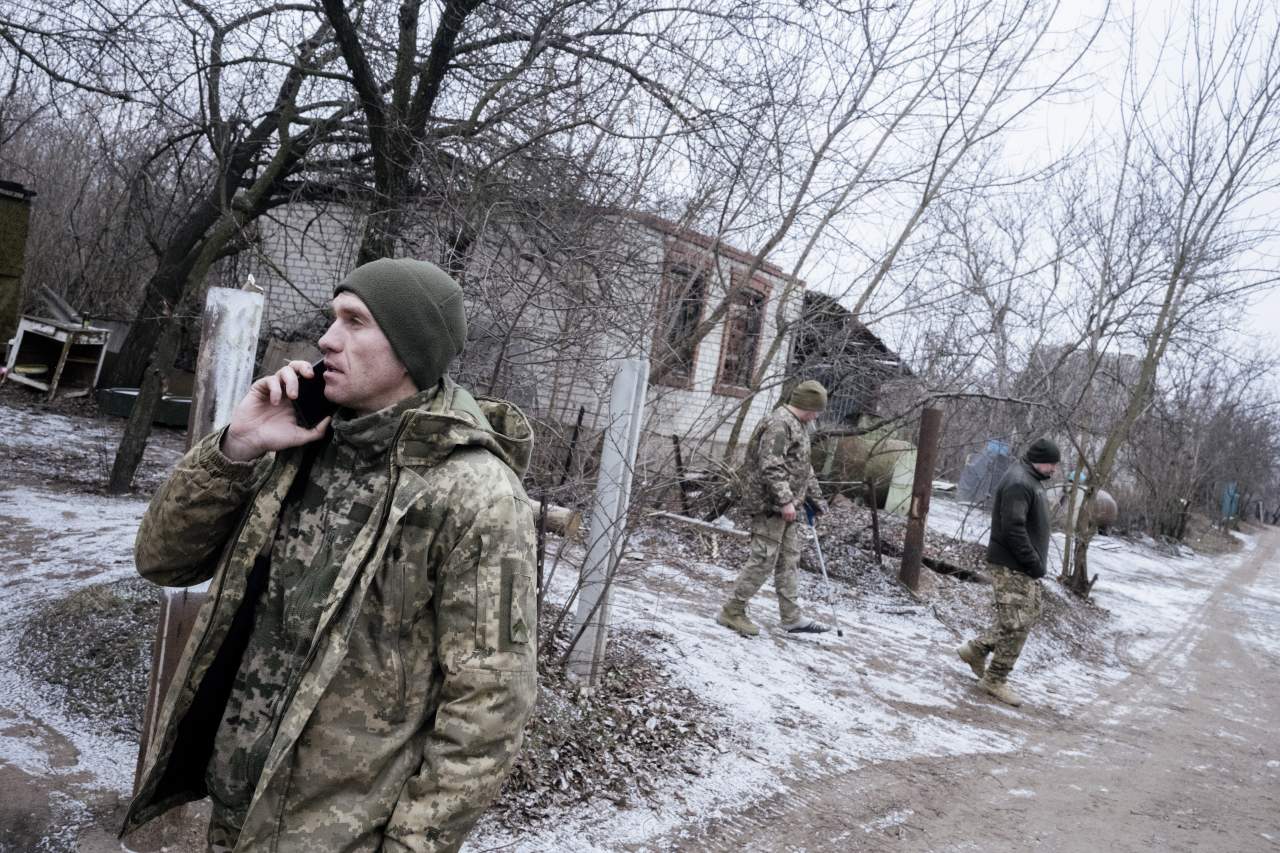
Ukrainian Army Sgt. Ihor Vizirenko, who has fought against drones, armored vehicles and tanks in one of this war’s most brutal spots, first saw Russians on horses in drone footage.
“The Russians are quite creative,” Vizirenko remembers thinking when he first saw the animals.
“Now the war is drones and artillery,” he said. “As soon as their vehicles get near the front line, Ukrainians are destroying them.”
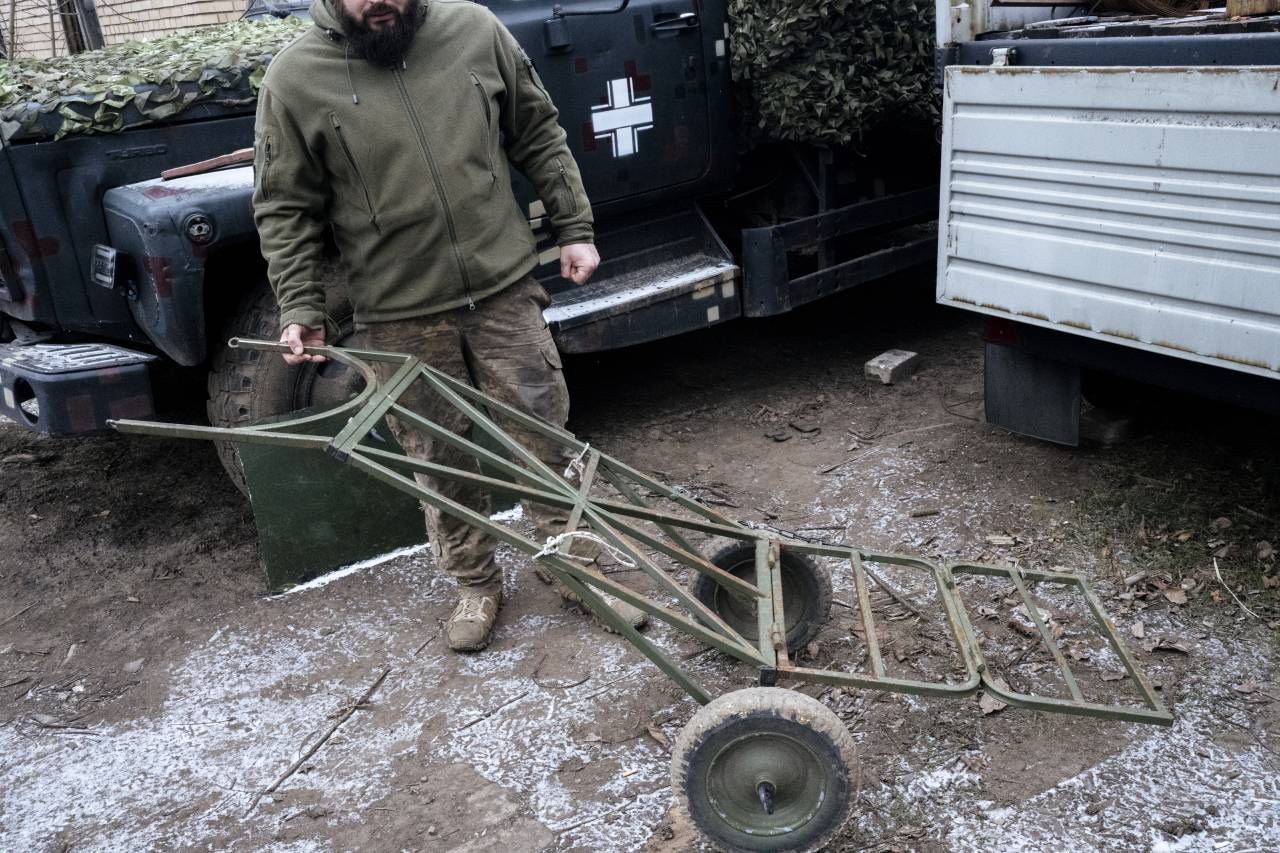
In a similar return to basics, Vizirenko’s unit employs trolleys to move wood, supplies and even the injured for miles to and from the front line. They use the manual dollies, similar to those used in warehouses and offices for small cargo, to help keep vehicles out of range of Russian drones.
Horses in combat date to around 1500 B.C., when they were used to pull chariots, according to the American Museum of Natural History. They later became a military linchpin for transport and cavalry charges. Many Ukrainians are proud of their country’s Cossack heritage, a seminomadic people famed for their equestrian skills on the battlefield. By the end of World War I, though, horses and donkeys were largely replaced by vehicles.
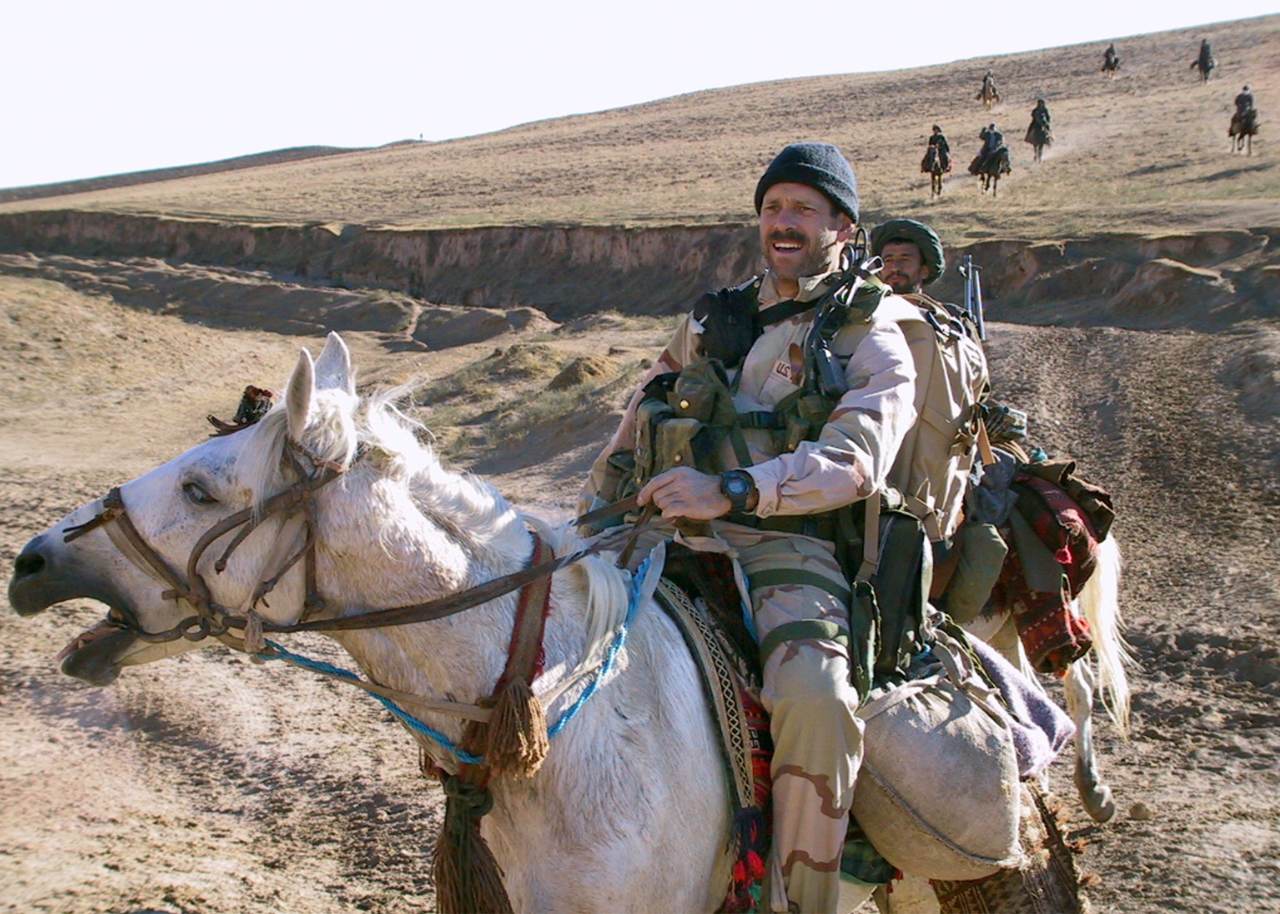
at the start of the U.S. led invasion of Afghanistan, but militaries in the developed world have dropped them from regular use in anything other than the ceremonial.
for almost a year.
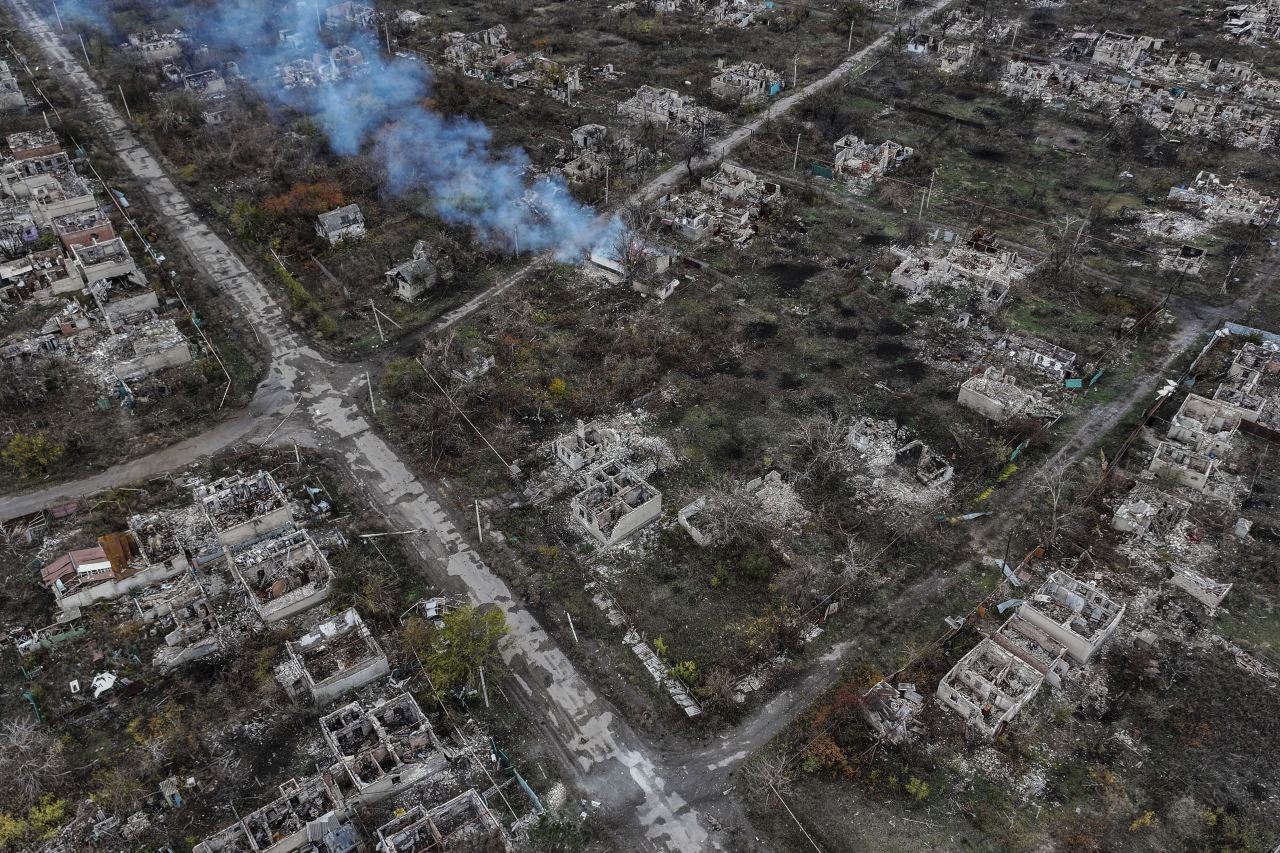
“The town no longer exists. It’s been flattened,” said Manunya, a well-built junior sergeant whose call name is slang for something small.
In the ruins, with drones watching any and all movement, soldiers move around on foot or turn to smaller and more nimble transport. Both sides use motorbikes and quad bikes. Russia has also used individual soldiers, referred to by Ukrainians as “camels,” to sprint forward carrying ammunition and other supplies.
.
Russia has had its own shortages.
Last month, Russian Lt. Gen. Viktor Sobolev told a pro-Kremlin media outlet the military was struggling to supply some units with ammunition, equipment and food. In this environment, using donkeys and horses in logistics is normal, he said.
“It’s better if a donkey gets killed than two men in a car carrying the things necessary for battle and sustenance,” he said.
Several Russian military bloggers have posted pictures of donkeys they say are at the front. Two Russian soldiers filmed themselves riding horses in Ukraine, according to footage on the Telegram app.
Vizirenko said he isn’t aware of Ukraine deploying horses. The sergeant, who is particularly fond of the animals after working with them as a teen, added that he personally wouldn’t. The Russians he saw using horses did so in a stretch of forest on the outskirts of Chasiv Yar. This makes sense, Vizirenko said, given forests are harder to traverse for vehicles, even bikes.
for Ukraine’s army. Peche, a local food company, says it has even delivered a bottle of its hot sauce to troops on the front line.
But most drones can’t carry much—with capacity often around 30 pounds—so Vizirenko’s company has taken to using trolleys. The almost man-sized dollies are strapped behind soldiers, who are dropped off outside of Chasiv Yar to bring wood and other supplies back into town. If shelling starts, the soldier can quickly drop them and look for cover.
trenches and barbed wire coiling off into the distance. Technology at times is old, too. Russia recently installed a net corridor to protect its vehicles on the road to Bakhmut, according to a Russian TV report.
Some analysts say the effectiveness of such methods, which stem from necessity more than creativity, is limited.
“I’m not sure the resuscitation of old technology, nets, shotguns, horses, is out of choice,” said Phillips O’Brien, a professor of strategic studies at the University of St. Andrews in Scotland. “They are desperate attempts to cope with unmanned aerial vehicles.”
Both sides also continue to push the limits of new technology, particularly drones.
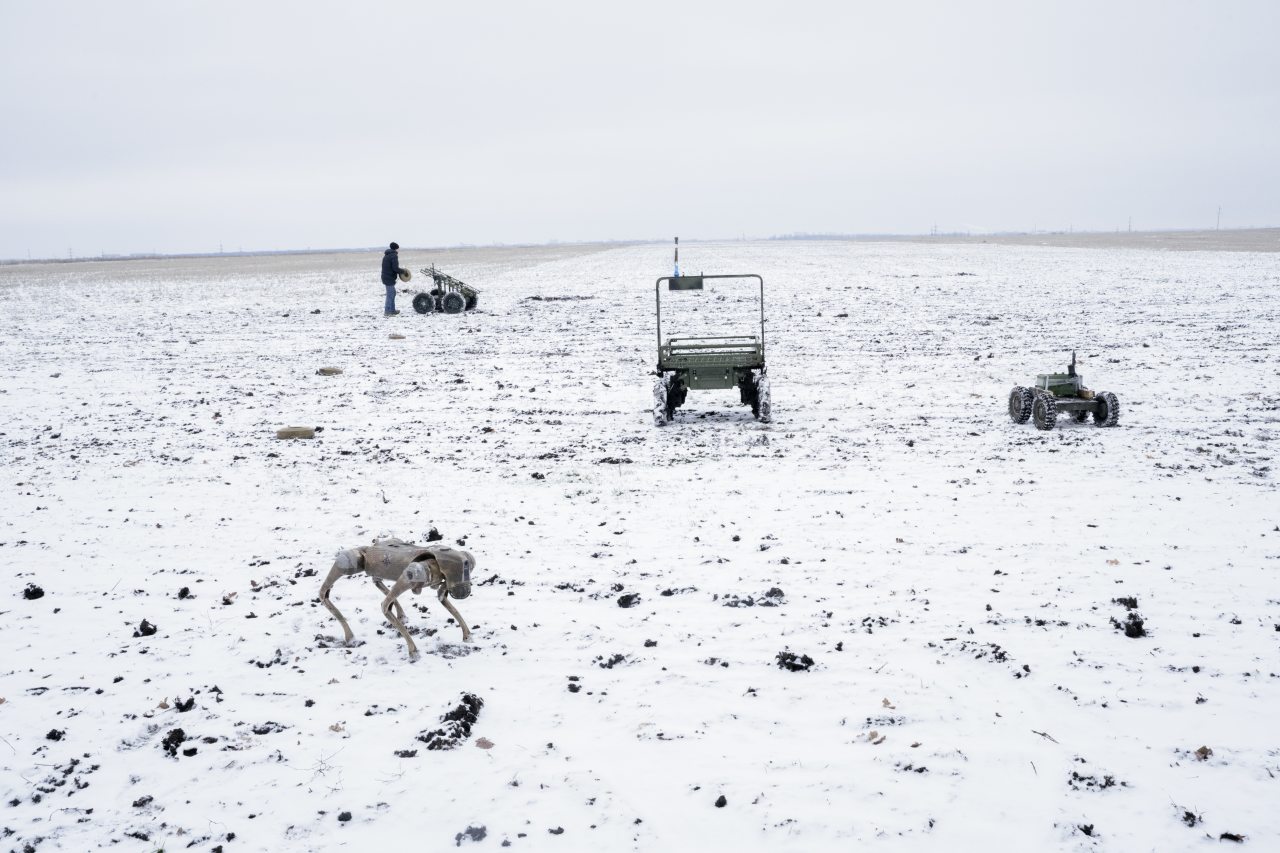
that have destroyed much of Russia’s Black Sea Fleet. On a recent day, the 13th Khartiya Brigade of Ukraine’s National Guard showed off a robot dog they are adapting to use for surveillance. They also showed unmanned ground vehicles that can shoot machine guns, lay mines and explode at Russian positions.
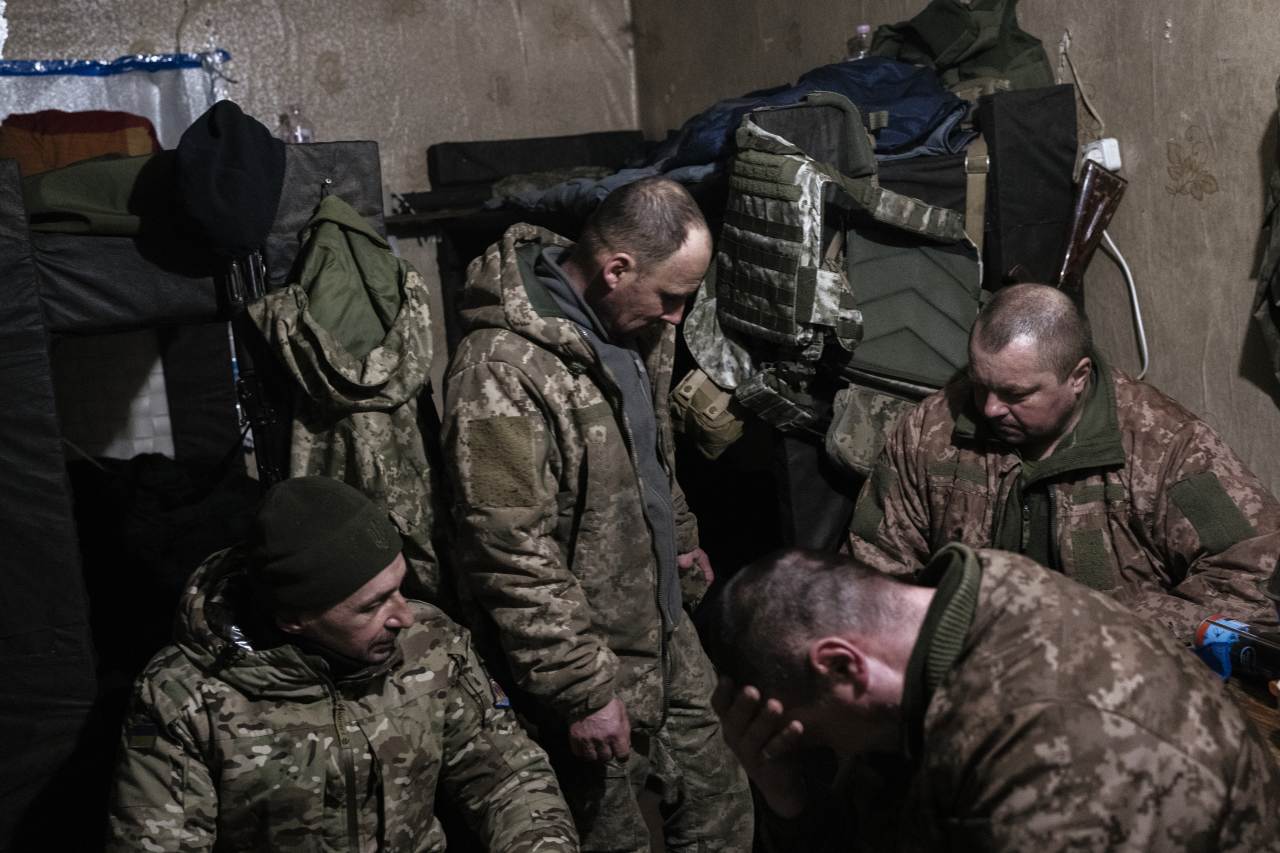
The Russians now attach fishing-line-thin optic cables to their drones, so Ukrainian jammers can’t scramble their signals. Around 90% of Russian drones have such cords in Chasiv Yar, according to Manunya, the Ukrainian junior sergeant, who also acts as the brigade’s tattooist, inking animals, family members and more onto soldiers’ chests and limbs.
Vizirenko has yet to hear of horses returning to full combat assaults.
“But then [motor] bikes being used in assault took us by surprise, so who knows?” he said. “A horse would run faster than a man in a field.”
Alistair.Macdonald@wsj.com

Related posts:

Betrayed Putin Watches Navy Officers Sabotage Submarines, Spying Scandal Unfolds

Raytheon Boosts MK72 Rocket Motor Production with Northrop and Nammo as Demand Soars

Ukraine’s army chief comments on possibility of encirclement for Ukrainian forces in Kursk region

What’s happening with Ukraine’s positions in Russia’s Kursk region amid US military aid pause
