Addressing Emotional-Based School Avoidance
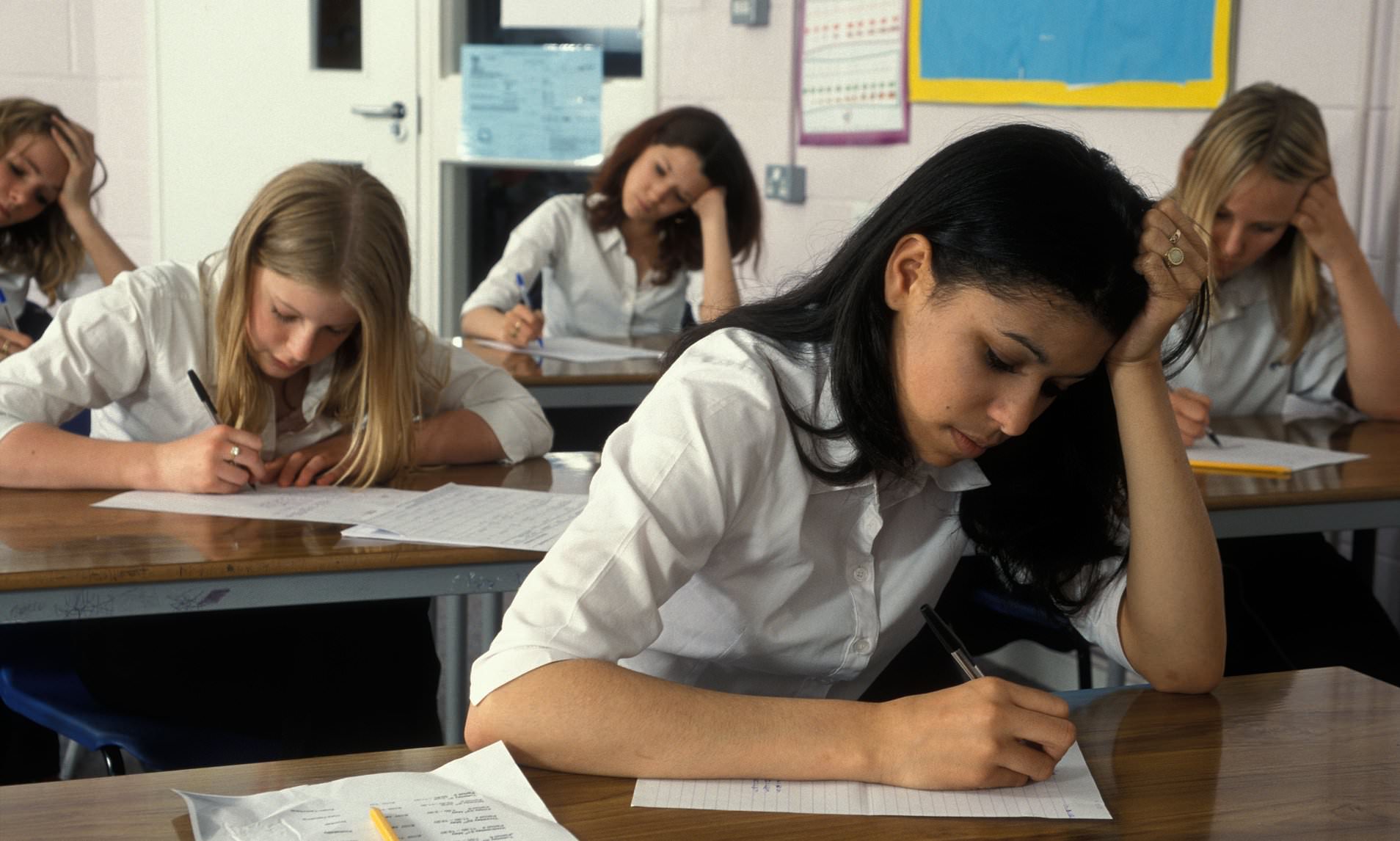
Schools across the country are implementing new strategies to address a growing issue known as emotional-based school avoidance (EBSA). This phenomenon, which has surged since the pandemic, involves students avoiding school due to anxiety or emotional distress. Local authorities have advised schools to make adjustments for these children to prevent them from skipping classes. These measures include allowing longer deadlines for homework, providing verbal feedback instead of grades, and modifying classroom environments to reduce stress.
One example is Gateshead Council, which suggests that if a child finds participating in class challenging, they should not be asked to answer questions. The council also recommends that students can choose where to sit and with whom, have extended time for assignments, and receive verbal feedback rather than grades. Additionally, it proposes allowing anxious children to leave the classroom before or after lessons to avoid sensory overload, and using felt pads on chair legs to minimize scraping sounds.
In Essex, guidance encourages schools to allow pupils to skip lessons that trigger anxiety. Instead of imposing sanctions for challenging behavior, the focus is on positive praise for completing lessons. Students are also given “time-out” cards to use when feeling overwhelmed, along with breaks during lessons to help them calm down.
Sutton schools have adopted a flexible approach for children with EBSA, such as dropping certain subjects that cause high stress, excusing students from reading aloud in class, and reducing homework demands. Similarly, Suffolk County Council highlights a school that avoids randomly selecting students to answer questions in class.
Expert Concerns Over Educational Impact
While these adjustments aim to support students, education experts warn that they could have negative consequences. They argue that making too many accommodations might produce a generation of children unprepared for real-life challenges. A former headteacher expressed concerns that such measures could undermine the rules and structures essential for maintaining order in schools.
Dennis Hayes, an Emeritus Professor of Education at Derby University, emphasizes the need for teachers to focus on education rather than therapy. Chris McGovern, chairman of the Campaign for Real Education, calls the guidelines a “recipe for disaster,” stating that they could lead to poor pupil behavior and reduced academic effort. He believes that the best way to address student anxiety is through challenge, not appeasement.
Rising Absenteeism Rates and Government Response
Post-pandemic absenteeism rates remain a significant concern. In 2018/19, the overall absence rate was 4.7%, while persistent absence was 10.9%. By autumn 2024/25, the overall absence rate had increased to 6.38%, with persistent absence rising to 17.8%. Although these figures represent some improvement, severe absence—where students miss half or more of their sessions—has worsened slightly.
Schools face pressure to implement additional measures to reduce absenteeism and comply with equality legislation requiring “reasonable adjustments” for disabilities, including mental health issues. However, the definition of “reasonable” remains unclear, leading to varied interpretations.
Some medical professionals warn that the diagnosis of mental health disorders and neurodevelopmental differences is becoming excessive. Dr. Sami Timimi, a child and adolescent psychiatrist, argues that adolescence’s struggles are a natural part of growth. He cautions against framing these experiences as markers of potential mental disorders, which could lead to lifelong feelings of dysfunction.
Ongoing Challenges and Future Outlook
Despite these efforts, councils have not responded to requests for comment. A Department for Education spokesperson emphasized the importance of a supportive approach to getting children back into school, including reasonable adjustments while maintaining standards and high attendance expectations. They highlighted progress in tackling the attendance crisis, with over 5 million more days in school and 140,000 fewer persistently absent students last academic year.
The debate continues on how best to balance support for emotionally distressed students with the need to maintain educational standards. As schools navigate this complex issue, the goal remains to ensure that all students can thrive academically and emotionally.


