The Transformation of Youth Perspectives in Nepal
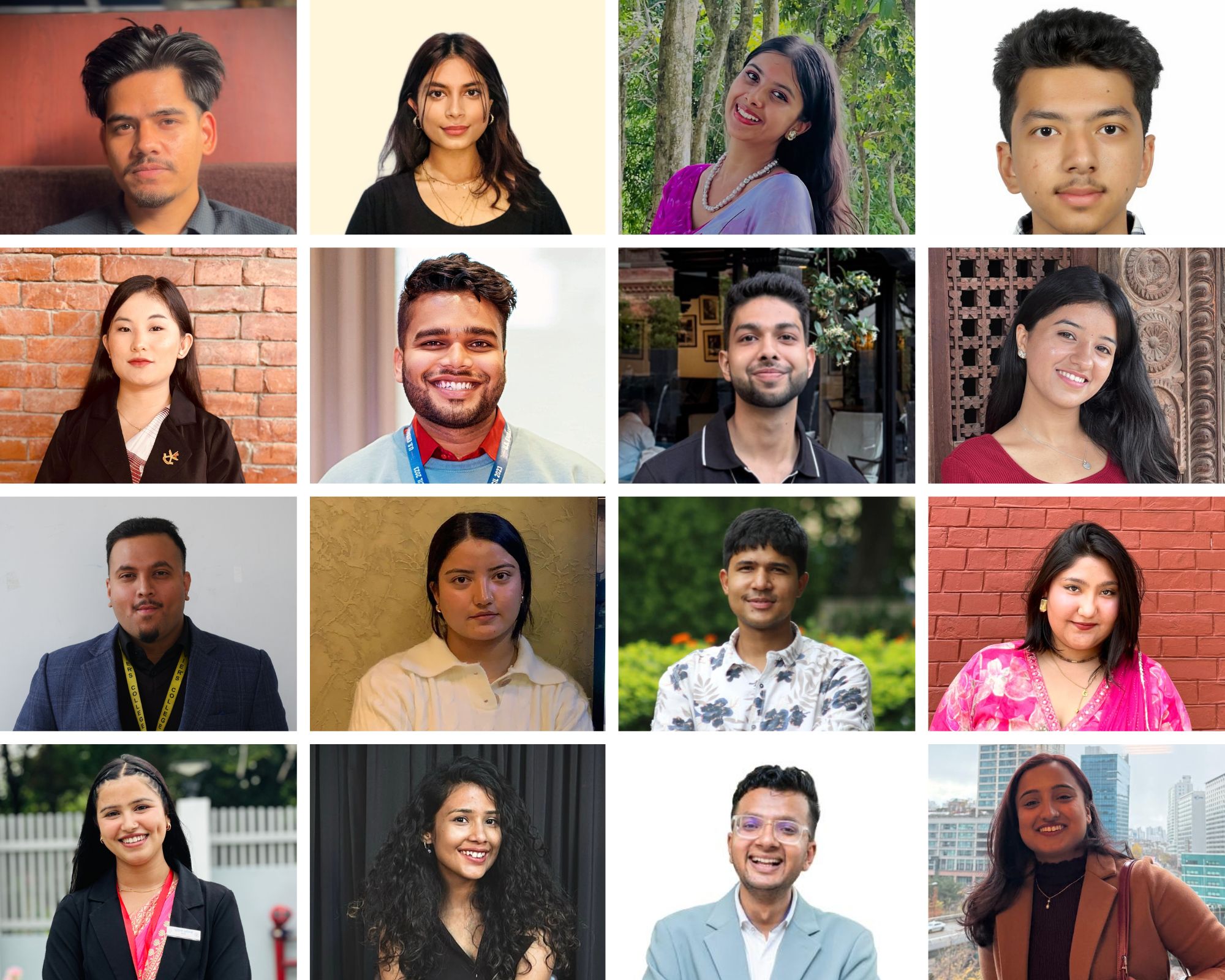
The Gen Z protest in Nepal has marked a significant turning point for many young people, reshaping their views on politics and the future of their country. Before the protests, many felt disconnected from the political landscape, viewing it as an outdated system dominated by older generations. However, after witnessing the movement, they found themselves more engaged, informed, and hopeful about the potential for change.
Personal Stories of Change
Nischita Niroula, 16 years old from Itahari, shared that before the Gen Z protest, she felt frustrated but unaware of Nepali politics. She noticed many youth involved in established parties and organizations, yet there was no real progress. The dominance of old leaders made her disinterested in the political scene. However, the protest sparked a shift in her mindset, making her curious about the country’s political future.
Supriya Chalise, 20 years old from Sindhupalchok, initially thought the ‘Nepo Kids’ movement was just another temporary trend. But when the protest date was announced, it changed everything. Seeing young people united in anger and hope was transformative, although the movement eventually turned tragic due to the state’s response.
Sudin Shrestha, 23 years old from Mandikatar, viewed politics as a game of corruption and power. After the protests, he began to see a new generation of young people who were actively engaging in political discussions, which gave him some hope for change.
Sujit Chaudhary, 23 years old from Mahottari, noted that before the protests, many youths from his area were not interested in politics because they felt ignored. However, after the protests, he saw a shift in community members who were now sharing their opinions and advocating for change.
Simran Prasai, 20 years old from Bhaktapur, had no interest in politics before the protest. However, after realizing how taxes and remittances were being misused, she began to think that staying in Nepal could offer better opportunities if the system improved.
Shreya Gurung, 20 years old from Gongabu, felt that doing anything in Nepal was a struggle due to politics. After the protests, she saw changes such as the first female prime minister and realized that even small changes can make a difference.
Pranjal Pratap Pokharel, 24 years old from Baneshwar, felt that nothing new happened in Nepal before the protests. After September 8, he became curious about the upcoming elections and the possibility of change.
Prerana Adhikari, 23 years old from Bhaktapur, felt disconnected from politics before the protest. However, after seeing so many young people come together, she realized that change is possible if people speak up and demand better.
Arun Singh Nepali, 24 years old from Samakhusi, felt proud of the September 8 protest. He recognized the importance of addressing disinformation and staying informed in the age of information.
Garima Bista, 22 years old from Baluwatar, viewed political protests as routine before the Gen-Z movement. However, after the protest, she saw a different side of Nepal, where young people were aware, united, and less fearful.
Aishwarya Koirala, 22 years old from Bhaktapur, felt disillusioned with politics. However, the protest made her realize the importance of active participation and the need to use her voice.
Bikash Rawal, 23 years old from Koteshwar, felt like a spectator before the protests. Now, he feels actively involved and optimistic about the future of his generation.
Binayak Sapkota, 22 years old from Baluwatar, felt that his generation was disconnected from national issues. The protests changed that perception, showing the power of collective action.
Bishakha Koirala, 23 years old from Sunsari, felt that political discussions were often limited to older men. The Gen Z protest changed that, encouraging deeper reflection and a sense of responsibility.
Samaya Khadka, 25 years old from Sindhuli, felt frustrated with the government before the protests. However, the Prime Minister’s engagement with youths and the government’s response during the flood incident gave him hope.
Sarina Dhakal, 24 years old from Perth, Australia, initially felt disconnected from Nepal’s politics. However, the actions of Balen Shah and the Gen Z movement sparked her interest in following Nepali news.
These personal stories highlight the profound impact of the Gen Z protest on young people in Nepal, inspiring them to engage with politics, question the status quo, and believe in the possibility of change.


