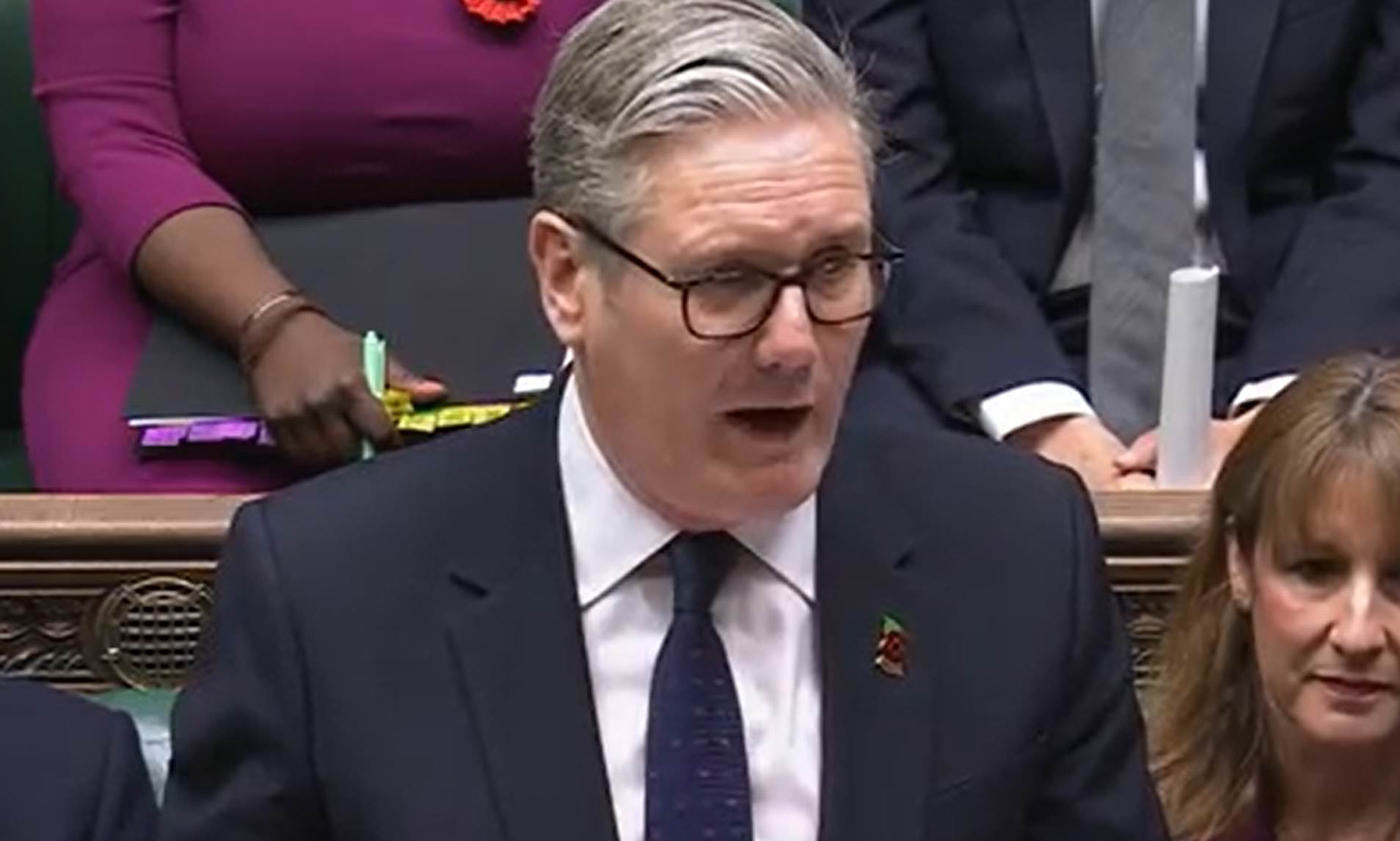
Labour’s Tax Pledge Under Scrutiny as Budget Looms
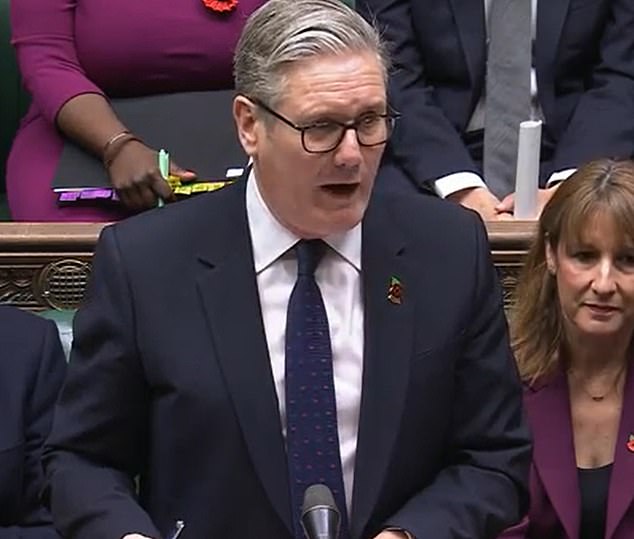
Sir Keir Starmer has faced mounting pressure over his party’s commitment to not increasing National Insurance, income tax, or VAT. During a recent exchange with Tory leader Kemi Badenoch, the Prime Minister refused to confirm whether he would uphold this promise, instead stating: “The Budget is on the 26 November and we will lay out our plans.” This vague response has raised concerns that Labour may be considering a significant tax raid on workers in the coming months.
The Chancellor, Rachel Reeves, is currently working to address a multi-billion-pound gap in her spending plans ahead of the upcoming fiscal package. Some economists have warned that the public finances could face a black hole of up to £50 billion, which would need to be filled by either tax increases or spending cuts.
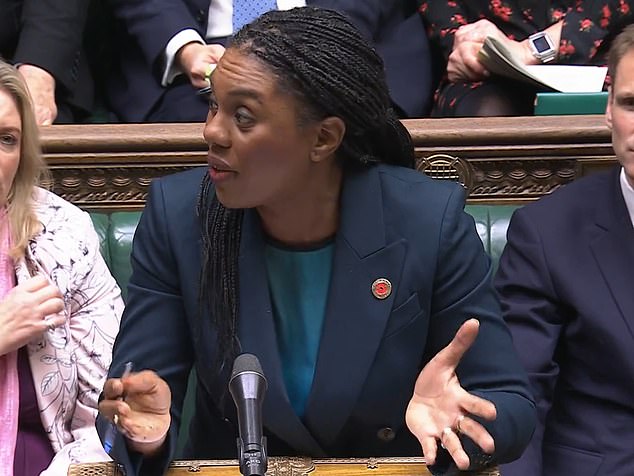
During Prime Minister’s Questions, Mrs. Badenoch repeatedly questioned Sir Keir about the possibility of further tax rises in November. She highlighted that when she previously asked the PM about his party’s manifesto pledge on taxes in July, he had simply replied, “Yes.” However, the current lack of clarity from the Prime Minister has led to growing speculation that Labour may be breaking its promises.
This uncertainty comes as Ms. Reeves attempts to counter grim economic forecasts. In a recent article for The Guardian, she argued that Britain can “defy” these predictions, despite acknowledging the challenges posed by a downgrade in productivity forecasts. The Office for Budget Responsibility (OBR) is reportedly preparing to reduce its productivity forecasts by 0.3 percentage points, which could create a gap of more than £20 billion in the public finances.
Ex-Tory chancellor Sir Jeremy Hunt has described this development as a “hammer blow” to Labour’s plans. Ms. Reeves has blamed Brexit, austerity, and the pandemic for leaving “deep scars” on the British economy. However, she has also hinted at the possibility of another major tax raid, warning of “necessary choices” and promising to make decisions that are in the best interests of the country.
Potential Tax Increases and Fiscal Challenges
There is growing speculation that Ms. Reeves could break Labour’s manifesto pledges and raise income tax next month. Additionally, the Treasury is considering proposals for a “mansion tax.” The Institute for Fiscal Studies (IFS) has warned that Ms. Reeves may need to find £22 billion in tax rises or spending cuts to restore the £10 billion of headroom she left herself against her debt targets in the Spring.
The gap in public finances could be even larger than feared, with expectations that the OBR will make a more significant cut to its trend productivity forecast. A 0.1 percentage point downgrade to the productivity forecast could increase public sector net borrowing by £7 billion in 2029–30, while a 0.3 percentage point cut could result in a £21 billion hit for Ms. Reeves.
Other economists have warned that the Chancellor faces a black hole of up to £50 billion, which would need to be filled by tax rises and spending cuts. In her article, Ms. Reeves admitted that the UK’s productivity has been “too weak” since the financial crisis. She emphasized the need to take “necessary choices” and make long-term decisions that benefit the country.
Balancing Fiscal Rules and Economic Realities
Ms. Reeves pledged to stick to her “fiscal rules” and bring down Britain’s debt, but she appeared to rule out deeper spending cuts by stating there would be “no return to austerity.” She argued that investment is the solution to the productivity challenge, adding that “investment cannot come at the cost of economic responsibility.”
Without deeper spending cuts or increased borrowing, Ms. Reeves will likely be forced to raise taxes. She reiterated that the decisions she makes at the Budget will not come for free and will not be easy, but they are necessary and fair.
In his own article for The Times, Sir Jeremy Hunt called the OBR’s productivity downgrade a “hammer blow to Rachel Reeves’ numbers” and urged the Chancellor to focus on public sector reform. He suggested that improving productivity could lead to better forecasts and a boost to public finances.
The Road Ahead
As the Budget approaches, the pressure on Labour to maintain its tax promises continues to mount. With a potential £30 billion budgetary deficit and a £60 billion fiscal black hole, the party faces difficult choices. Will Chancellor Rachel Reeves break her no-tax-increase promise amid economic turbulence? How will the looming cuts and rising borrowing costs affect Labour’s manifesto commitments?
These questions remain unanswered as the political and economic landscape continues to evolve.