UK Faces Rising Challenges Amid Middle East Crisis
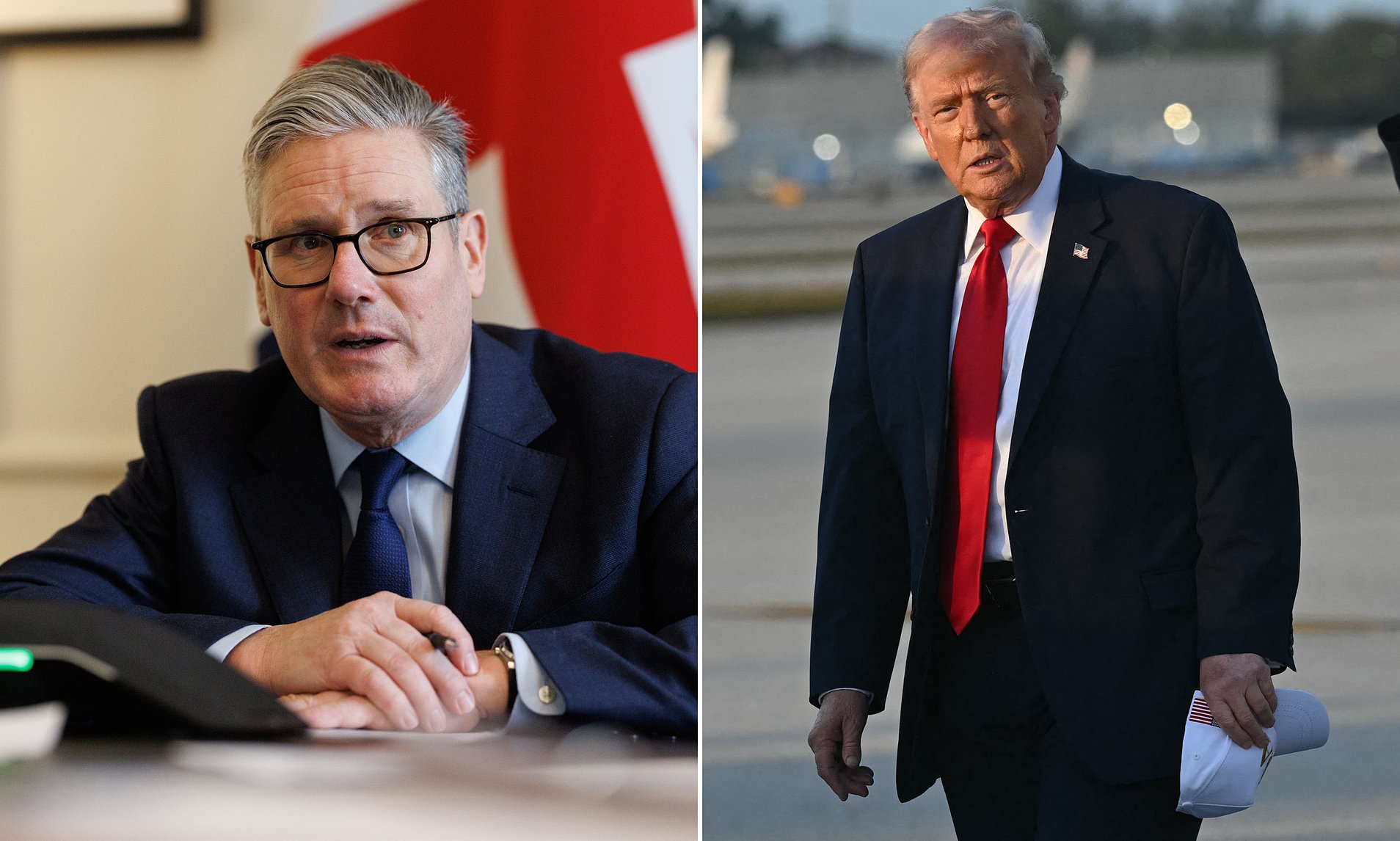
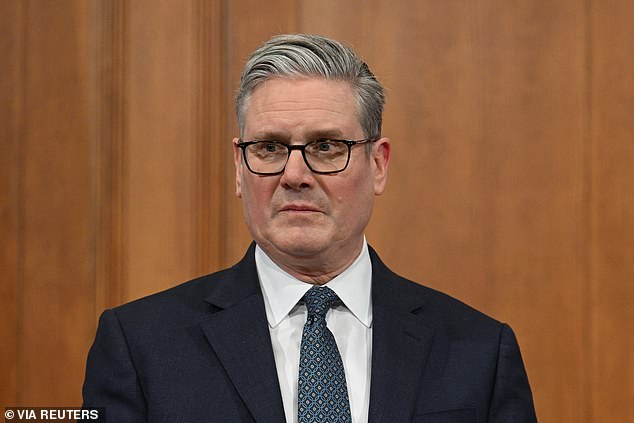
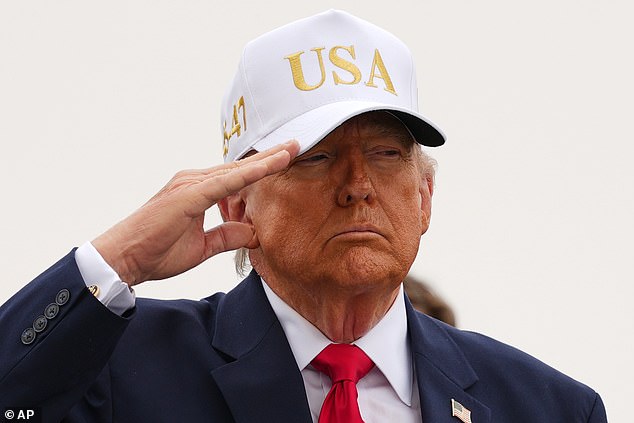
The United Kingdom is grappling with a complex web of challenges as the Middle East crisis intensifies, impacting both international relations and domestic stability. Prime Minister Keir Starmer has been working to mend strained ties with the United States following a public dispute with former President Donald Trump. This comes after a week of criticism from Trump over Starmer’s refusal to allow U.S. planes to use British bases for potential strikes against Iran.
During a 20-minute phone call, Starmer expressed his “heartfelt condolences” for the loss of seven soldiers in the conflict, highlighting the ongoing military cooperation between the two nations. However, this diplomatic effort is overshadowed by the growing concerns at home regarding the cost of living. The Prime Minister acknowledged that households are worried about how the Middle East situation might affect their energy bills, adding pressure on his government to address these issues effectively.
Escalating Tensions in the Middle East
The situation in the Middle East has reached a critical point, with several key developments:
- Iran named Mojtaba Khamenei as its new leader, marking a significant shift in leadership.
- Israel warned it would take action against those responsible for attacks on its territory.
- Tehran’s streets were left in chaos after oil depots were bombed, creating a scene likened to “rivers of fire.”
- Iran retaliated by launching missiles into Israel, Kuwait, Qatar, Saudi Arabia, and Dubai, escalating regional tensions.
These events have raised fears that the UK could face some of the highest wholesale gas prices in Europe. Analysts predict that oil prices may surpass $100 per barrel within days due to Iran’s actions in the Strait of Hormuz, a vital shipping route.
Impact on the UK’s Energy Security
The UK’s limited gas reserves pose a significant risk. With only 6,700GWh in storage—enough for just two days—the country is vulnerable to supply disruptions. This situation is compounded by the fact that the UK relies heavily on imports, which could lead to higher costs for consumers.
In response to these concerns, officials are considering measures similar to those implemented after Russia’s invasion of Ukraine. These interventions aim to protect families from rising energy bills. Labour’s manifesto pledge to reduce energy bills by £300 by 2030 is now under scrutiny, as failure to meet this goal could further erode public support.
Government Response and Public Concerns
Energy Security Secretary Ed Miliband has engaged with consumer advocate Martin Lewis to discuss the impact of rising energy costs. Lewis highlighted the potential for a “ticking cost time-bomb” when the summer price cap is set, warning that if rates remain high, the October cap could rise significantly.
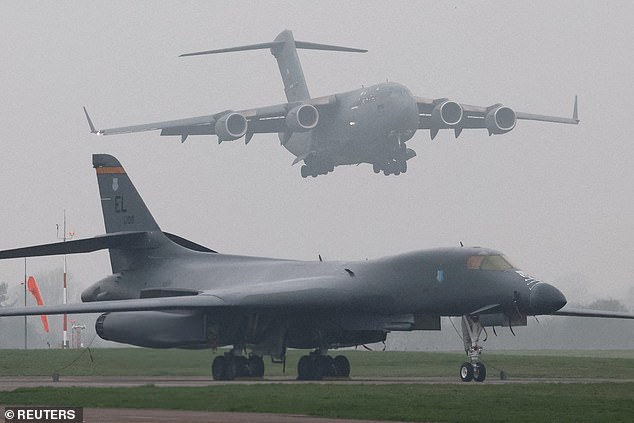
Experts like Natasha Fielding from Argus Media emphasize the UK’s vulnerability due to its limited gas storage. She notes that the UK must secure LNG cargoes ahead of other European countries, regardless of the cost. Despite these concerns, the government insists that gas supplies are not under threat, stating that the UK has a diverse energy mix and is confident in its security of supply.
Diplomatic Strains and Military Actions
The recent phone call between Starmer and Trump marks a shift in their relationship, following an initial refusal to allow U.S. aircraft to use British bases. Although Starmer later changed his stance, the initial decision led to repeated criticisms from Trump, who described the UK as “very, very unco-operative.”
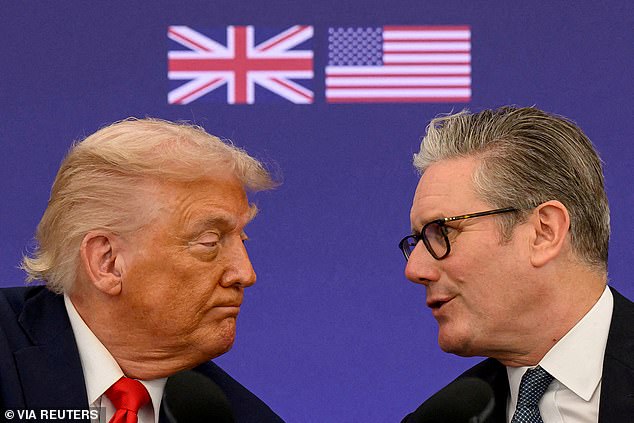
Despite the tension, the UK has taken steps to bolster its military presence in the region. This includes deploying aircraft and ships to protect strategic locations. However, Trump’s comments on the matter have sparked backlash, with some questioning the need for such actions.
Lord Dannatt, a former Army head, criticized Starmer’s approach, arguing that the UK needs to maintain strong ties with the U.S. as an important ally. Meanwhile, Foreign Secretary Yvette Cooper emphasized the importance of focusing on substance rather than social media posts.
Ongoing Pressure and Future Implications
As the situation evolves, pressure mounts on Starmer to reconsider the King’s state visit to the U.S. due to Trump’s behavior. Critics argue that such a visit would be seen as a diplomatic victory for Trump, despite his repeated insults toward the UK.
The UK’s ability to navigate these challenges will be crucial in maintaining both its international standing and domestic stability. As the Middle East crisis continues, the government must balance its commitments to allies while addressing the concerns of its citizens.