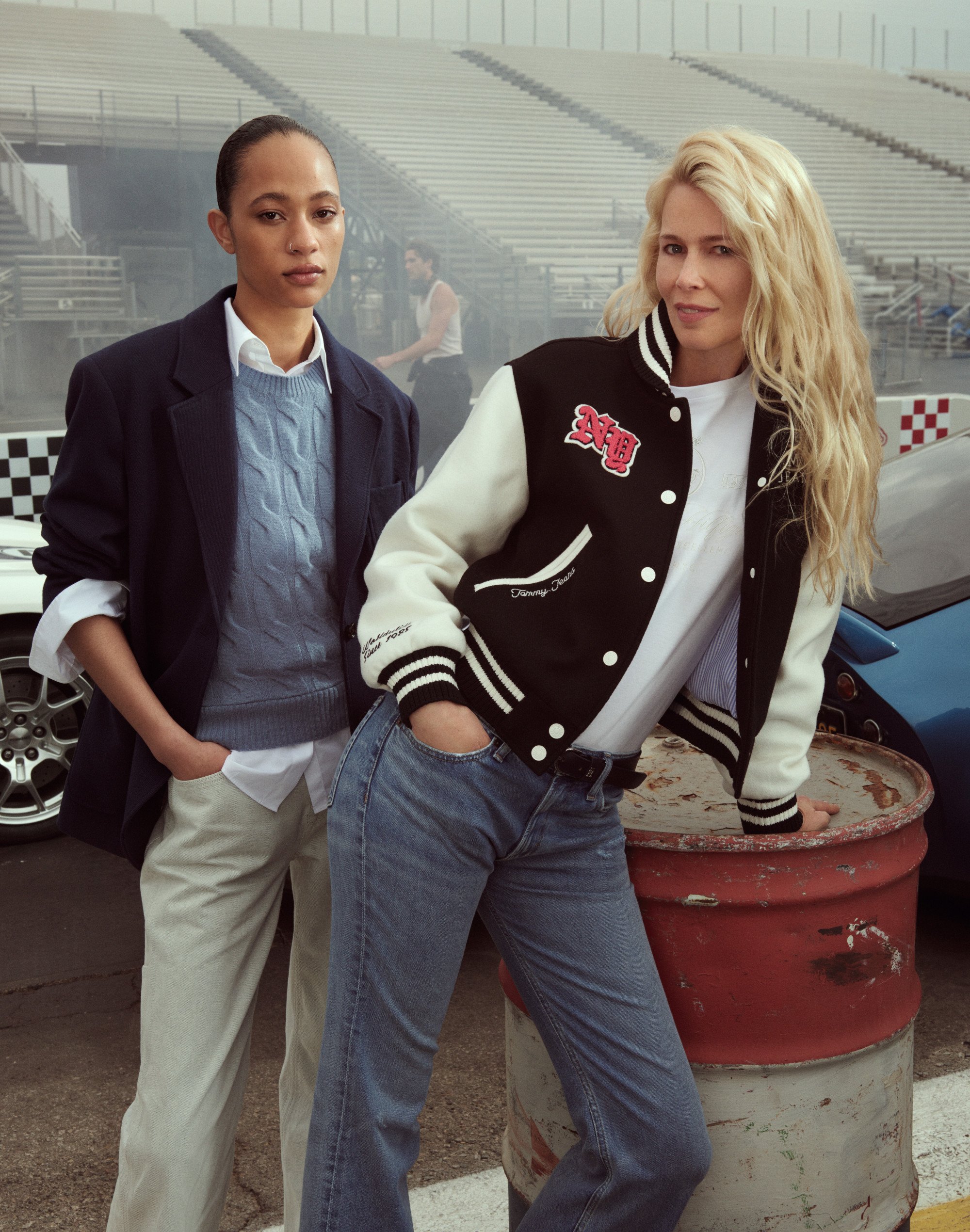
A Legacy of American Sportswear and Global Influence
Tommy Hilfiger, the iconic American designer, has built a brand that is now recognized worldwide. His journey began over four decades ago when he traveled to Hong Kong, a hub for garment manufacturing at the time, to lay the foundation for what would become one of the most successful fashion brands in history.
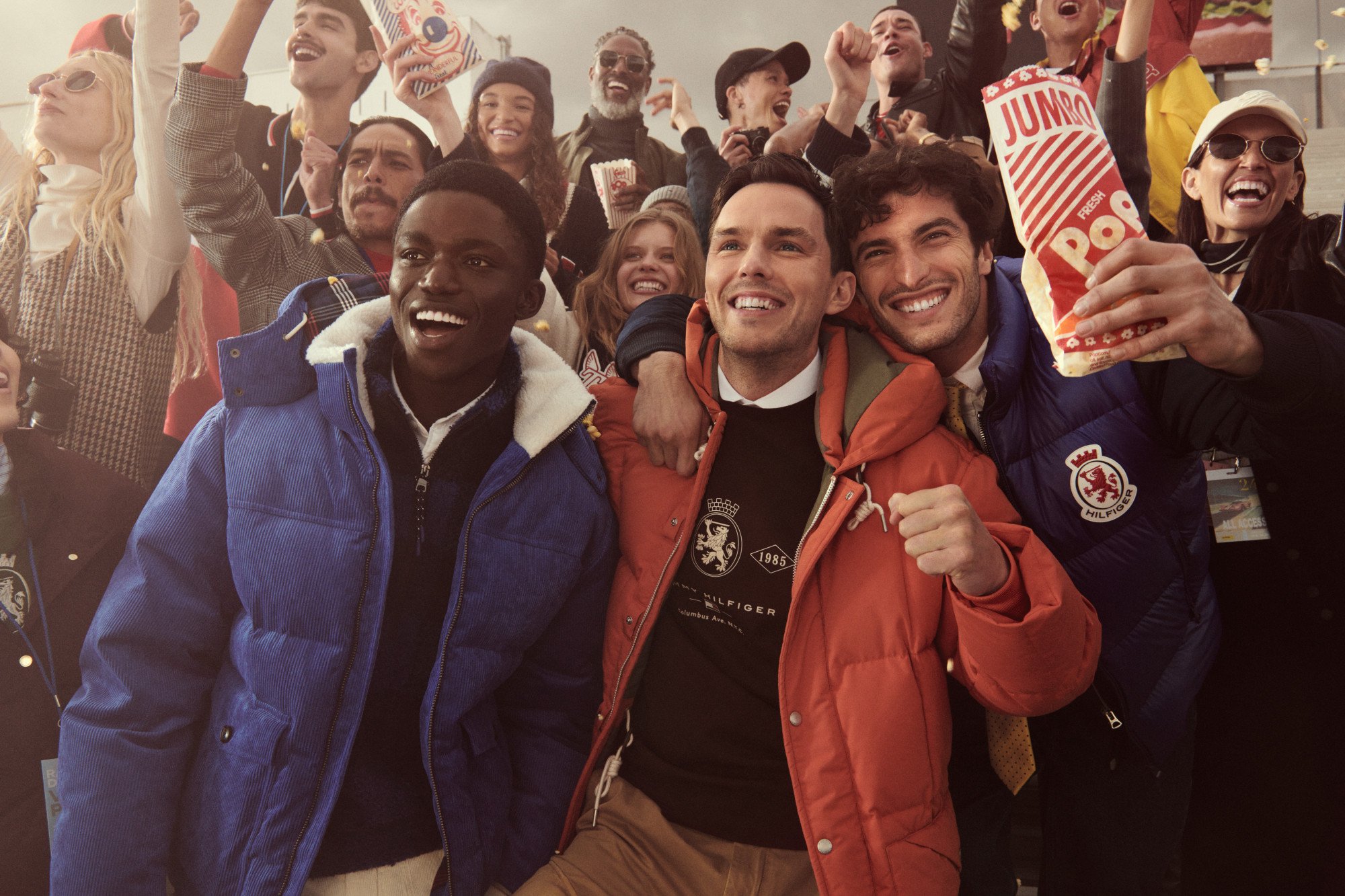
Hilfiger’s early interest in music and entertainment set him apart from his contemporaries. He was among the first designers to recognize the power of celebrities and pop culture in shaping fashion trends. Long before it became common practice, Hilfiger’s brand was dressing performers and athletes, creating a unique bridge between the worlds of music and fashion.
His designs, which were embraced by the hip-hop community from the very beginning, have always been more than just clothing—they are a part of popular culture. Whether on the streets or on stage, Hilfiger’s clothes have consistently reflected the spirit of the times.
The Evolution of a Brand
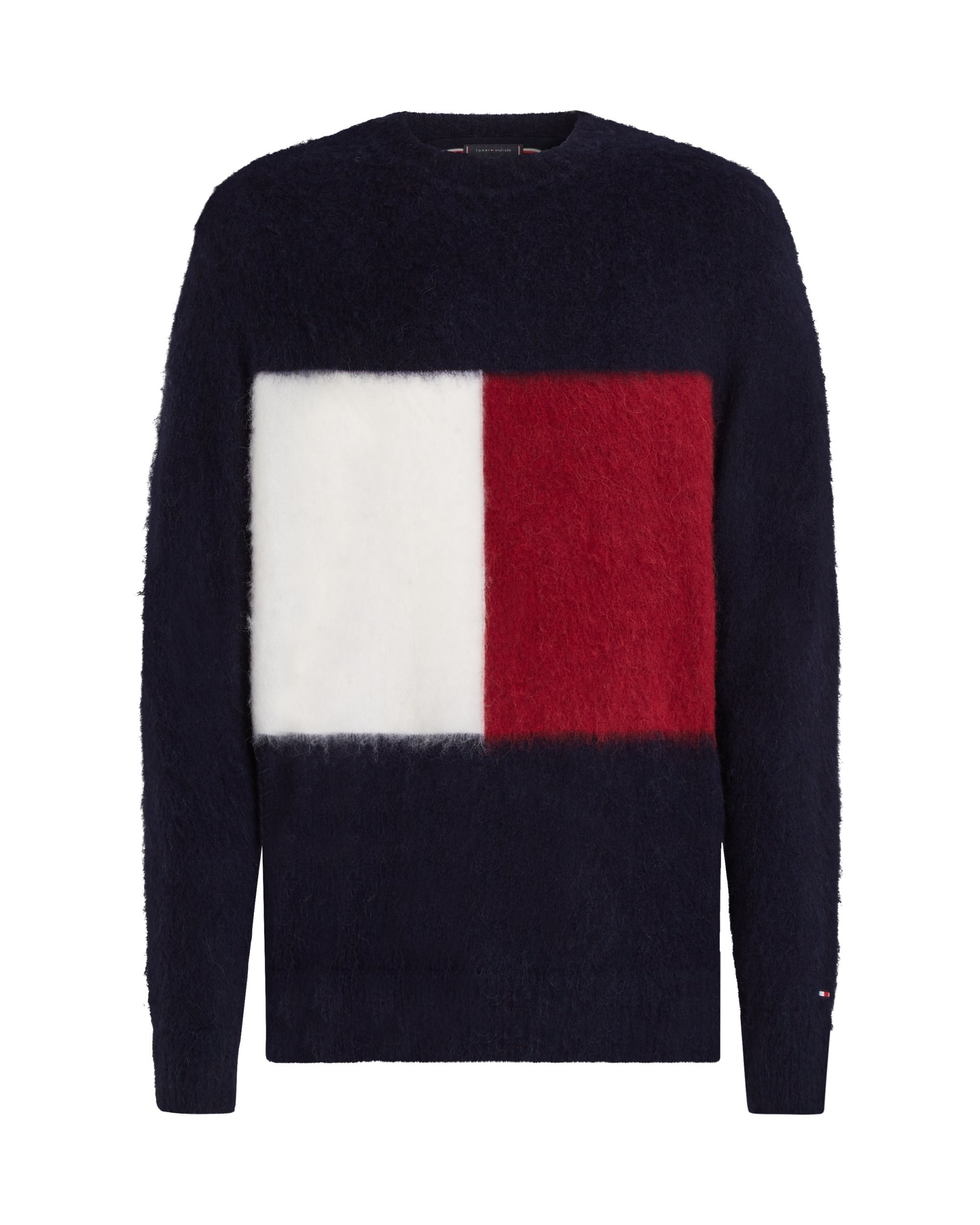
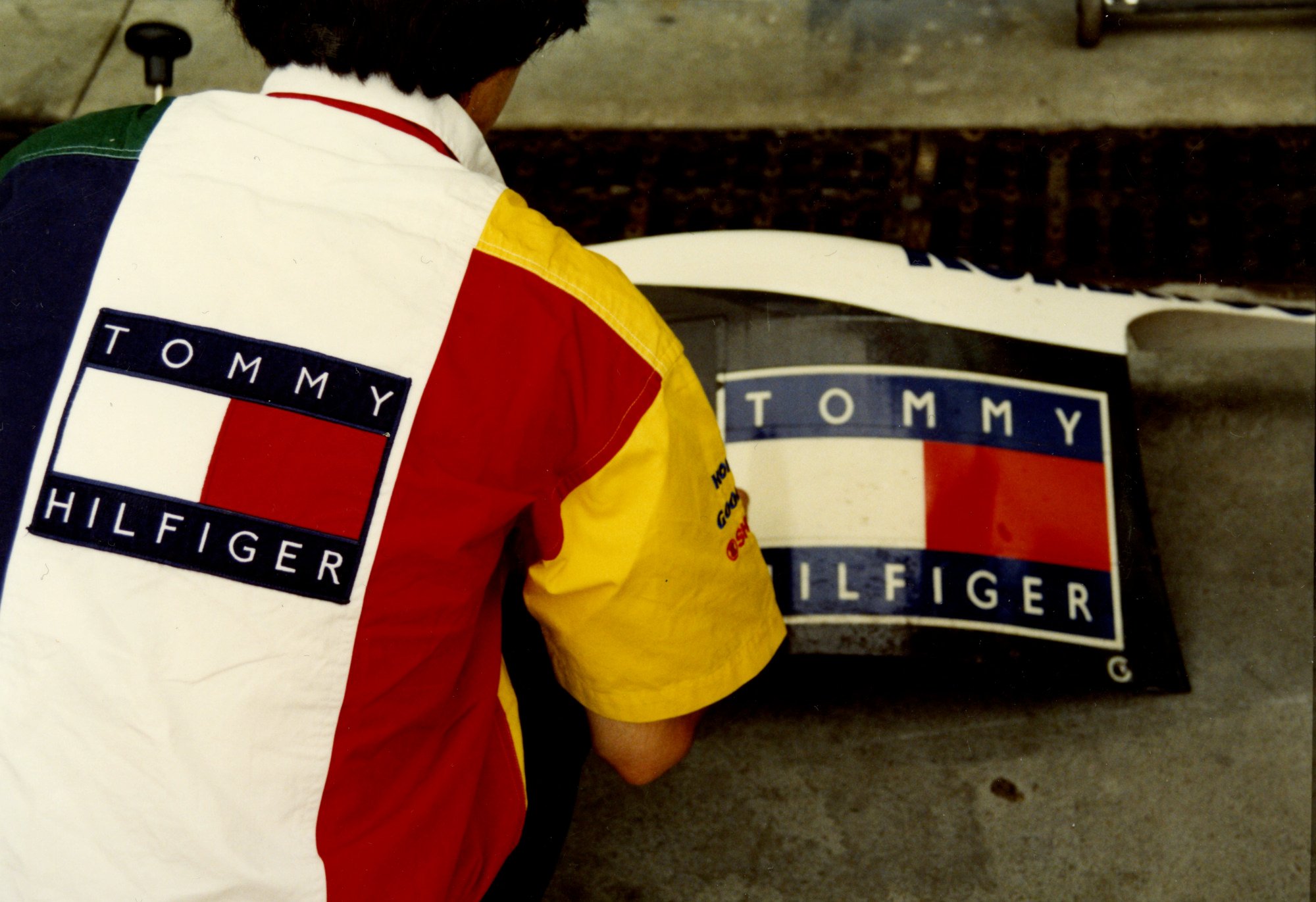
In a recent interview in New York, Hilfiger reflected on his remarkable career and the success of his brand. When asked what makes him proud after 40 years, he pointed to the brand’s logo as its greatest asset. “When I developed it in the very early 80s, and then launched it in 1985, I was praying and thinking that someday, I wanted everyone to look at this flag and know what it is,” he said. “It’s taken years, but it’s really known worldwide.”
Beyond the logo, Hilfiger emphasized the importance of staying true to the brand’s core values. “Affordable, accessible, wearable, stylish—this is what we stand for,” he explained. “We’ve never changed that in 40 years. We’ve never one day said, ‘We’re going to go cheaper, more expensive.’”
The Philosophy of “Classic with a Twist”
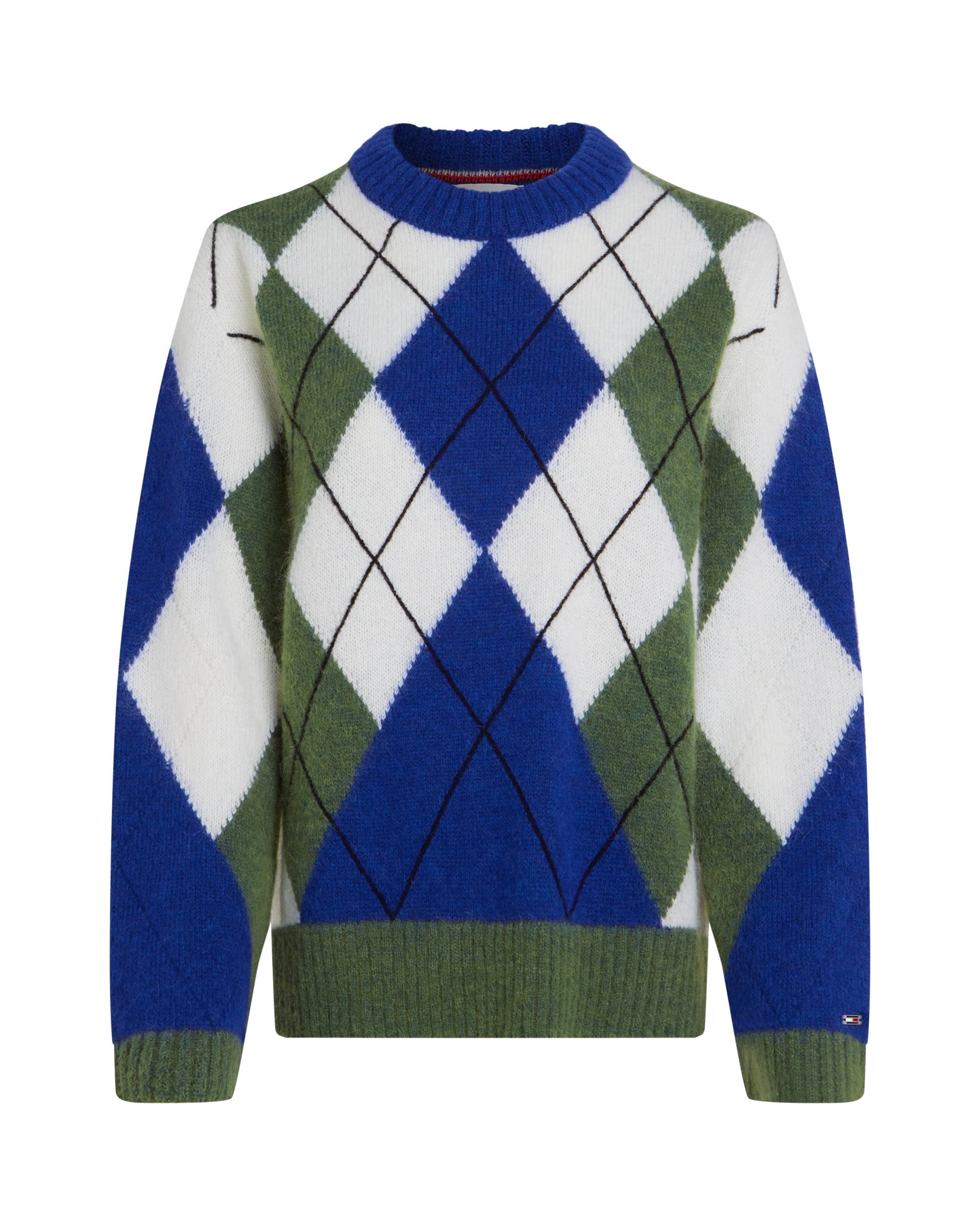
One of the key principles behind Hilfiger’s brand is the concept of “classic with a twist.” From the beginning, he aimed to create pieces that were not just basic but had unique details that made them stand out. “I never wanted to have basic basics without any kind of a twist,” he said. “And I still fight with people about that. I always want that twist.”
This philosophy has helped the brand maintain its relevance and appeal across different generations and cultures.
Expanding Globally
Hilfiger’s brand has also grown into a truly global enterprise. The company launched in Europe in 1996 and later expanded to Asia. “Our global expansion was very intentional,” Hilfiger noted. “We had a partner, Lawrence Stroll, who previously had the Ralph Lauren licence for Europe. When he came to Tommy as a partner, he said, ‘We have to go to Europe because Europeans love Americana.’ And our business in Europe today is better than the bigger business [in the US].”
A Passion for Motorsports
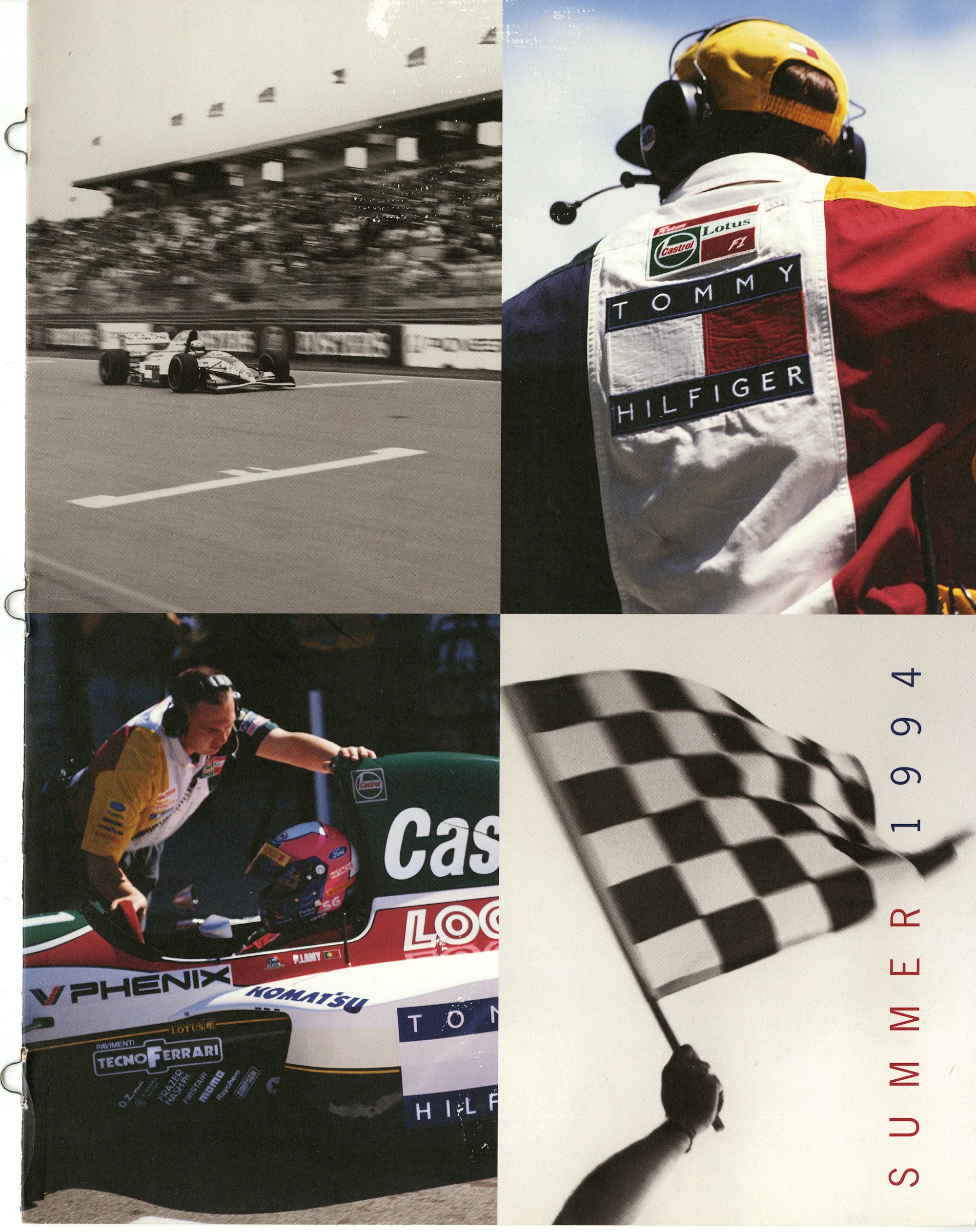
Hilfiger’s love for motorsports has also played a significant role in shaping his brand. Growing up near the Watkins Glen Grand Prix racetrack in Elmira, New York, he was captivated by the excitement of racing. “I always loved motorsports and cars. It was an exciting opportunity to be close to these cars that were so unique,” he recalled.
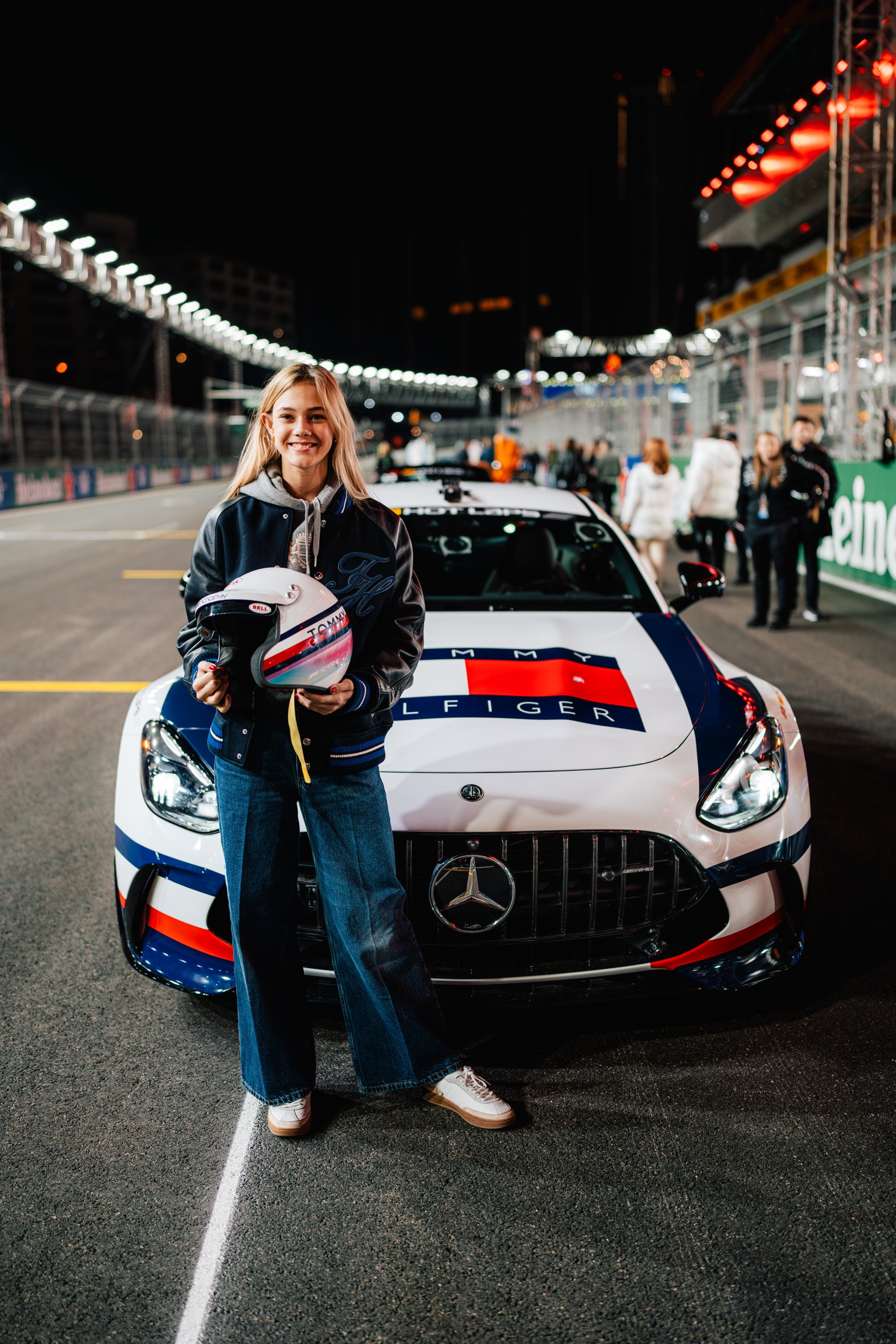
This passion led to collaborations with top teams like Team Lotus, Ferrari, Mercedes-Benz, and Lewis Hamilton. Recently, Hilfiger launched a campaign with Cadillac, the first American Formula One team ever, set to debut in 2026.
The Racing Club Campaign
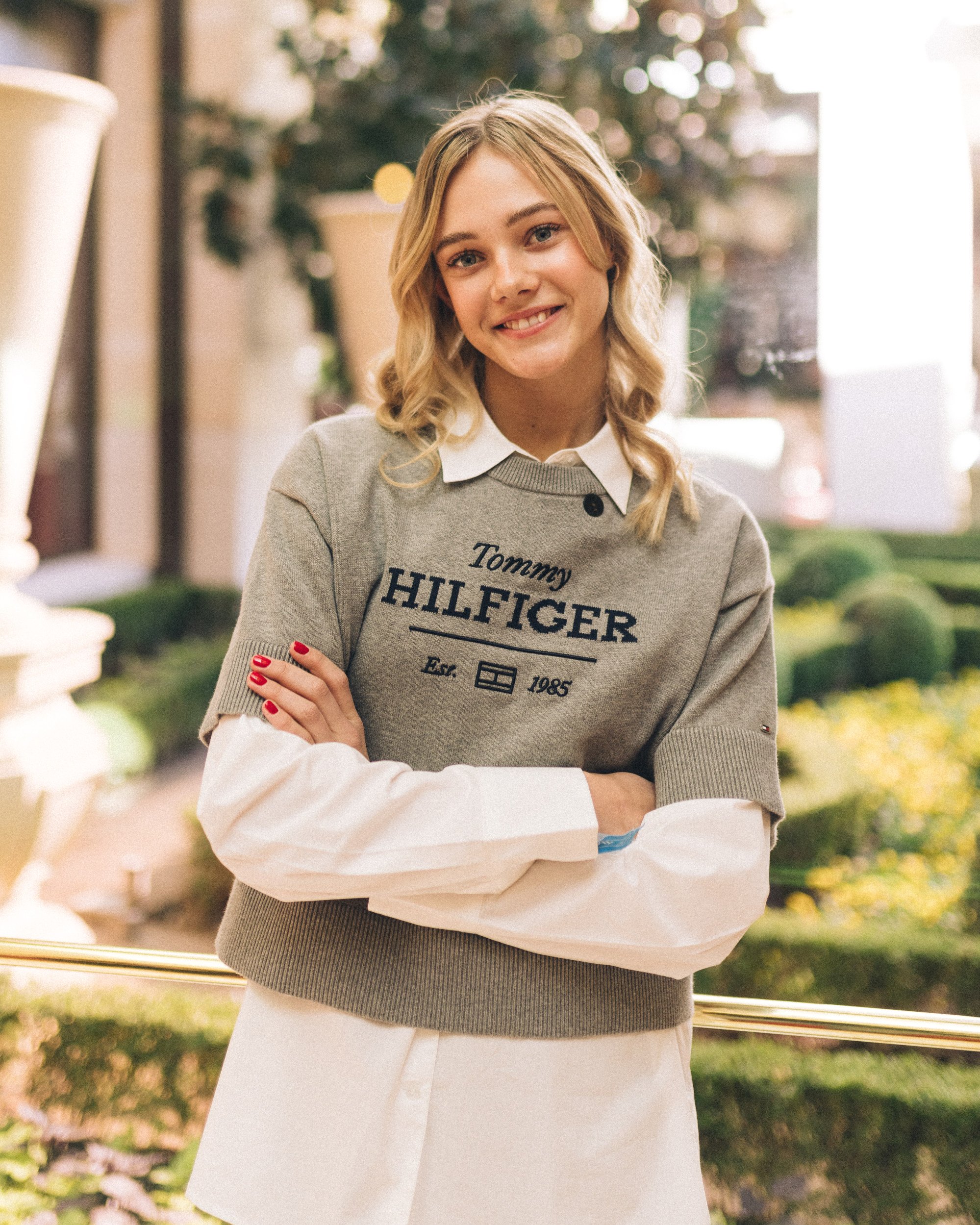
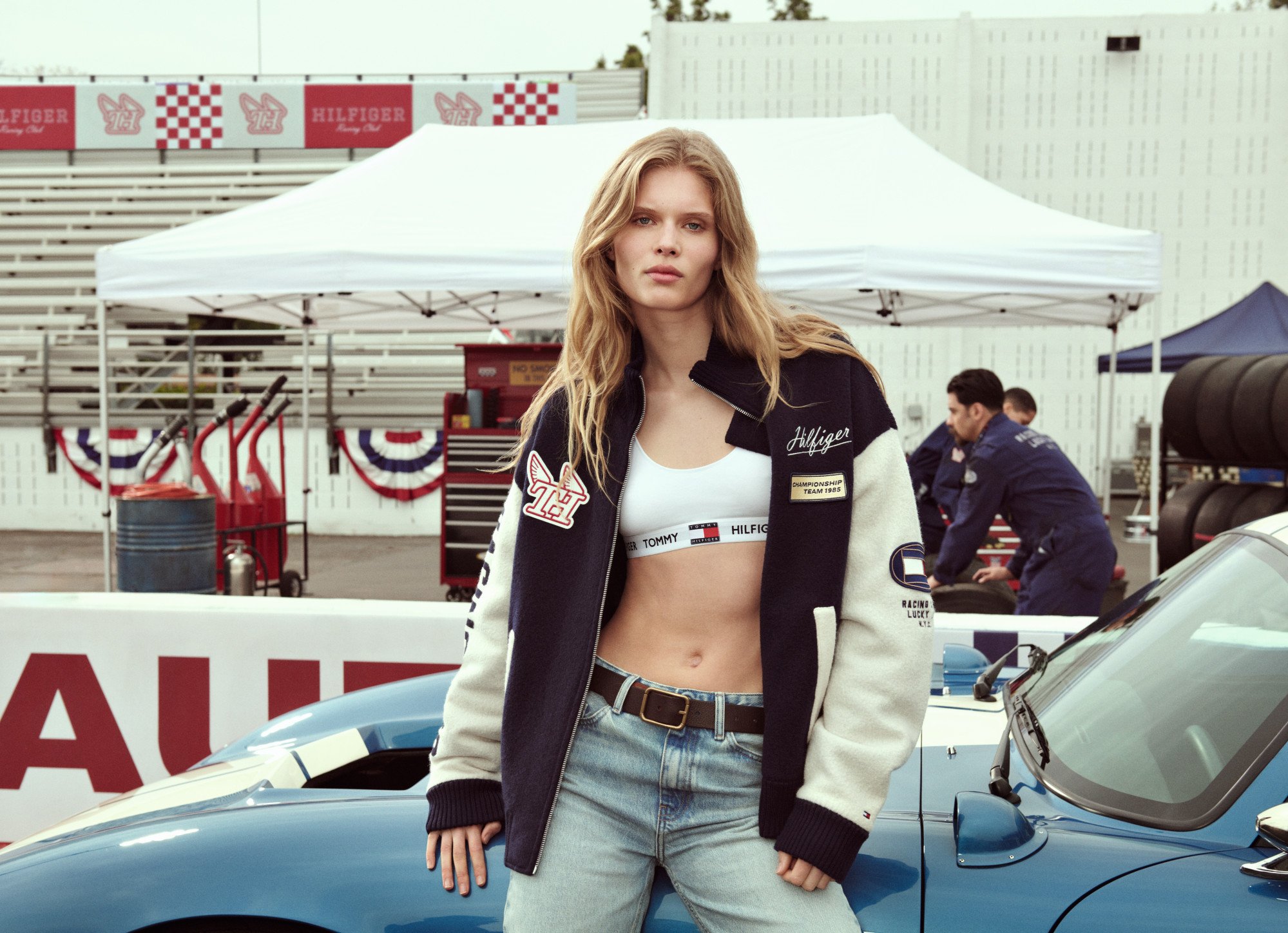
Hilfiger’s latest project, the Racing Club campaign, aims to bring authenticity to the world of motorsports. “We wanted it to look as authentic as possible,” he said. “Those vintage cars are very special cars. We went to a real racetrack.” While he dreams of shooting a campaign in Monaco with real Formula One cars, he acknowledges the logistical challenges involved.
Early Days in Asia
Hilfiger’s connection to Asia dates back to the early days of the brand. He started in Hong Kong, using local factories and fabrics. “I used to go there for weeks at a time developing the clothes,” he shared. “I would actually work in the factories, sketching the clothes and seeing them being sewn and made right away.”
Embracing Technology
As the fashion industry evolves, Hilfiger remains open to new technologies. “I think you cannot fight it. I think you have to find a way [to make it] work with us,” he said. “People have to at least prompt the AI. They’ll have to tell it what to do. Like, make me a breathable, waterproof down jacket in pumpkin orange with silver snaps.”
Advice for Young Entrepreneurs
For young designers and entrepreneurs, Hilfiger offers practical advice. “You have to pick a lane,” he said. “Do something, one category, and do it really well. Once that happens, you could add to it. But if you’re making a whole collection of a lot of stuff, you’re going to have many different inventory issues, manufacturing issues, fit issues.”
He also emphasizes the importance of staying connected to the brand’s DNA. “You have to always stay connected to your brand codes and your DNA. So people could close their eyes and picture [the brand]. Otherwise, it could be anything.”
Conclusion
Tommy Hilfiger’s journey is a testament to the power of vision, innovation, and perseverance. From its humble beginnings in Hong Kong to its global reach today, the brand continues to inspire and evolve. As Hilfiger looks back on his career, he remains proud of the legacy he has built—one that blends classic style with a timeless twist.

Related posts:

Fiction park: He was the best in class. He still wasn’t good enough

Gagan Thapa takes oath as Congress president, vows to regain public trust

Inside knowledge that has locals gripped by fear after gran’s body found decomposing in cattle dip

New property purchase disclosure rule in Japan sparks fears it may curb foreign investment

Dino-mite treasures: inside Singapore’s Fort Knox storing playthings of ultra-rich