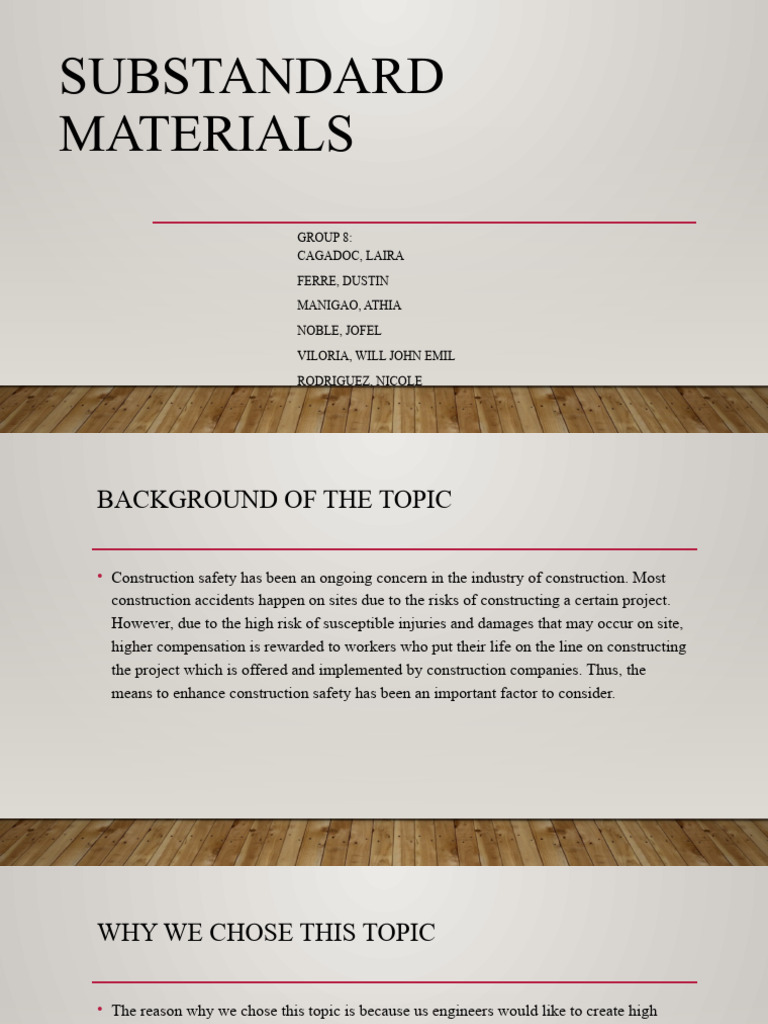
The Crisis of Substandard Building Materials in Nigeria
Dr. Adesina Aladeloba, a fellow of the Nigerian Institute of Building and Dean of the School of Environmental Studies at Yaba College of Technology, Lagos, has spoken out on the alarming issue of substandard building materials in Nigeria. In an interview, he highlighted the problems with reinforcement bars and timber in the market, their impact on both human lives and the environment, and the challenges faced by the Standards Organisation of Nigeria (SON) in its oversight role.
The Problem of Substandard Materials
The issue of substandard reinforcement bars is becoming a national embarrassment. Dr. Aladeloba pointed out that it’s not just steel that’s problematic; other materials are also adulterated. For example, 16 mm reinforcement bars no longer meet their advertised specifications. Similarly, timber sizes have been reduced, making it difficult to trust the quality of construction materials. This widespread problem has led to frequent building collapses, particularly in Lagos.
He described the situation as overwhelming for the SON, which is tasked with ensuring standards are met. “When you have so many frauds here and there, how many will you run after?” he asked. “As you are running after this one, another issue is coming up.”
Implications of Substandard Materials
The implications of using substandard materials are severe. When buildings collapse, human lives and resources are lost. There are also psychological effects, with people losing trust in high-rise buildings and investors avoiding them. Insurance companies are hesitant to cover such structures, and professionals in the field face reputational damage.
The Role of Professionals and the Need for Regulation
Dr. Aladeloba emphasized that professionals in the built environment must take a stand against fake products. He noted that while standards exist, they are not effectively enforced. “If these laws are made effective and corporates are reprimanded, and ensure there is no sacred cow, all these infractions will stop,” he said.
However, he pointed out that Nigeria lacks a National Building Code, unlike other African countries such as Egypt, Rwanda, and Kenya. This code has been discussed since 2006 but has yet to be signed into law. “If the building code is passed into law, hope the issue of enforcement will not set in,” he added.
Intra-Professional Quackery
Dr. Aladeloba introduced the concept of “intra-professional quackery,” referring to professionals practicing outside their designated roles. For instance, an architect should not act as a builder, and vice versa. This lack of defined boundaries leads to confusion and poor quality work.
The Need for Stronger Enforcement
He argued that the SON needs more authority to enforce regulations effectively. “Let the government give more teeth to SON to be able to bite,” he urged. This includes having representatives at ports and borders to prevent substandard materials from entering the country.
The Impact of Unregulated Development
Dr. Aladeloba criticized the involvement of non-professionals in real estate development. Many developers are businessmen or politicians who lack the necessary expertise. “They bombard the place and all that,” he said. “I have no problem with developers, the only problem I have is that I cannot be a developer and be doing some kind of thing without bringing in professionals.”
The Importance of Communication and Standardization
Communication among professionals in the built environment is lacking, with each group using their own “coded language.” “If everybody speaks the same language, you discover that by the time you are getting out of your meeting, you are speaking one language,” he explained.
The Need for Price Controls
Rising housing and rent costs are a burden on Nigerians. Dr. Aladeloba suggested that price controls could help protect the masses. “There has to be control,” he said. “You see, that is the issue. Now, you find out that from last year to now, the astronomical way in which the house rent went up.”
Conclusion
Dr. Aladeloba stressed the need for a comprehensive approach to address the issues in the construction sector. This includes passing the National Building Code, enforcing regulations, and ensuring that professionals adhere to their core competencies. Without these measures, the risks of substandard construction and its consequences will continue to threaten public safety and economic stability.

Related posts:
Fiction park: He was the best in class. He still wasn’t good enough

Gagan Thapa takes oath as Congress president, vows to regain public trust

Inside knowledge that has locals gripped by fear after gran’s body found decomposing in cattle dip

New property purchase disclosure rule in Japan sparks fears it may curb foreign investment

Dino-mite treasures: inside Singapore’s Fort Knox storing playthings of ultra-rich