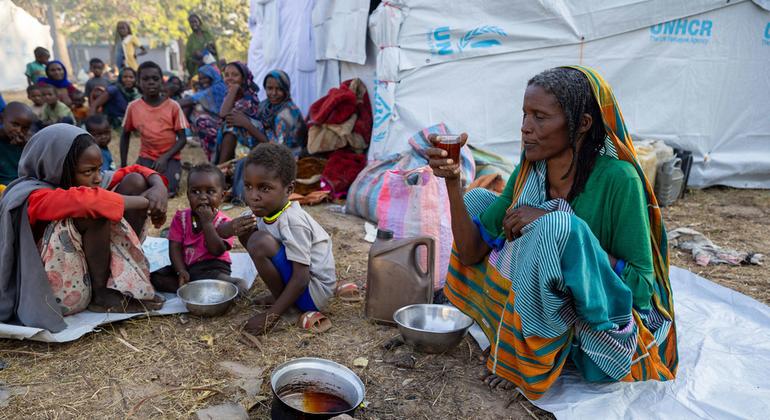
The Humanitarian Crisis in Sudan: A Deepening Emergency
Sudan is currently facing the largest humanitarian crisis in the world, with over 31 million people in urgent need of assistance. However, the Humanitarian Response Plan for 2025 is suffering from a massive funding deficit, as only 27% of the requested $4 billion has been secured. This leaves 73% of the humanitarian needs unmet, leading to a significant decline in food and health aid.
Ahmed Kadouda, a Technical Advisor at the Impact Policy Group (IPG), highlights that this funding shortfall has severe consequences. He emphasizes that major organizations like the World Food Program and UNICEF have warned of an imminent failure in supply lines if more funds are not made available. The situation is further complicated by the deteriorating security conditions, which make it difficult to accurately document the extent of the crisis on the ground.
Regional Displacement and Geopolitical Implications
The crisis has evolved into a regional displacement issue, with over 10.5 million internally displaced people recorded by the International Organization for Migration (IOM) and about 4 million refugees crossing borders into neighboring countries such as Chad, South Sudan, Egypt, Ethiopia, and Central Africa. This widespread displacement has serious humanitarian and geopolitical repercussions, highlighting the urgency of international intervention.
Despite the Quartet’s call for a ceasefire and unhindered humanitarian access, there has been little progress on the ground. The city of El Fasher remains besieged, with roads closed and people dying of hunger and disease. Kadouda stresses that the lack of coordination between warring parties makes it impossible to implement effective relief plans. While the Quartet has prioritized the humanitarian situation, their statements have yet to translate into concrete actions.
The Need for Concrete Action
Kadouda argues that real change will not come from diplomatic statements alone but from actual action by the international community. He calls for increased humanitarian funding and pressure on the warring parties to sign binding agreements that include measurable outcomes, such as the number of open passages and the amount of aid reaching affected areas.
He also emphasizes that the lives of Sudanese people should not be considered less valuable than those in other conflict zones. The international community must take responsibility for ensuring safe corridors, protecting civilians, and providing adequate funding to prevent the crisis from worsening.
Challenges Faced by Humanitarian Organisations
Humanitarian organizations in Sudan face numerous challenges, including administrative restrictions and intimidation from both sides of the conflict. These obstacles have severely hindered the ability of organizations to operate effectively. For example, ACAPS reported that only 31% of visa applications submitted by international organizations were approved last May, affecting their ability to implement programs.
In addition, many programs have been halted due to funding issues and difficult security and administrative access. The “Health Bloc” reports that 15 tons of medical supplies are ready to enter conflict zones but have not arrived due to these restrictions, reflecting the collapse of the humanitarian access system in Sudan.
Infrastructure and Logistical Challenges
Most major roads in Sudan are either closed or unsafe, according to reports by the United Nations Office for the Coordination of Humanitarian Affairs (OCHA). Vital corridors between cities are now almost paralyzed, and the closure of civilian airports and fuel shortages have increased transportation costs by 250%, causing delays in the delivery of essential aid.
Poor coordination between various authorities exacerbates the situation, with conflicting procedures and bureaucratic hurdles preventing effective humanitarian work. Kadouda notes that this approach has led to the paralysis of supply chains and logistical operations.
Violations of Humanitarian Principles
The crisis in Sudan has also led to violations of key humanitarian principles, including neutrality, impartiality, and independence. Humanitarian organizations are often treated as tools of political influence rather than as neutral actors. Between May and August 2025, the activities of about 30 humanitarian organizations were suspended in several areas of Sudan, reflecting the politicization of aid.
The principle of impartiality is also being violated, as reports indicate that the Rapid Support Forces have altered beneficiary lists in some areas of Darfur, undermining the fairness and equity of aid distribution.
Divided Humanitarian Efforts
Humanitarian efforts in Sudan are divided between two authorities, with the Sudanese army and the “government of Port Sudan” overseeing aid through the Humanitarian Aid Commission, while the Sudanese Relief and Humanitarian Operations Agency manages areas under the control of the Rapid Support Forces. This institutional divide complicates coordination and undermines the independence of humanitarian action.
Ongoing Struggles in Darfur
Vital programs, including nutrition initiatives in Darfur, have been halted due to restrictions and obstacles placed on international institutions. Areas under the control of the Sudan Liberation Movement also face additional challenges, despite years of experience working in these regions.
The ongoing fighting and shelling have exacerbated the situation, with displacement increasing daily in North Darfur and Tawila states. The lack of humanitarian access continues to threaten the lives of thousands of displaced families.


