The Legal Battle Over a Weight-Loss Surgery
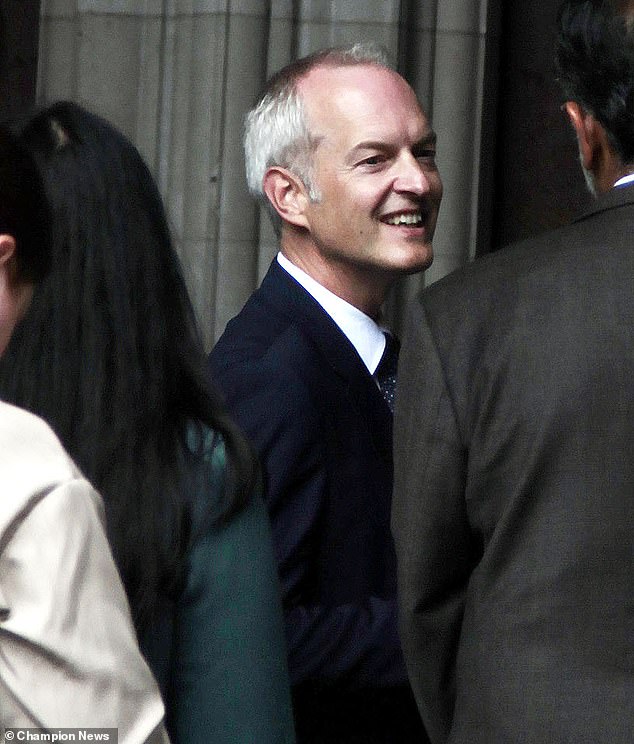
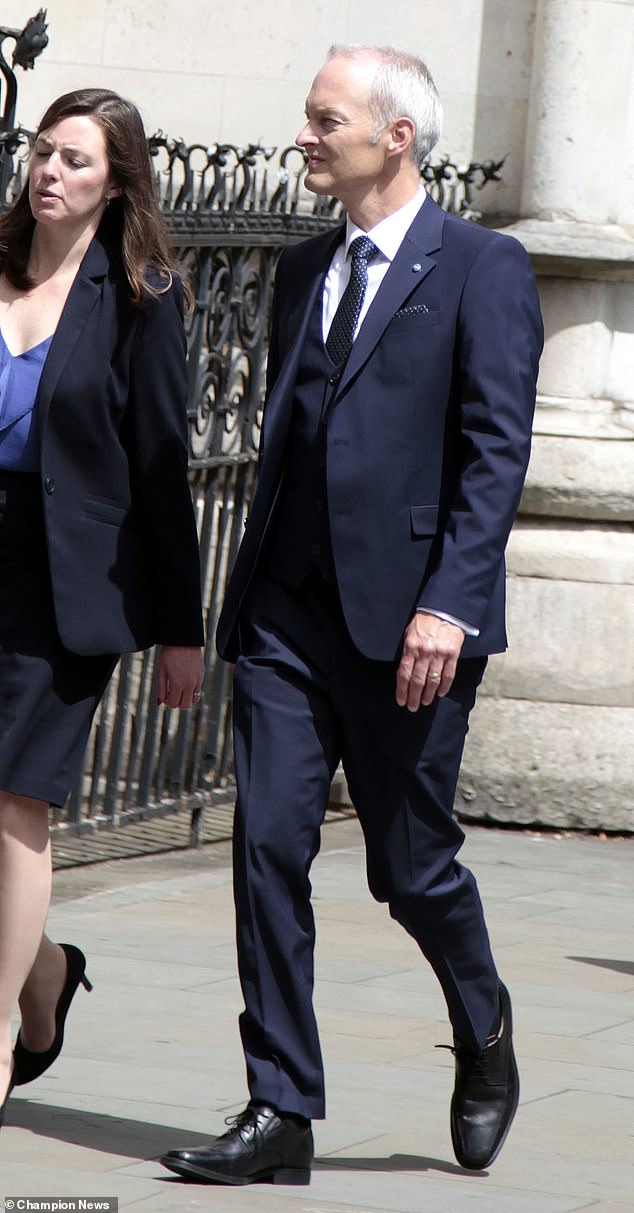
A top surgeon has successfully defended himself in a £200,000 legal battle against a patient who claimed that a subsequent procedure caused serious complications. The case involved Simon Monkhouse, a bariatric surgeon, and Alison Tarrant, a 16-stone mother who had undergone a weight-loss operation in 2019.
The surgery was performed on Ms. Tarrant, a five-foot-five-inch paramedic, to help her manage her weight after having children. The procedure involved removing part of her stomach, reducing its capacity to the size of a banana, which is typical for a sleeve gastrectomy. This type of surgery is designed to limit food intake and promote weight loss.
However, after the initial surgery, Ms. Tarrant reported difficulty eating solid foods. In response, Mr. Monkhouse conducted a second procedure to stretch her smaller stomach using a medical balloon. Unfortunately, this led to a perforation in her stomach, resulting in an emergency gastric bypass operation to save her life.
Ms. Tarrant was hospitalized for many months and required feeding through a tube due to malnutrition. She later filed a lawsuit, claiming that the balloon procedure should not have been carried out and that she needed more support post-operation. She sought over £200,000 in compensation.
Court’s Decision
In the High Court, Judge Michael Simon dismissed Ms. Tarrant’s case, stating that the surgeon made the right decision in proceeding with the balloon procedure. He emphasized that the evidence supported his conclusion that the narrowing of the gastro-oesophageal junction was the cause of her difficulties. The judge noted that the risks associated with the balloon procedure were statistically minimal.
Despite the serious consequences Ms. Tarrant faced, the court expressed sympathy for her ongoing health challenges. However, it concluded that the claim against Mr. Monkhouse was not valid. The judge highlighted that there was no evidence suggesting that the problems experienced by Ms. Tarrant were due to a failure to adhere to dietary guidelines or emotional eating issues.
The Procedure and Its Aftermath
Ms. Tarrant had opted for the weight-loss operation at the Spire Gatwick Park Hospital, where she paid privately. The sleeve gastrectomy involves removing approximately 75 to 85 percent of the stomach, leaving a cylindrical shape. Patients typically start with liquids and gradually reintroduce solid foods.
After the initial operation, Ms. Tarrant raised concerns about her progress and ability to eat enough. In November 2019, Mr. Monkhouse decided to proceed with the balloon procedure, believing that the issue was related to the narrowness of her stomach. However, shortly after the procedure, she experienced a leak, leading to an emergency gastric bypass in December 2019.
Legal Arguments
During the trial, Ms. Tarrant’s lawyer, Holly Tibbitts, argued that she did not receive sufficient support in returning to normal eating habits. She suggested that the balloon procedure should not have been performed without clear evidence of a physical narrowing in the stomach.
On the other hand, Mr. Monkhouse’s lawyer, Anna Hughes, maintained that the balloon procedure helped Ms. Tarrant eat more easily before the leak occurred. He emphasized that there was no indication that the issues were due to diet or emotional eating.
Conclusion
The judge ultimately ruled in favor of Mr. Monkhouse, stating that there was no breach of duty in the care provided. He acknowledged the significant injury Ms. Tarrant suffered but concluded that the claim against the surgeon was not substantiated. The court’s decision came as a disappointment, but it was based on the evidence presented during the trial.