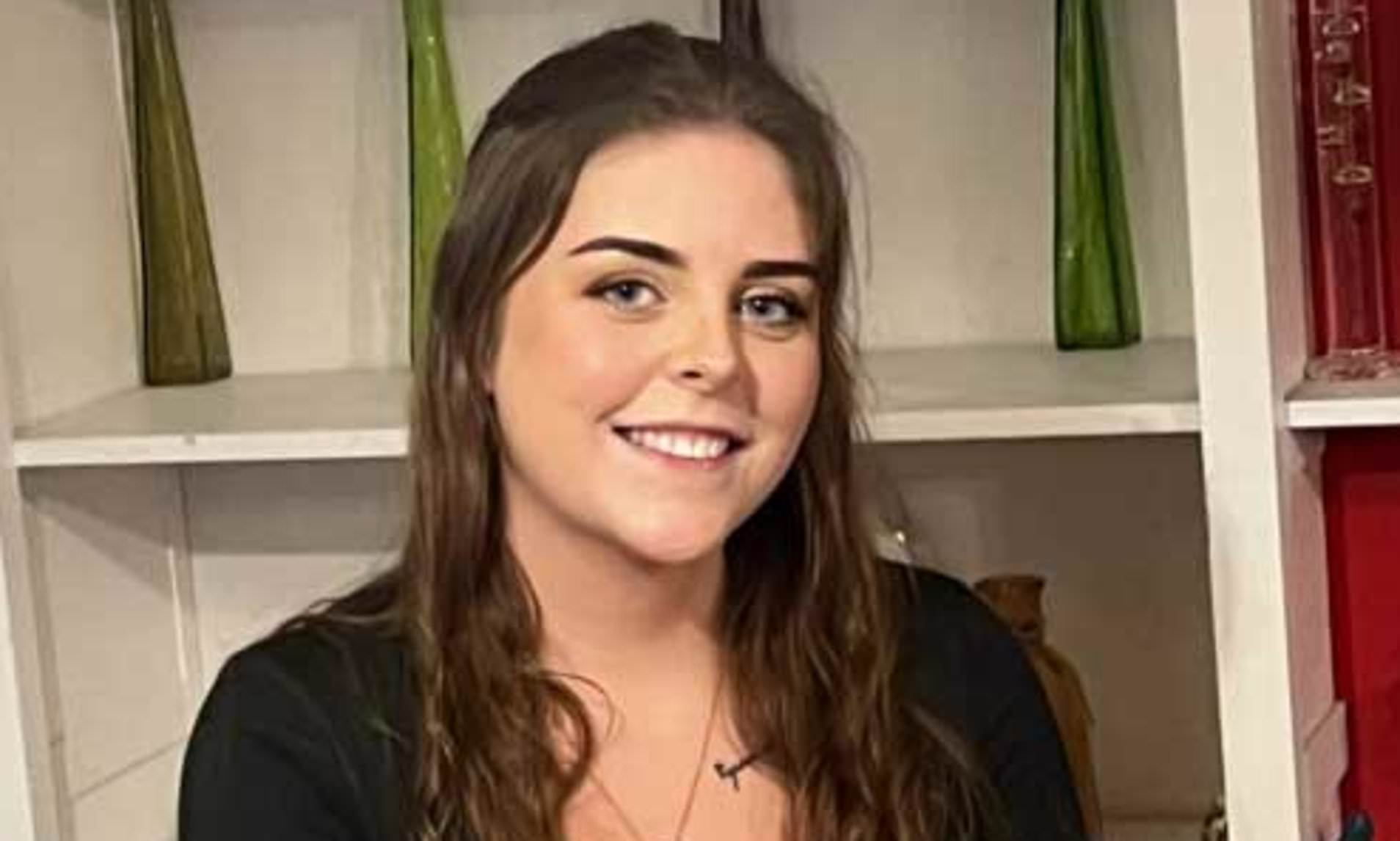
A Young Woman’s Fight Against Misdiagnosis and Bowel Cancer
Milli Tanner, a 23-year-old from Evesham in Worcestershire, West Midlands, has shared her harrowing journey of being misdiagnosed with Stage 3 bowel cancer. Her story highlights the dangers of dismissing symptoms based on age and the importance of early detection.
In June 2021, when she was just 19 years old, Milli first visited her GP with symptoms including stomach pain, lower back pain, and blood in her stool. However, instead of receiving prompt medical attention, she was repeatedly told that her symptoms were due to something less serious—like piles, irritable bowel syndrome (IBS), or even period problems. Doctors also suggested that her symptoms might be a result of drinking too much during a night out.
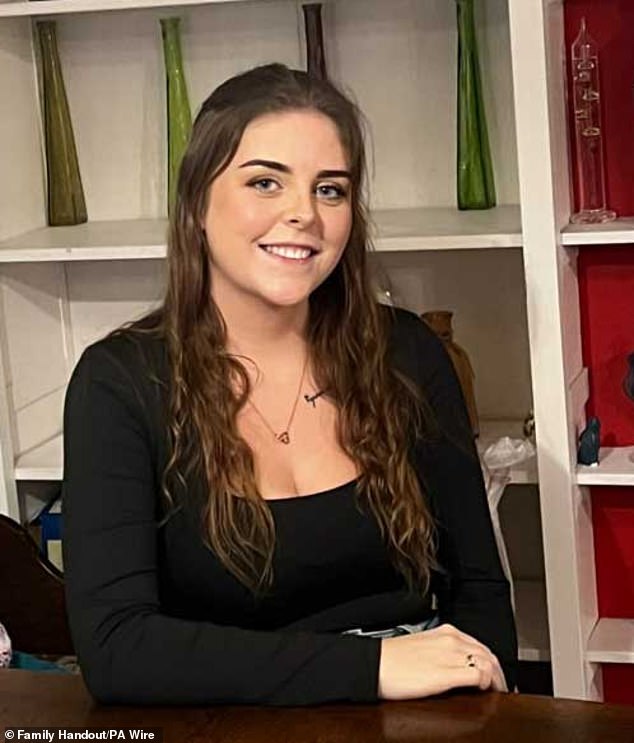
Despite these dismissals, Milli continued to experience severe symptoms. She described the bleeding as more than just a small amount of blood on the tissue. “It was clots of blood and filling the toilet bowl up,” she said. She even showed doctors pictures of the blood, but they still did not take her concerns seriously.
Over the course of several months, Milli made over a dozen visits to her GP and even went to A&E. At one point, she asked for a second opinion, only to be told, “You’re just too young.” This lack of concern led to further frustration and delays in getting the right diagnosis.
Frustrated by the lack of progress, Milli decided to take matters into her own hands. She ordered a faecal immunochemical test (FIT) online, which checks for tiny traces of blood in the stool. The test came back positive, and she took the results to her GP. However, it took several more months before the GP ordered an NHS FIT test. Only after that test was positive did the GP refer her for an urgent colonoscopy.
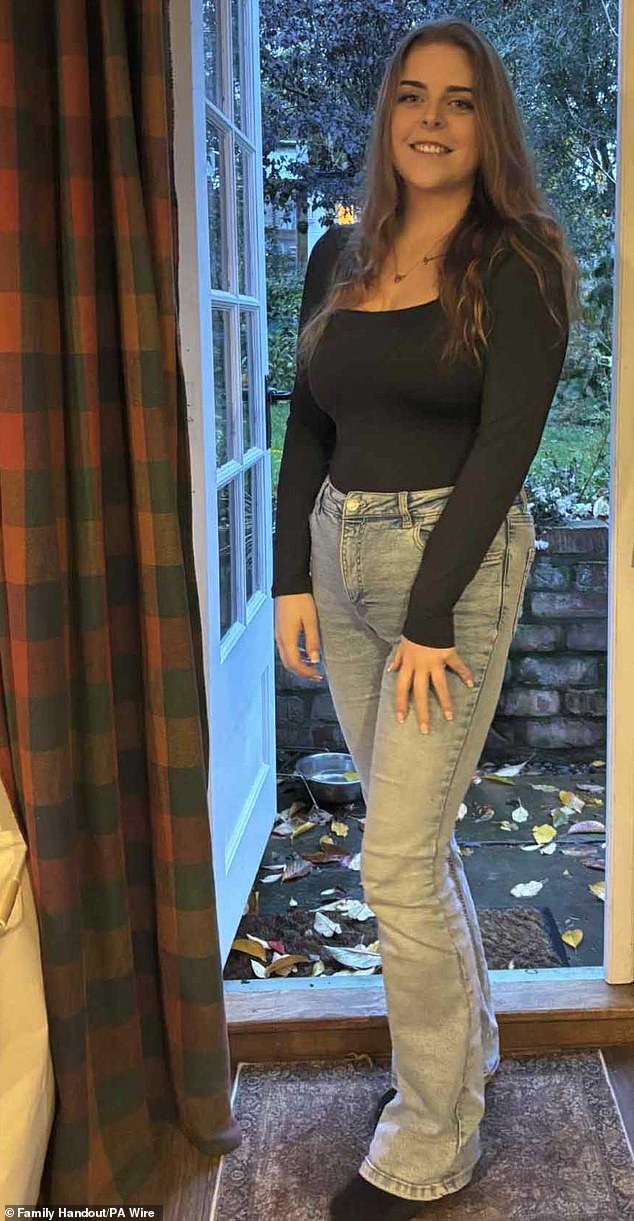
By this time, Milli already suspected she had cancer. “I knew deep down exactly what it was,” she said. “I’d done my own research. It was frustrating. I felt like I was going crazy.”
In November 2023, after the urgent colonoscopy, Milli was diagnosed with Stage 3 bowel cancer. The disease had already spread to her lymph nodes. As a result, she had to undergo chemotherapy, radiotherapy, and surgery, and she now has a permanent stoma. Additionally, she had her eggs collected due to the risk of infertility caused by her treatment.
Milli’s experience has left her perimenopausal, but recent scans have shown no signs of cancer. Despite this, she continues to advocate for awareness about the risks of cancer among young people.
“I had always been maternal, so it was heartbreaking to learn I might be infertile,” she said. “If it feels wrong, then keep going back until you find what is wrong.”
The Broader Implications of Milli’s Story
Milli’s story, while extreme, is not unique. According to Amy Harding, director of services and impact at the Teenage Cancer Trust, many young people face similar challenges in getting a timely cancer diagnosis. “We know from recent evidence and through the young people that we support, that far too often the path to a cancer diagnosis is challenging, traumatic, and too long for young people who face delays to diagnosis,” she said.
The National Cancer Plan for England has the potential to bring about important changes, but it must include targeted measures to help primary care professionals recognize the signs of cancer in young people. While cancer is rare in this group, it should never be dismissed simply because of a patient’s age.
According to Cancer Research UK, the rates of bowel cancer in teenagers and young people up to the age of 24 have increased by 74% since the early 1990s. This trend raises concerns about the growing health crisis among under-50s.
Milli’s story serves as a powerful reminder of the importance of listening to one’s body and advocating for proper medical care. Her experience underscores the need for greater awareness and better diagnostic practices, especially for younger patients who may be overlooked due to their age.