As a parent of two primary school-age children, there are few things more terrifying than technology.
Though I pride myself in having a pretty good grasp of social media, apps and tablets, it’s impossible to understand everything that’s out there – and, chances are, my sons will know about it before I do.
This week, a “ban” on social media for under-16s has come into force in Australia, but there is no sign of any such legislation here. So for now, looming on the horizon – as it does for every parent these days – is the controversial question: at what age is it appropriate to get my child a smartphone?
Mine have known their way around my iPhone for years. Their ability to swipe, find their favourite emojis, and take endless inane selfies is truly remarkable, and worryingly intuitive.
According to research by Ofcom, a quarter of British five- to seven-year-olds now have their own phones. The average age for a child to get a smartphone in this country is nine, meaning primary schools are now rife with the devices, loaded with chatrooms, games, and messaging apps.
So even if, like me, you might not dream of letting your child loose on technology until they’re in their teens, peer pressure – from both their classmates and other parents – has never been greater.
But the fact that smartphones are everywhere doesn’t make them safe, warns Jennifer Powers, founder of the Unplugged Coalition and a speaker with the campaign group Papaya (Parents Against Phone Addiction in Young Adults).
“We know from scientific studies that the later a child receives their first smartphone, the greater chance they will grow up to be a happy, healthy adult,” she explains.
“Children who have smartphones are twice as likely to suffer from anxiety and to become clinically depressed, and giving them access to screens from a young age can impact their development, their social skills, and their ability to play in groups.

“We need to engage with parents of young children so they’re fully aware of the risks, and persuade them to delay giving their child a device of their own for as long as possible.”
One way of doing this, and perhaps placating an older child who’s put a smartphone at the top of their Christmas list, is considering a “dumb phone”.
Also known as brick phones or feature phones, these devices hark back to simpler times – think clunky buttons, basic functionality and a screen incapable of doing anything other than playing Snake; the sort of phone I grew up with in the early Noughties. But the market for dumb phones is booming, with all sorts of stripped back handsets now available, that look cool but keep children and teens off social media.
As well as young teenagers, they are becoming popular among adults, as more and more of us seek to switch off.
So what are the pros and cons of the many different models out there – and which dumb phone may be best for your child? With Powers’ expertise, we round up the options.
www.papayatalks.com
Basic phones for under-14s
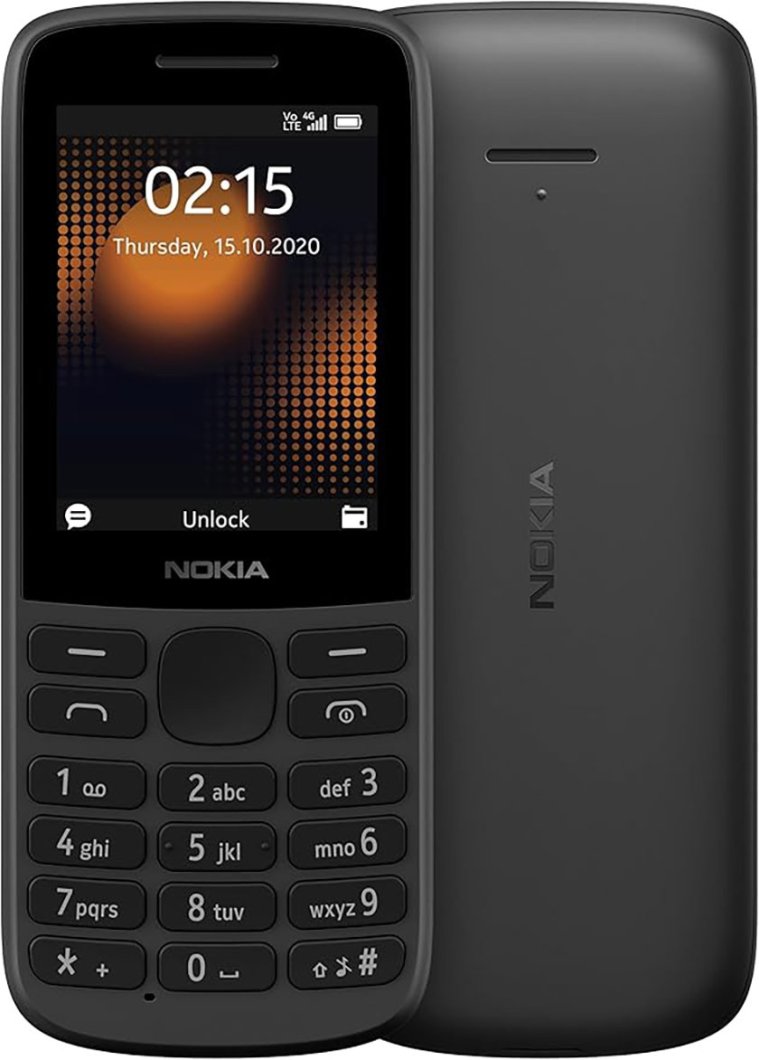
Nokia 215 (from £59.50, Amazon)
An old-school mobile phone similar to those many parents had as teenagers, this Nokia model has a simple, retro design and small LCD display. “A lot of parents look at old-fashioned brick phones like this, or the Nokia flip phone, when their child starts secondary school,” says Powers. It can play music, has Bluetooth connectivity, and you can even play the classic game Snake.
Pros: Long battery life, meaning they won’t get caught short. There’s no touch screen and no social media apps, so the risk of addiction is lower.
Cons: “It’s a very basic device. If you’re concerned about where your child is, there’s no GPS functionality,” Powers says. “It also has 4G internet access – something I didn’t realise when I bought my son a Nokia a couple of years ago. There’s no TikTok or Instagram, but they can log on and browse whatever they want.
“If parents don’t want their children to have unsupervised access, they need to do a SIM swap and get a no-data SIM [available from £4 a month].”
The Phone (from £88)
This French model is essentially a fake smartphone: it has a touch screen, but only allows users to use it to make calls and send texts.
Sturdy and durable, it’s designed for children and has no internet whatsoever.
Pros: Ideal for pre-teens who want to look like they’ve got a smartphone, it ticks the box without any risk of them becoming hooked on a screen.
Cons: There’s no GPS, camera or music functionality. “If these are important to a parent, it may not be the right option,” says Powers. You’ll also have to order it from France.
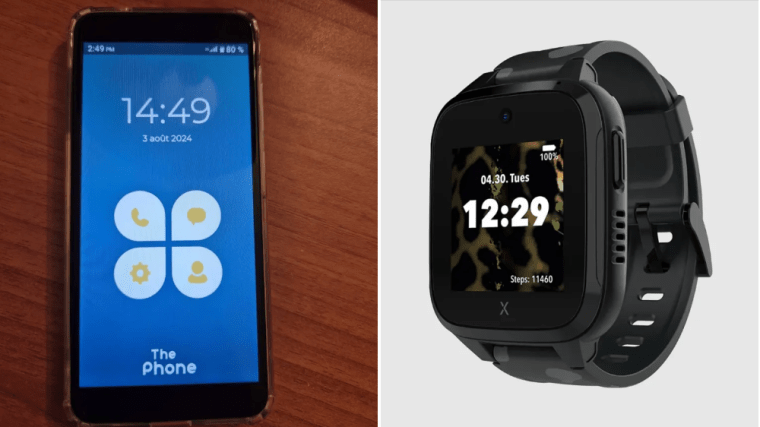
Xplora XG03 Kids Smart Watch (from £69)
“Smartwatches are a good middle ground for kids who want their own smartphone,” says Powers.
This model, by a Norwegian company, has been around for several years and is increasingly popular in the UK. Other options include models by imoo (a Chinese company) and Garmin.
Pros: Users can call and text, without the traditional touch screen, and there’s also GPS so parents can track their child when they’re out of the house. “It provides that safe experience as there’s no access to the internet,” says Powers.
Cons: Not all children may want to wear a watch on their wrist – but they can always keep it in their pocket or on their bag.
Karri Messenger (from £29.99)
A screen-free walkie-talkie, this device is like a phone – but different.
Users can send messages to one another, and parents can link to the chat by downloading an app on their phone. The prototype has been around for a while and it officially launches at Christmas.
Pros: “It’s not addictive as there’s no screen and no internet,” says Powers. “The price point makes it much more accessible than a smartphone.”
It also boasts GPS, making it a cost-effective way of keeping tabs on your kids.
Cons: There is a monthly fee, on top of the price, which ranges between £4.99 and £7.99 per month.
The brightly-coloured design and basic functionality may not appeal to older teens; it was initially conceived for primary schoolchildren.
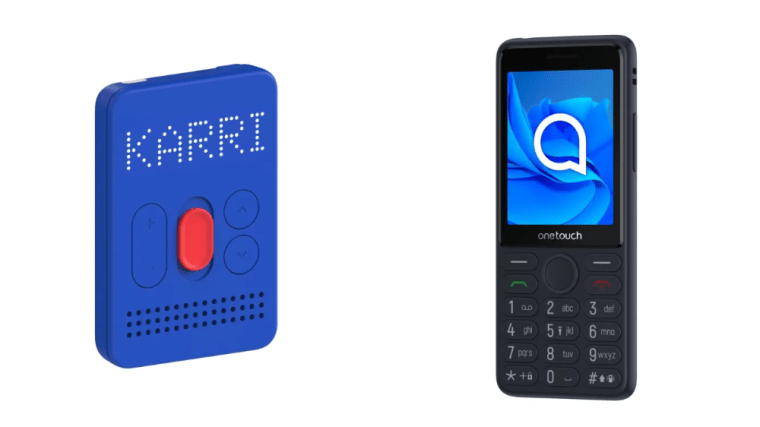
TCL 40225 Feature Phone (from £27.99)
Similar to a Nokia, this Chinese model is available from Argos and has a long battery life, large buttons, and small LCD display.
Pros: “It’s inexpensive, so will appeal to parents on a budget,” says Powers.
There’s no internet, so you don’t have to worry about unsupervised browsing, and it boasts GPS. It’s also got a dedicated SOS button, meaning users can make an emergency call to loved ones with as little as 1 per cent battery.
Cons: Targeted at the elderly, rather than young teens, it lacks many of the mod-cons and design features of newer devices.
Basic phones for teens aged 14+
Balance Phone (£273)
Part of a new category of phone, somewhere between a simple brick phone and a fully-functional smartphone, this Samsung-powered device is a stylish choice.
It’s targeted at teens and “digital minimalists”, and boasts a sleek touch screen with a simple black-and-white list rather than colourful icons.
Pros: Social media, streaming platforms, games, gambling and porn apps are all blocked. Instead, it allows only the essentials: texting, calls, travel, maps, online banking, weather, your calendar and contacts.
Cons: The price. “Not every family will be able to afford one,” says Powers. “While it’s very minimalist in terms of the interface, it does have WhatsApp and this is a form of social media – so some parents may not want it.”
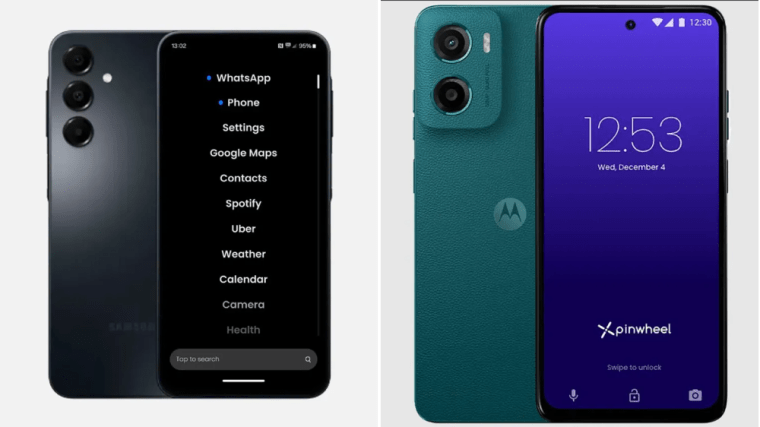
Pinwheel Phone (from £99)
This modern-looking phone from Motorola is another parent-controlled device, which allows you to monitor calls and texts, limit access to apps and manage screen time.
Pros: One of the cheapest in this category, the app is an affordable option for parents of teens. It bans social media and “adult” apps (as defined by its own rating system) entirely, and only allows children to download apps you have approved.
You can read their texts remotely and set a schedule so the phone is off during school hours and after bedtime.
Cons: Some older teenagers may resent the power this device gives to parents, and consequent limits to their independence. Parents can even remotely add “to-do” lists to their child’s phone – which may not go down well.
HMD Fusion X1 (from £199)
From HMD, a Finnish company founded by former Nokia executives, this device comes with no internet and no social media by default – and allows parents to add apps as their child develops.
Parents need to download a paired “Guardian Service” app, which costs £4.99 a month and puts them in remote charge of their child’s device.
Pros: It’s not just apps that are within parents’ control; you can also limit calls and texts to trusted contacts. The GPS function is sophisticated – you can set up to 10 “safe zones” and get an alert when your child enters or leaves.
Cons: “You have to withstand the pester power of your child wanting you to turn on TikTok or WhatsApp,” says Powers. “If their friends have them, your child will want them, too – and that can be hard to resist.”
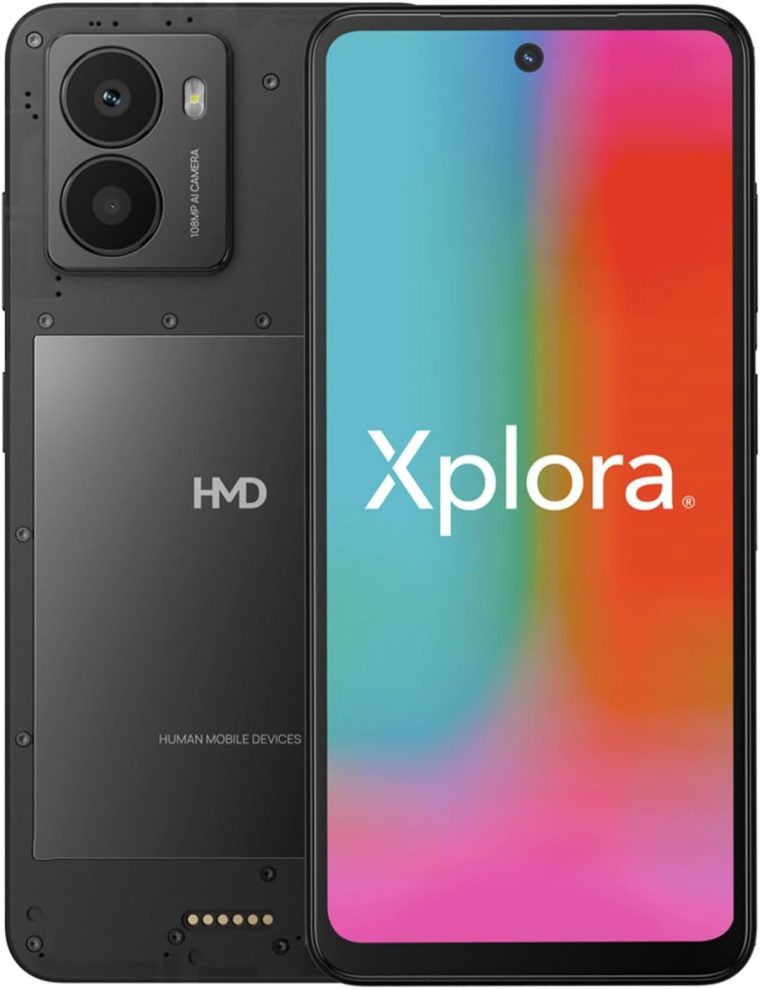
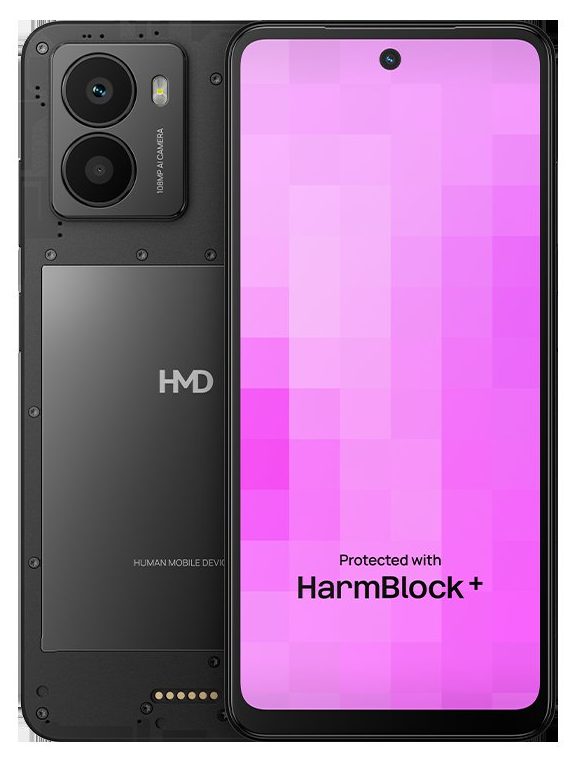
HMD Fuse (£599)
This pricey device comes out of the box like a brick – with no social media or access to apps. The idea is that parents can slowly add apps from the Google Play Store, when – and only when – they feel their child is ready.
Pros: “It comes with HarmBlock, which is a fancy piece of AI tech that filters out naked imagery,” explains Powers. “Your child cannot send or receive any nude pictures, which is a really fantastic function.”
It’s also got top-of-the-range GPS and blocks calls or texts to and from all but an approved list of phone numbers.
Cons: The priciest option around – putting it in the same bracket as a regular smartphone (and out of reach for many parents).
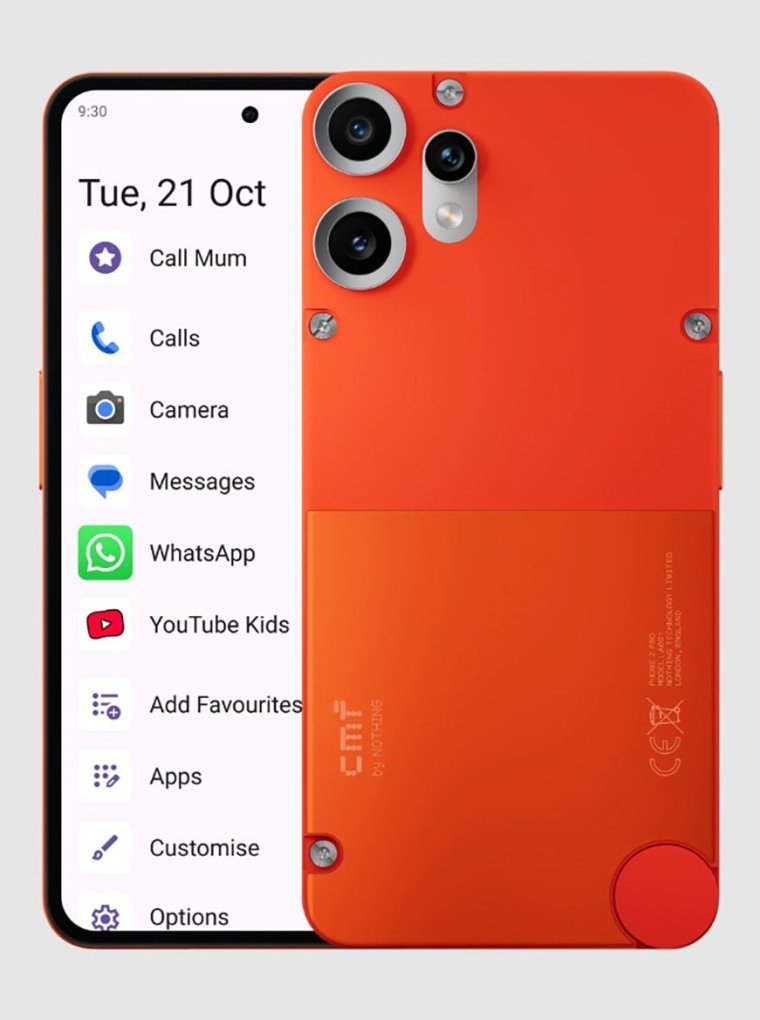
The Other Phone (from £249)
Dubbed a “safety-first smartphone”, this device, recently launched by Mumsnet, allows parents to control access to apps and even change the appearance of the screen – toggling between lists and icons – depending on the age of their child.
Actor Hugh Grant called it “the most important and essential new tool for parents this year”.
Pros: Inappropriate content is automatically blocked by software called “SafetyMode”, connected to a parent’s phone, which scans text and images on every app.
You can set a schedule during which your child can access different features on the phone.
Cons: At £249 – plus £5.99 a month for the parental app – it’s a pricey option. There were originally only 300 of the devices made, but more stock coming in mid January.