Nigeria’s Response to US Allegations of Christian Genocide
The Nigerian government has firmly rejected claims by the United States that there is a “Christian genocide” in the country, emphasizing that such allegations are based on flawed data and misinformation. The federal government has consistently maintained that religious persecution is not state-sponsored and that Nigeria remains a model of religious pluralism and democratic resilience.
Government Officials Deny Religious Persecution Claims
Minister of Foreign Affairs, Yusuf Tuggar, stated that no one should be deceived into believing that religious persecution is being sponsored by the state. He emphasized that Nigeria continues to serve as a prime example of religious diversity and democratic endurance. Tuggar also highlighted the importance of national security under President Bola Tinubu’s administration, which has adopted a comprehensive approach combining military strength, intelligence, diplomacy, and community engagement.
Tuggar further addressed the recent designation of Nigeria as a Country of Particular Concern (CPC) by the U.S., calling it fundamentally misinformed. He pointed out that Nigeria’s constitutional framework guarantees complete freedom of thought, conscience, and religion, with no state religion. The country’s judiciary has consistently demonstrated its independence, protecting freedom of expression and religion.
Keyamo Defends Tinubu’s Stance
Minister of Aviation and Aerospace Development, Festus Keyamo, who is also a Fellow of the Chartered Institute of Arbitrators of the United Kingdom, defended President Bola Tinubu, stating that although he is a Muslim, Tinubu is a known moderate. Keyamo noted that Tinubu’s wife is a pastor of one of the largest Pentecostal churches in Nigeria, and most of his children are practicing Christians. As governor of Lagos State, Tinubu regularly invited Christian pastors for prayers and worship sessions at the Government House, reinforcing his commitment to interfaith harmony.
Keyamo emphasized that the current administration has not sought to protect one set of adherents while ignoring others. He also pointed out that opposition leaders in Nigeria are united in their stance that there is no targeted killing of Christians in the country.
Idris Rebuttals Faulty Data Claims
Minister of Information and National Orientation, Mohammed Idris, reiterated the government’s position that the narrative suggesting Nigeria is failing to act against religious attacks is based on misinformation or faulty data. He highlighted that several leading personnel of the Nigerian Armed Forces and intelligence agencies are Christians, working alongside their Muslim colleagues in the fight against extremists and criminals.
Idris also mentioned the reduction in terror attacks across the country, citing the Global Terrorism Index report indicating that terrorist attacks were at their lowest in over a decade. He noted the significant efforts made by security agencies in curbing access to small arms and light weapons by non-state actors, including the recovery and destruction of over 5,000 military-grade rifles and the interception of over 20 gun-running networks.
Falana Accuses Trump of Lying
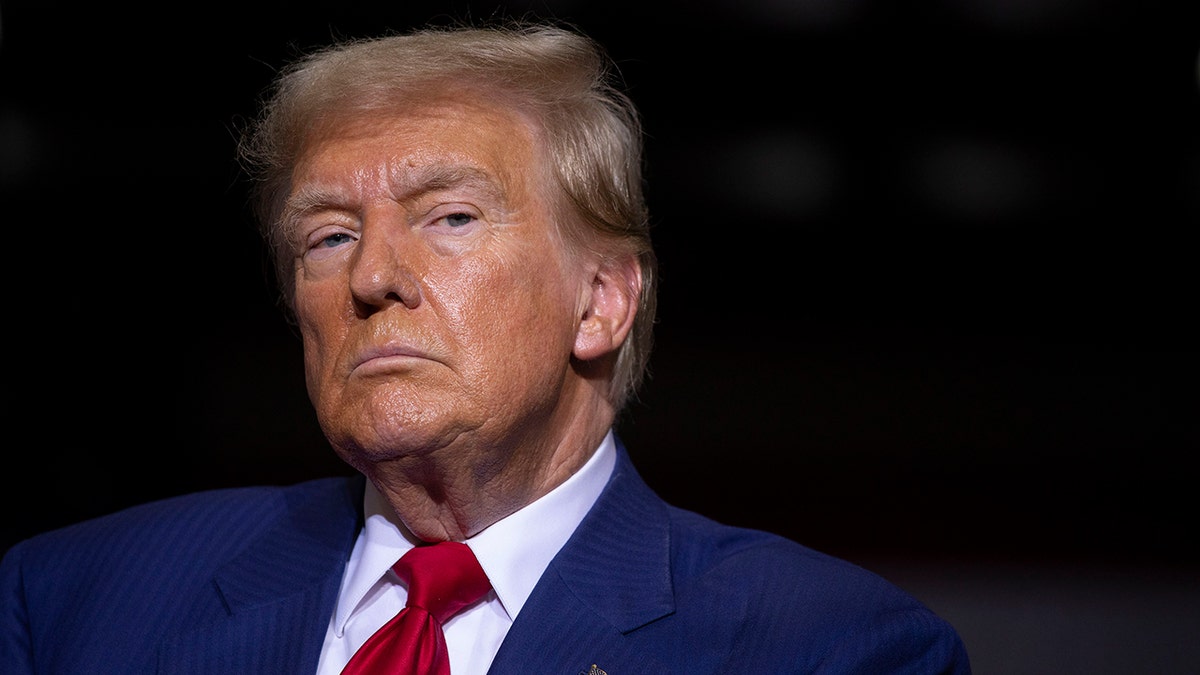
Human rights lawyer and Senior Advocate of Nigeria (SAN), Femi Falana, accused U.S. President Donald Trump of lying about the alleged killings of Christians in Nigeria. Falana described Trump’s comments as a baseless and divisive narrative that misrepresents Nigeria’s security crisis as a religious war. He stressed that the killings across the country are largely driven by criminality, banditry, and ransom-seeking, not by faith.
Falana criticized both the U.S. president’s remarks and the Nigerian government’s failure to address the worsening insecurity. He pointed out that Trump’s portrayal of Nigeria as a country where Christians are being systematically exterminated ignores the reality on the ground, where killers, terrorists, bandits, kidnappers, and armed robbers do not care about anyone’s religion.
CD Warns Against Gumi’s Remarks
The Campaign for Democracy (CD) raised concerns over the reckless comments made by Kaduna-based Islamic cleric, Sheikh Ahmad Gumi, warning that his remarks could threaten Nigeria’s national security and strain diplomatic ties with the U.S. The group described Gumi’s statements as irresponsible, divisive, and capable of inciting violence and extremism. They urged the government to take decisive steps to prevent further incitement and safeguard the country’s interests.
Conclusion
Nigeria’s response to the U.S. allegations of a Christian genocide underscores the government’s firm stance against misinformation and its commitment to maintaining religious pluralism and democratic values. While the country faces significant security challenges, officials emphasize that these issues are primarily driven by criminality rather than religious persecution. The ongoing dialogue between Nigeria and the U.S. highlights the complexities of international relations and the need for accurate information and mutual respect.

Related posts:

Fiction park: He was the best in class. He still wasn’t good enough

Gagan Thapa takes oath as Congress president, vows to regain public trust

Inside knowledge that has locals gripped by fear after gran’s body found decomposing in cattle dip

New property purchase disclosure rule in Japan sparks fears it may curb foreign investment

Dino-mite treasures: inside Singapore’s Fort Knox storing playthings of ultra-rich