Escalating Attacks on Ukraine’s Energy Infrastructure
As winter approaches, Russia continues to intensify its attacks on Ukraine’s gas infrastructure. These relentless strikes are making it increasingly difficult for Ukraine to ensure that homes remain warm during the cold season.
Russia has been launching daily attacks on Ukraine’s energy infrastructure, with recent incidents causing significant disruptions. On Tuesday night, Russian bombs targeted the city of Kharkiv, leading to power outages in three districts. Similarly, on October 10, attacks simultaneously damaged electricity and gas infrastructure across several Ukrainian regions.
Over the past few years, Russia has launched large-scale attacks on Ukraine’s electricity grid, but these have not yet resulted in major power outages. However, experts suggest that this fall, as temperatures drop, Russia is now focusing on Ukraine’s gas supply and pipeline network. The upcoming winter could be one of the most challenging since the full-scale invasion began in 2022.
Central Heating Systems and Regional Variations
Central heating systems have already been activated in several regions of Ukraine, including Rivne, Lviv, Khmelnytskyi, and Kyiv. However, so far, only communal facilities are receiving heat. In Kherson, many households with their own boilers started using them on October 1, while in the Kharkiv region, heaters will not be turned on until early November.
In some cities within the Kharkiv region, such as Kupyansk, there will be no district heating due to targeted Russian attacks on energy facilities. Oleh Syniehubov, head of the regional military administration, confirmed this situation on Ukrainian radio.
Gas Facilities Under Fire
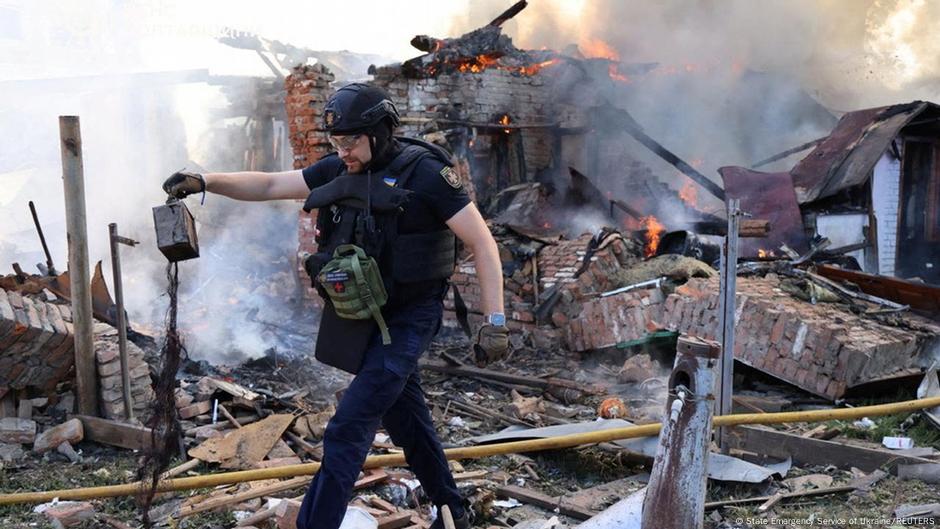
Russian attacks have severely impacted Ukraine’s gas production facilities. According to reports from Bloomberg, more than half of Ukraine’s gas production facilities have been paralyzed. On the night of October 3, Russian strikes on the Kharkiv and Poltava regions included 35 missiles and 60 drones, which were among the most devastating attacks ever recorded.
Sergii Koretskyi, CEO of Ukraine’s state-owned oil and gas company Naftogaz, described the attacks as “terrorism directed against civilian facilities that produce and process gas needed in people’s daily lives.” He emphasized that these attacks make no military sense and are aimed at disrupting the heating season and preventing Ukrainian households from staying warm.
Koretskyi noted that a significant portion of Ukraine’s facilities has been damaged, with some damage being “critical.”
Russia’s Strategy to Disrupt Gas Production
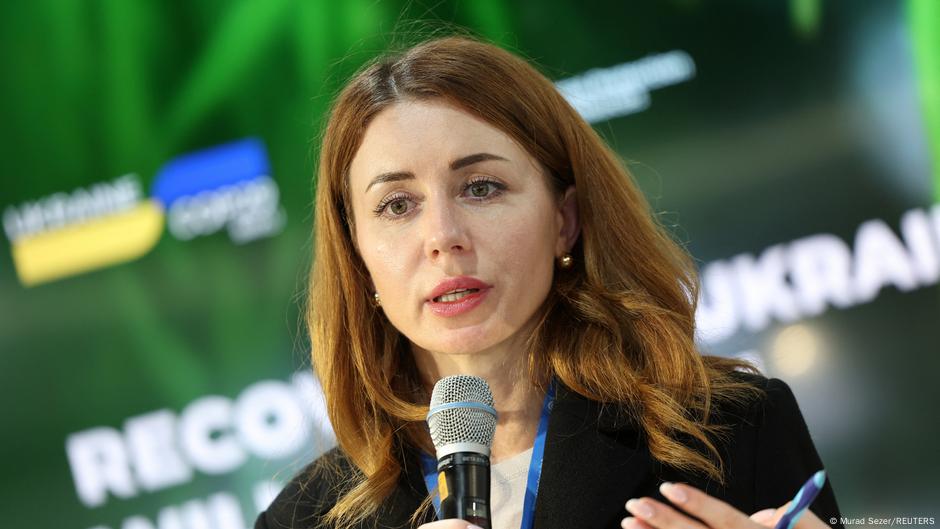
Experts believe that Russia aims to cut off Ukraine from its gas supplies. Volodymyr Omelchenko, an energy expert at the Razumkov think tank in Kyiv, told PasarModern.com that Ukraine must now purchase more emergency equipment because the enemy is attacking both gas supply and distribution networks.
In September, Koretskyi stated that Russia had destroyed around 42% of daily gas production. Ukrainian President Volodymyr Zelenskyy also acknowledged the threat, saying, “Russia will do everything it can to prevent us from producing gas.”
Despite these challenges, Zelenskyy assured Ukrainians that they would not face higher gas prices this winter. “This winter, we will maintain a fixed gas price for private customers, there will be no price increases,” he said in a video address on October 7.
Can Ukraine Afford Additional Gas Imports?
Ukraine has nearly completed its initial plan to stockpile gas for the winter. However, recent attacks on its gas supply and transportation system have forced the government to revise its targets.
Energy Minister Svitlana Hrynchuk announced at a Kyiv briefing on October 7 that the government intends to increase its import capacity by another 30%, if possible. “Everything will depend on how well we manage to rebuild everything. The faster our facilities are repaired, the fewer imports we will need,” she said.
In August, Hrynchuk announced that Ukraine plans to stockpile 13.2 billion cubic meters of gas until the start of the heating season, with 4.6 billion cubic meters to be imported. However, researcher Omelchenko believes Ukraine will need to secure additional gas imports now that many of its gas production facilities have been destroyed.
Omelchenko estimates that even if Ukraine manages to pump 13.2 billion cubic meters of gas into underground silos by late October, as planned, it will still not be enough. He expects Ukraine to need an additional 2 billion cubic meters of gas.
“Increasing [gas] imports will require additional funds of up to $1 billion, which will have to be raised with the help of our partners,” he said.
Hrynchuk confirmed that Ukraine has the financial means to pay for its gas imports. The country has secured loans worth $500 million (€430 million) from the European Bank for Reconstruction and Development, as well as $300 million from the European Investment Bank for fuel purchases. Both loans are guaranteed by the European Commission.
Are Price Hikes Inevitable?
While Ukraine must eventually repay these loans, it has refused to increase gas prices for private households for years. Analysts, however, argue that without price hikes, energy suppliers may not be able to provide sufficient gas to Ukrainian households.
Svyatoslav Pavlyuk of the Association of Energy Efficient Cities of Ukraine told PasarModern.com that natural gas is purchased in Europe for 23,000 to 27,000 hryvnia (approx. €480 to €560) per thousand cubic meters. However, it is passed on to households for 7,900 hryvnia including VAT. This leaves a difference of 20,000 hryvnia that someone has to cover.
Pavlyuk explained that Ukraine previously mixed its cheaper domestic gas with more expensive imported gas, allowing it to manage. But with increased reliance on foreign gas, this strategy is no longer viable.
“Local authorities cannot use their funds to repair the supply network, improve energy efficiency or switch to alternative fuels such as biomass or heat pumps. Instead, they have to pay for gas price differences,” he said.
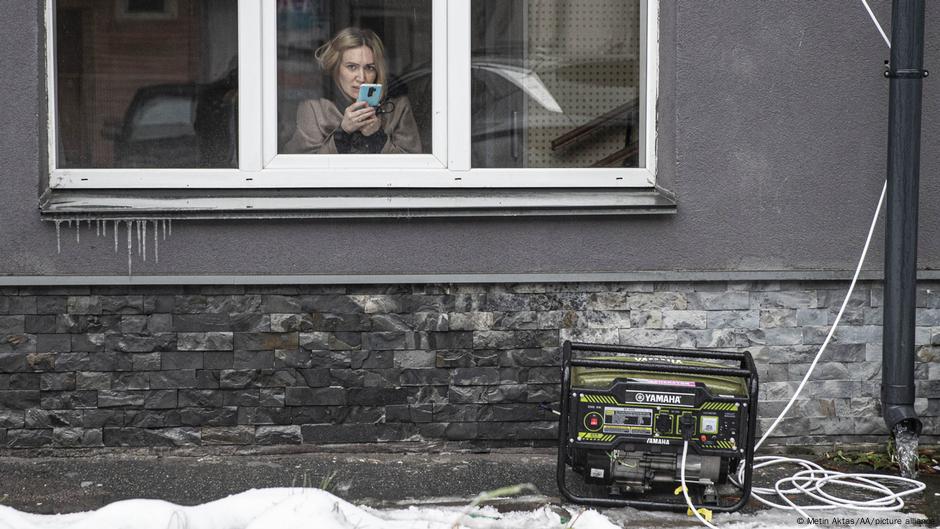
These circumstances may force authorities to cut costs, such as reducing the temperature of district heating. “Radiators won’t be as warm, you won’t freeze, but it will be colder than usual,” he said. “This is what our heating season will look like, though it will look different in different cities.”
Pavlyuk advised Ukrainians to prepare for possible power, gas, or heating cuts.


