The Rise and Fall of Dushan: A Cautionary Tale of Ambition and Debt
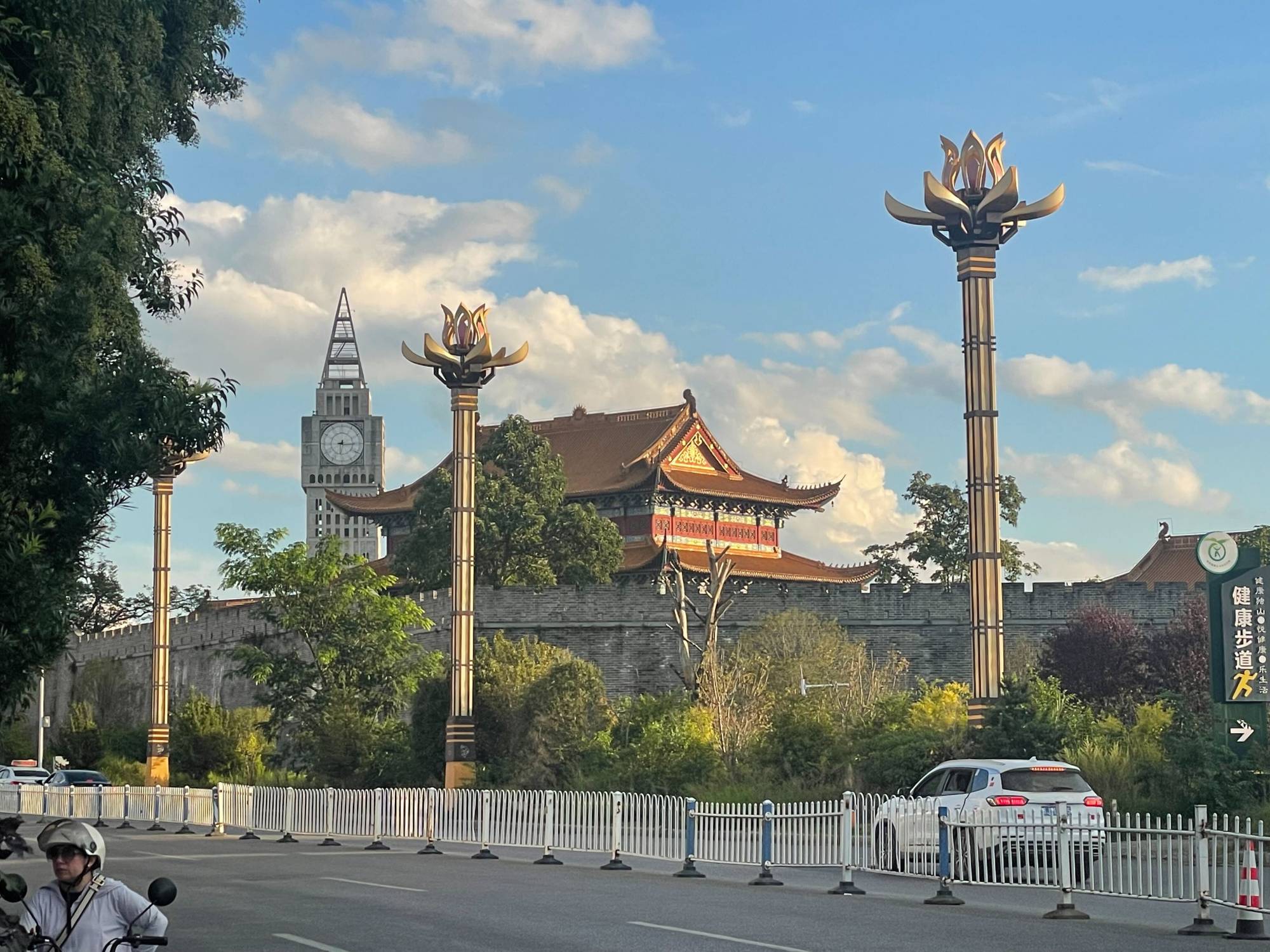
In the 2010s, a small town in China’s Guizhou province became the epicenter of a grand but ultimately failed experiment in urban development. Dushan, once an obscure mountain community, was transformed into a landscape of surreal architecture and abandoned projects, all built on a foundation of unsustainable debt.
The town’s story is emblematic of a broader trend across China, where local governments sought to accelerate economic growth through large-scale construction projects. These efforts often prioritized short-term visibility over long-term sustainability, leading to a legacy of empty buildings and financial ruin.
A Town Built on Dreams
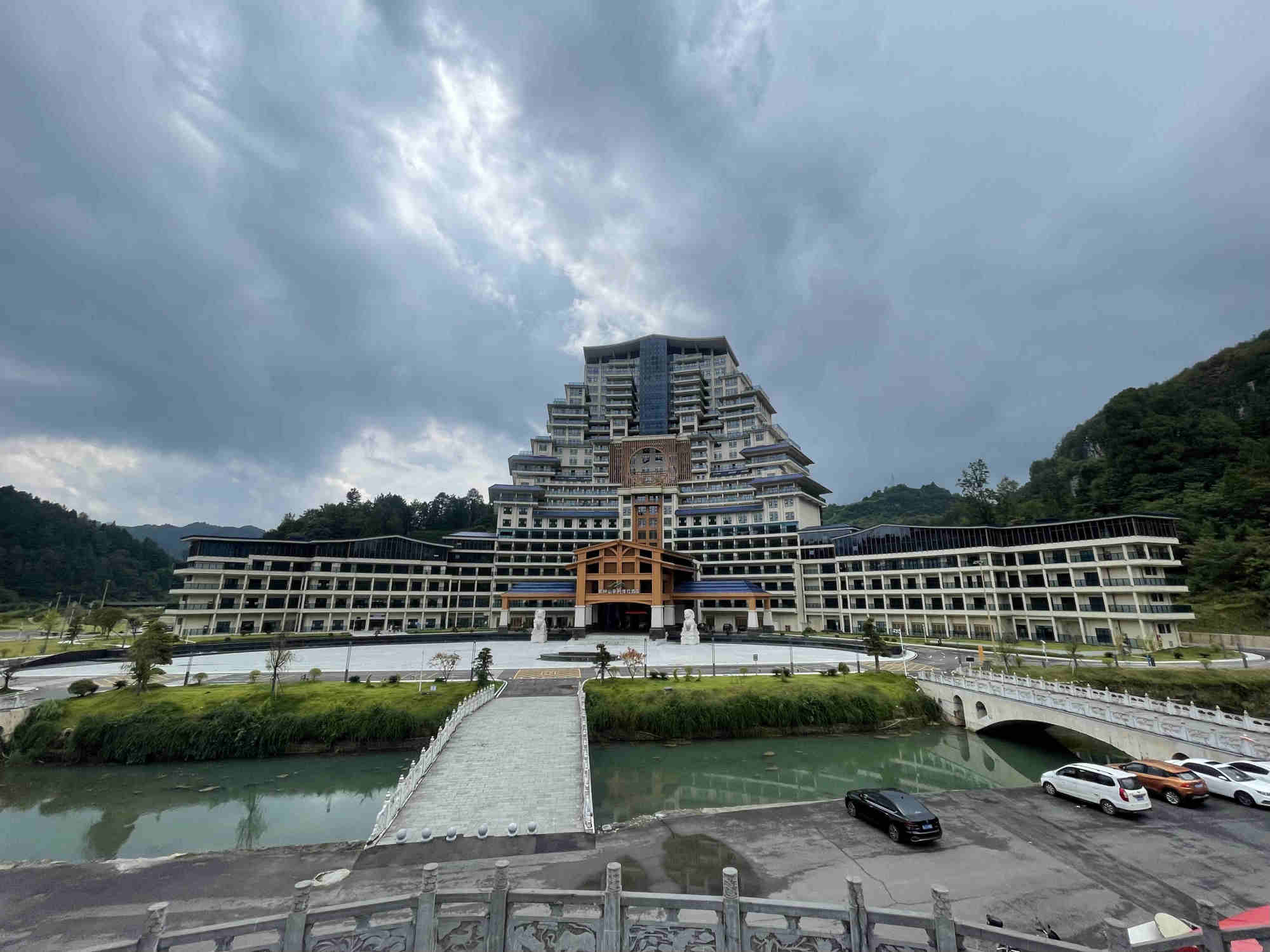
Dushan’s transformation began in the early 2010s when the county government launched an ambitious plan to turn the region into a cultural and tourism hub. Massive hotels, shopping malls, and even a sprawling university complex were constructed within just a few years. The goal was to attract visitors and create jobs, but the projects were largely disconnected from the realities of the local economy.
One of the most iconic structures built during this period was the Shuisi Tower, a wooden landmark designed to showcase the region’s cultural heritage. Standing nearly 100 meters tall, it was intended to be a symbol of Dushan’s progress. However, the project quickly spiraled out of control, with costs ballooning to over 250 million yuan. By 2020, the tower had become a shell of its former self, left unfinished and abandoned.
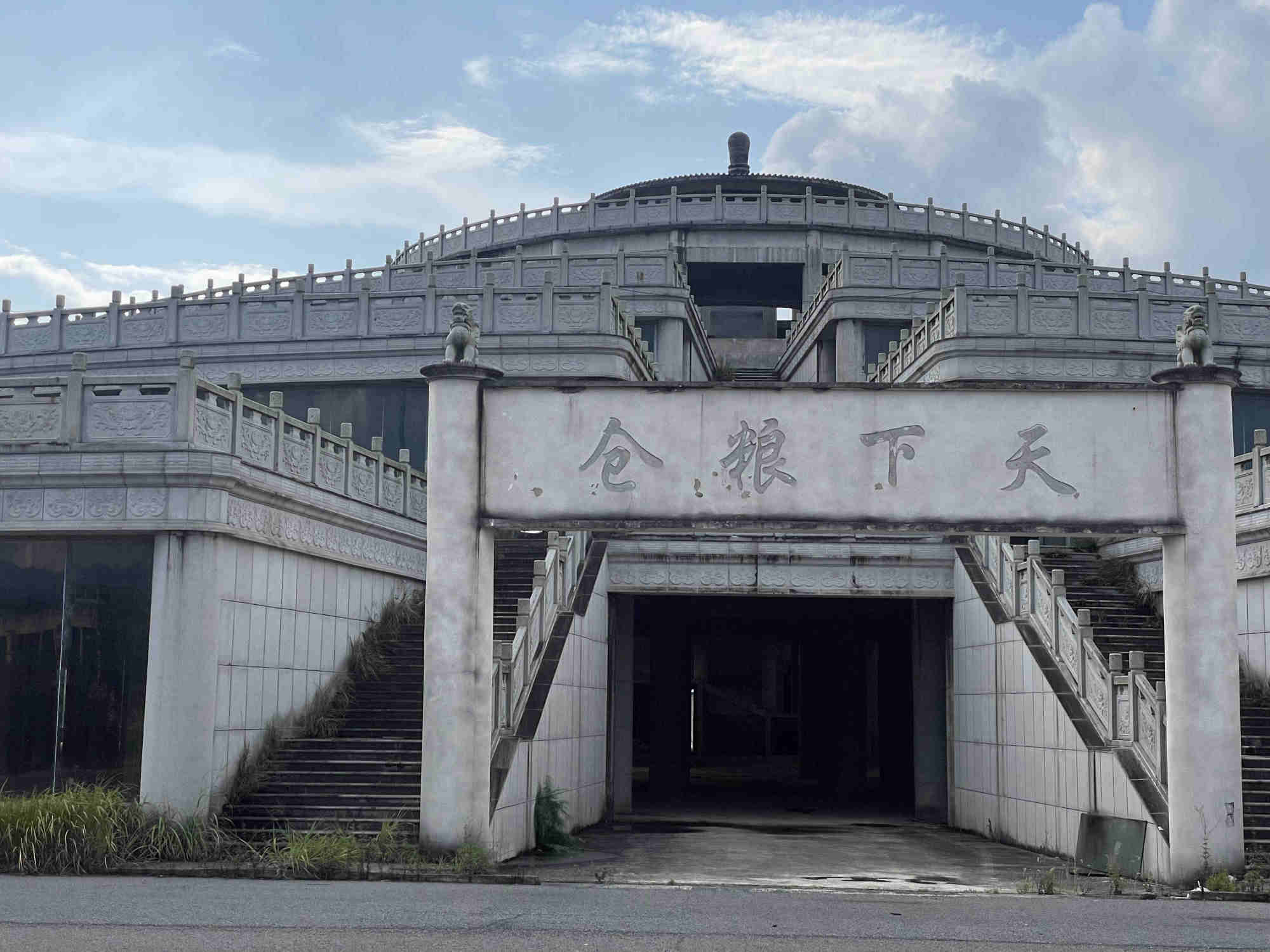
Other projects suffered similar fates. Pangu Manor, a commercial complex shaped like a giant altar, was built at a cost of over 5.6 billion yuan but now stands nearly deserted. Dushan University Town, originally planned to house 10 universities and 100,000 students, currently hosts only a handful of local schools.
The Cost of Ambition
The scale of Dushan’s ambitions far exceeded its capacity. Local officials, driven by the need to show rapid growth, pushed forward with projects that were not economically viable. This approach was common in many small towns across China, where leaders sought to boost GDP figures and secure political advancement.
The situation was exacerbated by a lack of oversight. In many cases, local party secretaries held unchecked power, allowing them to bypass standard procedures for project approval. One such leader was Pan Zhili, who arrived in Dushan in 2010 with a mandate to drive rapid development. His tenure saw the illegal occupation of nearly 1,900 hectares of land and the loss of over 1 billion yuan in state assets.
Pan’s authoritarian management style led to widespread corruption, with 26 officials later disciplined for violations related to land use. He was eventually sentenced to 12 years in prison for corruption and abuse of power.
The Aftermath
While the construction boom provided a temporary economic boost, the long-term consequences have been severe. Local residents recall a time when business thrived, with taxi drivers earning up to 2,000 yuan per day. Today, income levels remain low, and many businesses have closed.
The county still grapples with its debt burden, which exceeds 20 billion yuan. Streets remain unlit due to unpaid bills, and some roads are officially unopened despite being completed. The town’s infrastructure reflects the lingering effects of its past missteps.
A New Path Forward
Despite the challenges, Dushan is trying to move forward. Recent efforts have seen the Shuisi Tower renovated and reopened as a hotel, while local tourism has shown signs of recovery. Last year, the county welcomed over 6 million visitors, a 25.5% increase from the previous year.
Experts believe that Dushan’s future lies in leveraging its cultural and natural resources rather than pursuing grandiose projects. Chen Naijia, a researcher at Anbound, argues that the town’s true value lies in its authentic traditions and vibrant local life.
Lessons for the Future
China’s central government has recognized the dangers of reckless investment and is shifting toward a more sustainable model of development. Recent policy changes emphasize quality over speed, with stricter regulations on “vanity projects” that prioritize appearance over practicality.
For Dushan, the path forward requires a return to fundamentals—slowing down the pace of development and focusing on long-term stability. As one local professor noted, “We can’t rely on the old model of high input and low output.”