Phu Quoc: A Test Case for Vietnam’s Ambitious Development Model
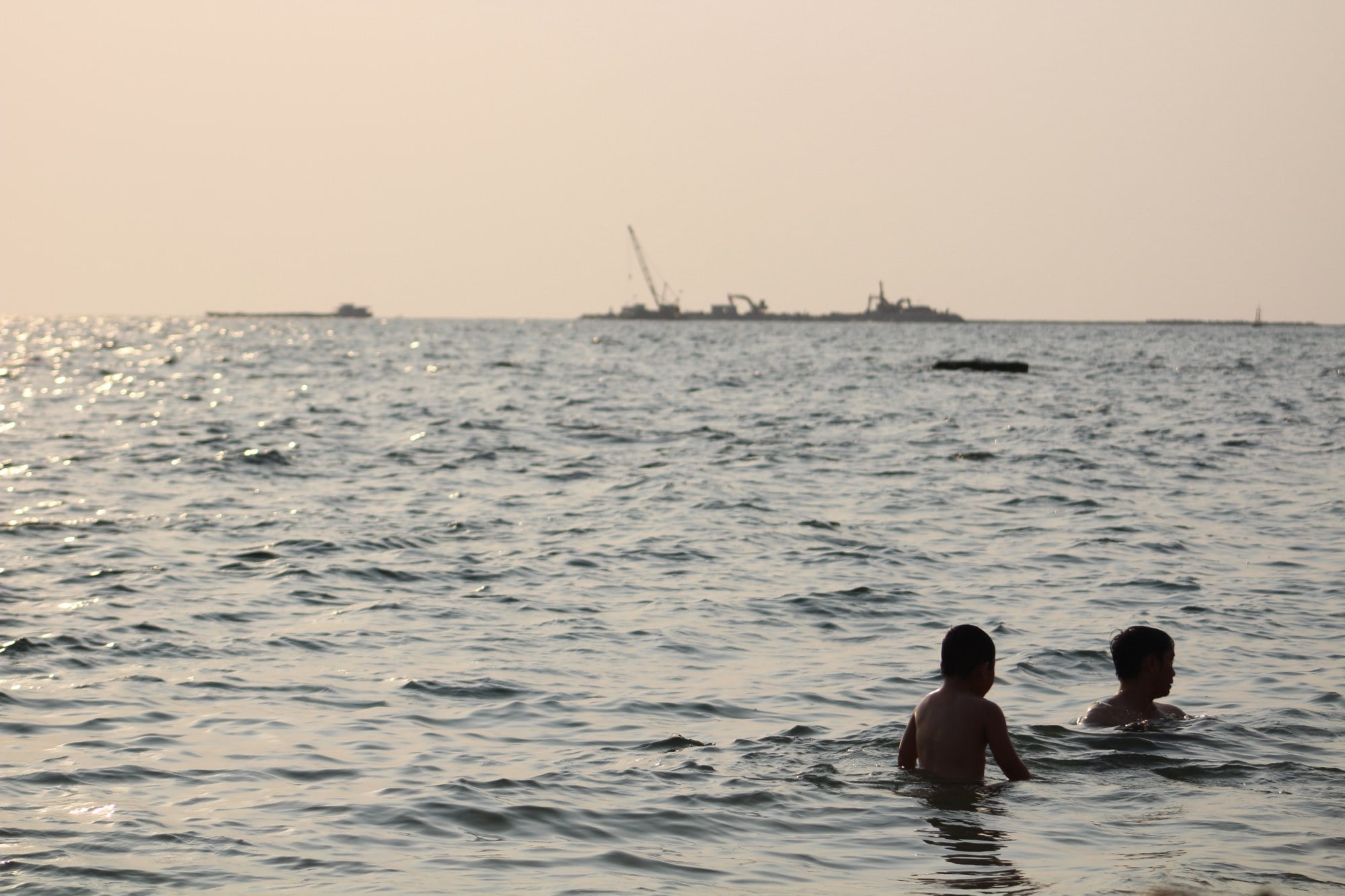
As the 2027 APEC summit approaches, Vietnam is betting heavily on transforming Phu Quoc, its largest island, into a premier conference and exhibition hub in Southeast Asia. The ambitious plan involves a $5.2 billion investment, including an airport overhaul, a light-rail line, luxury hotel clusters, and a new sewerage system. Much of this funding comes from one of Vietnam’s largest conglomerates, Sun Group, which is receiving land, operating concessions, and the prestige of building national landmarks in return.
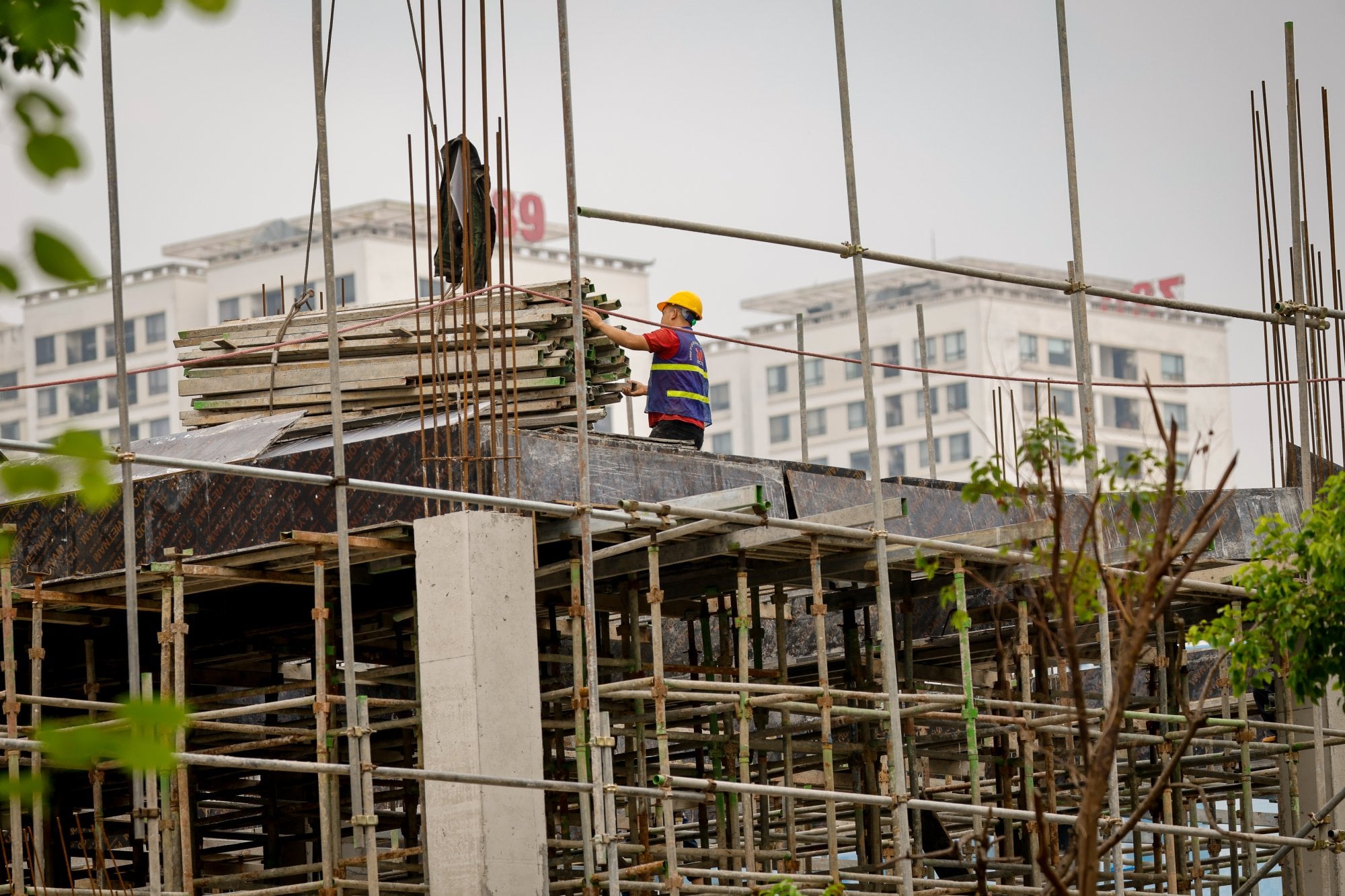
However, with just 18 months to go, the island is already facing significant challenges. Construction sites are struggling with a shortage of workers, building materials, and diesel. The 18km boulevard meant to connect the airport to the summit complex remains unfinished, and no new hotel rooms have been constructed yet.
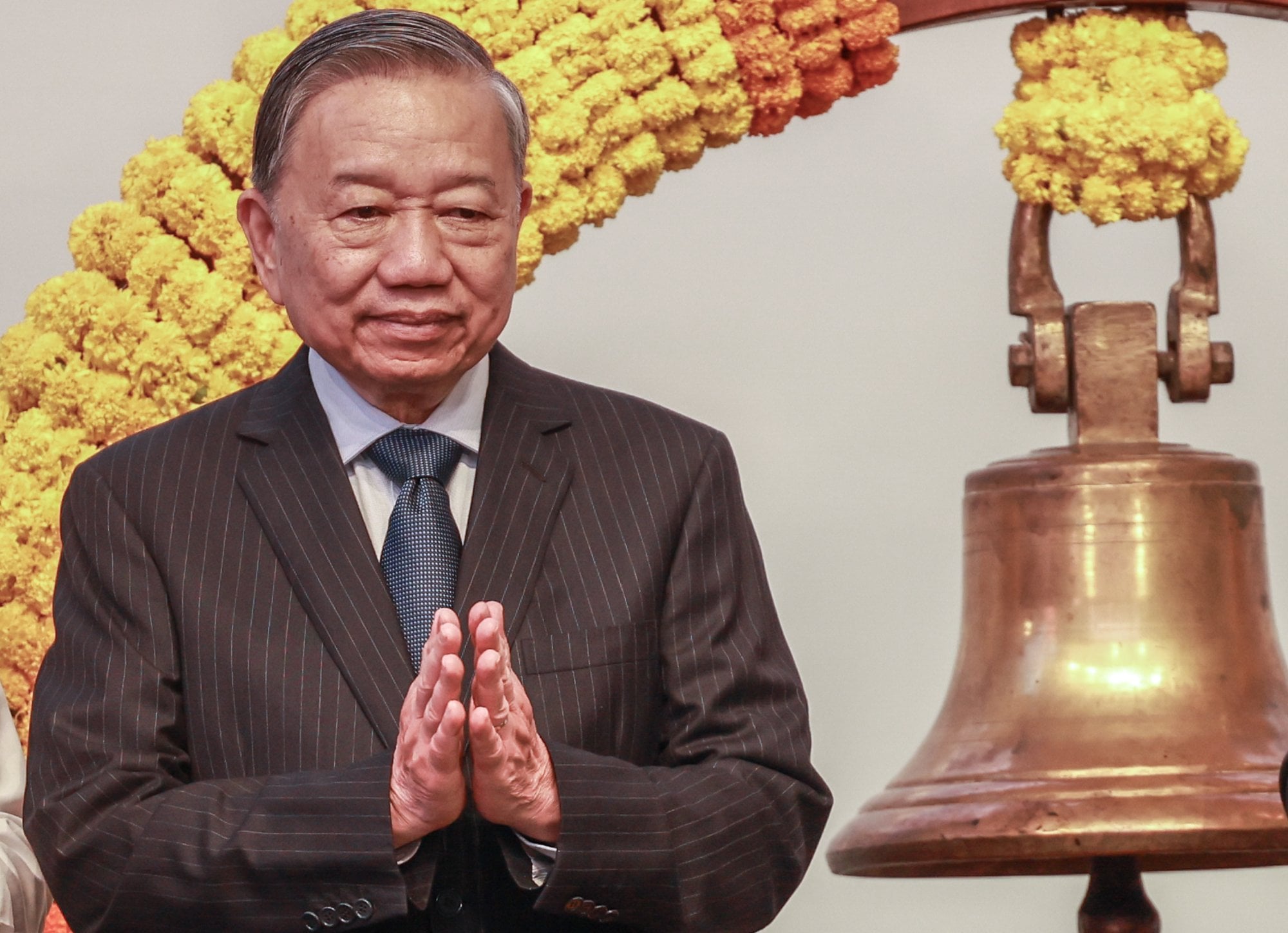
These issues are partly due to the broader energy crisis triggered by the closure of the Strait of Hormuz amid the Iran war. However, they also highlight the risks of Vietnam’s development model, which relies heavily on private conglomerates to finance megaprojects. This approach, championed by President To Lam, aims to accelerate growth by leveraging private sector resources.
The Rise of Private Sector-Driven Growth
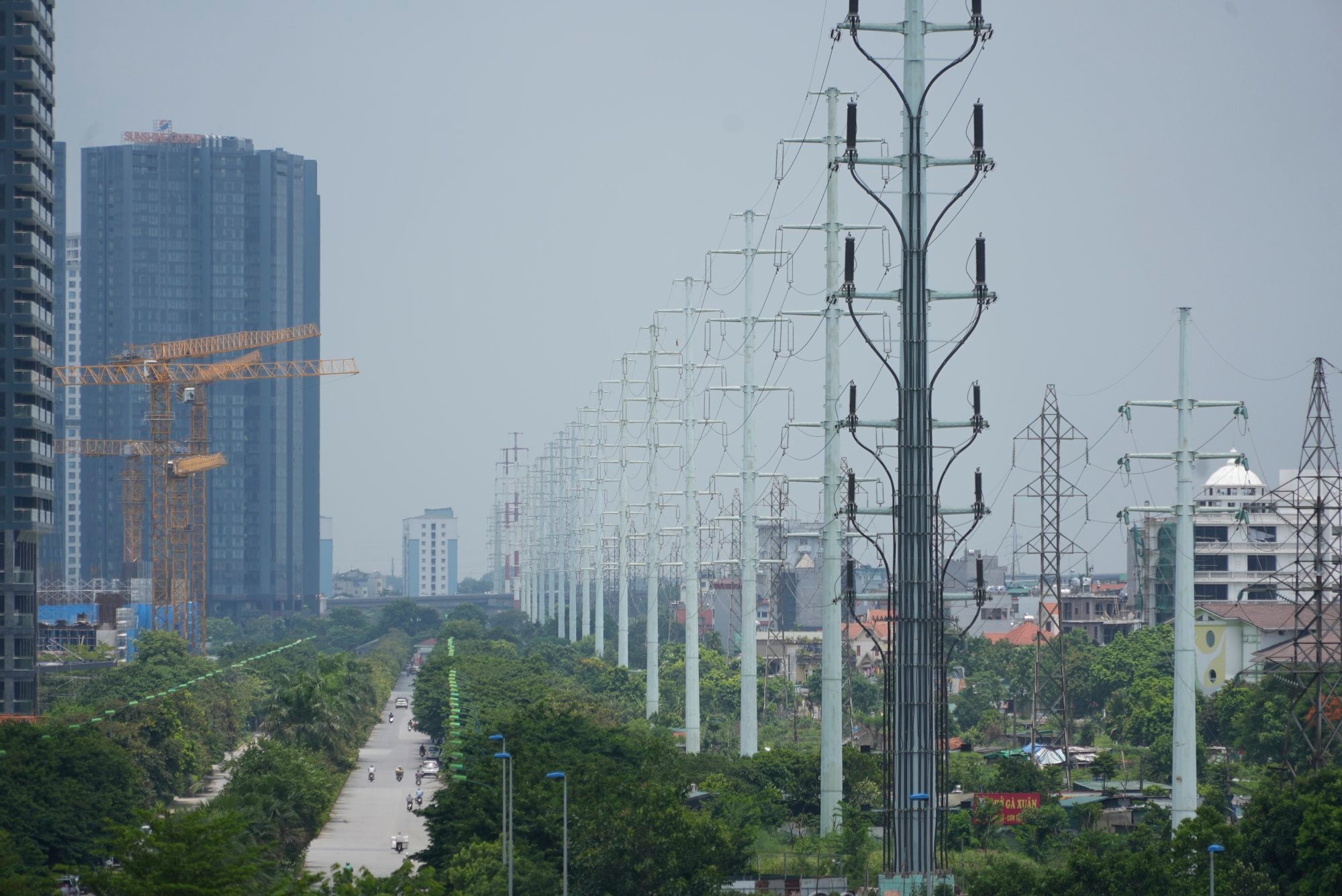
Last year alone, Vietnam launched or broke ground on 564 key infrastructure projects, totaling over $195.5 billion. The government has also approved several privately funded megaprojects, including a $35.2 billion VinGroup development near Hanoi and a $67 billion north-south high-speed railway. These projects reflect a broader strategy to create globally competitive “national champions” by 2030, inspired by South Korea’s chaebol model.
In Phu Quoc, Sun Group is at the forefront of this transformation. The conglomerate is funding the new airport terminal, the first light-rail line, and the APEC convention center, which features an 11,050 square meter column-free ballroom. Two hotel clusters are also planned, offering more than 12,000 rooms. Of the $5.2 billion allocated, Sun Group and the private sector contribute $4.4 billion, while the state funds only $760 million for core projects like roads and freshwater reservoirs.
Challenges and Risks
While leveraging the private sector can accelerate infrastructure development and reduce the immediate burden on the state budget, it also carries risks. According to Nguyen Khac Giang, a researcher at the ISEAS-Yusof Ishak Institute, without strong regulatory mechanisms, Vietnam risks compromising social equity and accountability.
The construction sector faces severe labor shortages, with many workers preferring opportunities on the mainland, where wages are higher and proximity to home is an advantage. Government infrastructure spending increased nearly 40% last year, but construction activity grew only 9%, indicating an inability to absorb the surge in spending.
Materials are another pressing issue. Gravel and crushed stone supplies meet only a third of the project’s needs, and rising diesel prices due to regional conflicts have left reserves at record lows. Land acquisition is also contentious, with compensation disputes delaying progress on key projects.
The Build-Transfer Dilemma
A major challenge lies in the use of build-transfer contracts, which were effectively banned in 2020 after corruption investigations. However, these contracts are now being revived to support growth ambitions. In Phu Quoc, authorities are proposing to hand over reclaimed sea land as payment for the convention center, pushing the model to its limits.
Economic Growth and Credit Risks
Vietnam aims for 10% annual economic growth over the next five years, a target that raises concerns about credit levels. The country’s credit-to-GDP ratio stands at 145%, nearly triple the median for other Fitch BB-rated economies. While some experts argue that this figure is misleading due to underdeveloped capital markets, others warn of systemic risks.
VinaCapital’s Michael Kokalari believes the conglomerate-driven model could be effective in overcoming bureaucratic inertia. He argues that focusing on large-scale projects could stimulate broader economic activity.
Lessons from the Past
Vietnam last hosted an Apec summit in 2017 in Da Nang, where infrastructure built for the event became a long-term economic asset. Marco Foerster of Ascentium suggests that Vietnam must learn to construct megaprojects at “Chinese speed” to sustain its manufacturing expansion and GDP growth ambitions. Phu Quoc is a critical test of this capability.
Conclusion
Phu Quoc’s challenges underscore the complexities of Vietnam’s development model. While the reliance on private sector investment offers potential for rapid growth, it also presents significant risks. Balancing speed with sustainability will be crucial for the success of the 2027 APEC summit and Vietnam’s broader economic goals.

Related posts:
From Madina Old Road to the marketing boardroom: This is Dinah Asabea Darko

My 33-Year Battle with Idumota Marketers: The Unfiltered Journey of Queen Oluwa

What Governments Must Do Before Transitioning to the 12-Year Compulsory Education Model – Analysts


Beyond the Bill: Can Nigeria’s States Forge Effective Police Forces?