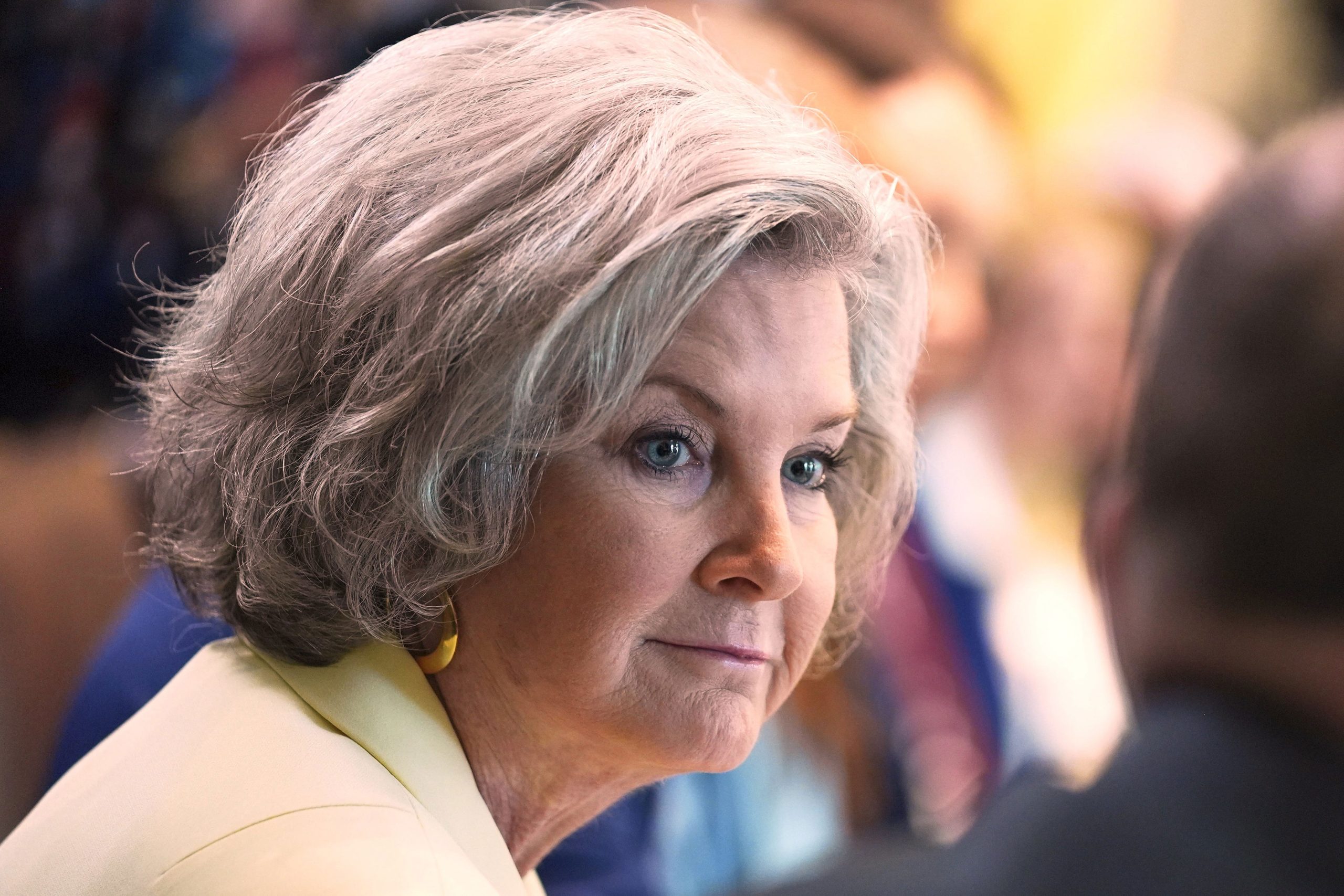
Significant repercussions are occurring in U.S. political circles over the Vanity Fair interview with White House Chief of Staff Susie Wiles, released on the 16th. Conducted by writer Chris Whipple, the interview took place intermittently over approximately 11 months from just before Trump’s inauguration to recently. It revealed that “Wiles often spoke on the phone after Sunday church services and once even talked while doing laundry at her home in Washington, D.C.” The interview vividly captures the voice of Wiles, dubbed Trump’s closest aide and the White House’s “top power broker.” It includes her blunt assessment that Trump “has the personality of an alcoholic,” alongside scathing criticism of high-ranking officials, including Vice President J D Vance. Although Wiles rarely sends public messages, as controversy grew, she criticized the coverage, stating, “The important context is being ignored, and this is a malicious article aimed at creating an overwhelmingly negative narrative about the president and our team.”
Wiles is widely regarded as a key figure in the Trump administration, to the extent that Trump referred to her as “Susie Trump” during a speech in Pennsylvania last week. Unlike the first term, marked by repeated chaos, few deny that Wiles played a decisive role in enabling the Trump administration’s second term to swiftly roll out policies from the outset. Unlike previous chiefs of staff, Wiles has been praised for minimizing media exposure and controlling public messages. Since taking office, her media appearances have been limited to a handful, including a Fox News weekend program hosted by Lara, Trump’s second daughter-in-law, and a New York Post podcast. In the interview, however, Wiles described Trump as having “the personality of an alcoholic” and said, “He acts with the perspective that there is nothing he cannot do.” Wiles, whose father was a former NFL star who struggled with alcoholism, added, “(Their) personalities are exaggerated when they drink” and “I am somewhat of an expert on strong personalities.”
Regarding Trump’s pardons of individuals involved in the January 6 Capitol riot, Wiles said she proposed “selective pardons,” but the suggestion was not accepted. While Trump has continued prosecuting political opponents, he stated, “I do not believe we are engaging in retaliation.” However, regarding the investigation into New York Attorney General Letitia James on loan fraud charges, Wiles remarked, “That could be considered one form of retaliation.” Wiles also revealed “tremendous disagreement among staff” over the reciprocal tariffs Trump imposed in April. She said, “We proposed to Trump, ‘Let’s not discuss tariffs today,’ ‘Let’s wait until we reach complete agreement,’” but after he unilaterally announced them, she stated, “It was more painful than expected.” On deportations of undocumented immigrants facing judicial hurdles, Wiles acknowledged, “We need to further review procedures” and added, “If there are doubts, we should lean toward re-verification.”
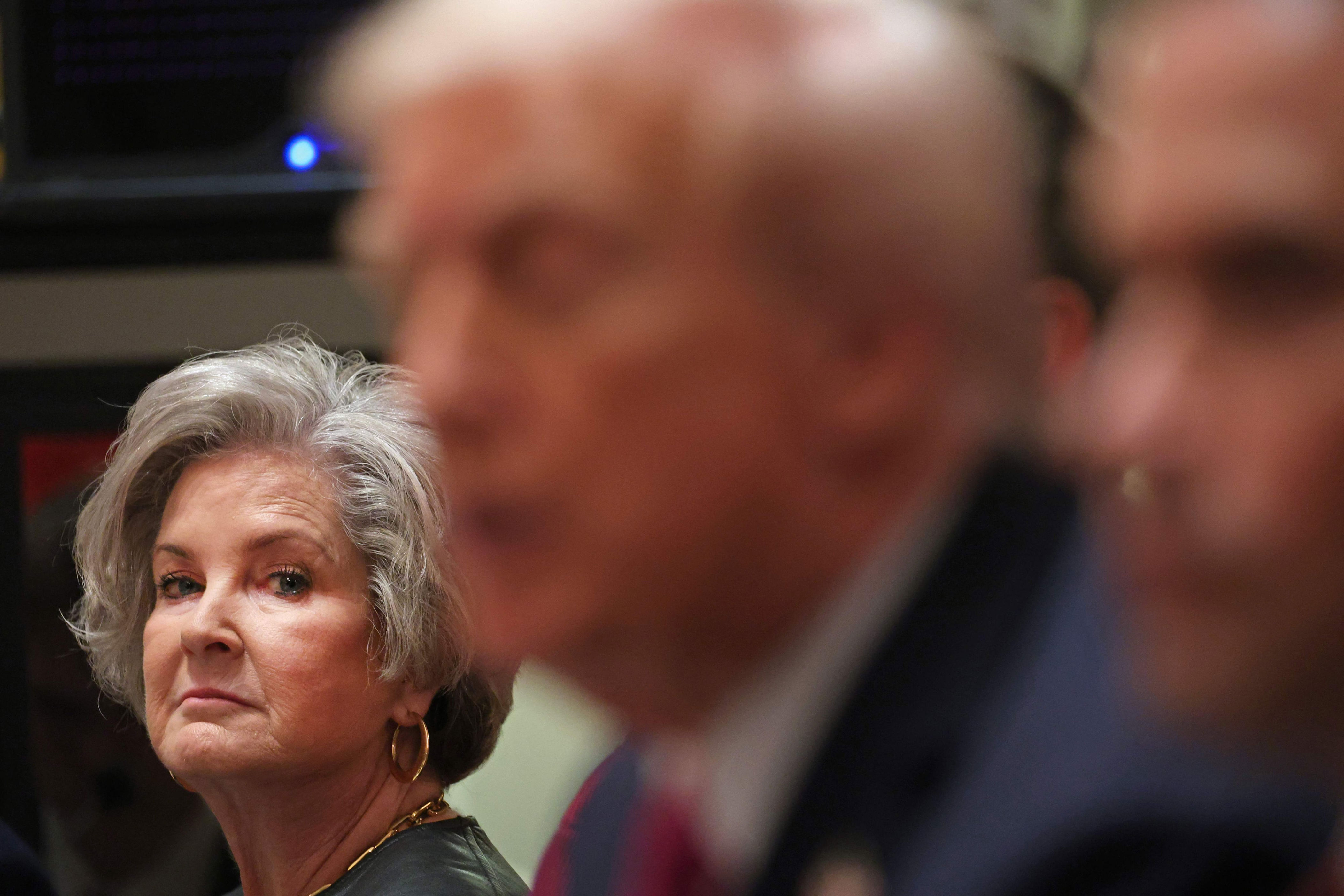
Sections where Wiles candidly evaluated Vice President J D Vance, Attorney General Pam Bondi, and Tesla CEO Elon Musk—who previously headed the Department of Government Efficiency (DOGE)—are also gaining attention. Regarding Vance, Wiles said, “He has been a conspiracy theorist for the past decade,” and his shift from being anti-Trump to supporting Trump was “a political calculation aimed at running for the Senate.” Both Vance and Secretary of State Marco Rubio, once anti-Trump figures, switched sides, with Wiles noting Vance’s shift was “more politically motivated.” On Musk, she said, “He is a self-proclaimed ketamine user and a total eccentric,” adding his actions often shocked her due to their lack of rationality. Wiles recounted summoning Musk to the White House to warn him against abolishing USAID early in the administration, stating, “The president has no knowledge of the details of such small agencies.” Regarding Bondi, Wiles evaluated that she “completely made a mistake” in handling the disclosure of documents related to the late Jeffrey Epstein, a convicted sex offender of minors.
A behind-the-scenes story of how Wiles nearly parted ways with Trump was also revealed. Vanity Fair reported, “In the fall of 2016, ahead of the presidential election, Trump and Wiles nearly ended their relationship at a golf club in Miami.” Disappointed by low approval ratings in Florida, a key battleground against Hillary Clinton, Trump reprimanded Wiles in front of aides. Wiles recalled, “I have never seen him that angry since,” and “I really wanted to cry.” Wiles, with deep roots in Florida politics, retorted, “If you want to win this state, I am the one, and the choice is yours,” after which “surprisingly, Trump called me every day.” After assisting Florida Governor Ron DeSantis, Wiles joined Trump’s re-election campaign and served as co-campaign manager, playing a pivotal role in his return to power.
Regarding Trump’s hints at seeking a third term, prohibited by the Constitution, Wiles dismissed the possibility, stating, “It is 100% to drive people crazy,” calling it rhetoric to unite the base. As controversy over the interview grew, White House spokesperson Karoline Leavitt stated, “There is no better or more loyal aide to Trump than Susie,” and “The entire government is grateful for her leadership and fully supports her.” The New York Times described the interview as “very candid and impromptu remarks,” comparing it to David Stockman’s candid observations during Reagan’s first term. Former Obama chief of staff Rahm Emanuel said he thought it was a “fake parody article,” adding, “I have never seen a White House chief of staff do something like a candidate interview.”